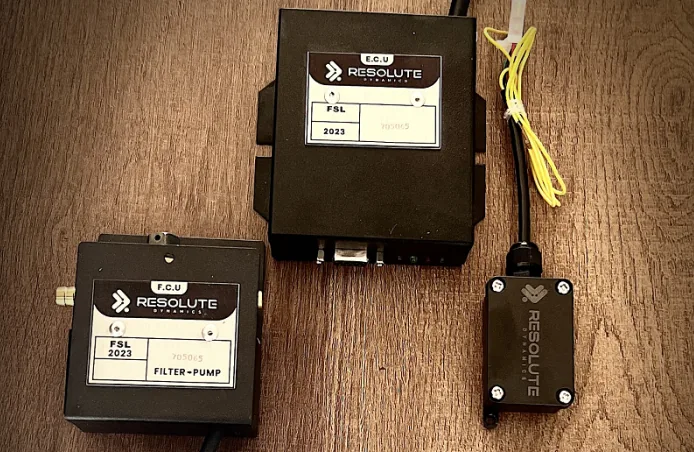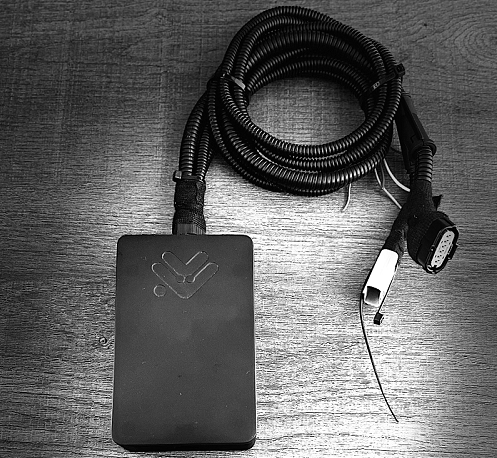
I have spent years crawling under dashboards, reading fault logs, and listening to fleet managers describe the exact moment their truck refused to hold its speed cap. And here is the pattern I keep seeing: a speed governor almost never fails for a mysterious reason. It fails for one of a handful of very ordinary, very fixable reasons. Once you know the fault families, the guesswork disappears.
So let me walk you through what actually goes wrong inside these devices, why it happens, and how each fault shows itself on the road.
What Does It Mean When a Speed Governor Malfunctions?
A speed governor malfunctions when the device stops capping engine output at its programmed limit, and this breakdown always traces back to a fault in one of its eight core subsystems. That is the short version. The unit either lets the vehicle exceed the set threshold, clamps the throttle too early, or cuts power in a jerky, unpredictable way.
I want to draw a clear line here, because people mix up three very different situations. A malfunction is an unintended fault, like a dead sensor or a corroded wire. Tampering is a deliberate act, where someone bypasses or disables the limiter on purpose. And deactivation is simply the system being switched off through legitimate means.
Only the first one is a true governor fault. If you are still fuzzy on the underlying hardware, my breakdown of what a speed governor is covers the fundamentals before we go deeper.
Why does the distinction matter? Because the fix, the cost, and the legal exposure are wildly different for each. Chasing a malfunction with a tampering mindset wastes hours. So we sort the cause first, then act.
The 8 Most Common Causes of Speed Governor Malfunction
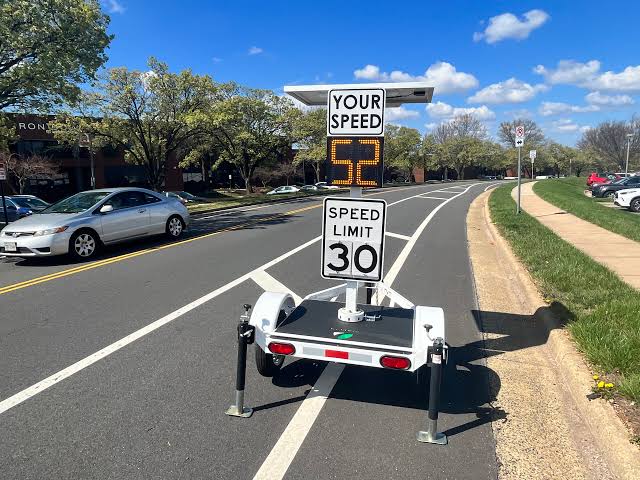
There are eight primary fault categories behind nearly every speed governor malfunction I have diagnosed. Here they are at a glance, arranged roughly from most frequent to least: sensor failure, wiring and ground faults, connector corrosion, ECU errors, calibration drift, firmware bugs, actuator or solenoid failure, and tampering.
Now let me take each one apart.
1. Vehicle Speed Sensor (VSS) Failure
The Vehicle Speed Sensor (VSS) is the eyes of the whole system, and when it goes blind, the governor loses its reference point entirely. This sensor sits at the transmission or wheel hub, and it feeds a live speed reading to the control unit. No accurate reading, no accurate limiting.
Magnetic pickup sensors wear down over time. Debris coats the sensor tip. The signal starts dropping out in brief flickers, then longer gaps. The governor, starved of data, either defaults to no limit or throws the vehicle into a limp-home state. Drivers usually describe this as the limiter “randomly quitting” — but it is rarely random. It is a starved sensor.
2. Wiring Faults, Ground Loss & Electrical Shorts
Faulty wiring interrupts the signal path between the sensor, the control module, and the throttle, and this is one of the sneakiest causes because it comes and goes. A harness that rubs against a chassis bracket slowly chafes through its insulation. Vibration loosens a ground strap. A short develops after a rainstorm and then hides once things dry out.
Modern governors talk over a CAN bus (the vehicle’s internal data network), so a single frayed conductor can scramble messages across several systems at once. The result is intermittent limiting that no one can reproduce on demand — the most frustrating fault of all.
3. Connector Corrosion & Loose Terminals
Corroded connectors block current at the plug even when the wiring itself is perfectly healthy, which is why I treat this as a separate fault from a wiring break. Moisture creeps into a connector housing, oxidizes the metal pins, and builds a thin resistive film. Current struggles across that film. Signals arrive weak or garbled.
This one is especially common in hot, humid, coastal, and desert-fringe climates, where condensation cycles hammer the terminals daily. A connector that tests fine cold can fault the moment the engine bay heats up and the metal expands.
4. ECU / Control Module Faults
The Electronic Control Unit (ECU) is the brain of the limiter, and when its logic misfires, the whole speed-capping process falls apart. Sometimes the ECU itself develops a genuine hardware fault. More often, it clashes with another module — cruise control being the classic culprit, since both systems want authority over the throttle at the same moment.
I have seen governors behave perfectly until cruise control engages, then surrender the speed cap without warning. If that sounds familiar, this deep dive on cruise control and ECU interference is worth your time, and my explainer on how the ECU powers speed limiting shows exactly where these signals cross.
5. Calibration Drift & Incorrect Configuration
Calibration drift causes a governor to cap speed at the wrong number, and it usually starts with a change the driver never connected to the limiter at all. Fit larger tyres, swap to a different wheel diameter, or change the final-drive ratio, and the device suddenly miscalculates road speed from wheel rotation. The math it was set up with no longer matches the vehicle.
The device is not broken. It is faithfully doing wrong arithmetic. This is why re-calibration after any drivetrain change is non-negotiable, and why I point fleets to my guide on how often speed governors should be calibrated before they blame the hardware.
6. Firmware Bugs & Outdated Software
Outdated or corrupted firmware makes a governor behave unpredictably even when every wire and sensor is flawless. A failed over-the-air update can leave the unit half-patched. A version mismatch between the limiter and the vehicle’s other modules creates silent conflicts. Edge-case bugs surface only under specific speeds, gears, or temperatures.
Software faults frustrate technicians because there is nothing to see, smell, or touch. The cure is a clean reflash, not a wrench. If your fleet relies on remote patching, my write-up on firmware and OTA updates explains how these rollouts can go sideways.
7. Actuator / Fuel-Solenoid Failure (Mechanical & Fuel-Type Units)
Mechanical and fuel-type limiters fail at the actuator, the physical part that actually chokes power delivery. This is the fault most guides skip, because they only picture electronic units. But plenty of vehicles still run mechanical governors with springs and flyweights, or fuel-type systems with a fuel-cut solenoid.
Springs fatigue. Flyweights wear. A fuel solenoid sticks half-open and stops trimming the fuel supply. When the muscle of the system weakens, the speed cap loosens with it. Understanding which hardware you own matters here, so this comparison of electronic, mechanical, and GPS-based limiter types is a useful reference.
8. Tampering, Seal Breakage & Unauthorized Modification
A broken tamper-proof seal signals that someone interfered with the governor, and that turns a mechanical question into a compliance one. Sometimes a driver deliberately unplugs the unit for more speed. Sometimes a well-meaning mechanic breaks a seal during unrelated work and never reports it. Either way, the protective seal is your evidence trail.
A compromised seal does more than hint at tampering — it can void your compliance status outright. My guide to tamper-proof seals on speed governors explains why that little wire and crimp carries so much weight.
Symptom → Root-Cause Diagnostic Matrix
You can shortcut most diagnoses by matching the symptom you see to the fault most likely behind it. I built this matrix from the calls I field most often, so use it as your first triage step rather than a final verdict.
| Symptom on the road | Most likely cause | How to confirm it |
|---|---|---|
| Governor not engaging at all | VSS failure or ground loss | OBD-II diagnostic scan |
| Speed cap has drifted higher or lower | Calibration drift | Controlled speed test + re-calibration |
| Limiting cuts in and out intermittently | Connector corrosion or chafed wiring | Physical harness and plug inspection |
| Warning light plus a stored error code | ECU or firmware fault | Read the diagnostic trouble codes (DTCs) |
| Jerky or delayed power cut | Actuator or fuel-solenoid wear | Actuator function test |
| Cap fails only when cruise engages | ECU / cruise-control conflict | Module communication test |
| Broken seal, no clear fault | Tampering or unreported service | Seal audit and log review |
Once you have a suspect, you need the actual test procedure. I keep the hands-on testing steps in a separate walkthrough, so head to my guide on how to identify a faulty speed limiter to run each check properly.
GPS-Based vs Electronic vs Mechanical: How Fault Causes Differ by Type
The type of limiter you run changes which faults you should worry about first, because each technology has its own weak point. Knowing your device’s temperament saves you from checking the wrong things.
GPS-based limiters live and die by signal quality. Tunnels, dense urban canyons, underground yards, and jamming all starve the unit of position data, and a starved GPS limiter loses its speed reference the same way a blind sensor does.
Electronic limiters, by contrast, are hostage to the CAN bus and the ECU — their faults cluster around wiring, connectors, and software conflicts. Mechanical and fuel-type units almost never have a software problem, but they wear out physically, so springs, solenoids, and linkages top their fault list.
Match your maintenance attention to your hardware, and you stop wasting effort chasing faults your device rarely suffers.
How to Prevent Speed Governor Malfunctions
You can head off most malfunctions with a few disciplined habits rather than reactive repairs. Prevention is cheaper than downtime every single time, and it protects your compliance record along the way.
- Calibrate the governor after any tyre, wheel, or drivetrain change, and on a fixed schedule otherwise.
- Inspect wiring harnesses and connectors for chafing, corrosion, and looseness during routine servicing.
- Update firmware promptly, and confirm each patch installs cleanly rather than assuming it did.
- Audit the tamper seals at every service visit so a broken one gets caught early.
- Schedule a post-installation check so a new unit is verified before it ever carries a load.
For a fuller routine, my complete maintenance guide for speed limiter systems lays out the intervals, and the post-installation audit walkthrough covers verifying a fresh install.
When a Faulty Speed Governor Should Be Repaired vs Replaced
Repair a governor when the fault is isolated and the hardware is sound, but replace it when the failures keep returning or the unit is simply old. A single corroded connector or a stale firmware build is a repair. A device past roughly five to seven years of service, or one that keeps faulting after multiple fixes, has told you what it needs.
I lean toward replacement once the repair bills start stacking, because chronic downtime costs far more than a new unit. My guide to replacing a faulty speed governor walks through the decision, and if you are ready to source a reliable unit, the speed limiter and speed governor product page is where I send fleets first.
Frequently Asked Questions
Can a speed governor fail without any warning? Yes. Intermittent faults like connector corrosion and CAN bus shorts can strike with no dashboard alert, which is exactly why routine inspection beats waiting for a warning light.
Does a malfunction affect my compliance certificate? It can. If a fault leaves the vehicle running uncapped, or if a tamper seal is broken, your compliance status may be flagged. Keeping a valid speed limiter certificate means fixing faults promptly and documenting the repair.
How long does a speed governor usually last? Most quality units serve reliably for five to seven years before age-related faults become frequent. Environment, climate, and duty cycle all shift that window up or down.
Will a governor malfunction trigger an engine warning light? Sometimes. ECU and firmware faults often store a diagnostic trouble code and light the dash, while purely mechanical actuator wear may produce no code at all — only sluggish or loose limiting.
Related repair guides: Calibrate & reset – RPM regulator troubleshooting – Seal-breach handling.

The Resolute Dynamics team designs and manufactures speed limiters (SLD), GPS tracking, and automotive safety systems used on 200,000+ vehicles across 20+ countries. We write about fleet compliance, road-safety regulation, and vehicle-safety technology, including Malaysia’s JPJ SLD mandate, UAE RTA rules, and global standards like UN R89, to help fleet operators and transport businesses stay safe and compliant.