If you run a commercial vehicle, a taxi, a school bus, or a heavy truck anywhere in Dubai, there is one document you simply cannot skip: the speed limiter certificate. The Roads and Transport Authority (RTA) treats it as a hard requirement, not a nice-to-have. Without it, your vehicle will not pass its annual inspection, and you will not be able to renew its registration.
In this guide, I walk you through the full RTA approval process, the documents you need, how the cost is structured, how long it takes, how renewal works, and what happens if you drive without one. By the end, you will know exactly what to expect before you set foot in a fitment center.
What Is a Speed Limiter Certificate (and Who Issues It in Dubai)?
A speed limiter certificate is a mandatory validation document that confirms a working speed limiting device is fitted to your vehicle and calibrated correctly. It exists because the UAE government wants every qualifying vehicle to respect a maximum speed, which cuts down on high-speed crashes on roads like Sheikh Zayed Road and the long inter-emirate highways.
The certificate is recognised across all seven emirates — Abu Dhabi, Dubai, Sharjah, Ajman, Umm Al Quwain, Ras Al Khaimah, and Fujairah — so a vehicle certified in Dubai stays compliant when it crosses an emirate border.
In Dubai, the certificate is not handed out by just anyone. It comes through RTA-authorized manufacturers and their approved fitment centers, who are trained and certified to install the device and verify it properly.
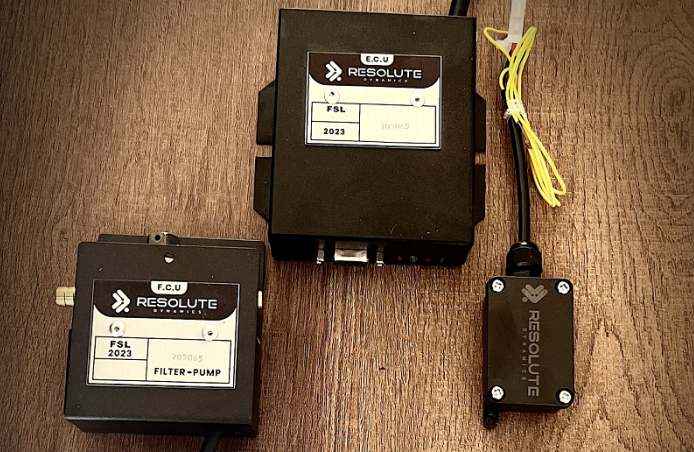
We at Resolute Dynamics issue these certificates through our authorized dealer network. If you want the deeper background on the document itself, our RTA-approved speed limiter certificate page breaks it down further.
Which Vehicles Require a Speed Limiter Certificate in Dubai?
Five main categories of vehicles need a speed limiter certificate in the UAE, and they all share one thing in common: they are bigger, heavier, or carry more people than an ordinary private car. These include heavy goods trucks, passenger buses, school buses, taxis, and commercial fleet vehicles such as delivery vans and tankers.
Each category is tied to a maximum speed that the RTA mandates for that class of vehicle. The speed limiter is then calibrated to that exact cap, so the engine simply cannot push past it no matter how hard the accelerator is pressed.
Because the precise figure can differ by vehicle type and by the latest RTA specification, I always recommend confirming the exact speed cap for your vehicle class with your fitment center before installation.
| Vehicle Type | Certificate Required | Notes |
|---|---|---|
| Heavy goods trucks | Yes | Calibrated to the mandated heavy-vehicle cap |
| Passenger buses | Yes | Common on inter-city and staff transport routes |
| School buses | Yes | Extra safety scrutiny — see our school bus speed limiter solutions |
| Taxis | Yes | Required for fleet registration renewal |
| Commercial vans / tankers | Yes | Includes delivery and logistics fleets |
Private passenger cars are generally outside this requirement, but if your vehicle is registered for commercial use, assume the rule applies to you.
RTA Approval Process for a Speed Limiter Certificate (Step-by-Step)
The RTA approval process runs through five clear steps, and the whole thing is more straightforward than most fleet owners expect. Here is how it unfolds from start to finish.
Step 1 — Book Installation at an RTA-Authorized Fitment Center
Book an appointment with an RTA-authorized fitment center or an approved dealer. This first step matters more than people realise, because a certificate issued by a non-authorized installer carries no weight during inspection. Choosing an authorized partner from the start saves you from redoing the entire job later.
Step 2 — Speed Limiter Device Installation & Calibration
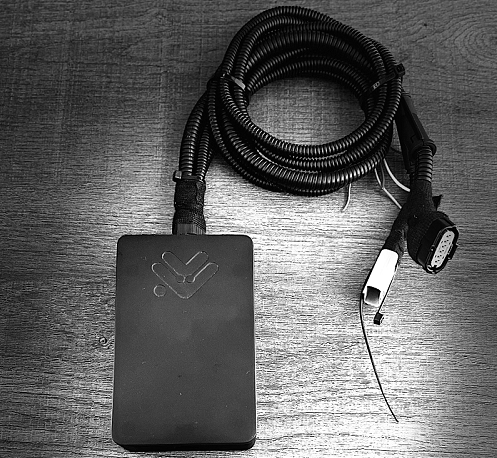
Install the speed limiter device and calibrate it to your vehicle’s mandated speed cap. A trained technician wires the speed limiter device into the vehicle’s throttle and electronic control system, then sets the ceiling speed. Calibration is the make-or-break part — an incorrectly set limiter either throttles the vehicle too early or fails the verification stage.
Step 3 — Functionality & Tamper Verification
Verify that the device works and shows no sign of tampering. The technician runs a functional check to confirm the limiter engages at the right speed, inspects the wiring for secure connections, and checks the seals to rule out any manipulation. This anti-tamper check protects the integrity of the whole system, since a disabled limiter defeats the purpose of the certificate entirely.
Step 4 — Certificate Issuance
Receive your speed limiter certificate once the verification passes. The authorized center records the device details against your vehicle and issues the official document. This is the proof you present at inspection, and it stays linked to your specific vehicle and chassis.
Step 5 — Vehicle Inspection (Passing) Submission
Submit the certificate during your annual vehicle inspection. Inspectors confirm the certificate is valid and the device is fitted before they clear your vehicle. With a compliant certificate in hand, this stage becomes a formality rather than a hurdle.
Documents Required for Speed Limiter Certification
You need four core documents to complete speed limiter certification in Dubai. Bringing them all on the day prevents the back-and-forth delays that frustrate busy fleet managers. The required documents include:
- Vehicle registration card (Mulkiya) for the vehicle being certified
- Emirates ID of the owner, or the company trade license for fleet vehicles
- Vehicle details covering make, model, and chassis number
- Fleet schedule listing every vehicle, if you are certifying more than one
For fleets, a clean, itemised list of vehicles speeds the process up dramatically, because the center can batch the paperwork instead of processing each unit cold.
Speed Limiter Certificate Cost in Dubai
The cost of a speed limiter certificate in Dubai is built from three separate components rather than a single flat fee. Understanding this structure helps you budget accurately and avoids surprises at the counter. The three components are:
- Installation — the one-time fitting and calibration of the speed limiter device
- Certificate issuance — the cost of generating and registering the official document
- Annual renewal — the recurring fee charged each year when the certificate is re-validated
Factors That Affect the Cost
Several factors move the final price up or down. The vehicle type matters, since a heavy truck takes more labour than a light commercial van. The device model you choose plays a role too, as advanced limiters with GPS tracking or adaptive features sit at a different price point than a basic unit.
Fleet volume is the biggest lever — certifying twenty vehicles at once almost always earns a better per-unit rate than walking in with a single truck.
Because pricing shifts with all of these variables, I never quote a blanket figure. The most reliable way to get an accurate number is to request a quote for your exact vehicle or fleet, and our team is happy to prepare one through our contact page.
How Long Does It Take to Get the Certificate?
For a single vehicle, installation, calibration, verification, and issuance often wrap up within the same visit, so many owners walk away certified on the same day. The exact time depends on how busy the center is and the complexity of the wiring on your particular vehicle.
For fleets, the timeline stretches to match the number of vehicles, but it rarely drags. A well-prepared fleet — with paperwork ready and vehicles scheduled in blocks — moves through certification far quicker than units arriving one at a time without notice. Planning ahead is the single biggest factor in turnaround speed.
Speed Limiter Certificate Renewal in Dubai
The speed limiter certificate requires annual renewal, and the renewal is not a rubber stamp. Each year, an authorized center re-checks the device to make sure it still does its job before issuing a fresh certificate. The renewal verification covers three things:
- Functionality — confirming the limiter still engages at the correct speed
- Tamper absence — checking the seals and wiring have not been disturbed
- Secure connections — making sure nothing has loosened or degraded over the year
Treat renewal as a recurring calendar item, not a last-minute scramble. Letting the certificate lapse means your vehicle is non-compliant the moment it expires, even if the device itself is working perfectly.
Penalties for Driving Without a Valid Speed Limiter Certificate
Driving a qualifying commercial vehicle without a valid speed limiter certificate carries real consequences in the UAE. The most immediate problems include:
- A failed annual vehicle inspection, which blocks you on the spot
- An inability to renew your vehicle registration until the certificate is sorted
- Fines and penalties under UAE traffic regulations for non-compliant commercial vehicles
- Disruption to fleet operations, since a non-registered vehicle cannot legally work
I deliberately avoid quoting specific fine amounts here, because traffic penalties are set by the authorities and change over time. For the current figures, check the official RTA channels — but the practical takeaway is simple: the cost of staying compliant is always lower than the cost of grounded vehicles and blocked registrations.
Where to Get an RTA-Approved Speed Limiter Certificate in Dubai
You can get your RTA-approved certificate through Resolute Dynamics and our network of authorized dealers and fitment centers across Dubai. We are a Dubai-based manufacturer based at Bin Bishr Building, Warehouse No. 07, Ras Al Khor Industrial Area 1, and we handle both single-vehicle owners and large fleets.
Whether you manage a logistics fleet that needs dozens of vehicles certified or you own a single truck that needs to pass inspection, our authorized team installs the device, calibrates it correctly, and issues the certificate that keeps you compliant. Reach out through our contact page or call us directly to arrange installation or renewal.
Frequently Asked Questions
Is a speed limiter certificate mandatory in Dubai? Yes. It is mandatory for commercial vehicles, taxis, buses, school buses, and heavy trucks, and it is required to pass annual vehicle inspection.
How much does a speed limiter certificate cost in Dubai? The cost is made up of installation, certificate issuance, and annual renewal, and the final figure depends on your vehicle type, device model, and fleet size. Request a quote for an accurate price.
How long is the certificate valid? The certificate is valid for one year and must be renewed annually after a fresh verification check.
Can I get the certificate the same day? Often, yes. A single vehicle can usually be installed, verified, and certified within the same visit, depending on center availability.
What happens if my speed limiter is tampered with? A tampered device fails verification, so the certificate cannot be issued or renewed until the limiter is restored to working, sealed condition.
Does the certificate work across all UAE emirates? Yes. A certificate issued in Dubai is recognised across all seven emirates, so your vehicle stays compliant when it travels between them.
Speed cap: Heavy trucks in Dubai are typically calibrated at 80 km/h in line with the UAE Federal Traffic Law device limit; the RTA-issued certificate confirms the device is set and sealed at the correct value.
Related UAE guides: Sharjah SRTA – Abu Dhabi ITC – Fines & penalties.

The Resolute Dynamics team designs and manufactures speed limiters (SLD), GPS tracking, and automotive safety systems used on 200,000+ vehicles across 20+ countries. We write about fleet compliance, road-safety regulation, and vehicle-safety technology, including Malaysia’s JPJ SLD mandate, UAE RTA rules, and global standards like UN R89, to help fleet operators and transport businesses stay safe and compliant.