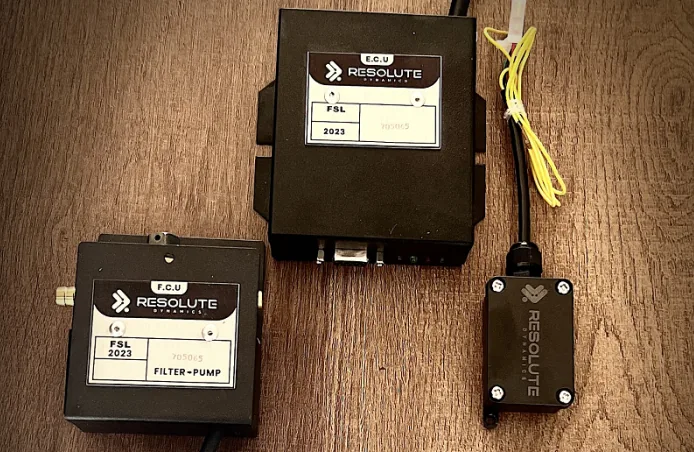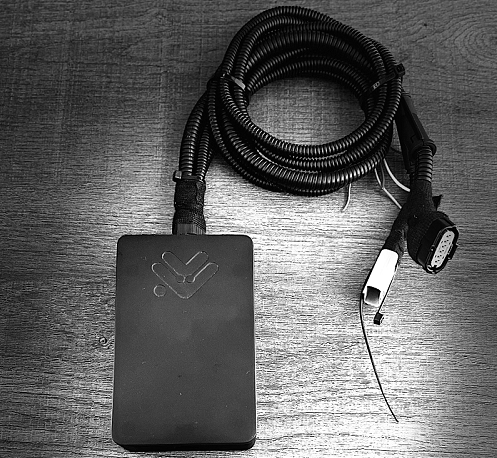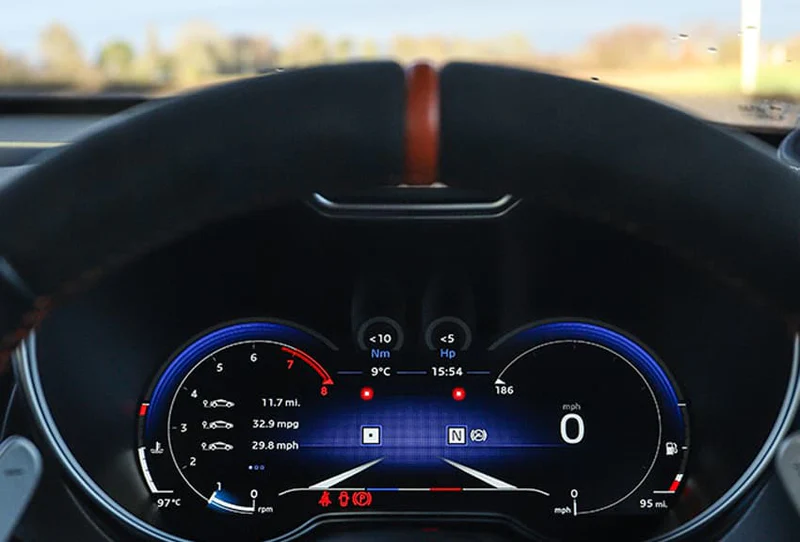
If you run a bus, a truck, a taxi, or any commercial vehicle in Sharjah, there’s one small document that decides whether your vehicle stays on the road or gets stuck at the testing centre: the speed limiter certificate.
I’ve spent years helping fleet owners and individual drivers get this sorted, and I can tell you the process trips up far more people than it should. The rules feel scattered, the paperwork feels confusing, and the deadlines sneak up fast.
So let me walk you through the whole thing, start to finish, in plain language. By the end, you’ll know exactly which vehicles need a limiter, how the installation works, where to go in Sharjah, what it costs, and how to keep your certificate valid so passing day is painless.
Is a Speed Limiter Mandatory in Sharjah?
Yes — a speed limiter is mandatory in Sharjah for several vehicle classes, and the device caps top speed at 100 km/h for buses, with similar limits applied to heavy and commercial vehicles. This is not a Sharjah-only quirk. It flows from federal standards set across the United Arab Emirates, and Sharjah enforces them at the point of vehicle registration and annual passing.
Here’s the part most drivers miss: the limiter itself isn’t the finish line. The authorities want proof. Without a valid certificate confirming a working device, your vehicle will not clear inspection, and an uninspected vehicle cannot renew its registration.
Which vehicles need a speed limiter in Sharjah
Speed limiters apply mainly to vehicles that carry people or heavy loads. The common categories include:
- Buses with fewer than 22 seats, which are capped at 100 km/h, and the setting cannot be changed by the driver.
- School buses, which follow the dedicated safety standard UAE.S 5012:2019.
- Heavy vehicles and trucks over 3.5 tons, where speed control reduces braking distance and rollover risk.
- Taxis and passenger transport vehicles, where rider safety is the priority.
- Commercial fleet vehicles, especially those operated by logistics and delivery companies.
Private passenger cars are generally outside the mandatory limiter bracket, but commercial and heavy categories sit squarely inside it.
How Sharjah enforces the rule
Sharjah handles vehicle compliance through the Sharjah Roads & Transport Authority (SRTA) working alongside Sharjah Police, who manage traffic and licensing. The enforcement moment is simple and unforgiving: when your vehicle goes for its annual test, the centre checks for a valid speed limiter certificate.
No certificate, no pass. For the wider legal backbone — the national framework, the categories, and the upcoming changes — it’s worth reading the UAE speed limiter rules and 2026 expansion, which lays out the federal picture that Sharjah operates within.
What Is a Speed Limiter Certificate (and Why Sharjah Passing Needs It)
A speed limiter certificate is the official validation document that confirms your vehicle has a working, correctly set, tamper-proof speed limiter fitted. Think of it as the receipt that turns a physical device into recognised proof of compliance. The certificate is required for the annual vehicle inspection across all seven emirates, and Sharjah is no exception.
The reason the testing centre insists on it is practical. An inspector cannot easily eyeball whether a limiter is calibrated to the right speed or whether someone has quietly disabled it. The certificate, issued by a trained and authorised party, settles that question on paper.
What the certificate confirms
A valid speed limiter certificate verifies three things at once: that a functional limiter is installed, that the maximum speed is set to the correct legal value, and that the device is sealed so it cannot be tampered with after fitting. Those three checks are what give the document its weight during passing.
How long it stays valid
The certificate is valid for 1 year. That matches the rhythm of vehicle registration in the UAE, where vehicles older than three years are tested annually before the registration can be renewed. The certificate has to be renewed and presented fresh each cycle — an expired one is treated the same as having none at all.
How to Install a Speed Limiter in Sharjah (Step-by-Step)
There are five clear steps to go from no limiter to a certificate in your hand. Follow them in order and you avoid the back-and-forth that wastes a half-day at the testing centre.
- Confirm your vehicle class and required speed setting. Identify whether your vehicle is a bus, a heavy truck, a taxi, or a fleet unit, because the class decides the legal speed cap and the standard that applies.
- Book an authorised installer or approved dealer. Choose a provider trained and certified to fit and certify limiters, since only authorised channels can issue a certificate the centre will accept.
- Fit and calibrate the device. Let the technician install the unit, set the maximum speed to the correct value, and seal it so the setting cannot be altered later.
- Receive the installation and compliance certificate. Collect the signed certificate that records the device, the set speed, and the seal — this is the document you hand over at passing.
- Present the certificate at the Sharjah testing centre. Submit it during your annual inspection so the vehicle clears the speed-limiter requirement and moves toward registration renewal.
If you want a deeper walkthrough of the paperwork side, the guide on how to get a speed limiter certificate breaks down the sequence in more detail.
Where to Get It Done: Approved Centres & Testing in Sharjah
Sharjah runs its vehicle testing through two main networks — Tasjeel and Shamil — both approved by the SRTA and Sharjah Police. Tasjeel operates as a partnership between ENOC and Sharjah Police, while Shamil sits within the Emarat / EPPCO group. Several additional SRTA-approved centres handle testing and registration around the emirate too.
For installation, you’ll want an authorised limiter dealer; for the passing test itself, you head to one of the recognised centres below.
| Centre | Area | Light / Heavy | Notes |
|---|---|---|---|
| Tasjeel Sharjah Auto Village | 311 Sheikh Mohammed Bin Zayed Road, Al Ruqa Al Hamra | Both | Largest facility, 12 testing bays |
| Sharjah Heavy Vehicle Centre | Fourth Industrial St, Industrial Area 12 | Heavy | Built for trucks and heavy fleet |
| Tasjeel Al Dhaid | Al Dhaid (central Sharjah) | Both | Convenient for inland/rural areas |
| Tasjeel Khor Fakkan | Khor Fakkan (East Coast) | Both | Serves East Coast residents |
| Shamil centres | Multiple Sharjah locations | Both | Emarat-operated network |
Heavy-vehicle and fleet options
Heavy vehicles and large fleets get dedicated handling. Tasjeel runs heavy-vehicle lanes and offers a mobile inspection service, where the testing comes to your yard instead of you driving every truck to a centre. For an operator with twenty vehicles, that single feature can save days of downtime.
Documents Required
You’ll need a short, predictable set of four to five documents to install and certify a limiter and then pass inspection. Keeping them ready in one folder is the single biggest time-saver on the day.
For the installation and certificate, bring:
- Your Emirates ID.
- The Mulkiya (vehicle registration card).
- Vehicle details — chassis number, make, model, and class.
For the passing test and renewal, add:
- A valid vehicle insurance certificate.
- The completed vehicle registration / renewal form.
- The speed limiter certificate itself, presented at the centre.
Speed Limiter Certificate Cost & Renewal in Sharjah
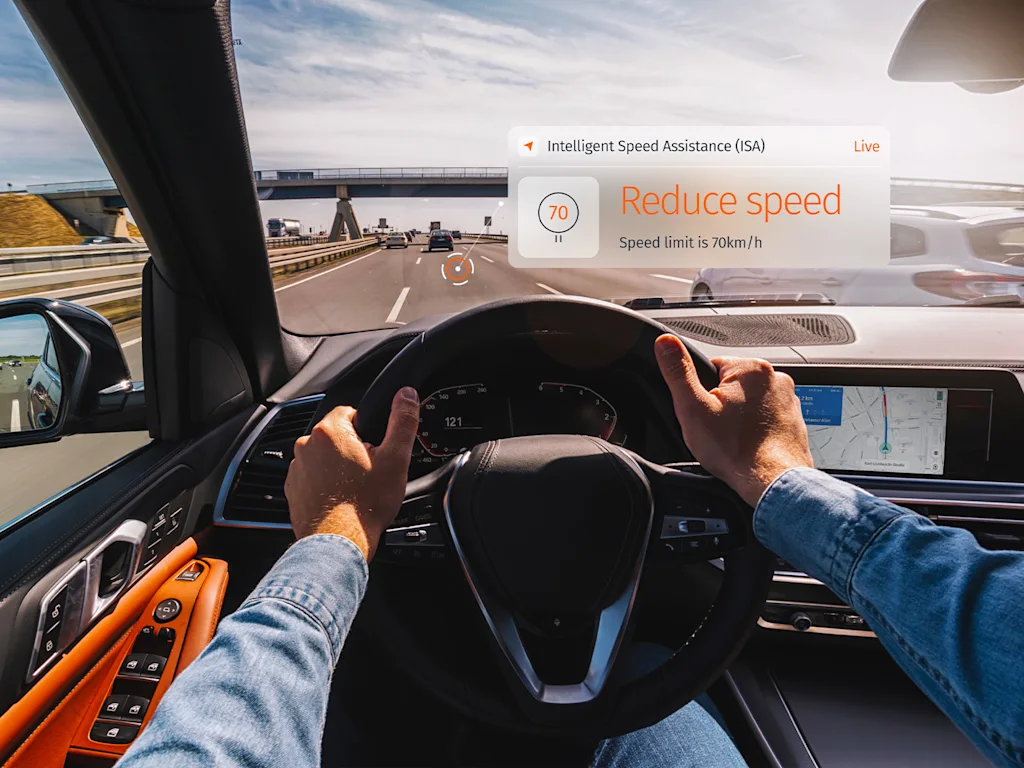
The certificate runs on a yearly renewal cycle, and the smartest move is to renew it before your registration expires rather than scrambling on the deadline. Letting things lapse gets expensive fast: late vehicle registration penalties in the UAE range from AED 1,000 to AED 5,000, depending on the size and type of the vehicle.
Renewal timing
Renew the certificate as part of your annual passing routine. Because vehicles over three years old are tested every year anyway, folding the limiter check into that same visit keeps everything aligned on one date and avoids a second trip.
What expired or missing certification costs you
An expired certificate carries the same consequence as having none — your vehicle won’t pass, and registration renewal stalls until you fix it. On top of the late-registration fines above, a vehicle driven on lapsed registration is exposed to traffic penalties.
Exact installation and certificate fees vary by provider and vehicle class, so confirm the current figure directly with your authorised dealer or testing centre before you book.
Traditional Speed Limiter vs. Smart GPS-Based Compliance
There are two broad ways to meet the requirement: a traditional fixed limiter and a smart GPS-based system. The difference comes down to how much visibility and control you want over your vehicles after the device is fitted.
When a basic limiter is enough
A traditional limiter simply caps the top speed and satisfies the certificate requirement. For a single bus or a small operator, that’s often all you need — it’s straightforward, compliant, and gets you through passing without fuss.
When fleet operators choose smart GPS systems
Larger fleets tend to move toward GPS-based smart limiters because they do more than cap speed. These systems add live location tracking, driver-behaviour data, and remote monitoring, which lines up with the direction UAE enforcement is heading — toward connected, data-driven compliance rather than passive devices.
The national rule changes covered in the UAE speed limiter rules and 2026 expansion explain why smart systems are becoming the practical choice for commercial operators planning ahead.
Compliance Checklist for Sharjah Fleet Operators
Run through these seven steps and your fleet stays clear of passing-day surprises:
- List every vehicle by class to confirm which ones legally require a limiter.
- Verify the speed setting matches the legal cap for each class.
- Use only authorised installers so each certificate is accepted at the centre.
- Track every certificate’s expiry date in one shared calendar.
- Schedule renewals to coincide with each vehicle’s annual test.
- Keep document folders ready — Emirates ID, Mulkiya, insurance, and certificate per vehicle.
- Consider GPS-based systems for fleets that need monitoring beyond a simple speed cap.
Frequently Asked Questions
Is a speed limiter mandatory in Sharjah? Yes. Buses, school buses, heavy vehicles over 3.5 tons, taxis, and commercial fleet vehicles must have a speed limiter, and the device caps speed at 100 km/h for buses.
How do I get a speed limiter certificate in Sharjah? Have an authorised dealer install and calibrate a limiter, collect the compliance certificate, then present it at a Sharjah testing centre during your annual inspection.
How long is a speed limiter certificate valid in Sharjah? The certificate is valid for 1 year and has to be renewed before each annual vehicle inspection.
Where can I install a speed limiter in Sharjah? Through authorised limiter dealers, with passing handled at SRTA-approved centres such as Tasjeel Sharjah Auto Village or the Sharjah Heavy Vehicle Centre in Industrial Area 12.
Can my vehicle pass inspection in Sharjah without a speed limiter certificate? No. If the vehicle class requires a limiter, a valid certificate is needed to clear the test, and without passing, registration cannot be renewed.
How much does a speed limiter certificate cost in Sharjah? Fees vary by provider and vehicle class, so confirm the current price with your authorised dealer; note that late registration penalties separately range from AED 1,000 to AED 5,000.
What is the speed limit setting for buses and heavy vehicles in the UAE? Buses with fewer than 22 seats are capped at 100 km/h, and the setting cannot be modified by the driver.
What documents do I need to renew the certificate? Your Emirates ID, the Mulkiya (registration card), a valid insurance certificate, the registration renewal form, and the speed limiter certificate itself.
School buses: UAE.S 5012:2019 caps the school-bus device at 80 km/h (separate from the 100 km/h ceiling that applies to standard buses over 3.5 t).
UAE compliance stack: Dubai RTA process – Abu Dhabi ITC rules – UAE fines & penalties.

The Resolute Dynamics team designs and manufactures speed limiters (SLD), GPS tracking, and automotive safety systems used on 200,000+ vehicles across 20+ countries. We write about fleet compliance, road-safety regulation, and vehicle-safety technology, including Malaysia’s JPJ SLD mandate, UAE RTA rules, and global standards like UN R89, to help fleet operators and transport businesses stay safe and compliant.