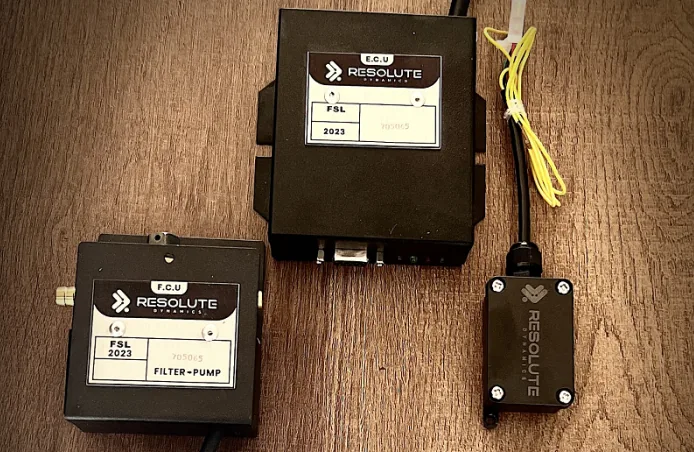
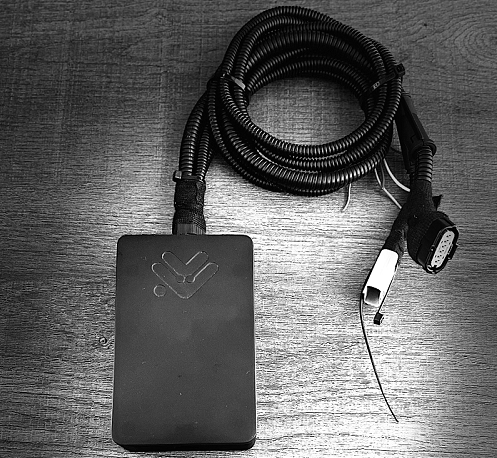
Here is a scenario that catches fleets out more often than it should. A truck runs safely and legally out of your Depot A for two years. Then operations reassigns it to Depot B in another region, and the day it arrives, it is quietly non-compliant. Nothing broke. Nobody touched the device. But the speed rules, the routes, and the paperwork that made it legal at Depot A do not automatically follow it to Depot B. The vehicle moved. Its compliance did not.
Moving a vehicle between depots is not just a logistics task, it is a compliance event, and treating it as one is what keeps a redeployed fleet legal. In this guide I will walk you through exactly what changes when a vehicle switches depots, what to check before and after the move, and how to make these transfers routine instead of risky. Get this right and reassigning a vehicle becomes a clean, documented handover rather than a hidden liability rolling around your network.
Why Moving a Vehicle Between Depots Is a Compliance Event
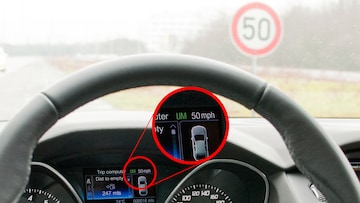
A depot transfer is a compliance event because the limiter’s settings, certification, and records were all built for the vehicle’s old location, and none of them update themselves when it moves. Everything that made the vehicle compliant was tied to where it used to operate.
Think about what a vehicle’s compliance is actually anchored to. Its governed speed was set for the roads and rules of its old depot. Its certification may be valid for one market and not another. Its compliance record sits under the oversight of the depot that commissioned it. Its route and zone profiles were mapped for its old operating area. When the vehicle relocates, every one of those anchors can come loose.
If the new depot sits in a stricter jurisdiction, or runs different route types, or answers to a different authority, the vehicle can be out of step the moment it arrives, with nobody realizing until an inspection or an incident exposes it. That silent gap between “it moved” and “we updated its compliance” is exactly the risk this process closes.
What Changes When a Vehicle Changes Depots

Four things can shift when a vehicle moves depots, and each one needs checking, because any of them can break compliance on its own. Knowing which changed tells you exactly what work the transfer requires.
Jurisdiction and legal speed limits
If the new depot is in a different state, province, or country, the mandated speed caps and the governing standards may differ. A limit that was correct at the old depot might now be too high, or the device may need to meet a different regulatory standard entirely. This is the biggest and most common source of transfer non-compliance.
Route and zone profiles
Every depot serves its own set of roads, customer sites, and speed zones. A vehicle moving to a new depot inherits a new map: different urban stretches, different highways, different geofenced areas around schools, terminals, and yards. Profiles tuned for the old area may no longer fit the new one.
Certification validity
A compliance certificate is often market-specific. A certificate that satisfies one authority may not be recognized by another, so a cross-region move can require fresh certification before the vehicle is legal to operate from its new base.
The compliance record’s ownership
The vehicle’s compliance record needs to move with it, at least in terms of oversight. The new depot’s managers now carry responsibility for keeping that vehicle compliant, so the record has to reflect the transfer and land where the right people can see and maintain it.
A Pre-Transfer Compliance Checklist
Handle the compliance side before the vehicle physically moves, not after it arrives, so it is legal from its first shift at the new depot. A little planning here prevents a scramble later.
Before the transfer, confirm the destination’s legal speed limits and regulatory standards, so you know whether the governed speed must change. Check whether the vehicle’s existing certification is valid in the new jurisdiction or whether new certification is needed. Decide whether the speed profile will require reconfiguration and flag whether a recalibration will follow. Prepare to hand over the vehicle’s compliance record to the receiving depot. Doing these checks in advance means the reconfiguration and paperwork can be ready to go the moment the vehicle lands, rather than the vehicle sitting idle or, worse, running non-compliant while someone works it out.
Reconfiguring the Speed Limiter for the New Depot

If the new depot’s rules or routes differ, the limiter’s speed profile must be reconfigured to match its new operating area. The device does not know it has moved, so the settings have to be updated deliberately.
On a platform that supports multiple profiles, this is often a central task rather than a physical one. Most modern systems let you build profiles by depot, region, or duty cycle and manage them from one dashboard, so you can reassign a vehicle to its new depot’s profile without touching the unit by hand. Where reconfiguration is deeper, or where a vehicle is effectively being redeployed to a very different role, the device may need hands-on reconfiguration through a diagnostic interface, much like fitting it to a new setup.
Our guide on calibrating and resetting a speed limiter covers that reconfiguration process, and the roundup of top fleet manager questions explains how depot and region profiles are managed centrally to make moves like this painless.
Verifying Calibration After Transfer
Whenever the configuration changes, verify calibration at the new depot rather than assuming the old settings still hold true. A profile change, a long relocation drive, or any work on the vehicle is reason enough to confirm the governed speed is still accurate.
Run a proper check: confirm the limiter engages at the correct new speed, do a road-test verification, and confirm the result sits within tolerance before the vehicle enters service. Skipping this because “it was fine last month” is how a reconfigured vehicle ends up limiting at the wrong speed, which frustrates drivers if it engages too early and exposes you to liability if it engages too late. Treat the post-transfer verification as a small, cheap insurance step that confirms the reconfiguration actually took.
Updating the Compliance Record and Certification
Log the transfer as an event in the vehicle’s compliance record, and refresh any certification the new jurisdiction requires. The move is part of the vehicle’s history and belongs in its file.
Record the reconfiguration, the recalibration result, any new seal numbers, and the change of depot, with the date and who performed the work, so the record tells the full story. If the vehicle crossed into a market that requires its own certification, obtain that certificate and add it to the file. The completeness and documentation practices in our post-installation speed limiter audit guide apply here too, since a transfer is effectively a re-commissioning at the new depot. A record that captures the move keeps the vehicle audit-ready under its new base rather than leaving a confusing gap where it seemed to vanish from one depot and appear at another.
Handling Cross-Border and Multi-Region Transfers
Cross-border moves are the strict case, where certification and documentation must satisfy each country the vehicle now operates in. Within one country, differences are usually about settings and routes. Across a border, the whole regulatory framework can change.
When a vehicle moves to another country, confirm the device meets that country’s standards, obtain the required national certification, and keep the documentation in the form that country’s inspectors expect. Different markets ask for different fields and formats, so standardized, per-country documentation saves a great deal of trouble, a point our global comparison of speed limiter laws and the installation and mandatory requirements guide both underline.
Keep printed copies of the new jurisdiction’s certificate with the vehicle, since roadside checks in the new country cannot access your central system. Plan cross-border transfers with more lead time than internal ones, because the certification step can take longer than a simple profile change.
Rebriefing Drivers at the New Depot
A transferred vehicle often means new speed caps and new routes, so brief the drivers who will use it at the new depot. The hardware change means nothing if the people driving it do not understand the new behavior.
Explain any change in the governed speed, walk through the new depot’s routes and speed zones, and make sure drivers know why the limits are what they are. A driver who understands that the vehicle now caps at a different speed, and why, adapts quickly, while one who is surprised by it on the road may assume the device is faulty. This short conversation closes the loop between a technical reconfiguration and the humans who have to work with it every day.
Using Central Fleet Management to Simplify Depot Moves
The easiest way to manage transfers is a central platform that handles depot and region profiles and flags compliance gaps automatically. Done well, reassigning a vehicle becomes a few clicks rather than a project.
A capable fleet management system lets you hold profiles per depot and region, reassign a vehicle to its new profile centrally, and run a compliance checker that cross-references local rules against your records and flags vehicles that are due or overdue. Geofence and depot-based alerts, like those described in our guide on smart telematics alerts for speed limiters, help the new depot confirm the vehicle is behaving correctly in its new zones. This central visibility is what turns depot moves from a manual, error-prone chore into a routine, trackable action, especially for fleets that shuffle vehicles between sites regularly.
A Vehicle Transfer Compliance Checklist
Use this whenever a vehicle changes depots. Each row is a step and what it involves.
| Step | Action |
|---|---|
| Check destination rules | Confirm legal caps and standards at the new depot |
| Confirm certification | Verify current cert is valid, or arrange a new one |
| Reconfigure profile | Update governed speed and zone profile for the new area |
| Verify calibration | Road-test and confirm tolerance after any change |
| Update the record | Log the transfer, recalibration, seals, and new depot |
| Rebrief drivers | Explain new caps, routes, and zones |
| Hand over oversight | Move record responsibility to the receiving depot |
Frequently Asked Questions
Does a speed limiter need reconfiguring when a vehicle changes depots?
It depends on whether the new depot’s speed rules and routes differ from the old one. If they do, the limiter’s governed speed and zone profile should be reconfigured to match the new operating area. On a central platform, this is often done by reassigning the vehicle to the new depot’s profile rather than touching the device by hand.
Do I need to recalibrate after moving a vehicle between depots?
Verify calibration whenever the configuration changes or after a long relocation drive. Confirm the limiter engages at the correct new speed with a road test and check it sits within tolerance before the vehicle returns to service. Do not assume the old calibration still holds after a reconfiguration.
What happens to certification when a vehicle moves to a new region?
Certification can be market-specific, so a move to a new region or country may require fresh certification recognized by that jurisdiction’s authority. Confirm whether the existing certificate is still valid, and if not, obtain the required one and add it to the vehicle’s compliance record before it operates from the new base.
How do I keep the compliance record accurate after a transfer?
Log the transfer as an event in the vehicle’s record, including any reconfiguration, recalibration result, new seal numbers, and the change of depot, with dates and who did the work. Then hand oversight of the record to the receiving depot so the right people maintain it going forward.
What if the vehicle moves to another country?
A cross-border move is the strict case. Confirm the device meets the new country’s standards, obtain that country’s certification, keep documentation in the format its inspectors expect, and carry printed copies of the new certificate with the vehicle. Allow extra lead time, because certification can take longer than an internal profile change.
Final Thoughts
A vehicle’s compliance is anchored to where it operates, so when you move it, you have to move its compliance too. Check the destination’s rules before the transfer, reconfigure and verify the limiter at the new depot, update the record and certification, brief the drivers, and lean on central fleet management to keep it all trackable. Handle a depot move this way and a reassigned vehicle is legal and documented from its very first shift at its new home, instead of rolling around your network as a compliance gap waiting to be found.

The Resolute Dynamics team designs and manufactures speed limiters (SLD), GPS tracking, and automotive safety systems used on 200,000+ vehicles across 20+ countries. We write about fleet compliance, road-safety regulation, and vehicle-safety technology, including Malaysia’s JPJ SLD mandate, UAE RTA rules, and global standards like UN R89, to help fleet operators and transport businesses stay safe and compliant.