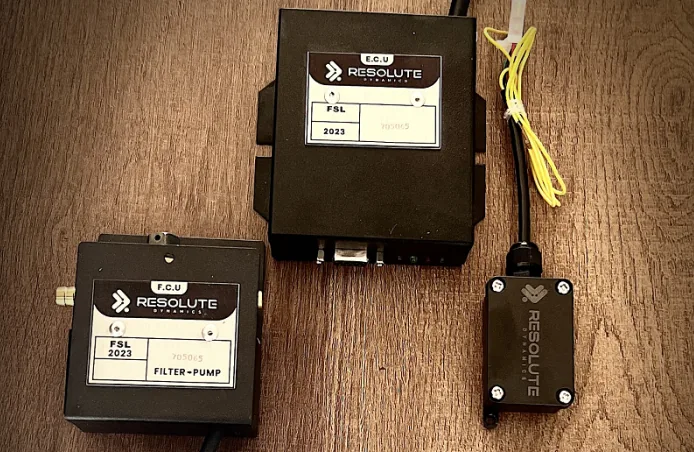
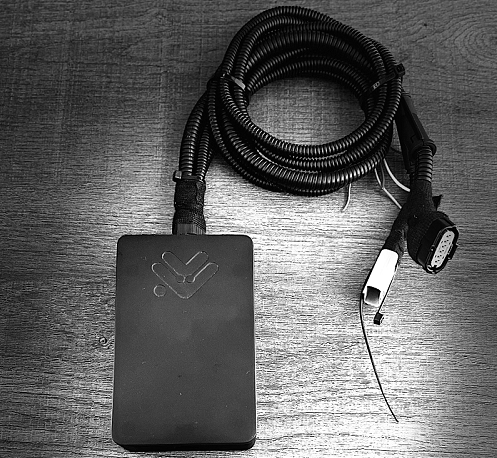
Rolling out speed limiters across a fleet that is all one make is easy. You solve the fitting once, then copy that solution onto every vehicle. But almost no real fleet looks like that. Most are a patchwork: a few Toyota pickups, some Isuzu trucks, a couple of Mercedes vans, an ageing Hino or two, maybe a Volvo tractor unit pulling a trailer. The moment your fleet is mixed, the deployment stops being copy-paste and starts being a project.
Here is the good news, and the theme of this whole guide: the speed number you want does not change from vehicle to vehicle. The way you reach that number does. Your policy, your caps, and your compliance goals stay identical across every badge on the bonnet. What changes is the plumbing underneath, the way each manufacturer’s engine talks to the limiter. Let me walk you through exactly what shifts in a mixed-OEM rollout, and how to plan it so the whole thing goes in clean.
Why a Mixed-OEM Fleet Is a Different Deployment Problem

A mixed-OEM fleet is harder to deploy because each manufacturer wires and speaks differently, so one fitting method will not cover them all. In a single-make fleet, you validate the install on one vehicle and repeat it. In a mixed fleet, you are really running several mini-deployments at once, one per make and sometimes per model year, each with its own quirks.
Think of the limiter as a translator that has to plug into the vehicle’s nervous system and negotiate control of the throttle. A newer drive-by-wire truck exposes that nervous system through a tidy digital port. An older fuel-injected unit needs a different, more physical approach. A specialist vehicle with extra body-builder wiring adds another layer on top. Same goal, three different conversations. Once you accept that the vehicle interface is where the complexity lives, the rest of the deployment plan falls into place around it.
What Actually Changes, and What Stays the Same
In a mixed-OEM rollout, your policy stays constant while your hardware approach flexes per vehicle. Separating these two things is the single most useful move you can make, because it stops you from over-complicating the parts that are actually simple. Here is the split.
| Dimension | Stays the same across OEMs | Changes per OEM |
|---|---|---|
| Speed policy and caps | Yes, identical target speeds | No |
| Compliance goals | Yes, same standards to meet | No |
| Driver rules and training | Yes, one set of rules | No |
| Vehicle interface | No | Yes: OBD-II, CAN, J1939, or proprietary |
| Wiring harness | No | Yes: model-specific harness needed |
| Calibration profile | No | Yes: per-make configuration |
| Install time per unit | No | Yes: varies with complexity |
| Warranty considerations | No | Yes: differs by manufacturer |
The left column is your standard. Set it once, apply it everywhere. The right column is your engineering effort, and it is what the rest of this guide helps you manage. When a fleet manager tells me a mixed rollout feels overwhelming, it is almost always because they are treating right-column problems as if they contaminate the left column. They do not. The number on the dashboard is the same on every truck. Only the path to it differs.
The Vehicle Interface Layer: Where OEMs Diverge

The interface layer is the point where the limiter connects to the engine, and it is the main thing that changes between makes. Get familiar with the handful of ways vehicles differ here, and you will be able to predict where a rollout gets fiddly before a technician ever picks up a tool.
Communication protocols
Modern vehicles talk over standardized digital languages, but not all speak the same one. Light commercial vehicles and vans usually offer a straightforward OBD-II port. Heavy-duty trucks commonly run J1939 over CAN bus, a protocol built for commercial and industrial engines. Some older or specialist vehicles use proprietary or only half-documented communication standards that the manufacturer never fully published.
Your limiter hardware has to match the protocol and message set the engine control unit actually uses, whether that is J1939, an ISO-based OBD format, or an OEM-specific setup. Mismatch the protocol and the device simply cannot read speed or command the throttle. Our guide on speed limiters, cruise control, and ECU interference digs into why confirming that protocol match before you plug in matters so much.
Drive-by-wire versus older fuel-injected engines
Vehicle age changes the whole method. A newer drive-by-wire vehicle uses an electronic throttle, so an electronic limiter can trim throttle response through the ECU smoothly and precisely. An older fuel-injected vehicle has no such digital throttle, so it needs a fuel-modulating governor that caps speed by controlling fuel flow instead. In a mixed fleet spanning several vehicle generations, you will often deploy both types side by side, which means two different device families in the same rollout.
Body-builder wiring on specialist vehicles
Specialist units complicate things further. Refuse trucks, tippers, tankers, buses, and utility vehicles frequently carry extra wiring added by a body builder after the chassis left the factory. That aftermarket layer can sit right where your limiter needs to connect, so these vehicles need extra care to avoid clashing with systems the base manufacturer never installed. Flag them early as your trickiest fits.
Building a Deployment Plan for Multiple Makes
A mixed-OEM rollout works best when you plan it make by make, then standardize the outcome. The structure below turns a chaotic-looking fleet into an orderly sequence of known jobs. Follow it and you replace surprises with a checklist.
Inventory and segment the fleet
Start by listing every vehicle and grouping them by make, model, year, and communication protocol. This inventory is the backbone of the whole plan. It tells you how many distinct interface problems you actually have, which is almost always fewer than the number of vehicles. Twenty vehicles might collapse into just four or five interface groups, and suddenly the project looks manageable.
Source model-specific harnesses and profiles
For each group, get the right connection kit. A good vendor supplies model-specific harnesses and configuration profiles, so your technicians are not improvising wiring on each chassis. This is the difference between a smooth rollout and a slow, error-prone one. The harness makes the physical connection reliable, and the profile pre-loads the correct settings for that make. Ask your supplier for these before install day, not during it.
Standardize the settings, not the hardware
Here is the discipline that keeps a mixed fleet sane: the hardware and harnesses vary, but the governed speed settings stay identical across every make. A truck limited to 80 km/h is limited to 80 whether it is a Hino or a MAN. You are letting the connection method flex while locking the safety outcome. That consistency is what makes your fleet auditable and your drivers treated fairly regardless of which vehicle they draw that day.
Pilot one vehicle per make first
Never mass-deploy onto an untested make. Fit one vehicle from each interface group, run it through a full test cycle, and confirm the limiter engages cleanly with no side effects before you scale. That single pilot per group surfaces the quirks cheaply, on one vehicle, instead of expensively, across thirty. Once a group’s pilot passes, the rest of that group becomes a repeatable job.
Calibration and Testing Across Makes
Calibration in a mixed fleet means a separate, verified profile for each make, not one blanket setting pushed to everything. The target speed is shared, but the way each ECU is configured to hold it is not, so testing has to be done properly on every interface group.
For each make, confirm compatibility before connecting, tie into the CAN bus exactly where the vehicle manual specifies, set the parameters carefully, and finish with a real test drive rather than assuming that no warning lights means success. A proper post-install check includes a diagnostic scan for hidden trouble codes and a look for any torque-limiting or cruise-control conflicts, because these can lurk silently until a serious moment exposes them.
Skipping this is how a driver ends up stranded in limp mode on a highway. Mixed fleets also need mobile, multi-brand diagnostic tools that work across manufacturers, and our breakdown of speed limiter calibration tools, frequency, and standards covers the kit built for exactly this multi-make reality. Plan on around two to four hours per vehicle for a clean install with testing, and expect at least annual recalibration after that.
Warranty, Tampering, and Records in a Mixed Fleet

Warranty and record-keeping get more complex across makes because each manufacturer has its own warranty terms and its own way of viewing modifications. Managing this well protects you from disputes that a single-make fleet would never face.
Use approved, compatible hardware for every make, and keep detailed install records for each vehicle, because if a dealer ever questions a fault, you usually need to show there is no link between the limiter and the failure. That evidence trail is your protection. Tampering control matters just as much: apply a consistent tamper-seal pattern per vehicle type and keep a tight seal log tied to each calibration certificate, so you can always prove when and by whom a seal was touched.
Above all, keep your fleet records current. The classic mixed-fleet failure is ending up with a yard full of trucks where nobody is quite sure which one is limited to what, which wrecks compliance checks and confuses drivers. Our post-installation speed limiter audit guide lays out the records that keep a multi-make fleet defensible.
Unify Reporting Behind One Dashboard
The goal of a mixed-OEM deployment is that the vehicles speak many protocols underneath but report through one dashboard on top. Your hardware may talk OBD-II on the vans and J1939 on the heavy trucks, but you should not have to check several systems to see your fleet. A well-integrated platform hides that complexity and gives you a single set of reports across every make.
That single pane of glass is what turns a mixed fleet from a management headache into a clear picture. You see over-speed events, engagement logs, and compliance status for the whole fleet in one place, regardless of what engine sits under each hood. Tying your limiters into your wider systems this way is covered in our guide on integrating speed limiters into fleet management, and it is the payoff that makes the extra deployment effort worthwhile. One fleet, one view, many badges.
How to Choose a Vendor for a Mixed-OEM Rollout
For a mixed fleet, pick a vendor built for multi-vehicle compatibility, not one that only knows a single make. This choice decides whether your rollout is smooth or a series of workarounds. The right partner turns a heterogeneous fleet into a routine job.
Look for a supplier whose hardware talks the full range of protocols your fleet uses, who provides model-specific harnesses and configuration profiles out of the box, who unifies everything behind one reporting platform, and who backs you with real support during the rollout. It also helps if they manufacture the devices and support the deployment end to end, from harness supply through driver training to the monitoring dashboard. Our speed limiter selection guide for vehicles helps you match devices to a varied fleet, and insisting on professional installation keeps every fitting, across every make, to the same standard.
Frequently Asked Questions
Does one speed limiter work on all vehicle makes?
Not as a single universal box. The governed speed is the same across makes, but each manufacturer uses different communication protocols and wiring, so you need the right device type and a model-specific harness for each vehicle group. A good vendor supplies hardware and profiles that cover your full range of makes.
What changes when deploying across different OEMs?
Your speed policy, caps, and compliance goals stay the same. What changes per make is the vehicle interface (OBD-II, CAN, J1939, or proprietary), the wiring harness, the calibration profile, the install time, and the warranty considerations. In short, the target stays constant while the connection method flexes.
How long does a mixed-fleet rollout take?
Plan on roughly two to four hours per vehicle for a clean install with proper testing. With good scheduling, a trained crew, and one pilot per make done first, a hundred-vehicle mixed rollout often wraps in about two to three weeks.
Will a speed limiter void my OEM warranty?
A professionally installed, approved limiter should not void your warranty, but terms differ by manufacturer. To stay protected, use compatible hardware, follow OEM-safe install practices, and keep detailed records, so if a fault is ever queried you can show it is unrelated to the device.
Can I see all makes in one dashboard?
Yes. Although the vehicles use different protocols underneath, a well-integrated platform consolidates them into one dashboard, so you get a single set of reports and compliance views across your entire mixed fleet.
Final Thoughts
A mixed-OEM fleet is not a harder safety problem, it is a harder plumbing problem, and plumbing problems are solvable with a plan. Keep your speed policy fixed and universal, then let the hardware, harnesses, and calibration profiles flex to each make underneath it. Inventory your fleet by interface, pilot one of each make, standardize the settings, and unify the reporting. Do that, and a yard full of different badges behaves like one fleet: consistently limited, fully documented, and visible in a single view. The variety under the hood stops being a headache and becomes just another detail your deployment already accounted for.

The Resolute Dynamics team designs and manufactures speed limiters (SLD), GPS tracking, and automotive safety systems used on 200,000+ vehicles across 20+ countries. We write about fleet compliance, road-safety regulation, and vehicle-safety technology, including Malaysia’s JPJ SLD mandate, UAE RTA rules, and global standards like UN R89, to help fleet operators and transport businesses stay safe and compliant.