Resolute Dynamics · Kuantan and East Coast Pahang
JPJ speed limiter fitting for Kuantan port, plant and East Coast fleets
Schedule SLD fitting for your Kuantan fleet around the port and plant calendar, not the last free Puspakom slot. Kuantan Port handled about 25 million tonnes of cargo in 2024, half its 50-million-tonne capacity, and the ECRL could start running as early as December 2026. Lorries on the East Coast Expressway, the Gebeng industrial roads and the port approach stay inside JPJ SLD enforcement either way.
Verified against the Motor Vehicles (SLD) Rules 2002, UN R89 aligned. Enforcement updates from BERNAMA, ECRL start date, and Puspakom-ready paperwork.
Rail is coming to Kuantan. The lorry rules are not changing. The ECRL may start operations as early as December 2026. JPJ SLD enforcement on public roads carries on regardless.
Plan your fittingKuantan freight
Where Kuantan freight is heading, and why the lorries still matter
Kuantan is the East Coast freight gateway. Growth at Kuantan Port is being driven by Alliance Steel and the ECRL, and the Gebeng industrial area, including the Malaysia-China Kuantan Industrial Park, keeps steel and industrial lorries on the road every day. Rail will take some long-distance cargo, but every tonne still moves by lorry between yards, plants and the port gate.
Kuantan Port capacity, double the cargo it handled in 2024.
Puspakom renewal cycle, unchanged by the rail line.
GVW above which every port, plant and estate lorry needs an SLD.
Sources: The Star (Kuantan Port), Malay Mail (ECRL), The Star (ECRL start). Verified September 2026.
Road and rail
What the ECRL changes for a Kuantan road fleet, and what it does not
The ECRL adds a rail option for long-distance cargo. It does not change any rule that applies to a lorry on a public road.

Today
Road-led freight
- Main corridor: East Coast Expressway and federal roads
- Speed cap: 90 km/h under the JPJ SLD rules
- Check: Puspakom verification every 2 years
- Risk: Notis Siasatan under Section 114
From December 2026 at the earliest
Road plus rail
- Rail: 665 km ECRL line, freight trains at up to 80 km/h
- Opening: as early as December 2026, subject to safety tests
- Lorries: still carry cargo between yards, plants, rail terminals and the port gate
- SLD rule: unchanged for every lorry on a public road
Fitting now covers the lorries you run today and every lorry that will feed the rail terminals later. The biennial Puspakom cycle carries on either way.
The East Coast Expressway near Kuantan at dawn.
Sources: Malay Mail (ECRL), The Star (ECRL start). Verified September 2026.
Where we fit
Kuantan areas we cover, and the work lorries do there
We fit at your depot, yard or plant gate across Kuantan and East Coast Pahang.
| Area | Typical lorry work |
|---|---|
| Kuantan Port and Tanjung Gelang | Container and bulk port haulage |
| Gebeng industrial area and MCKIP | Steel and industrial haulage |
| Kuantan city, Air Putih, Semambu, Indera Mahkota | Distribution and delivery |
| Beserah, Balok, Sungai Karang | Coastal distribution north of the city |
| Gambang | Depots near the East Coast Expressway |
| Pekan and Kemaman, by arrangement | Longer-range fleets |
Commercial inspection for Kuantan fleets is at Puspakom Kuantan. National rules: JPJ speed limiter guide for Malaysia.
Why fleets move now
Why Kuantan fleet managers are not waiting for the rail

The postponed date applies to the Phase 3 retrofit only. Phase 1 has applied to post-2015 vehicles since 1 October 2025, Phase 2 to older vehicles since 1 January 2026, and a missing device can still draw a Notis Siasatan.
Ask for a fleet audit →An estate lorry that spends most of its shift on plantation roads is still a goods vehicle on a public road between the estate, the mill and the port. Over 3,500 kg, it needs a working SLD on that leg.
Check your estate fleet →Our installers fit prime movers and tippers at Kuantan Port, Gebeng and Semambu yards between shifts, sealed at 90 km/h with the paperwork ready.
Book a yard visit →Each lorry leaves with its SLD Functionality Verification Certificate and Laporan Kefungsian SLD prepared, ready for Puspakom Kuantan.
Ask about the paperwork pack →Resolute Dynamics builds what it fits, so port, industrial and estate lorries share one configuration and one renewal contact.
Get a fleet-scale price →The hardware
Four devices, one sealed 90 km/h cap
Each device is built by Resolute Dynamics and sealed at fitting. Pick by vehicle, not by brochure.
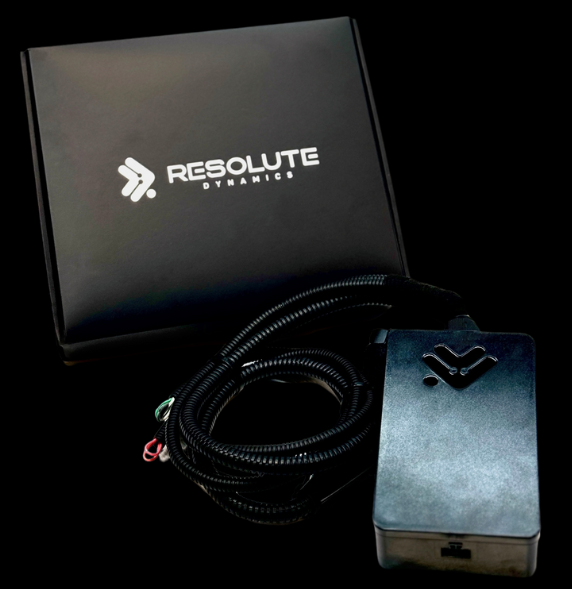
Electronic Speed Limiter
Standard fit for port and Gebeng haulage on public roads.
Port and industrial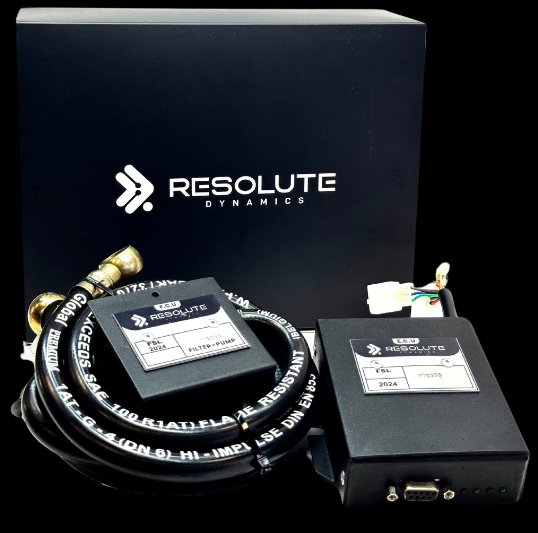
Fuel Type Speed Limiter
Limits fuel delivery rather than the throttle, a good match for ageing diesel lorries on estate and coastal routes.
Older diesel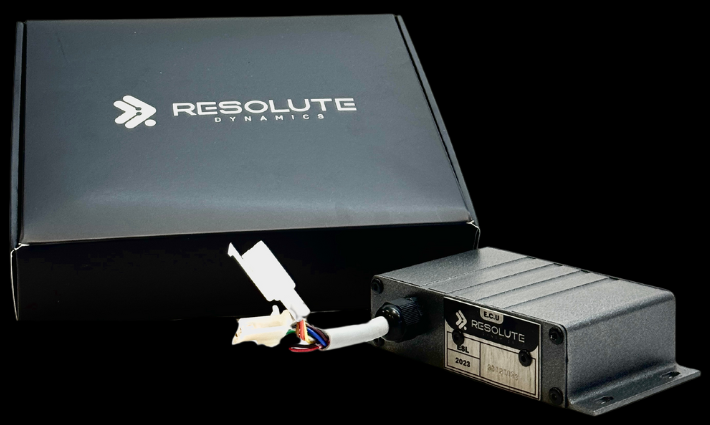
Dual & Multi-Speed Limiter
Separate GPS-geofenced profiles for estate roads, yards and public roads.
Estate and yard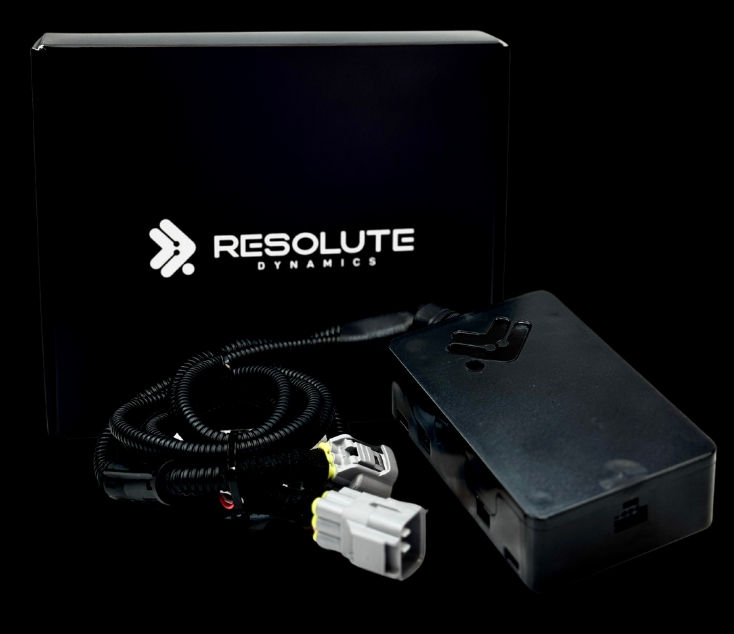
RPM Regulator
Caps engine revolutions on high-mileage lorries running the East Coast Expressway.
Long haulThe rules
Kuantan SLD compliance checklist
What every Kuantan lorry over 3,500 kg needs, and what the ECRL does not change.
| Requirement | Detail |
|---|---|
| Top speed | 90 km/h |
| Covered vehicles | Goods vehicles over 3,500 kg GVW; passenger vehicles over 5,000 kg GVW carrying more than 8 passengers |
| Standard | UN R89 |
| In the cab | SLD Functionality Verification Certificate and Laporan Kefungsian SLD |
| Renewal | Every 2 years at Puspakom |
| Timeline | Phase 1 (post-2015 vehicles) from 1 Oct 2025; Phase 2 (pre-2015 vehicles) from 1 Jan 2026; Phase 3 retrofit, due 1 Jul 2026, postponed with a new date to be announced by JPJ |
| Nearest inspection | Puspakom Kuantan |
| Effect of the ECRL | None: the rail line does not alter road SLD rules |
National detail and vehicle categories: JPJ speed limiter guide for Malaysia.
How it works
How a Kuantan fleet gets verified
Send the fleet list
Registration numbers, vehicle types and which depot each lorry works from.
We fit around your schedule
Fitting at Kuantan Port, Gebeng or your own yard, set to 90 km/h and sealed.
Verify at Puspakom Kuantan
The certificate and Laporan Kefungsian SLD stay in the cab.
FAQ
Kuantan SLD questions
Will the ECRL change the SLD rules for Kuantan lorries?
No. The ECRL is a rail line, and it does not change the JPJ SLD rules for lorries on public roads. Lorries that feed the port, plants or future rail terminals still need a working, verified SLD.
Which Puspakom branch verifies SLDs for Kuantan fleets?
Puspakom Kuantan. We prepare the SLD paperwork at fitting so the inspection slot is spent on verification.
Are Kuantan Port and Gebeng haulage lorries covered?
Yes. Prime movers, bulk tankers and steel haulers serving Kuantan Port and the Gebeng industrial area are goods vehicles over 3,500 kg, so they fall inside the JPJ SLD rules.
Do estate lorries that mostly run on plantation roads need an SLD?
If they are over 3,500 kg GVW and use public roads, yes. Plantation roads follow the estate's own rules, but the JPJ rule applies on the public-road leg to the mill or port.
When does enforcement apply to existing Kuantan vehicles?
Enforcement began on 1 October 2025 for vehicles registered after 1 January 2015 and on 1 January 2026 for older ones. Phase 3 retrofit was the only step postponed.
Related Malaysian coverage
Kuantan is one part of the national rollout. These pages cover the national rules and the cities East Coast lorries run to.
Get a Kuantan fleet SLD quote
Tell us about your port, industrial or estate lorries and where they are based. We reply the same working day.