Resolute Dynamics · Kota Kinabalu and Sabah
JPJ speed limiter fitting for Kota Kinabalu and Sabah fleets
Commission SLDs across your Kota Kinabalu fleet before the new Pan Borneo Sabah packages open. Nine Phase 1A packages are due to open in 2026, including PK7 Inanam-Sepanggar and PK8 Sepanggar-Berungis, on the same corridor as Sapangar Bay Container Port, which handled 362,449 TEUs in 2024. Phase 1 and Phase 2 enforcement is active across Sabah.
Verified against the Motor Vehicles (SLD) Rules 2002, UN R89 aligned. Enforcement updates from BERNAMA, Pan Borneo Sabah 2026 packages, and Puspakom-ready paperwork.
Sabah freight
Why the Kota Kinabalu freight corridor is about to get busier
Sapangar Bay Container Port, north of the city, handled 362,449 TEUs in 2024, and an RM900 million expansion is set to lift capacity from 500,000 to 1.25 million TEUs. New Pan Borneo Sabah packages are opening on the roads that feed it. More containers and better roads mean more heavy lorries, and each of them needs a working SLD.
Sapangar Bay expansion budget.
Container capacity in TEUs before the expansion.
Expansion progress reported in March 2025.
Sources: Suria Group, Sabah Ports Authority, Malay Mail (Pan Borneo Sabah). Verified September 2026.
Pan Borneo Sabah
Pan Borneo Sabah Phase 1A: where the new roads open
Phase 1A has 15 work packages. Four were finished between 2023 and 2025, and nine are due to open in 2026, including two on the Sepanggar corridor.
2023 to 2025
Packages finished
The first Phase 1A packages are already carrying traffic.
Opening this year
Packages due
PK7 Inanam-Sepanggar and PK8 Sepanggar-Berungis sit on the road network around Sapangar Bay.
Phase 1 overall
Full programme
Phase 1 of Pan Borneo Sabah covers 706 km of highway, delivered in 35 packages.
Sources: Malay Mail (Pan Borneo Sabah), Sabah Ports Authority. Verified September 2026.
Where we fit
Kota Kinabalu areas we cover
We fit and seal at your depot across greater Kota Kinabalu, with longer-range fleets by arrangement.
Sepanggar and Inanam corridor
- Sepanggar
- Menggatal
- Inanam
- Telipok
- Tuaran
City and south
- Kota Kinabalu city
- Api-Api and Likas
- Luyang
- Penampang
- Putatan and Kepayan
- Papar
By arrangement
- Beaufort
- Kudat
- Sandakan
- Lahad Datu
- Tawau
Nearest commercial inspection: Puspakom Kota Kinabalu, Lot 4, Jalan Limau Manis, off Jalan Lintas, Inanam. National rules: JPJ speed limiter guide for Malaysia.
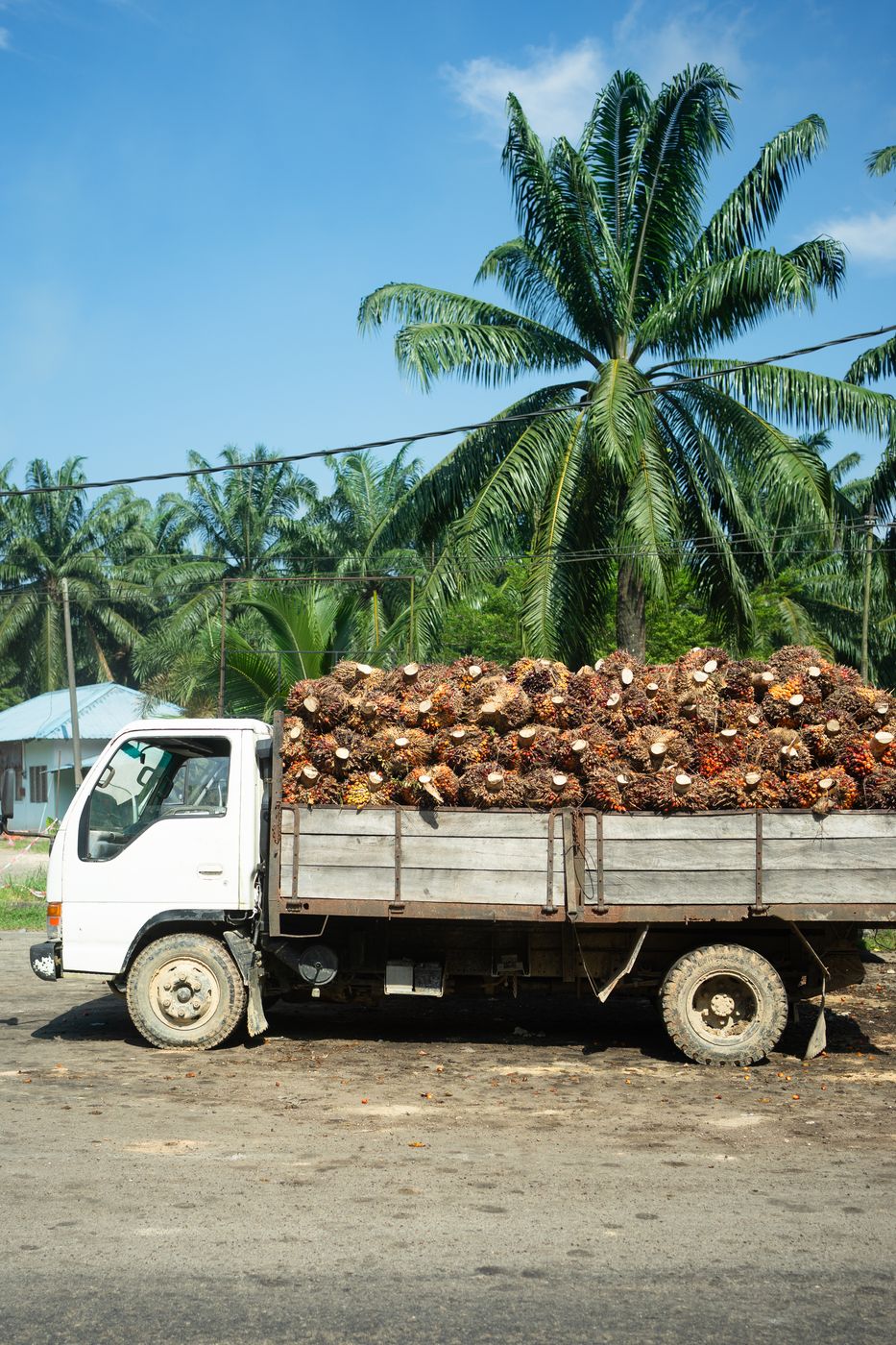
Estate lorries
Estate lorries: the SLD rule follows the lorry onto the public road
Sabah's palm oil lorries spend much of their day on estate roads, where site rules apply. The moment a loaded lorry turns onto a public road towards the mill, the port or the Pan Borneo, it is a goods vehicle under the JPJ SLD rules.
A single Electronic Speed Limiter covers most estate lorries. For fleets that also want a lower limit on estate roads, a Multi-Speed Limiter holds a separate GPS-geofenced profile for the estate.
The hardware
Devices for Kota Kinabalu fleets
Built by Resolute Dynamics, sealed at 90 km/h and handed over with paperwork for Puspakom Inanam.
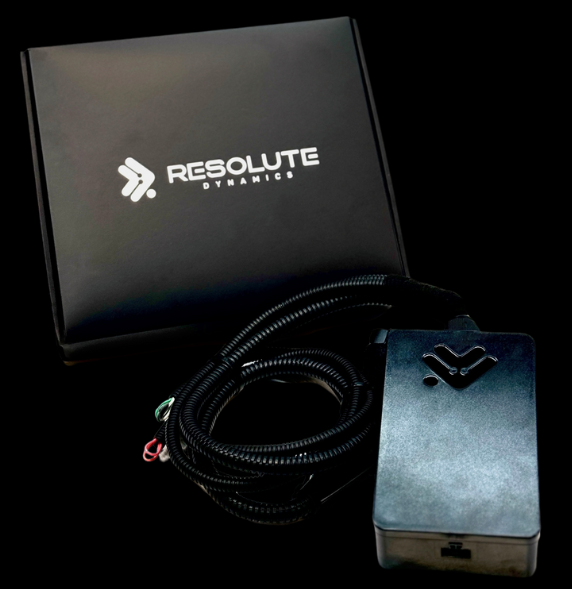
Electronic Speed Limiter
The standard fit for Sepanggar container haulers and Sabah estate lorries on public roads.
Port and estate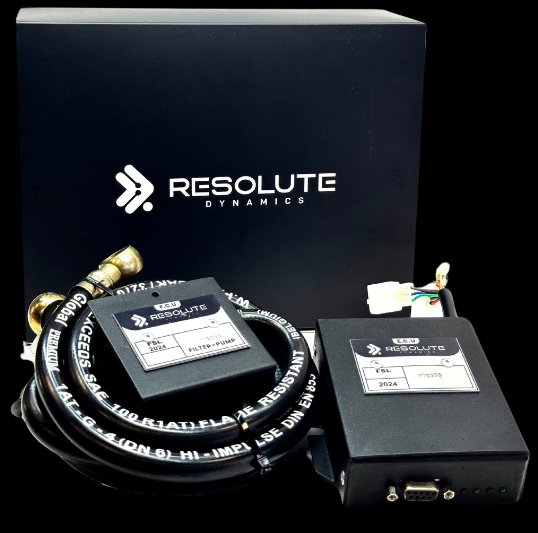
Fuel Type Speed Limiter
Holds speed by metering fuel, for older diesel lorries working the city and southern depots.
Older diesel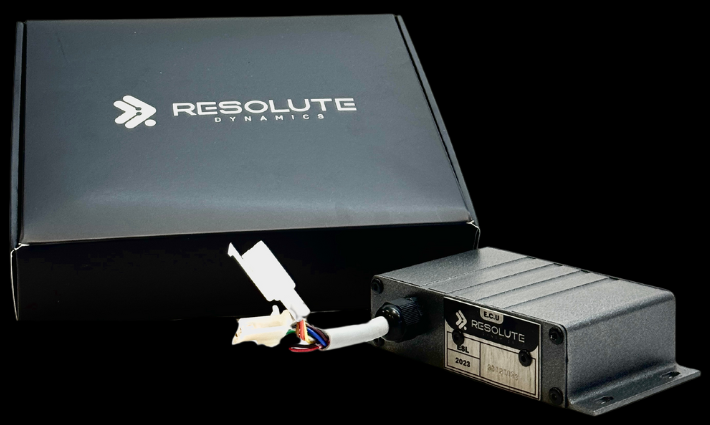
Dual & Multi-Speed Limiter
A separate GPS-geofenced profile for estate roads, alongside the 90 km/h public-road cap.
Estate roads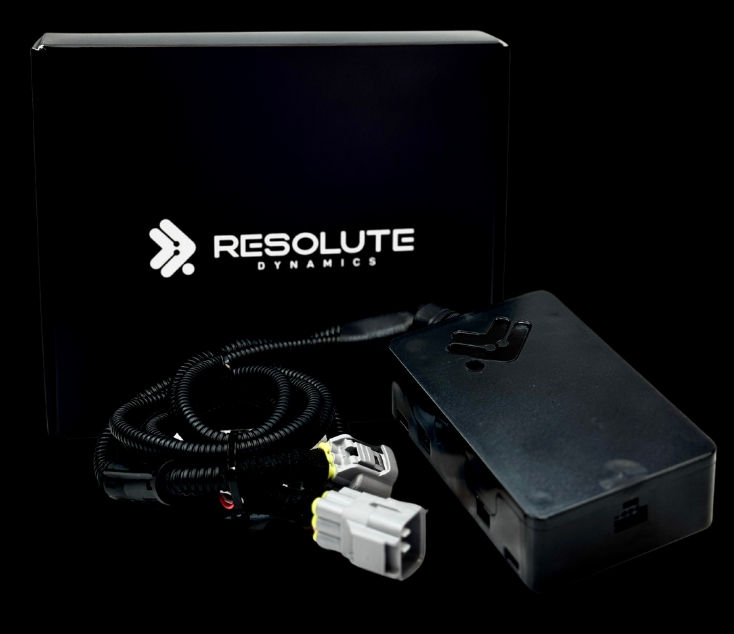
RPM Regulator
Caps engine revolutions on lorries covering long Pan Borneo Sabah runs.
Long runsWhy fleets move now
Why Kota Kinabalu fleet managers fit before the new roads open

PK7 and PK8 around Sepanggar change the route, not the requirement. Every lorry over 3,500 kg on them needs a working SLD from the day they open.
Check which lorries need a device →Phase 1 has covered post-2015 vehicles since 1 October 2025 and Phase 2 older vehicles since 1 January 2026. Only the Phase 3 retrofit date was postponed, and a Notis Siasatan can still be issued today.
Ask for a fleet audit →We fit prime movers at Sepanggar and Inanam yards between shifts, sealed at 90 km/h with the paperwork ready.
Book a port-yard fitting →The SLD Functionality Verification Certificate and Laporan Kefungsian SLD are prepared at fitting, so the Puspakom Kota Kinabalu slot in Inanam is spent on verification.
Ask about the paperwork pack →Resolute Dynamics builds the devices it installs, so port, estate and city lorries in Sabah share one configuration and one point of contact.
Get a fleet-scale price →Why Sabah operators should fit before a new Phase 3 date is set
The Ministry of Transport postponed the Phase 3 retrofit deadline of 1 July 2026, but Phase 1 and Phase 2 are in force now. JPJ checks SLD function on goods vehicles over 3,500 kg and larger passenger vehicles, and a missing or faulty device can mean a Notis Siasatan under Section 114. With new Pan Borneo Sabah packages opening this year, fitting now keeps your lorries ready for the roads and the checks.
The rules
Kota Kinabalu SLD rules at a glance
National JPJ rules, with the local inspection details for Kota Kinabalu.
| Requirement | Detail |
|---|---|
| Speed cap | 90 km/h |
| Vehicles covered | Goods vehicles over 3,500 kg GVW; passenger vehicles over 5,000 kg GVW carrying more than 8 passengers |
| Standard | UN R89 |
| Keep in the cab | SLD Functionality Verification Certificate and Laporan Kefungsian SLD |
| Renewal | Every 2 years at Puspakom |
| Timeline | Phase 1 (post-2015 vehicles) from 1 Oct 2025; Phase 2 (pre-2015 vehicles) from 1 Jan 2026; Phase 3 retrofit, due 1 Jul 2026, postponed with a new date to be announced by JPJ |
| Local inspection | Puspakom Kota Kinabalu, Lot 4, Jalan Limau Manis, off Jalan Lintas, Inanam |
For vehicle categories and the national rollout, see the JPJ speed limiter guide for Malaysia.
How it works
Three steps to a verified Kota Kinabalu fleet
Send your fleet list
Registrations, vehicle types, and whether each lorry works the port, estates or the city.
Fitted at your depot
Sepanggar, Inanam, Penampang or your own yard. Sealed at 90 km/h.
Verify at Puspakom Inanam
The certificate and Laporan Kefungsian SLD stay in the cab.
FAQ
Kota Kinabalu SLD questions
Puspakom Kota Kinabalu, at Lot 4, Jalan Limau Manis, off Jalan Lintas, Inanam. We prepare the SLD paperwork at fitting so the slot is spent on verification.
No. PK7 Inanam-Sepanggar, PK8 Sepanggar-Berungis and the other packages opening in 2026 change the roads, not the rule. Lorries over 3,500 kg on them need a working SLD.
Yes. Prime movers hauling containers from Sapangar Bay Container Port are goods vehicles over 3,500 kg, so they fall inside the JPJ SLD rules.
If they are over 3,500 kg GVW and use public roads, yes. Estate roads follow the estate's own rules, but the JPJ rule applies once the lorry is on a public road.
Across Sabah, vehicles registered after 1 January 2015 have been enforced since 1 October 2025 and older vehicles since 1 January 2026. Phase 3 retrofit was the step that was postponed.
Other Malaysian coverage
Kota Kinabalu is one part of the national rollout. These pages cover the national rules and the rest of Borneo.
Get a Kota Kinabalu fleet SLD quote
Tell us about your port, estate or city lorries and where they are based. We reply the same working day.