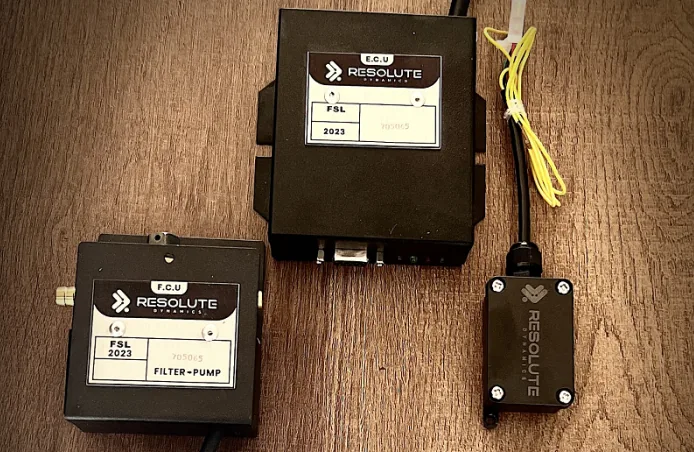
Here is the mistake I see fleet managers make again and again: they buy the speed limiters first and think about the speed policy second. It should be the other way around. A speed limiter is only an enforcement tool. It obeys whatever number you feed it. If that number is guessed, borrowed from another fleet, or set to whatever the installer suggests on the day, you end up recalibrating vehicles, fielding driver complaints, and wondering why the device you paid for is not delivering.
So before a single unit gets fitted, you need a written speed policy that says what each vehicle may do, on which roads, and why. Get that right and the hardware just enforces good decisions you already made. Let me walk you through how to build that policy, step by step, so your installation goes in clean and your fleet actually gets safer.
Why the Policy Has to Come Before the Hardware

A speed policy has to come first because the limiter enforces a decision, it does not make one. The device is the muscle. The policy is the brain. Fit the muscle without the brain, and you are left setting critical safety numbers under time pressure while a technician waits with a laptop, which is exactly when bad calls get made.
Doing it in the right order saves you real money and friction. When the policy is settled first, the installer receives a clear specification: this vehicle class gets this cap, that route gets a zoned profile, these units need multi-speed logic. Calibration happens once, correctly, instead of three times after complaints roll in. Drivers hear the reasoning before the restriction appears, so they arrive at day one already knowing what is changing and why.
And when a regulator, insurer, or board member asks how your speed limits were chosen, you have a documented answer instead of a shrug. The policy is what turns a box of hardware into a defensible safety system.
Start With the Data: Know Your Fleet Before You Set a Number

You cannot set a sensible speed cap until you understand what you are capping. Good policy starts with three data pulls: your vehicles, your routes, and your history. Skip this groundwork and every number you pick is a guess dressed up as a rule.
Map your vehicle types
Every vehicle class carries a different risk profile, so each one earns its own thinking. A fully loaded articulated truck behaves nothing like a light delivery van, and neither drives like a 4×4 crossing a work site. Weight, center of gravity, braking distance, and cargo type all change the speed at which a vehicle stops being safe. List every class in your fleet and note what makes each one distinct. A tanker with a high, sloshing load needs a more conservative ceiling than a flatbed carrying sealed pallets, even on the same road.
Map your routes and road types
Next, look at where these vehicles actually go. Break your operation into road types: motorways and highways, dense urban streets, residential and school zones, unpaved or off-road stretches, and controlled areas like depots, ports, or plant sites. Most fleets run a mix, and that mix is the single biggest clue about whether you need one fixed cap or a zoned, multi-speed approach. A vehicle that only ever runs a highway corridor is simple. One that threads from a warehouse through a town center to a site gate is not.
Pull your incident and telematics history
Finally, let your own records speak. If you already run GPS or telematics, mine it for over-speed events, harsh braking, and the specific locations where risky driving clusters. Cross-reference that with your accident and near-miss log. Patterns jump out fast: a particular bend, a shift-change rush, a route where drivers habitually push. This history tells you where your policy needs to bite hardest, and it gives you a baseline to measure against once the limiters are live.
Set Speed Caps by Vehicle and Road Type
The core of your policy is a speed matrix: a clear grid of which vehicle may do what speed on which road. This is where the abstract goal of “drive safely” becomes a set of hard numbers a device can enforce. Build it deliberately, because these figures become your calibration settings.
Match the cap to the vehicle
Set the ceiling to the vehicle’s real-world limits, not the road’s legal maximum. A heavy, high-load truck may be legally allowed 90 km/h on a highway yet be far safer held to 80, given its stopping distance and rollover risk. Lighter, more stable vehicles can sit closer to the legal limit. The rule of thumb is simple: the heavier, taller, or more hazardous the load, the more margin you build in below the legal cap.
Match the cap to the road
Then layer the road on top. A single vehicle should not carry one blanket speed across wildly different environments. The same van that runs 90 on the motorway needs to be crawling through a residential zone. Your matrix should pair each vehicle class with each road type it uses and assign a sensible cap to that combination. This is the detail that separates a thoughtful policy from a lazy one.
Decide fixed, dual, or multi-speed caps
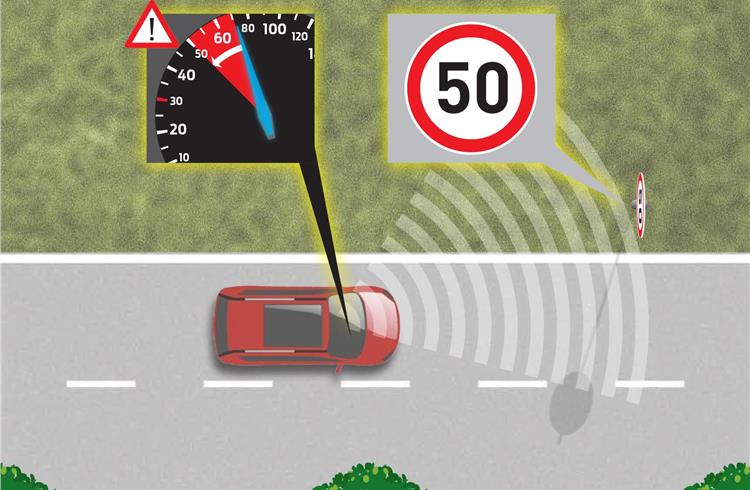
Now the matrix tells you which device logic you need. If a vehicle only ever sees one road type, a single fixed cap is fine. If it moves between zones, you want a Dual Speed Limiter and Multi Speed Limiter that holds a low speed in town and releases a higher one on open road, ideally triggered automatically by location. Deciding this now, on paper, means you order and install the right device the first time.
| Vehicle class | Typical road mix | Cap logic to specify |
|---|---|---|
| Heavy / articulated truck | Highway plus depot | Fixed low highway cap, crawl in yard |
| Tanker / hazardous load | Highway plus urban | Conservative fixed or dual, extra margin |
| Delivery van | Urban plus residential | Dual or zoned, low residential cap |
| 4×4 / site vehicle | Off-road plus site | Dual, terrain-based switching |
| Bus / passenger | Mixed urban and highway | Multi-speed with zone triggers |
These are structural examples of how to think about the matrix, not fixed numbers. Your actual caps come from your own vehicles, roads, and local law.
Align the Policy With Local Law and Compliance
Your speed policy must meet or beat the legal minimum in every market you operate in, never fall below it. Local mandates set the floor, and your safety judgment sets how far above that floor you choose to sit. Getting this wrong is not just unsafe, it can void compliance and expose you to fines.
Speed-limiting rules vary widely, so map the ones that apply to you before finalizing any number. In the GCC, devices and settings follow GSO standards, with authorities like the UAE’s RTA enforcing mandated caps for commercial vehicles. India ties governors to AIS 018 certification with type-specific limits. Malaysia enforces through JPJ, Singapore through the LTA, and Kenya through NTSA. In North America, rules differ by state and province, and intelligent speed assistance is spreading through Europe.
If your fleet crosses borders, your policy needs a line for each jurisdiction, because a cap that is legal in one country may be non-compliant next door. For a wider view of how these rules differ, our Global Comparison of Speed Limiter Laws lays them out side by side, and the Speed Limiter Installation and Mandatory Requirements guide covers what fitting a compliant system involves.
Document the legal basis for every cap you set. When you can show that a limit meets a named regulation, your policy becomes audit-ready, and that paper trail protects the organization if a crash or inspection ever puts your decisions under the microscope.
Build the Human Side of the Policy
A speed policy lives or dies on driver acceptance, so the people side matters as much as the numbers. A rule that drivers resent gets worked around, and a limiter that drivers distrust gets tampered with. Bring your team in before the hardware arrives, not after.
Involve drivers early
Talk to your drivers while the policy is still taking shape. They know the roads, the pinch points, and the places where a badly chosen cap would make the job harder or, ironically, less safe. Folding their input in does two things: it produces smarter limits, and it turns the policy from something done to them into something built with them. Drivers who helped shape the rule are far less likely to fight it.
Write clear rules and consequences
Put the policy in plain language. State the speed limits, explain why they exist, and set out what happens when they are ignored, including how repeated over-speeding will be handled. Clarity here prevents the “I didn’t know” defense and gives supervisors a consistent, fair basis for coaching. Vague policies breed disputes; specific ones settle them.
Plan training and communication
Do not let the first a driver hears of the policy be the moment their pedal stops responding. Schedule a briefing before installation that explains the change, the safety reasoning, and how the device will feel to drive. A short, honest conversation defuses the fear that a limiter is about surveillance or distrust, and reframes it as protection. Drivers who understand the “why” adapt in days; drivers ambushed by it stew for months.
Define How You Will Measure and Enforce
A policy you cannot measure is a wish, so decide how you will track compliance before you install anything. The limiter caps speed, but the data around it tells you whether the whole program is working. Set your metrics and your review rhythm up front.
Pick a handful of clear indicators and watch them: over-speed attempts, harsh braking and cornering events, per-driver compliance rates, and the trend in near-misses. Pairing your limiters with telematics or an in-vehicle monitoring system turns these into a live scorecard, and tools like smart alerts and telematics-linked speed limiters flag problems as they happen rather than weeks later. Decide who reviews the data, how often, and what triggers a coaching conversation.
A monthly review with a named owner keeps the policy alive; data that nobody reads lets it quietly rot. Build the enforcement loop now, and installation day becomes the start of a managed system, not the end of a project.
Turn the Policy Into Installation Specs
Once the policy is signed off, translate it into a specification sheet the installer can program directly. This is the handover that makes everything upstream pay off. Instead of deciding caps on the fly, your technician receives exact settings and fits each vehicle right the first time.
Your spec sheet should state, for each vehicle or class: the speed caps, whether the device is fixed, dual, or multi-speed, any geofenced zones and their triggers, and the telematics integration required. That document also confirms which device you actually need, so device selection follows policy rather than guesswork.
Our Speed Limiter Selection Guide for Vehicles helps match hardware to your matrix, and insisting on professional speed limiter installation ensures the calibration and tamper-proof sealing hold up to inspection. Hand a clear spec to a qualified installer and the fitting is fast, accurate, and audit-ready.
Review and Update the Policy Over Time
A speed policy is a living document, so plan to review it on a fixed schedule, not just when something goes wrong. Roads change, regulations shift, your fleet grows, and new routes open. A policy set once and forgotten slowly drifts out of step with reality.
Tie policy reviews to your calibration cycle so the two move together. Many markets require periodic recalibration anyway, and our guide on how often speed governors should be calibrated covers those intervals. Use each review to re-check your caps against current law, fresh telematics data, and any incidents since the last cycle. If a regulation tightens or a new depot opens on a fast road, update the matrix and push the revised settings to the affected vehicles. A policy that evolves with your operation keeps protecting your drivers year after year, long after the hardware is bolted in.
Frequently Asked Questions
Should I set a speed policy before or after installing limiters?
Set the speed policy before installation, always. The limiter simply enforces the numbers you give it, so those numbers need to be decided, documented, and agreed first. Installing hardware before the policy leads to wrong caps, repeated recalibration, and driver pushback that a little upfront planning would have avoided.
What speed should I set for my trucks?
Set truck caps based on the vehicle’s weight, load, and braking distance, then keep them at or below the legal limit for each road type. A heavy or high-load truck is usually safest held a margin below the legal maximum, while the exact figure depends on your routes and local regulations. Use your telematics and incident history to fine-tune it.
How do I get drivers to accept a speed policy?
Involve drivers while you are writing the policy, explain the safety reasons clearly, and brief them before installation rather than after. Drivers who understand why a limit exists, and who helped shape it, accept it far more readily than those who discover it only when the pedal stops responding.
Does my speed policy have to match the legal limit?
Your policy must never exceed the legal limit, but it can and often should sit below it. Legal caps are a floor, not a target. For heavy vehicles, hazardous loads, or high-risk roads, setting a lower ceiling than the law requires is a sound safety and duty-of-care decision.
How often should I review my fleet speed policy?
Review your speed policy at least once a year, and again whenever regulations change, new routes open, or your fleet composition shifts. Tying the review to your recalibration schedule keeps the policy and the hardware settings aligned, so both stay accurate and compliant over time.
Final Thoughts
The best fleet safety programs are not built at the installer’s bench. They are built in the planning room, before a single limiter is fitted, when you decide what safe driving actually means for your vehicles, your roads, and your people. A clear, data-backed, legally-aligned speed policy is what makes the hardware worth buying. Do that work first, hand your installer a clean specification, and the device does exactly what you hoped: it turns a good decision into a rule that holds on every road, every shift, without fail.

The Resolute Dynamics team designs and manufactures speed limiters (SLD), GPS tracking, and automotive safety systems used on 200,000+ vehicles across 20+ countries. We write about fleet compliance, road-safety regulation, and vehicle-safety technology, including Malaysia’s JPJ SLD mandate, UAE RTA rules, and global standards like UN R89, to help fleet operators and transport businesses stay safe and compliant.