If your agency runs vehicles in the field, road safety is not a box to tick on a compliance form. It is one of the biggest, most preventable threats to the lives of your staff. Aid teams drive some of the hardest roads on earth: unpaved tracks, mountain passes, flooded crossings, and chaotic urban traffic, often after long hours and far from help. And the hard truth is that road crashes injure and kill more humanitarian workers than almost any other accident.
I want to walk you through how speed limiters, paired with in-vehicle monitoring, give agencies and NGOs a direct, measurable way to cut that risk. Not with posters and pep talks, but with technology that simply will not let a vehicle exceed a safe speed. Let’s get into what that looks like, why it matters, and how to build it into a real fleet safety program.
Why Road Safety Is a Life-or-Death Issue for Humanitarian Fleets
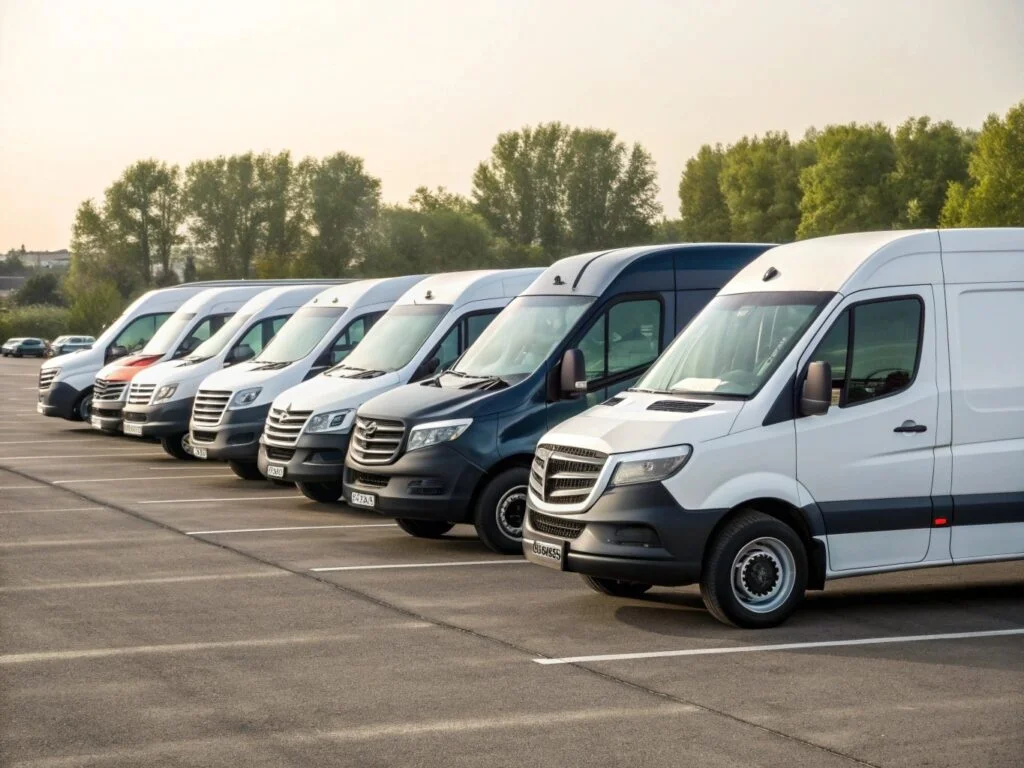
Road crashes are a leading cause of accidental death and injury for aid workers, and they are the single most preventable risk a fleet manager controls. The World Health Organization reports that around 1.19 million people die on the world’s roads every year, and roughly 93% of those deaths happen in low- and middle-income countries. Those are the exact places where humanitarian agencies operate. So the global road-death map and the humanitarian operations map sit almost perfectly on top of each other.
The United Nations has been blunt about this. Its own security policy names road traffic crashes as one of the leading causes of death and serious injury to UN personnel. UNHCR alone runs a fleet of roughly 10,000 vehicles worldwide, and in 2019 its High Commissioner signed the UN Strategy on Road Safety to push crash rates down across missions. When an organization that large treats road safety as a headline risk, smaller NGOs should take the signal seriously.
The road-risk profile of aid operations
Field driving stacks hazard on top of hazard. Roads in hardship posts are often unmarked, unlit, and poorly maintained. Drivers cover huge distances, which breeds fatigue. Traffic mixes fast trucks with pedestrians, livestock, motorbikes, and handcarts. Add monsoon mud, desert washboard, and mountain switchbacks, and you get a driving environment far more punishing than anything a Western fleet faces. In that setting, a few extra kilometers per hour is the difference between a near-miss and a rollover.
Duty of care as a legal and moral obligation
Every agency carries a duty of care: a responsibility to take reasonable steps to protect the people it sends into the field. That duty is not just ethical, it is increasingly legal. Donors, boards, and insurers now expect documented road-safety measures, and families of injured staff have every right to ask what the organization did to keep their loved ones safe. A vehicle that physically cannot speed is one of the clearest, most defensible answers to that question.
The true cost of a crash
A crash costs far more than a written-off Land Cruiser. It can mean a coordinator in a hospital bed, a project stalled for weeks, and a program that suddenly cannot reach the community it promised to serve. It can also harm local people. UN security guidance points out that unsafe driving by aid vehicles endangers the very communities being helped and can breed resentment that spills into wider tension with the mission. One preventable collision, in other words, can ripple outward into lost trust, lost time, and lost goodwill that takes years to rebuild.
How Speed Limiters Reduce Humanitarian Fleet Risk
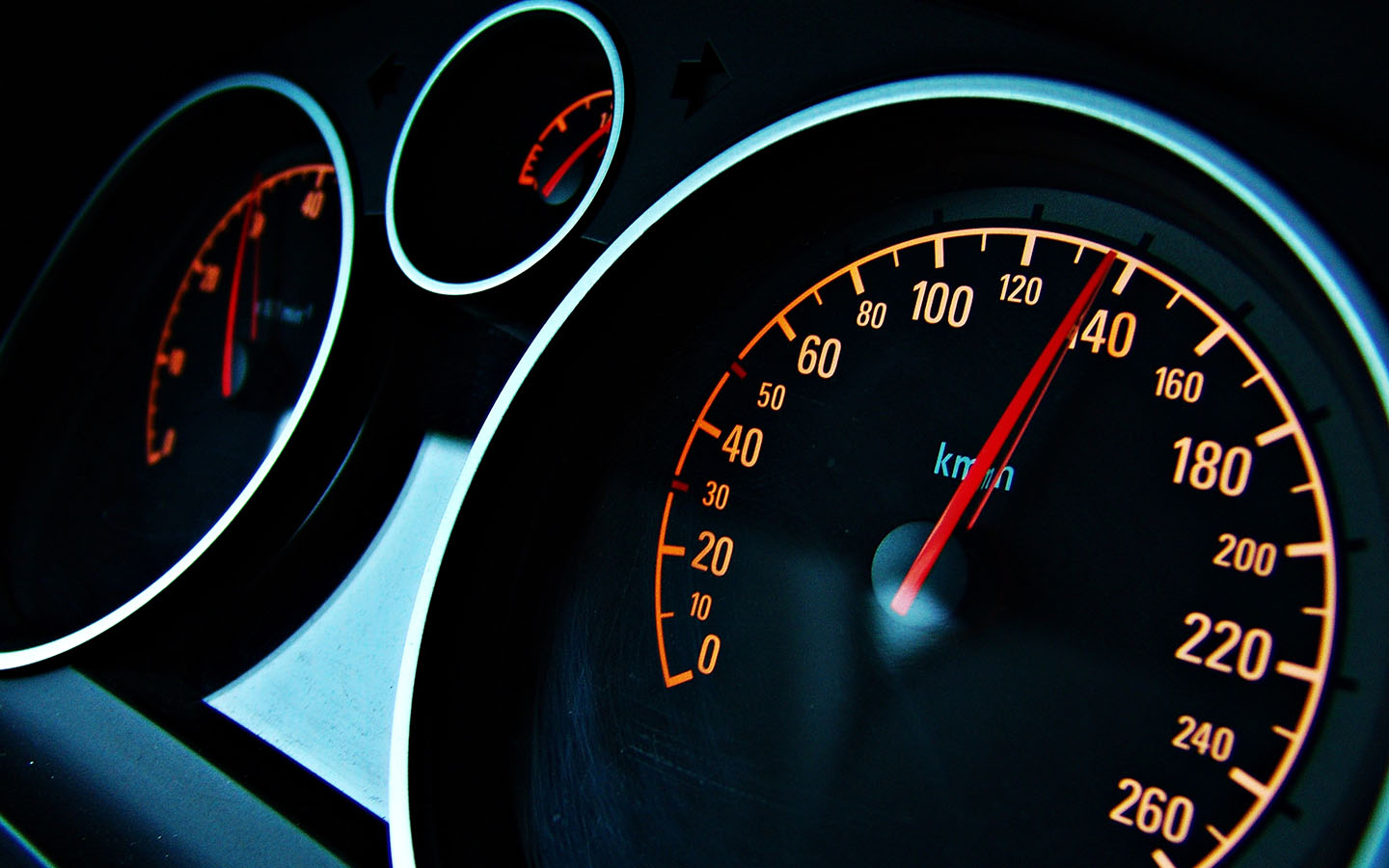
A speed limiter reduces both the likelihood and the severity of a crash by capping how fast a vehicle can physically travel. Speed is the factor road-safety science returns to again and again, because it drives two things at once: the time a driver has to react, and the force released when something goes wrong. Take speed off the table and you shrink both problems in a single move. Here is how that plays out in the field.
Capping speed on dangerous roads
At its core, a speed governor holds a vehicle to a preset ceiling, no matter how hard the driver pushes the pedal. On a rough desert route where 70 km/h is reckless, the limiter simply refuses to go past the number your safety policy sets. The driver cannot override it in a moment of impatience, and no amount of “we’re late for the distribution” pressure changes the physics. The cap is fixed, sealed, and enforced by the engine itself.
Adapting limits to terrain and zones
Field routes are rarely one speed. A vehicle might crawl through a crowded camp, then open up on a stretch of sealed highway. A dual or multi-speed limiter handles exactly this, holding one low cap inside sensitive zones and releasing a higher cap where the road allows. Layer geofencing on top, and the vehicle automatically drops to walking pace near a school, a checkpoint, or a distribution point, without the driver lifting a finger. The technology reads where the vehicle is and applies the right limit for that place.
Taking speed pressure off the driver
One of the quietest benefits is what a limiter does for the driver’s peace of mind. Field drivers face constant, unspoken pressure to go faster: an anxious passenger, a closing curfew, a road that feels safe until it isn’t. When the vehicle simply will not exceed the cap, that pressure evaporates. The driver is no longer the person who has to say no. The machine says it for them, every single time, which removes both the temptation and the blame.
Speed Limiter and Monitoring Solutions for NGO Fleets

The strongest humanitarian fleet-safety setup combines three layers: a speed governor, engine protection, and live monitoring. Each one closes a different gap, and together they turn a fleet from a black box into something you can see, shape, and defend. Here is how the pieces fit.
Speed governors and RPM regulators for hardship fleets
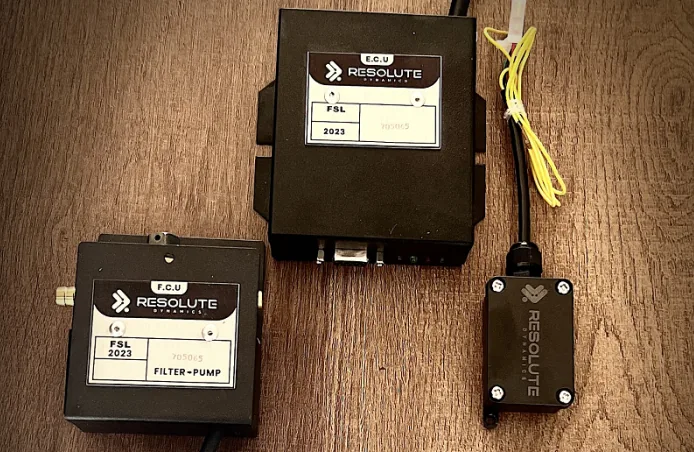
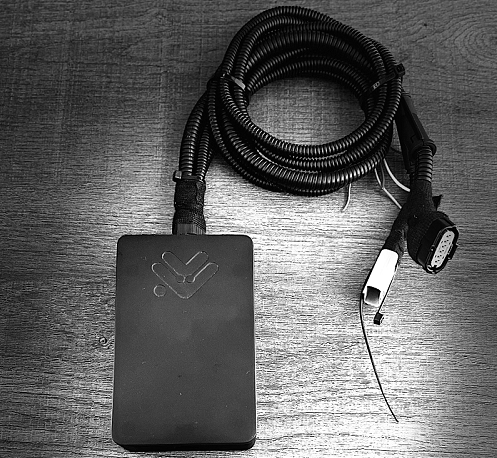
For rugged, high-mileage field vehicles, a robust Speed Limiter / Speed Governor is the foundation. On older or fuel-injected 4x4s, a fuel-modulating governor caps speed reliably even in dust and heat, with a tamper-evident seal that keeps it honest. Alongside it, an RPM Regulator caps engine revolutions to stop over-revving on long climbs and rough tracks. That protects the powertrain, trims fuel waste, and extends the service life of vehicles that are expensive and slow to replace in remote postings.
GPS tracking and IVMS for driver oversight
You cannot manage what you cannot see. A GPS Tracking System turns every vehicle into a live data point, and when it works as an IVMS (in-vehicle monitoring system), it records the things that actually predict crashes: speeding events, harsh braking, sharp cornering, and hours behind the wheel. The aid sector leans on IVMS because it converts vague worries about “risky driving” into a clear scorecard. A supervisor in the capital can spot a driver who consistently pushes limits and coach them before a near-miss becomes a fatality.
Dual and multi-speed limiters for mixed routes
Fleets that shuttle between field sites and highways need flexibility without losing control. A Dual Speed Limiter and Multi Speed Limiter gives you multiple preset caps, so the same vehicle can be tightly restricted off-road and safely faster on good tarmac. This suits agencies whose vehicles serve both a remote camp and the supply corridor that feeds it.
Adaptive and ISA systems for evolving compliance
Where roads and rules change often, an Adaptive Speed Limiter, sometimes called Intelligent Speed Assistance, adjusts the cap based on location and road data in real time. For agencies working across borders with different national speed laws, this keeps every vehicle in line with local limits automatically, which cuts both crash risk and the paperwork of staying compliant in each country.
Building a Fleet Safety Program Around Speed Governance
Technology alone does not create safety. A device fitted without a policy, training, or follow-up is a half-measure. A real program wraps the hardware in four steps: policy, installation, monitoring, and upkeep. Get those right and speed governance becomes part of how your fleet runs, not a gadget bolted on and forgotten.
Setting a fleet speed policy
Start with the rules, then buy the tools to enforce them. Decide the maximum speeds for each vehicle type and road condition your teams face: a firm ceiling for highways, a lower one for gravel and urban zones, and a strict crawl for camps and checkpoints. Write it down, get leadership to own it, and make it the reference point every limiter is calibrated against. A clear policy also protects the organization, because it shows a documented, deliberate safety standard.
Choosing and installing the right devices
Match the device to the vehicle and the mission. A single-cap governor may be plenty for a supply truck, while a field 4×4 crossing mixed terrain earns a dual-speed unit with GPS. Insist on professional installation and proper calibration, because a limiter is only as trustworthy as its fitting. A sealed, correctly programmed device protects your warranty, your compliance record, and, most importantly, your people.
Monitoring and coaching drivers with IVMS data
The data is only useful if someone acts on it. Review IVMS reports on a regular rhythm, flag repeat speeding or harsh-braking patterns, and turn them into calm, specific coaching rather than punishment. Drivers respond far better when the conversation is “the data shows this corner is giving you trouble” than a vague warning. Over time, the scorecard lifts the whole fleet’s behavior, and the safest drivers become the standard others follow.
Maintenance, calibration, and the audit trail
Speed devices need periodic recalibration and inspection to stay accurate and sealed. Build that into your maintenance schedule, keep the certificates on file, and treat the calibration records as part of your duty-of-care evidence. When a donor audit or an insurer asks how you manage road risk, a tidy trail of policy, devices, and calibration logs is the answer that closes the conversation.
The Measurable Impact of Speed Governance on Aid Fleets
Speed governance delivers gains you can actually count: fewer crashes, lower fuel and maintenance bills, and a fleet that visibly meets its duty of care. The mechanism is simple and well understood. Cap the speed, and you cut both how often vehicles crash and how badly. Add RPM regulation, and you slow the wear that eats field vehicles alive, while trimming fuel burn on every climb and long haul.
There is a wider ecosystem pushing in the same direction. The Fleet Forum, a network devoted to humanitarian fleet management, and programs like UNHCR’s road-safety work under the UN Strategy both point to the same conclusion: structured, technology-backed road safety saves lives and protects operations. When you connect a speed limiter to a monitoring platform, you also gain the reporting that makes those savings visible to leadership and donors, which turns safety from a cost line into a story you can tell. For the numbers behind the business case, our breakdown of the ROI of Speed Limiters for Logistics Companies shows how the payback stacks up, and it maps closely onto how aid fleets operate.
How to Get Started with Fleet Safety for Your Agency
Getting started is less daunting than it sounds. Begin with a short fleet audit: list your vehicles, the roads they travel, and the risks each route carries. From there, set your speed policy, then match each vehicle to the right mix of governor, RPM regulator, and GPS or IVMS. Roll it out in a pilot batch, review the first weeks of data, and refine before you scale across the whole fleet.
If you want a hand shaping that plan, the team behind these systems has fitted speed and safety technology on fleets across more than twenty countries, including many operating in tough, remote conditions. Reach out through the Contact Us page to scope a setup for your operation. The sooner speed governance is in place, the sooner your drivers are protected on every road they take.
Frequently Asked Questions
Why are road accidents such a big risk for aid workers?
Road accidents are a leading cause of accidental death and injury for aid workers because humanitarian teams drive long distances on some of the world’s most dangerous roads. Around 93% of global road deaths occur in low- and middle-income countries, which is exactly where most aid operations take place, so the exposure is far higher than for an average office-based fleet.
Do speed limiters work on Toyota Land Cruisers and 4×4 field fleets?
Yes. Speed limiters are widely fitted to Toyota Land Cruisers and other 4×4 field vehicles. For older or fuel-injected engines, a fuel-modulating governor works reliably in dust and heat, while newer drive-by-wire vehicles use an electronic limiter wired into the engine control unit. Both types are sealed and tamper-resistant.
What is IVMS, and how does it work with speed limiters?
IVMS stands for in-vehicle monitoring system. It records driver behavior such as speeding, harsh braking, and sharp cornering, then reports it to fleet managers. Paired with a speed limiter, IVMS adds visibility: the limiter physically caps speed, while the IVMS shows you who is driving safely and who needs coaching.
Can these systems handle remote areas with no mobile signal?
Yes. A speed limiter caps speed mechanically or through the engine control unit, so it keeps working with no signal at all. GPS and IVMS units store data locally when connectivity drops and upload it once the vehicle is back in coverage, so no monitoring information is lost in remote postings.
How do speed limiters support duty of care?
Speed limiters support duty of care by giving an agency a documented, enforced safety measure that physically prevents unsafe speeds. Combined with a written speed policy, calibration records, and IVMS data, they create a clear evidence trail showing the organization took real, active steps to protect its field staff.
Final Thoughts
Protecting the people who deliver aid starts with the vehicle they sit in. Speed is the risk you can control most directly, and a speed limiter is the tool that controls it, every trip, without relying on a tired driver to make the right call under pressure. Add monitoring, a clear policy, and steady coaching, and you build a fleet that is safer, cheaper to run, and ready to answer any question about how it keeps its staff alive. For humanitarian agencies and NGOs, that is not just good fleet management. It is duty of care made real.

The Resolute Dynamics team designs and manufactures speed limiters (SLD), GPS tracking, and automotive safety systems used on 200,000+ vehicles across 20+ countries. We write about fleet compliance, road-safety regulation, and vehicle-safety technology, including Malaysia’s JPJ SLD mandate, UAE RTA rules, and global standards like UN R89, to help fleet operators and transport businesses stay safe and compliant.