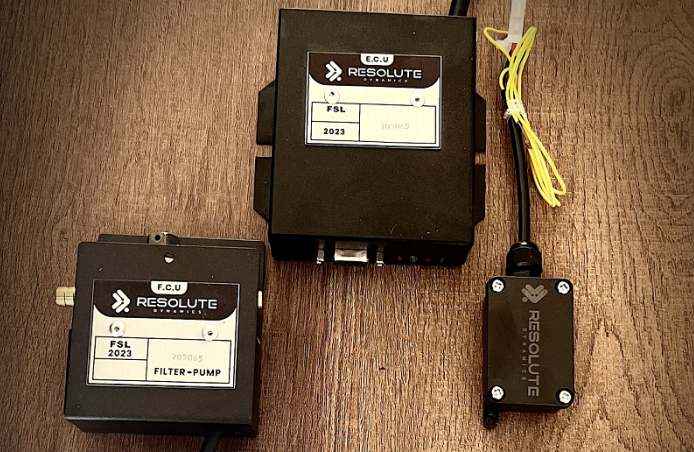
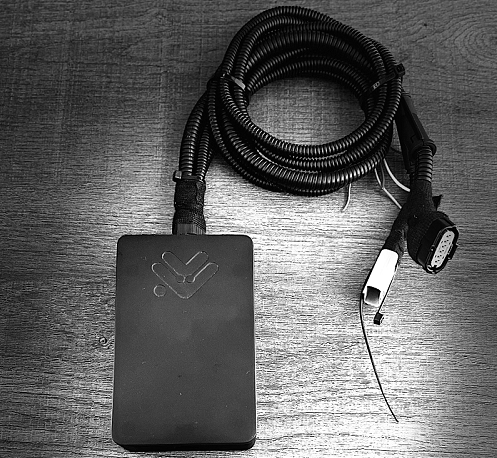
If you run an express bus, a tour coach, or a fleet of lorries in Malaysia, the rules around your top speed have changed for good. The Road Transport Department, known locally as Jabatan Pengangkutan Jalan (JPJ), now requires these vehicles to carry a Speed Limitation Device (SLD) that caps the engine at 90 km/h. That cap holds even on an expressway where the signboard says 110.
The mandate sits under the Ministry of Transport (MOT), it covers goods vehicles above 3,500 kg and passenger vehicles above 5,000 kg, and it splits fleets by one date that matters more than any other: 1 January 2015.
I have spent years watching transport regulations shift across this region, and few rules have landed with as much weight as this one. So let me walk you through every part of it, plainly, without the legal fog.
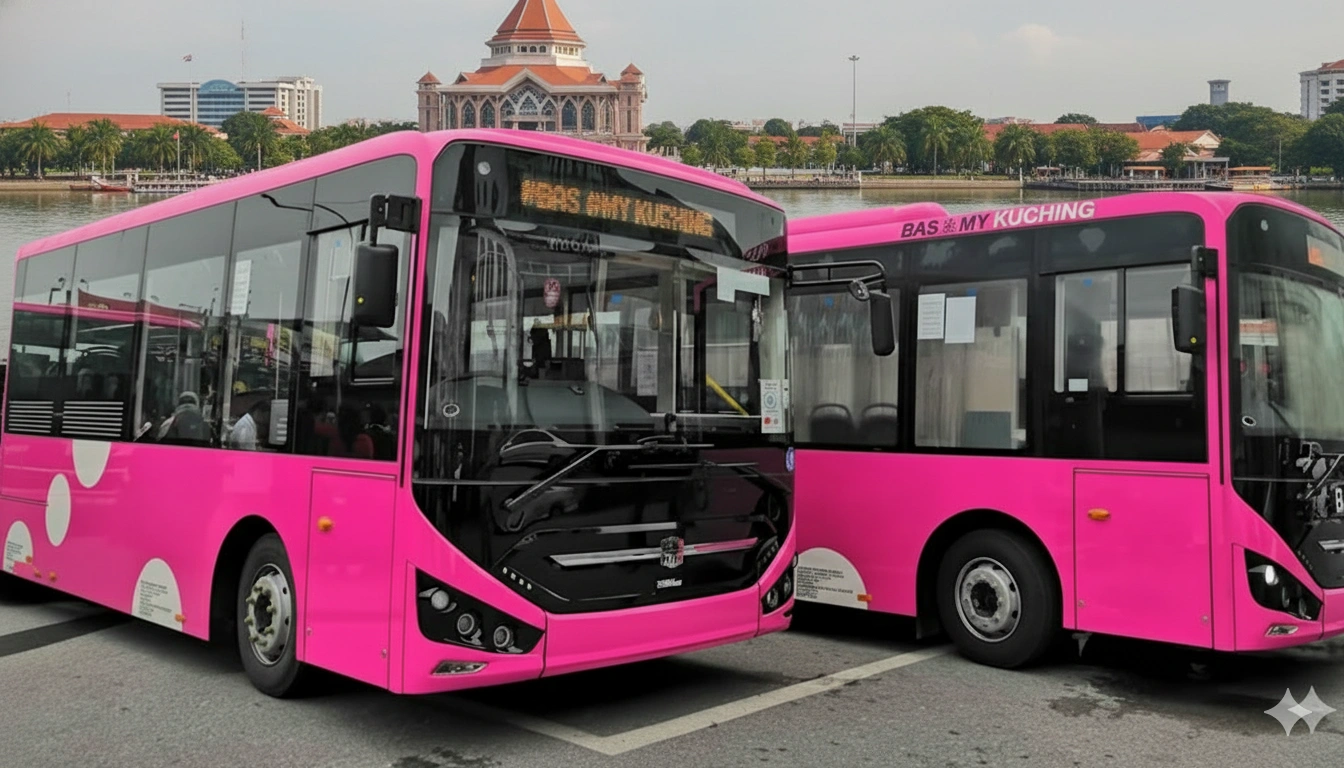
What Are the Speed Limiter Rules for Commercial Vehicles and Express Buses in Malaysia?
The speed limiter rule says that eligible commercial vehicles must run a JPJ-approved Speed Limitation Device that holds maximum velocity at 90 km/h. JPJ enforces it, the Ministry of Transport authorised it, and the technical baseline mirrors United Nations Regulation No. 89 (UN R89), the same homologation standard Europe leans on for speed limiters.
Here is the heart of it. A Speed Limitation Device is a small electronic governor that talks directly to your vehicle’s brain, the Electronic Control Unit (ECU). Once your bus or lorry touches the governed ceiling, the device steps in and refuses to let the engine push past it. No drama. No braking jolt. The driver can floor the pedal all day, and the coach still will not breach 90.
A few facts worth pinning down:
- Regulator: Jabatan Pengangkutan Jalan (JPJ), under the Ministry of Transport Malaysia (MOT)
- Device required: Speed Limitation Device (SLD), permanently fitted and tamper-resistant
- Speed ceiling: 90 km/h, set inside the ECU or the SLD module
- Legal anchor: national road safety directive aligned with UN Regulation No. 89
This is not a soft suggestion. It is a compliance requirement tied to your operating permit, your inspection result, and in stubborn cases, your licence to keep the wheels turning.
Which Vehicles Must Comply With the SLD Rules?
The rules apply to two broad families of heavy vehicles: passenger carriers above 5,000 kg and goods carriers above 3,500 kg. Vehicle engineers classify them under the M3, N2, and N3 categories, the same shorthand used across UN vehicle standards.
| Vehicle category | UN class | Weight threshold | Passenger threshold |
|---|---|---|---|
| Express, tour & cruise buses | M3 | GVW above 5,000 kg | More than 8 passengers (excluding driver) |
| Medium goods vehicles | N2 | GVW above 3,500 kg | Not applicable |
| Heavy goods vehicles | N3 | GVW above 3,500 kg | Not applicable |
There is one more filter sitting on top of weight and seating: the manufacture date. A vehicle built on or after 1 January 2015 follows a different path than one built before it. I will untangle that in the enforcement section, because it decides which deadline grips your fleet.
Express Buses and Tour Buses
Express buses and tour buses are squarely inside the mandate. These are M3 vehicles built to seat more than eight passengers beyond the driver, with a gross vehicle weight above 5,000 kg.
Their high passenger load and long-haul routes are exactly why regulators want a hard velocity ceiling on them. A packed coach hurtling down the North–South Expressway at 120 carries a far heavier consequence than a single car doing the same.
Heavy Goods Vehicles and Lorries
Lorries and heavy goods vehicles fall under the N2 and N3 classes, triggered once the gross vehicle weight passes 3,500 kg. Prime movers, tippers, tankers, and container haulers all sit here. The logic is the same as with buses: more mass means longer stopping distance, and an uncapped throttle turns a small misjudgement into a large catastrophe.
Cruise Buses and Other High-Capacity Passenger Vehicles
Cruise buses and other high-capacity passenger vehicles share the express-bus rulebook. JPJ has openly singled out this segment for lagging behind, and the numbers tell the story.
As of mid-March 2026, nearly half of the country’s active cruise buses had still not completed their SLD verification, against a far healthier compliance rate among scheduled express buses. If you operate in this niche, you are under a brighter spotlight than most.
What Is the Mandatory Speed Limit for Express Buses in Malaysia?
The mandatory speed limit for express buses fitted with an SLD is 90 km/h, and the device enforces it no matter what the road sign permits. An expressway might allow 110 km/h for ordinary cars, yet your governed coach will still flatten out at 90. The SLD does not negotiate.
One nuance trips up a lot of operators, so let me be clear about it. The 90 km/h ceiling is a maximum, not a target. Drivers must still obey every lower posted limit, including 60 km/h school zones, town stretches, and roadwork corridors.
The SLD only stops the high end. It does nothing about the human duty to slow down where the road demands it. Think of it as a hard lid on the top, while the everyday judgement still belongs to the person behind the wheel.
Speed Limiter Enforcement Phases and Deadlines
JPJ rolled out enforcement in stages so operators were not flattened by a single overnight deadline. The phasing hinges on two things: when your vehicle was built, and whether it already carries a working speed limiter.
| Phase | Vehicle scope | Action required | Key date |
|---|---|---|---|
| Phase 1 | Built on/after 1 Jan 2015 | Verify SLD functionality | 1 October 2025 |
| Phase 2 | Built before 1 Jan 2015 (with ECU limiter) | Activate the in-built limiter | January 2026 |
| Phase 3 | Never fitted with an SLD | Retrofit an approved device | 1 July 2026 |
Phase 1 – SLD Functionality Verification (1 October 2025)
Phase 1 began on 1 October 2025 and targets newer vehicles, meaning those manufactured on or after 1 January 2015. These coaches and lorries usually already have speed-limiting capability baked into the ECU from the factory. The task here is verification, not installation. A recognised inspector confirms the limiter is active, correctly calibrated to 90 km/h, and tamper-free, then issues the paperwork that proves it.
Phase 2 – ECU Activation for Pre-2015 Vehicles (January 2026)
Phase 2 covers older vehicles built before 1 January 2015 that still have a dormant limiter inside the ECU. For this group, the requirement is activation. The factory function gets switched on, calibrated to the legal ceiling, and verified. No new hardware is bolted in if the ECU can already do the job. This phase carries its own enforcement timeline that began rolling in early 2026.
Phase 3 – Retrofit SLD Installation (1 July 2026)
Phase 3 handles the toughest group: vehicles that were never fitted with any speed limiter at all. These need a full retrofit, where a JPJ-approved external SLD is wired into the engine management system and calibrated from scratch. Enforcement for this retrofit category lands on 1 July 2026, giving owners a runway to source, install, and certify before checks bite.
Rebuilt Vehicle Deadline Extension (1 July 2026)
Rebuilt commercial vehicles received a breathing space. These are used trucks and buses imported from right-hand-drive markets such as the United Kingdom and Japan, then refurbished for Malaysian roads. Because sourcing compatible limiter software for so many variants proved messy, JPJ shifted their retrofit deadline from 1 January 2026 to 1 July 2026. The extension softens the timeline, but it does not water down the underlying duty to fit a working device.
SLD Verification and Documentation Requirements
Compliance is not real until it is documented. Every verified vehicle must hold two specific records, written in Bahasa Malaysia on the official slips:
- Slip Pengesahan Kefungsian SLD — the SLD Functionality Confirmation Slip
- Laporan Kefungsian SLD — the detailed SLD Functionality Report
Both documents must be renewed every two years, and both must stay inside the vehicle at all times for roadside checks. Lose the paper and you are non-compliant on the spot, even if the device itself is humming along perfectly. The audit trail matters as much as the hardware.
Who Can Issue SLD Verification
Verification can only come from parties JPJ trusts. That short list includes JPJ-recognised Technical Services (TS) centres, certified workshops, accredited certification bodies, and the original vehicle manufacturers.
A slip from anyone outside this circle carries no legal weight. This is also why picking your installer matters: a non-authorised provider can leave you with a device that works but paperwork that does not.
Where SLD Documents Are Checked
Your SLD records surface at several checkpoints, not just one. They are inspected at Puspakom (the Motor Vehicle Inspection Centre, also referred to as PPKM), demanded during permit renewal with the Land Public Transport Agency (APAD) and the Commercial Vehicle Licensing Board (LPKP), and pulled up during routine JPJ roadside enforcement.
Verifiers also upload each slip and report to JPJ’s online system, so the data follows the vehicle digitally as well.
Penalties for Non-Compliance With Malaysia’s Speed Limiter Rules
Skipping the rules gets expensive, fast. Compound fines run from RM3,000 to RM10,000 per vehicle, and the pain rarely stops at the wallet. Repeat offenders risk operating-permit revocation, placement on a JPJ enforcement watchlist, court summons for stubborn cases, and an outright operational shutdown until the vehicle is brought into line.
For a fleet, the math is brutal. A handful of non-compliant coaches can rack up tens of thousands in compounds before you have even lost a contract over a failed inspection. The cheaper road, by a wide margin, is to verify early and keep the documentation current.
How a Speed Limitation Device Works
A Speed Limitation Device works by reading your vehicle’s real speed and trimming the engine the instant you reach the governed ceiling. It plugs into the Electronic Control Unit (ECU) and listens to speed signals drawn from the ABS sensors, the CAN bus, or the transmission output.
The moment the reading hits 90 km/h, the device modulates throttle response and tapers the fuel supply so the engine simply cannot accelerate further.
What it does not do is just as important. It never applies the brakes, so there is no lurching or sudden deceleration. Below the ceiling, the vehicle drives exactly as it always did, with no change to pulling power, climbing ability, or fuel economy in normal conditions.
Certified units are built tamper-resistant, and some models include an emergency kick-down override for the rare moment a burst of speed prevents a worse outcome. The whole system runs quietly in the background, doing its single job: holding the lid on top-end speed.
If you want to dig into the hardware side, the device family that powers this includes the standard Speed Limiter / Speed Governor and the terrain-aware Dual Speed Limiter and Multi Speed Limiter, which lets you set different ceilings for different road zones.
How Express Bus and Fleet Operators Can Comply
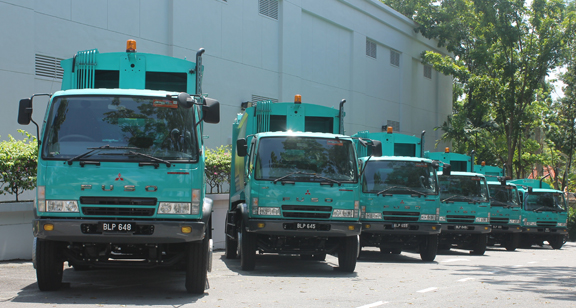
Compliance is a sequence, and following it in order keeps you out of trouble. Here is the path that has worked for fleets I have seen move from scattered to fully certified:
- Audit your entire fleet — list every vehicle by build date, gross weight, and seating capacity.
- Identify which category each vehicle falls under — match it to the M3, N2, or N3 thresholds and the 2015 manufacture line.
- Select a JPJ-approved SLD for any vehicle that needs one, choosing a device certified to the national technical standard.
- Book installation or activation through a JPJ-recognised Technical Services centre or certified workshop.
- Complete verification and collect the documents — the Slip Pengesahan Kefungsian SLD and Laporan Kefungsian SLD.
- Store the records inside each vehicle and diarise the two-year renewal so nothing lapses.
A few operators run this in waves, prioritising high-risk routes and older vehicles first, which spreads the cost and dodges the last-minute installation crush. If you would rather hand the whole process to a single accountable partner, this is where a JPJ-authorized SLD installation in Malaysia earns its keep, covering the device, the calibration, and the inspection-ready paperwork in one go.
Fleets layering in route oversight often pair the limiter with GPS Tracking Systems for a fuller compliance picture, and operators in the school-transport space lean on dedicated School Bus Safety Solutions tuned to that segment.
For a deeper deadline-by-deadline breakdown, the companion guides on the JPJ Speed Limiter rules in Malaysia and the JPJ SLD compliance phases explained lay out the timeline in granular detail.
Why Malaysia Introduced Speed Limiter Rules
The rules were born from tragedy, not paperwork. A devastating bus crash near Gerik claimed the lives of 15 university students, with investigators estimating speeds around 117 km/h, well beyond anything safe for a loaded coach on that road.
Earlier disasters, including a notorious Genting Highlands bus crash, had already exposed how lethal an uncapped heavy vehicle becomes when speed and human error collide.
This mandate is Malaysia’s structural answer to that pattern. It removes speed from a driver’s discretion at the hardware level, which is the whole point of the Vision Zero philosophy and the ASEAN Road Safety Strategy the country has signed onto.
The framework draws on research from the Malaysian Institute of Road Safety Research (MIROS) and technical standards from SIRIM and the international UN Regulation No. 89. In short, it aligns Malaysian heavy-vehicle safety with the same benchmarks already running in Singapore and across Europe.
Frequently Asked Questions
Is a speed limiter mandatory for express buses in Malaysia? Yes. Express buses, tour buses, and cruise buses classified as M3 vehicles with a gross vehicle weight above 5,000 kg and seating for more than eight passengers must run a JPJ-approved Speed Limitation Device.
What is the SLD speed limit in Malaysia? The SLD caps maximum speed at 90 km/h, and it holds that ceiling regardless of the posted road limit. Drivers must still obey any lower posted limits.
Do buses registered before 2015 need an SLD? Yes. Vehicles built before 1 January 2015 fall under Phase 2 or the retrofit phase. If the ECU already supports speed limiting, the function is activated; if not, an approved device is retrofitted.
How often must SLD verification be renewed? Every two years. The renewed Functionality Report and Confirmation Slip must be presented during inspection and permit renewal, and kept in the vehicle between checks.
What documents must be kept in the vehicle? Two records: the Slip Pengesahan Kefungsian SLD (Functionality Confirmation Slip) and the Laporan Kefungsian SLD (Functionality Report). Both must travel with the vehicle at all times.
What is the penalty for operating without an SLD? Compound fines range from RM3,000 to RM10,000 per vehicle, with the risk of permit revocation, watchlisting, and operational shutdown for repeated non-compliance.
Who can install and verify a JPJ-approved SLD? Only JPJ-recognised Technical Services centres, certified workshops, accredited certification bodies, or original vehicle manufacturers can install, calibrate, and verify the device.
Related: Malaysia SLD pricing & approved installers – Post-installation audit checklist – JPJ-approved SLD installation.

The Resolute Dynamics team designs and manufactures speed limiters (SLD), GPS tracking, and automotive safety systems used on 200,000+ vehicles across 20+ countries. We write about fleet compliance, road-safety regulation, and vehicle-safety technology, including Malaysia’s JPJ SLD mandate, UAE RTA rules, and global standards like UN R89, to help fleet operators and transport businesses stay safe and compliant.