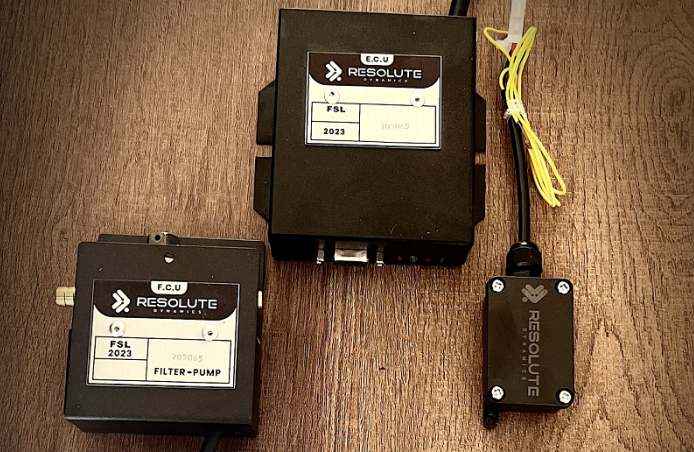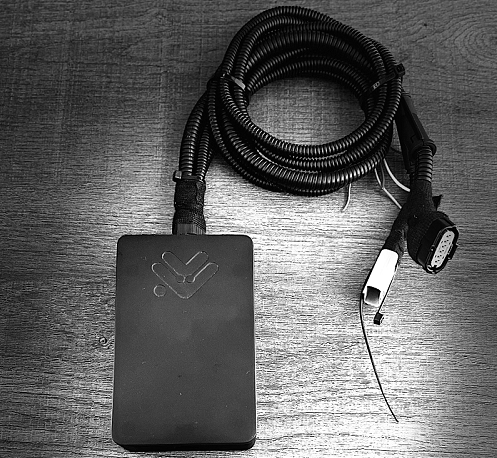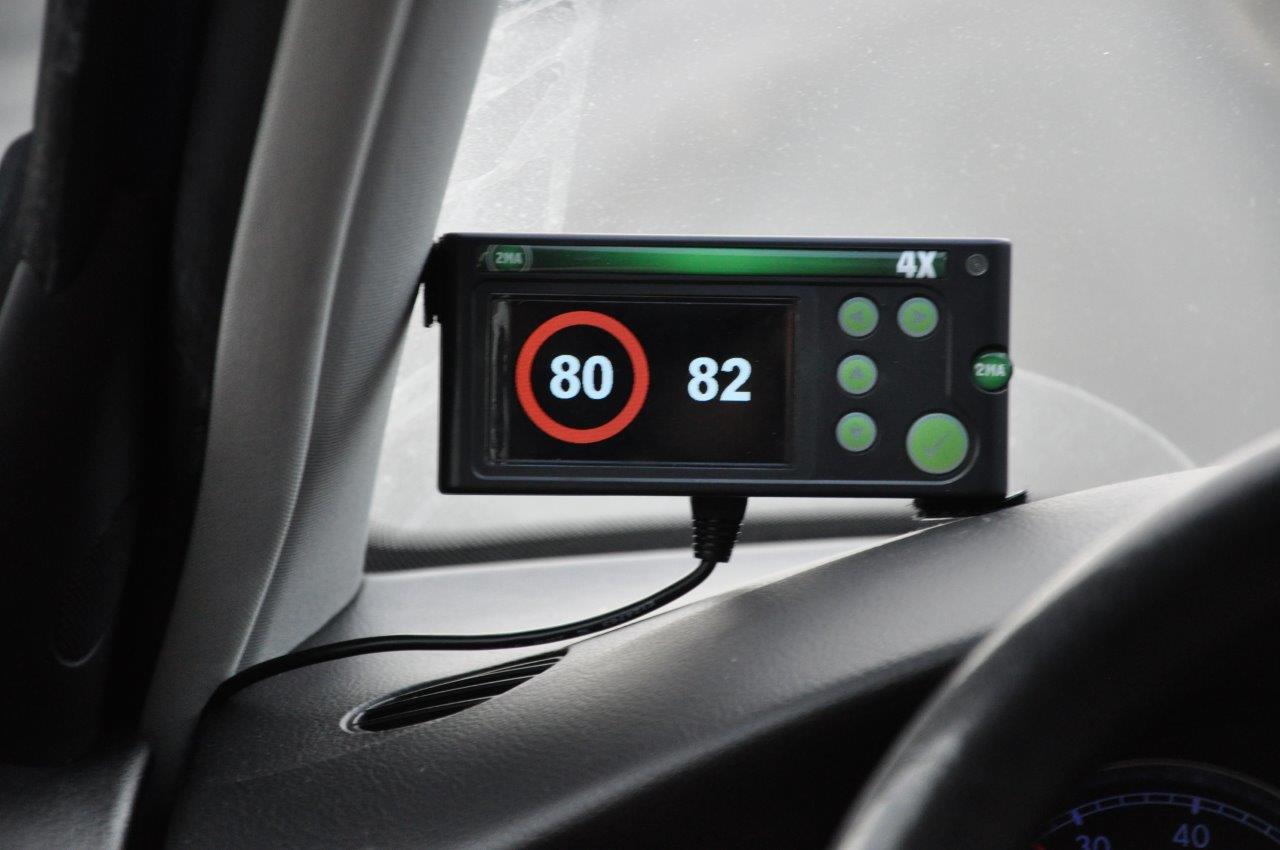
Speeding is sneaky. You drift a few kilometres over the limit, the road feels the same, and nothing seems wrong until something goes wrong. That tiny gap between the posted limit and your actual speed is exactly where Intelligent Speed Assistance steps in.
It watches the road’s speed limit for you, second by second, and nudges your vehicle to stay inside it. Think of it as a quiet co-pilot that never gets distracted, never gets tired, and never argues about whether the sign really said 60.
Below, you will find a plain-English walkthrough of what ISA is, how it actually works under the hood, the different flavours it comes in, and why governments and fleet operators are paying close attention to it.
What Is Intelligent Speed Assistance (ISA)?
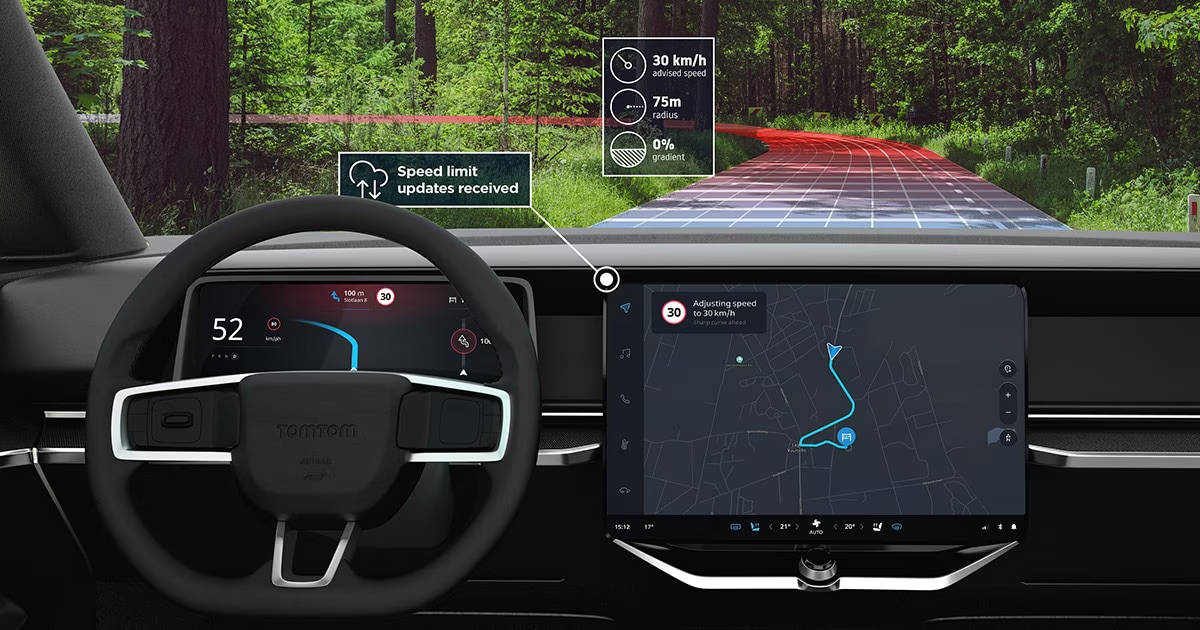
Intelligent Speed Assistance (ISA) is a vehicle-safety system that reads the road’s speed limit and helps keep the vehicle within it.
It is also called intelligent speed assist or intelligent speed adaptation, and all three names point to the same idea: a smart layer that links the speed limit of the road you are on to the speed your vehicle is actually doing.
What makes it “intelligent” is the adaptation part. A plain speed cap holds one fixed number no matter where you drive. ISA is different. It knows the limit changes when you roll off a 120 km/h motorway, slip onto a 50 km/h city street, and crawl past a 30 km/h school zone.
As the posted limit shifts, ISA shifts with it. The driver still steers, brakes, and stays in charge. ISA simply keeps the speed honest, either by warning you or by gently holding the throttle back, depending on the type fitted.
How Does Intelligent Speed Assistance Work?
ISA works in four steps that repeat continuously while you drive. The whole loop runs many times a second, so the system always knows the current limit and your current speed.
- Determines the speed limit for the exact stretch of road using GPS and a digital map, a forward-facing camera that reads signs, or a blend of both.
- Compares the limit to your live vehicle speed, pulled straight from the wheel sensors and the engine control unit.
- Acts on the gap the moment your speed meets or crosses the limit, either by alerting you or by easing the acceleration.
- Hands the decision back to you, so you can acknowledge the warning, lift off the pedal, or override the system when the road conditions call for it.
That last step matters. ISA is built as a driver-assistance feature, not an autopilot. You remain the final authority over the wheel at all times.
How ISA Detects the Speed Limit
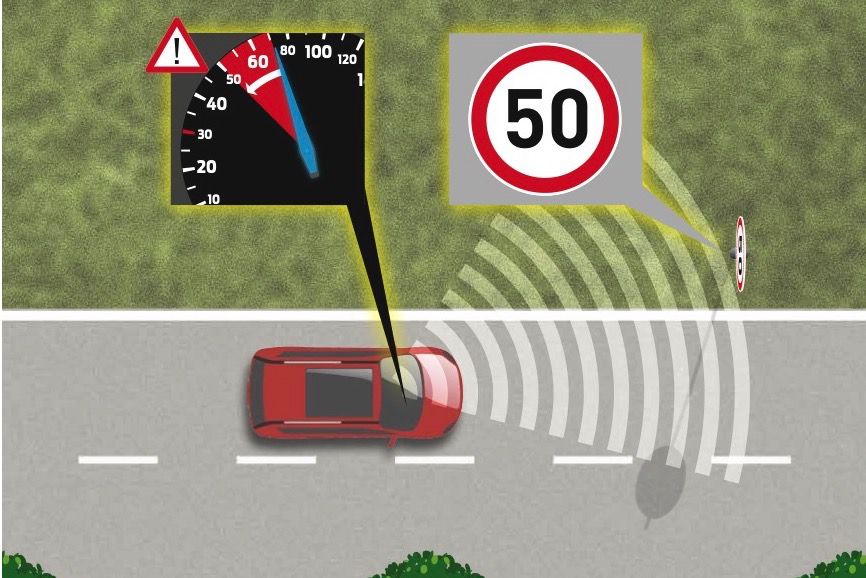
ISA pins down the speed limit through three input methods, and the method used decides how accurate and how current the data is. Each approach has a strength and a blind spot.
- GPS and digital map data. A Global Navigation Satellite System (GNSS) receiver fixes your position, and the system map-matches that location to a speed-limit database. This works even when signs are missing, faded, or buried under snow. The catch is freshness, because a map that has not been updated will not know about a limit that changed last month.
- Traffic-sign recognition (TSR). A forward-facing camera spots posted signs in real time and feeds the number to the system. It reacts instantly to temporary limits, like roadwork zones. Its weak spot is visibility, since a sign hidden behind a truck or smeared with mud can slip past it.
- Hybrid sensor fusion. The most dependable setups merge camera readings with map data and cross-check one against the other. When the two disagree, the logic decides which source to trust, which trims false readings and sharpens accuracy.
How ISA Responds When You Exceed the Limit
ISA answers an overspeed event on a graded scale, escalating from a soft hint to active control. The level of response depends on the system type, but the ladder usually looks like this.
First comes a visual cue on the dashboard, often a glowing speed-limit symbol. If you keep climbing, an audible chime or a vibrating alert follows. Some systems then add haptic accelerator feedback, where the pedal gently pushes back against your foot to signal “ease off” without forcing anything.
At the top of the ladder sits active speed limiting, where the system smoothly trims engine power so the vehicle settles back toward the legal limit. Even then, a firmer press on the accelerator overrides it, because the driver keeps the last word.
Types of Intelligent Speed Assistance Systems
There are three main types of ISA, separated by how forcefully each one acts on the vehicle. Picking between them is really a choice about how much control you want the system to take.
- Advisory (informative) ISA. This type warns and nothing more. It flashes the limit and chimes when you exceed it, but it never touches the throttle. The driver does all the slowing.
- Supportive (voluntary) ISA. This type adds a physical nudge, usually through accelerator-pedal resistance that makes overspeeding feel like uphill effort. It can also softly cap acceleration. You can still override it by pressing through the resistance.
- Intervening (mandatory) ISA. This type actively limits engine output to hold the legal speed, making it the firmest of the three. It is the hardest to override, though smooth driver override remains possible by design.
You can also sort ISA a second way, by where it gets its limit data: map-based, camera-based, or hybrid. The two ways of slicing it overlap, since a single car can run intervening ISA fed by a hybrid sensor stack.
ISA vs. Speed Limiter / Speed Governor
ISA adapts to changing road limits, while a fixed speed limiter holds one preset cap no matter the road. That single difference, dynamic versus static, drives almost everything else that sets the two apart.
| Feature | ISA / Adaptive Speed Limiter | Fixed Speed Limiter / Speed Governor |
|---|---|---|
| Speed adjustment | Changes with the posted limit | Holds one fixed number |
| Data used | GPS, maps, AI logic, camera, sensors | Basic internal logic |
| Road awareness | Detects new zones instantly | No automatic adjustment |
| Flexibility | Works across every speed zone | Single-purpose cap |
| Typical safety level | High | Medium |
A traditional speed governor is still a workhorse for vehicles that need a hard ceiling, such as heavy trucks held to a legal top speed. The modern, adaptive version of that idea lives in the Adaptive Speed Limiter, which behaves like ISA by reacting to the road in real time. If you want the simpler, fixed approach, the standard Speed Limiter / Speed Governor covers that need.
What Are the Main Components of an ISA System?
An ISA system runs on four core components, each handling one job in the detection-and-response loop. Strip out any one of them and the system loses a sense it depends on.
- GNSS receiver. Fixes the vehicle’s position so the system can look up the right stretch of road.
- Digital speed-limit map database. Stores the limit for each road segment and supplies it when GPS pinpoints your location.
- Traffic-sign recognition camera. Reads posted signs on the fly and catches temporary or recently changed limits.
- Electronic control unit (ECU) and driver interface. The ECU compares speed against the limit and triggers the response, while the human-machine interface delivers the warning or pedal feedback to the driver.
In commercial setups, these parts often tie into a wider telematics platform, so a fleet manager can see speed behaviour across a whole vehicle group from one screen.
Benefits of Intelligent Speed Assistance
ISA delivers five clear benefits, and they reach beyond the single driver to passengers, pedestrians, and entire fleets. The headline gain is fewer crashes, but the ripple effects matter just as much.
- Fewer and less severe accidents. The European Transport Safety Council estimates that wide ISA adoption can cut serious road accidents by up to 30% and fatalities by up to 20%, because even a small drop in impact speed sharply lowers crash severity.
- Steadier compliance with speed limits. ISA closes the gap between the limit you should be doing and the speed you are actually doing, which keeps drivers legal without constant glances at the speedometer.
- Lower running costs. Smoother speed means less harsh acceleration, which trims fuel burn and eases wear on brakes and tyres over time.
- Stronger fleet accountability. Paired with tracking, ISA gives operators a clear record of speed behaviour, which supports coaching, audits, and insurance conversations.
- Calmer driving experience. Many drivers describe the pedal feedback as a gentle reminder rather than a nag, and over time the habit of staying on-limit starts to feel automatic.
Is Intelligent Speed Assistance Mandatory? Regulations and Standards
ISA is already mandatory across the European Union under the General Safety Regulation, Regulation (EU) 2019/2144. The rollout happened in two stages.
New vehicle types had to carry ISA from 6 July 2022, and the rule expanded to all new vehicles sold in the EU from 7 July 2024. The law does not force older cars off the road, since it applies to vehicles built after those cutoff dates, not to the existing fleet.
The regulation leaves room for several feedback methods, from a simple overspeed warning to accelerator pushback to active speed control, and it requires the system to switch back on each time the vehicle starts.
Safety bodies such as Euro NCAP now reward vehicles that fit effective ISA, which pushes manufacturers to take it seriously. Outside the EU, many regions enforce speed control through their own routes.
In the UAE, for example, RTA-approved speed limiters are required for several vehicle categories, and proof of fitment shows up at annual inspection through a Speed Limiter Certificate.
ISA for Fleets and Commercial Vehicles
ISA reaches its full value in commercial and fleet use, where one speeding habit multiplied across dozens of vehicles becomes a real risk and a real cost. Fleets do not just want a safer single trip; they want consistent, provable behaviour across every driver and every shift.
The vehicles that gain the most include school buses carrying students, heavy trucks and construction vehicles, logistics and delivery fleets, taxis and commercial cars, and government or municipal fleets. For these operators, an adaptive system that reacts to changing zones works far better than a blunt fixed cap.
The retrofittable Adaptive Speed Limiter brings ISA-style control to vehicles already on the road, while GPS Tracking Systems layer live location and speed data on top for full visibility. For student transport specifically, the dedicated School Bus Safety Solutions pair speed control with the extra safeguards a bus full of children calls for.
Frequently Asked Questions
Can you turn off intelligent speed assistance? Yes, in most EU-compliant cars you can switch ISA off, but the regulation requires it to turn back on automatically every time the engine starts. You cannot disable it permanently.
Does ISA brake the car automatically? No, standard ISA does not apply the brakes. It limits acceleration or warns the driver, but slowing the vehicle through braking stays the driver’s job. ISA is separate from autonomous emergency braking.
How accurate is ISA? Accuracy depends on the data source. Camera-based systems can miss obscured signs, and map-based systems can lag behind recent limit changes, which is why hybrid systems that cross-check both sources are the most reliable.
Is ISA the same as cruise control? No. Cruise control holds a speed you choose, while ISA tracks the legal speed limit of the road and keeps you within it. The two solve different problems.
Does ISA need an internet connection? Not always. Map-based ISA can run from onboard data, and camera-based ISA reads signs directly, so a constant connection is not required, though live updates help keep map data fresh.
Can ISA be fitted to older or existing vehicles? Yes. While factory ISA comes built into new cars, an aftermarket adaptive speed limiter can bring similar speed-aware control to vehicles already in service, which is how most commercial fleets add the capability.
Compare with: Speed governor vs ISA – Why tamper-proof seals matter – Calibration procedure.

The Resolute Dynamics team designs and manufactures speed limiters (SLD), GPS tracking, and automotive safety systems used on 200,000+ vehicles across 20+ countries. We write about fleet compliance, road-safety regulation, and vehicle-safety technology, including Malaysia’s JPJ SLD mandate, UAE RTA rules, and global standards like UN R89, to help fleet operators and transport businesses stay safe and compliant.