Speed limiters are one of the highest-ROI investments a commercial fleet can make. Beyond the obvious safety benefit, a properly configured speed cap delivers measurable savings on fuel consumption, brake wear, tyre life, and overall powertrain stress. This guide breaks down the mechanics of how those savings happen and what fleet operators typically see in the real world.
How Speed Limiters Improve Fuel Efficiency
Fuel efficiency drops sharply as vehicle speed rises. Two physical effects drive this:
- Aerodynamic drag increases with the square of speed. Doubling speed quadruples the drag force, and the engine has to burn proportionally more fuel to overcome it.
- Engine efficiency curve — most diesel engines have a narrow band of RPM where fuel-to-power conversion is most efficient. Sustained high-speed cruising pushes engines above that band.
A speed cap keeps the vehicle inside the efficient operating envelope for a larger portion of every trip. On highway routes, the effect is immediate and measurable.
How Speed Limiters Reduce Maintenance Costs
The maintenance savings are less obvious than the fuel savings but often larger in cash terms over a vehicle’s life.
Brake System Wear
Kinetic energy scales with the square of speed. A vehicle stopping from 120 km/h dissipates roughly 44% more energy through the brakes than the same vehicle stopping from 100 km/h. Capping top speed cuts brake pad, rotor, and drum wear proportionally.
Tyre Life
Higher speeds mean higher tyre operating temperatures and faster tread degradation. Fleet operators running governed vehicles typically report longer replacement intervals across the tyre fleet.
Engine and Powertrain Stress
Sustained high-RPM operation accelerates wear on turbochargers, injectors, and drivetrain components. A speed cap reduces the hours those components spend at peak load.
Estimated Savings by Vehicle Type
Actual savings depend on route mix, driver behaviour before fitment, and the speed cap chosen. Operators typically report:
- Heavy goods vehicles (HGVs / rigid trucks): 5–10% fuel savings on highway-heavy routes.
- Buses and coaches: 4–8% fuel savings on long-haul routes, plus material reductions in brake and tyre spend.
- Light commercial vehicles (vans, pickups): 3–6% fuel savings with the shortest payback period.
These are indicative ranges. To size the opportunity for your specific fleet, we recommend a baseline measurement (fuel per km at current behaviour) followed by a 3–6 month post-fitment comparison.
Regulatory Compliance and Insurance Benefits
Beyond the direct cost savings, a governed fleet aligns with speed-limiter mandates in the UAE (RTA and ECAS), Malaysia (JPJ SLD), the EU (UN R89), and other jurisdictions. This reduces enforcement exposure and improves standing with insurance underwriters — many of whom price commercial fleet policies based on demonstrable safety controls.
Frequently Asked Questions
Does a speed limiter really save fuel?
Yes. Aerodynamic drag rises with the square of speed, so capping the top speed removes the largest single contributor to fuel consumption on highway routes.
How much can we save on maintenance?
Maintenance savings come from reduced brake wear, longer tyre life, and less engine stress at high RPM. Fleets typically see meaningful reductions in unscheduled service events within 6–12 months of governed operation.
Will a speed limiter slow deliveries?
On most commercial routes, no. The majority of route time is already spent below the governed cap; the cap only removes the tail of the speed distribution. Delivery windows generally hold, while operating costs drop.
What’s the payback period on a speed limiter fitment?
For most commercial fleets, fuel savings alone recover the fitment cost inside 6–12 months. Maintenance and insurance benefits accumulate on top of that.
Ready to Cut Fuel and Maintenance Costs?
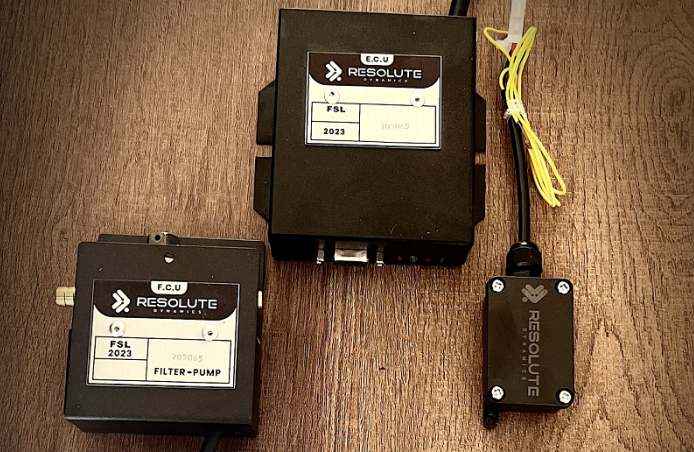
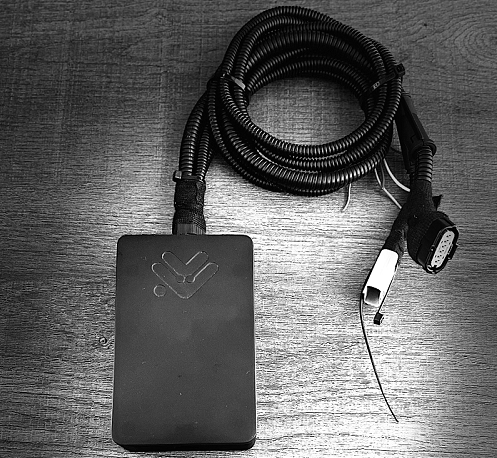
Resolute Dynamics designs and manufactures certified speed limiter devices used on 200,000+ vehicles across 20+ countries. We help fleet operators baseline current costs, install and calibrate devices to the right cap, and measure the savings.
→ Request a fleet consultation or call +971 50 213 0225
→ Prefer email? sales@resolute-dynamics.com

The Resolute Dynamics team designs and manufactures speed limiters (SLD), GPS tracking, and automotive safety systems used on 200,000+ vehicles across 20+ countries. We write about fleet compliance, road-safety regulation, and vehicle-safety technology, including Malaysia’s JPJ SLD mandate, UAE RTA rules, and global standards like UN R89, to help fleet operators and transport businesses stay safe and compliant.