If you run a truck or a bus in South Africa, the speed your vehicle is allowed to travel is not a suggestion. It is written into law.
South Africa controls heavy-vehicle speed through the National Road Traffic Act 93 of 1996 and the National Road Traffic Regulations, 2000, and these rules set hard ceilings of 80 km/h for the heaviest goods vehicles and 100 km/h for buses and lighter trucks.
There is also a separate rule about fitting a speed governor to the vehicle itself, and that part trips up a lot of fleet owners because the law on the books and the law in practice do not line up neatly. I want to clear up that confusion, walk through every speed threshold that applies to your fleet, and show you exactly how operators across the country keep their trucks and buses on the right side of the law.
What Do South African Speed Limiter Laws Require for Trucks and Buses?
South African speed limiter laws sit on three pillars, and once you understand all three, the whole picture snaps into focus.
- Statutory speed limits (Regulation 293). Heavy goods vehicles, buses, midibuses, and minibuses are bound to maximum speeds that are lower than the speeds allowed for ordinary cars. These limits are active, enforceable, and policed today.
- The speed governor provision (Regulation 215). A regulation published in 2014 set out a requirement for certain vehicles first registered after 1 December 2016 to carry a speed governor. The fitment side of this rule has never been switched on cleanly, so it is not enforced the way many websites claim.
- Voluntary fleet practice. Because the speed limits are real and the penalties are real, most serious operators fit a speed limiter anyway. It is the most dependable way to make sure a vehicle physically cannot break the legal ceiling.
So the honest answer is this: a device on your dashboard is not strictly forced on you by an actively enforced national mandate right now, but the speed your vehicle may travel is absolutely mandated, and a limiter is the cleanest path to obeying it. The rest of this article unpacks each of these pillars in plain language.
General Speed Limits in South Africa
Before we narrow down to trucks and buses, you need the baseline numbers that apply to all motorists. The general speed limits flow directly from the National Road Traffic Act and stay the same in every province, from the Western Cape to Limpopo.
| Road type | General speed limit |
|---|---|
| Public road inside an urban area | 60 km/h |
| Public road outside an urban area (not a freeway) | 100 km/h |
| Freeway | 120 km/h |
These figures are the default. A road sign can lawfully lower or raise the posted limit, and where a sign and the general limit disagree, the sign wins. Keep this baseline in your back pocket, because the heavy-vehicle limits are carved out as exceptions to these numbers.
Speed Limits for Trucks and Goods Vehicles in South Africa
Goods vehicles do not get to use the full 120 km/h freeway limit, and the cut-off depends on the vehicle’s gross vehicle mass (GVM) — the total permissible weight of the truck plus its load. The heavier the rig, the lower the lawful ceiling, because stopping distance and rollover risk climb steeply with mass.
Goods Vehicles Exceeding 9,000 kg GVM
A goods vehicle with a GVM above 9,000 kg may not exceed 80 km/h on any road, including a freeway. This is the strictest truck limit in the country and it covers the bulk of long-haul tractor-trailers, tippers, tankers, and rigid heavy trucks that dominate routes like the N3 freight corridor between Johannesburg and Durban.
The reasoning is straightforward physics: a fully laden 56-tonne interlink carries enormous kinetic energy, and shaving the top speed to 80 km/h cuts both the braking distance and the severity of any collision.
Goods Vehicles Between 3,500 kg and 9,000 kg GVM
A goods vehicle with a GVM of more than 3,500 kg but not more than 9,000 kg is capped at 100 km/h. This bracket sweeps in medium commercial vehicles, larger delivery trucks, and many panel vans and box bodies used by logistics firms.
This particular limit was tightened through an amendment published in Government Gazette 40420 of 11 November 2016; before that, these mid-weight trucks could legally run at the general 120 km/h freeway speed. Many of these vehicles now also display a “100” identification disc to signal their restricted class to traffic officers.
Articulated Trucks, Truck-Tractors, and Combinations
Articulated combinations, truck-tractors, and drawing vehicles with trailers fall under the same GVM-based ceilings, but they carry extra technical baggage.
Certain trailers, tractors, and combination vehicles are also bound by the manufacturer’s rated speed or by the limits set out in the SANS 1550 standard (formerly SABS 1550), and a handful of low-braking-capacity combinations face even tougher caps of 35 km/h or 15 km/h. The takeaway for fleet managers is simple: classify each unit by its GVM and configuration, then govern it to the lowest applicable figure.
Speed Limits for Buses, Midibuses, and Minibuses in South Africa
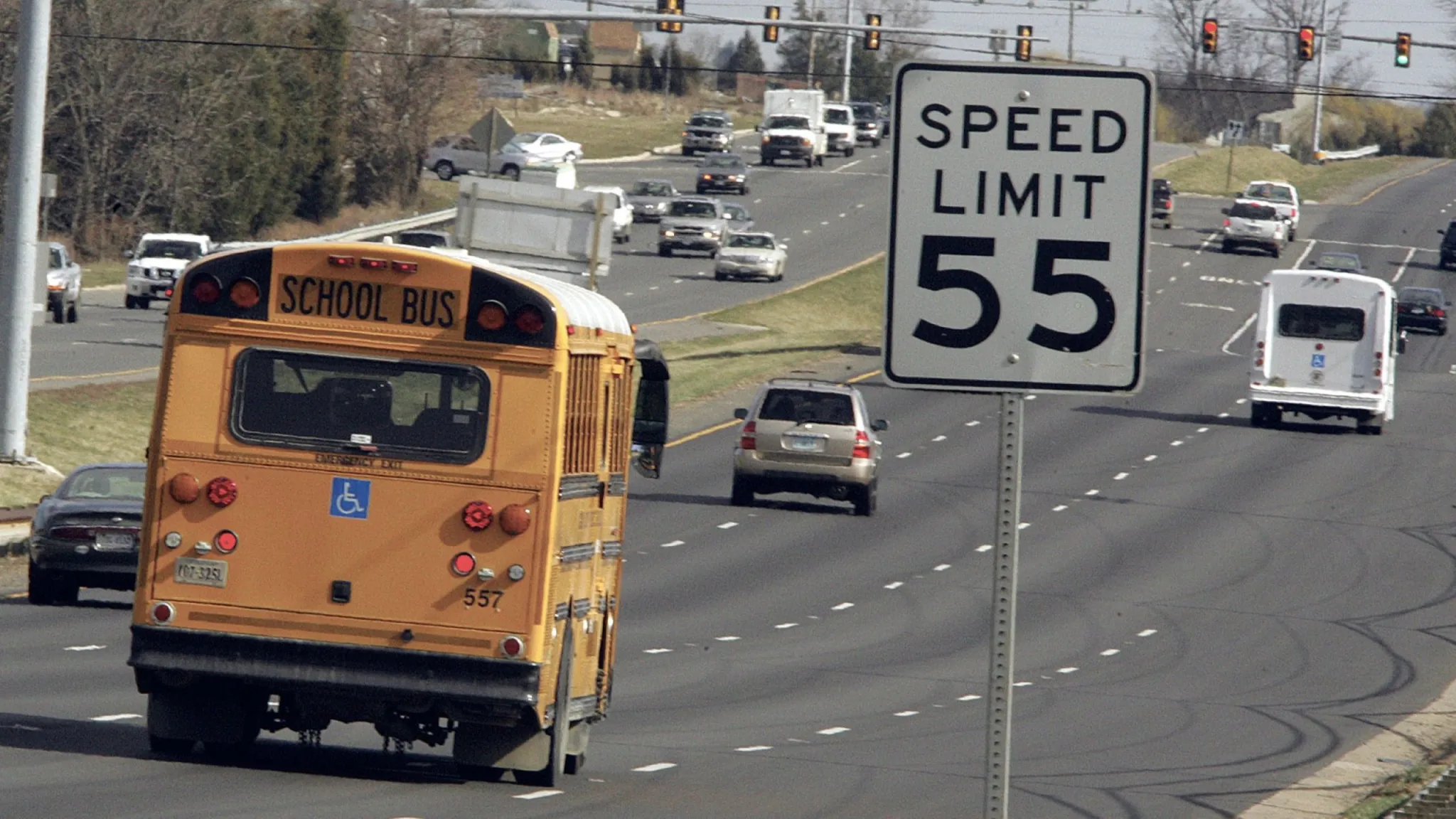
Buses, midibuses, and minibuses are limited to 100 km/h, regardless of how empty or full the freeway ahead looks. This single number covers the long-distance coach lines, the school transport sector, and the minibus taxi fleet that moves the majority of South African commuters every day.
The minibus taxi question deserves a candid word, because it is one of the most searched and most misreported topics in local road law. You will find headlines insisting that every taxi was forced to fit a certified limiter by a specific 2025 deadline. Treat those claims with caution — many trace back to content mills rather than gazetted law.
What is genuinely settled is the 100 km/h ceiling itself. Whether a taxi reaches that ceiling through a fitted governor or through driver discipline, exceeding it is an offence.
Are Speed Governors Mandatory in South Africa?
This is the heart of the confusion, so here is the precise position: South Africa does not currently operate an actively enforced national mandate compelling every truck and bus to carry a speed-limiting device.
That statement surprises people, because the regulatory intent has clearly existed for over a decade. The nuance lives in the difference between a rule being published and a rule being brought into operation.
Regulation 215 and the Speed Governor Provision
Regulation 215 was amended through Government Gazette 38142, published on 31 October 2014.
The amended wording introduced sub-regulation 215(1A), which stated that no person may operate a minibus, midibus, bus, or goods vehicle with a GVM exceeding 3,500 kg — first registered after 1 December 2016 — unless that vehicle is fitted with a speed governor restricting it to the limits in Regulation 293. On paper, that reads like a clean fitment mandate.
In practice, the provision sits in a grey zone. Under South African legislative procedure, a regulation only binds the public once it has been promulgated and brought into operation, and the speed-governor fitment requirement has never been switched on in a way that produces routine roadside enforcement.
Credible commercial-vehicle and fleet-technology sources reviewing the global landscape in 2026 continue to describe South Africa as a country with no enforced vehicle-fitment mandate, distinguishing it sharply from neighbours like Kenya, where the NTSA runs a fully active speed-governor regime built around the UNECE Regulation 89 (R89) technical standard. So the device requirement is best understood as dormant law rather than dead law — it exists, it could be activated, but it is not policing your fleet today.
Why South African Fleets Fit Speed Limiters Voluntarily
Even without a hard device mandate, thousands of South African operators install limiters by choice, and the logic is compelling. The statutory speed limits are fully enforceable, so a governor becomes a guardrail that makes a violation almost impossible.
Beyond pure compliance, a limiter delivers measurable fuel savings, because aerodynamic drag and engine load rise sharply at higher speeds; it lowers insurance risk and strengthens an operator’s position after an incident; and it supports the duty of “proper control” that the Act places on employers over their drivers.
One established local manufacturer reports having sold more than 6,000 units since 2015 — a clear signal that the market treats speed limitation as standard fleet hygiene, mandate or no mandate.
Speed Governor vs Speed Limiter: What’s the Difference?
People use “speed governor” and “speed limiter” interchangeably, and in everyday conversation that is fine, but there is a meaningful engineering distinction worth knowing. A speed governor is the broader, older term for any device — mechanical or electronic — that prevents an engine from exceeding a set speed, often by managing fuel delivery or throttle response.
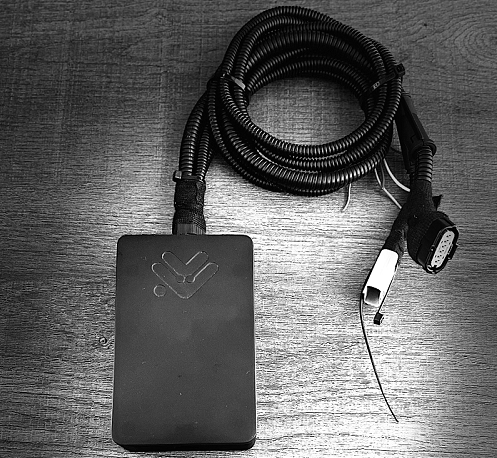
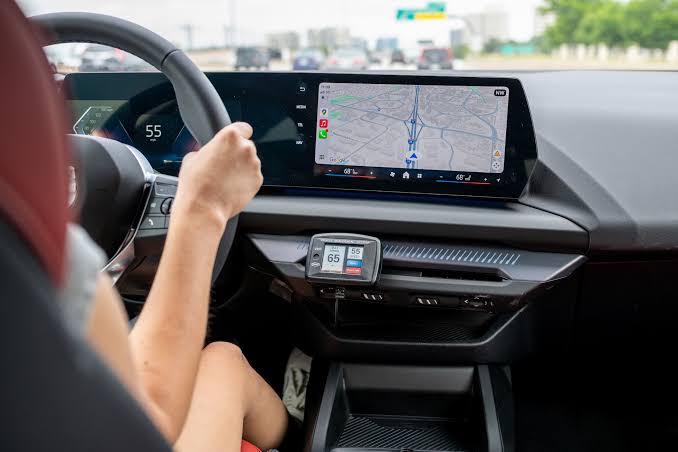
A speed limiter usually refers to the modern electronic system that works through the Engine Control Unit (ECU), reading data from the vehicle speed sensor and capping output the instant the vehicle approaches the programmed threshold.
The electronic variety is more precise, holds a tighter tolerance, and can integrate with GPS tracking and telematics for remote monitoring. If you want the full technical breakdown, the deep-dive on the technical differences between speed governors and limiters covers the internals in detail.
Required Speed Limiter Settings by Vehicle Class
When you set up a limiter, the programmed cap must match the legal ceiling for that vehicle’s class. Use this quick reference to dial in the correct figure for each unit in your fleet.
| Vehicle class | GVM / type | Required speed cap |
|---|---|---|
| Heavy goods vehicle | GVM above 9,000 kg | 80 km/h |
| Medium goods vehicle | GVM 3,500–9,000 kg | 100 km/h |
| Bus / coach | All sizes | 100 km/h |
| Midibus | Public transport | 100 km/h |
| Minibus / minibus taxi | Public transport | 100 km/h |
Setting a governor below the legal maximum is always permitted and is common practice for risk-averse fleets; setting it above the legal maximum defeats the purpose and leaves the vehicle exposed.
Penalties for Exceeding Speed Limits in South Africa
Breaching the heavy-vehicle speed limits is a traffic offence, and the consequences land on both the driver and the operator. Speeding fines scale with how far over the limit the vehicle was clocked, and serious excesses — typically more than 30 km/h over an urban limit or more than 40 km/h over a freeway limit — can trigger a court summons rather than a simple spot fine.
Under the Administrative Adjudication of Road Traffic Offences (AARTO) framework, offences also attract demerit points, and once a driver’s points cross the threshold, the licence faces suspension.
For fleet owners the stakes climb higher. Section 49(c) of the Act obliges an employer to exercise proper control over drivers, which means repeated speeding by your crews can expose the business itself to liability, jeopardise an operating permit, and, in severe cases, lead to vehicle impoundment.
After a fatal crash, a governed vehicle with documented compliance is a far stronger position to defend than an ungoverned one. The financial penalty for a single ticket is rarely the real cost — the operational, reputational, and liability fallout is where speeding bites a transport business hardest.
How to Make Your Truck or Bus Fleet Compliant
Getting a fleet compliant is a methodical process, not a guessing game. Follow these steps to move from uncertainty to confidence across every unit you operate.
- Audit every vehicle by class. Record the GVM and configuration of each truck and bus, then assign the correct legal speed ceiling from the table above.
- Select a suitable limiter for each unit. Match the device to the vehicle’s electronics and intended speed cap.
- Install through a qualified fitment centre. Proper installation protects engine function and braking systems while ensuring the cap holds under load and on gradients.
- Certify and calibrate the device. Obtain documentation that proves the limiter is set correctly and keep it with the vehicle.
- Monitor with telematics. Layer GPS tracking over the limiter so you can verify compliance fleet-wide and spot tampering early.
Choosing a Compliant Speed Limiter
The right limiter depends on your operating profile. Long-haul fleets crossing varied terrain benefit from systems that hold a precise cap regardless of gradient, while operators running mixed conditions sometimes prefer a dual or multi speed limiter that adjusts the ceiling between on-road and off-road environments.
Whatever you choose, prioritise tamper resistance — a limiter that can be bypassed with a screwdriver protects no one. You can review the full speed limiter / speed governor range to match a device to your fleet.
Speed Limiter Certification and Calibration
A limiter is only as trustworthy as its calibration record. Certification confirms that the device caps the vehicle at the intended speed within a tight tolerance, and that paperwork becomes invaluable during roadworthy inspections, insurance reviews, and post-incident investigations. Keeping a current speed limiter certificate on file for each vehicle turns a claim of compliance into documented proof.
Integrating GPS Tracking for Fleet Monitoring
A limiter caps the speed; GPS tracking proves it stayed capped. Pairing the two gives a fleet manager a live view of vehicle speed, route adherence, and any tampering attempts, and it transforms compliance from a once-off installation into a continuously verified state.
Modern GPS tracking systems also feed driver-behaviour data — harsh braking, idling, over-revving — that helps trim fuel bills and sharpen safety coaching.
Speed Limiter Requirements for School Buses in South Africa
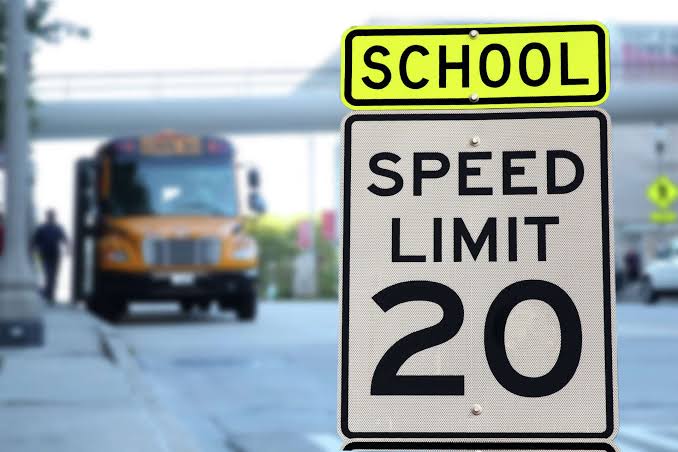
School buses carry the most precious cargo on the road, and they fall squarely within the 100 km/h bus limit — but prudent operators set the cap lower still. Because school transport involves frequent stops, vulnerable passengers, and heightened public scrutiny, a governed school bus is both a safety asset and a reputational one.
Purpose-built school bus safety solutions combine speed limitation with monitoring features tailored to the unique demands of moving children, giving parents, schools, and operators a shared layer of reassurance.
Speed Limiter Solutions from Resolute Dynamics in South Africa
Resolute Dynamics designs and supplies speed limiters, speed governors, GPS tracking systems, and certification support engineered for the demands of African fleets, with active presence across the continent.
For South African truck, bus, and school transport operators who want their vehicles to obey the legal ceilings without relying on driver willpower alone, a properly fitted and certified limiter is the most reliable route to peace of mind. To match the right solution to your fleet and arrange installation, get in touch with the team.
Frequently Asked Questions
Is a speed limiter legally required for trucks in South Africa? The legal speed limits for trucks are fully enforceable, but a national mandate forcing every truck to carry a speed-limiting device is not actively enforced at present. Regulation 215 introduced a fitment provision for vehicles registered after 1 December 2016, yet it has not been switched on in a way that produces routine roadside enforcement. Most operators fit limiters voluntarily to guarantee they stay within the legal speed ceilings.
What speed are trucks limited to in South Africa? Goods vehicles with a GVM above 9,000 kg are limited to 80 km/h on all roads, including freeways. Goods vehicles with a GVM between 3,500 kg and 9,000 kg are limited to 100 km/h.
What is the speed limit for buses in South Africa? Buses, midibuses, and minibuses are limited to a maximum of 100 km/h, even on freeways where cars may travel at 120 km/h.
Do minibus taxis need speed limiters in South Africa? Minibus taxis are bound by the 100 km/h limit, and exceeding it is an offence. Claims of a strict 2025 device-fitment deadline for all taxis largely originate from unreliable sources rather than gazetted law, so verify any such requirement against official channels.
What is the difference between a speed governor and a speed limiter? A speed governor is the broad term for any mechanical or electronic device that stops an engine exceeding a set speed. A speed limiter usually refers to the modern electronic system that works through the vehicle’s ECU, holds a tighter tolerance, and integrates with GPS and telematics.
What happens if a fleet vehicle exceeds the legal speed limit? The driver faces fines and AARTO demerit points, and serious excesses can prompt a court summons. The operator can face liability under the duty of proper control, risk to an operating permit, and in severe cases vehicle impoundment.
Related: Kenya & East Africa compliance – Speed governor explained.

The Resolute Dynamics team designs and manufactures speed limiters (SLD), GPS tracking, and automotive safety systems used on 200,000+ vehicles across 20+ countries. We write about fleet compliance, road-safety regulation, and vehicle-safety technology, including Malaysia’s JPJ SLD mandate, UAE RTA rules, and global standards like UN R89, to help fleet operators and transport businesses stay safe and compliant.