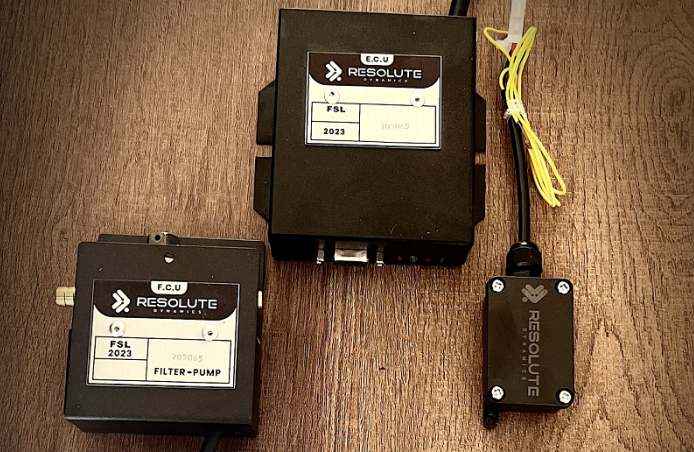
Speed limiters are one of the most cost-effective safety investments available to commercial fleet operators. Beyond the obvious accident-prevention benefit, a properly configured speed limiter device delivers measurable improvements across fuel spend, maintenance cycles, driver behaviour, compliance posture, and public perception. Here are the nine benefits fleet managers see most consistently.
1. Enhanced Road Safety
Speed is the single most common factor in serious commercial-vehicle collisions. Capping top speed removes the tail of the speed distribution — the portion where crash risk and severity rise sharply — and directly reduces both frequency and severity of incidents.
2. Compliance With Legal Speed Limits
Many jurisdictions mandate speed limiters on specific vehicle categories — RTA in the UAE, JPJ in Malaysia, UN R89 in the EU, RA 10916 in the Philippines, and provincial rules in Canada. Fitment is often a licensing prerequisite; non-compliance risks fines, insurance issues, and franchise loss for public transport operators.
3. Fuel Efficiency and Cost Savings
Aerodynamic drag rises with the square of speed. Capping top speed cuts the largest single contributor to highway fuel consumption. Fleets typically report 3–10% fuel savings depending on vehicle class and route mix.
4. Extended Vehicle Lifespan
Sustained high-RPM operation accelerates wear on turbochargers, injectors, brakes, tyres, and drivetrain components. A speed cap reduces the hours those components spend at peak load, extending replacement intervals and pushing back major overhauls.
5. Improved Driver Behaviour
When a vehicle physically cannot exceed the cap, driver behaviour shifts toward smoother acceleration and steadier cruising. Fleets see fewer speeding violations, fewer disciplinary incidents, and better retention as drivers spend less time managing enforcement risk.
6. Better Fleet Management Visibility
Modern speed limiters log speed events, engine hours, and idle time. That data feeds into fleet-management dashboards and gives operators the visibility to identify problem routes, problem vehicles, and problem behaviours before they become incidents.
7. Reduced Environmental Impact
Lower speeds mean lower fuel burn per kilometre and correspondingly lower emissions. For fleets under corporate ESG commitments or operating in low-emission zones, governed operation is a measurable contribution.
8. Reduced Liability and Insurance Exposure
Insurance underwriters increasingly price commercial fleet policies based on demonstrable safety controls. Documented speed-limiter fitment across a fleet supports lower premiums and reduces liability exposure in the event of a claim.
9. Public Safety and Community Relations
For operators of school buses, taxis, and community transport, visible commitment to safety technology strengthens public trust and improves the operator’s standing with regulators and communities.
Choosing the Right Speed Limiter for Your Fleet
The right device depends on vehicle class, operating environment, and compliance requirements. Key considerations:
- Certification for your jurisdiction (ECAS, UN R89, DAO, etc.)
- Calibration accuracy and tamper resistance
- Integration with your existing fleet-management systems
- Local warranty and support — avoid overseas RMA cycles
- Volume pricing for chain deployments
For a deeper look at rolling out speed limiters across a working fleet — training, monitoring, and calibration — see: Integrating Speed Limiters into Fleet Management.
Ready to Realise These Benefits Across Your Fleet?
Resolute Dynamics manufactures certified speed limiter devices used on 200,000+ vehicles across 20+ countries. We help operators quantify the opportunity, install and calibrate devices, and measure the results.
→ Request a fleet consultation or call +971 50 213 0225
→ Prefer email? sales@resolute-dynamics.com

The Resolute Dynamics team designs and manufactures speed limiters (SLD), GPS tracking, and automotive safety systems used on 200,000+ vehicles across 20+ countries. We write about fleet compliance, road-safety regulation, and vehicle-safety technology, including Malaysia’s JPJ SLD mandate, UAE RTA rules, and global standards like UN R89, to help fleet operators and transport businesses stay safe and compliant.