If you run a newer Hino, Isuzu or Fuso lorry registered from 2018 onward, you have a bit more breathing room than the older fleet, because your speed limiter deadline falls in 2027 rather than 2026.
But breathing room is not a reason to switch off, and there is actually good news buried in the timing: a modern truck usually takes clean, electronic ECU-based limiting instead of the clunkier mechanical retrofit older lorries often need. That means a smoother job, a smoother drive, and a device that plays nicely with the rest of your truck.
The catch is that “later deadline” and “better fitting option” both come with fine print. Your grant may close before your deadline, and the electronic-versus-mechanical choice depends on your exact model.
So let me break down when your 2027 deadline actually lands, how ECU-based limiting differs from a retrofit, what that means for these three makes specifically, and the timing trap that could cost you the grant if you wait.
Your Deadline: Why Post-2018 Lorries Fall in 2027
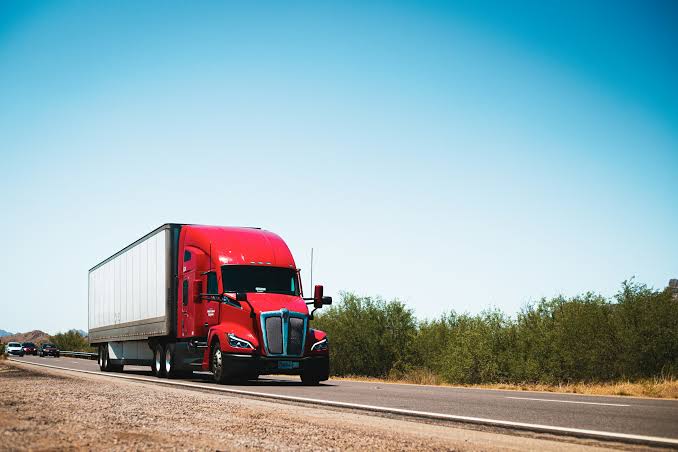
Post-2018 lorries get their deadlines in 2027 because vehicles registered from 1 January 2018 onward were given one extra year over the older fleet. The speed limiter rule applies to lorries with a maximum laden weight between 3,500kg and 12,000kg, capping them at 60 km/h, and it phases in by registration date and weight.
Older lorries, registered before 2018, had deadlines through 2026. Because your post-2018 truck gets an additional year, its deadline lands in 2027, with heavier lorries due earlier in the year and lighter ones later. That extra time is a genuine advantage, but it is also where operators get complacent and then scramble.
Knowing your exact date, tied to your lorry’s registration and weight, is the starting point for planning the fitting and the grant around it. Our guide to the Singapore speed limiter rules lays out which date applies to which vehicle.
ECU-Based Limiting vs Mechanical Retrofit: The Real Difference
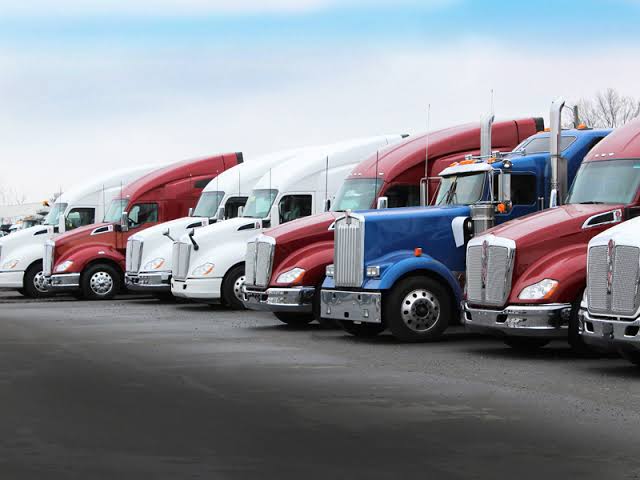
The core choice is between electronic limiting that talks to your truck’s computer and a mechanical governor bolted onto the fuel or throttle system. Both cap your speed at 60 km/h, but they do it in very different ways, and one suits modern trucks far better.
Electronic, ECU-based limiting
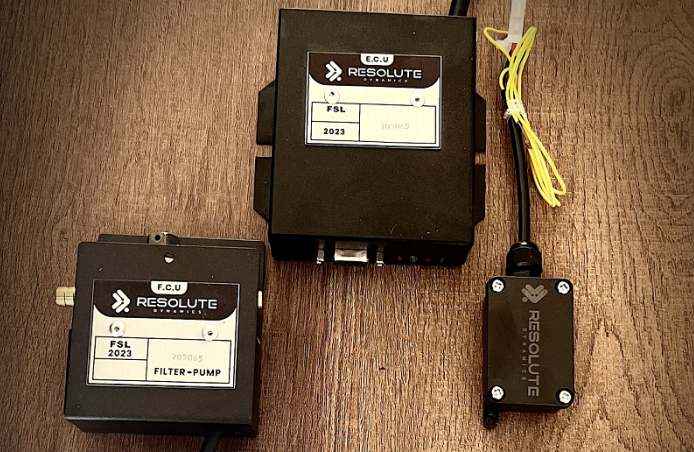
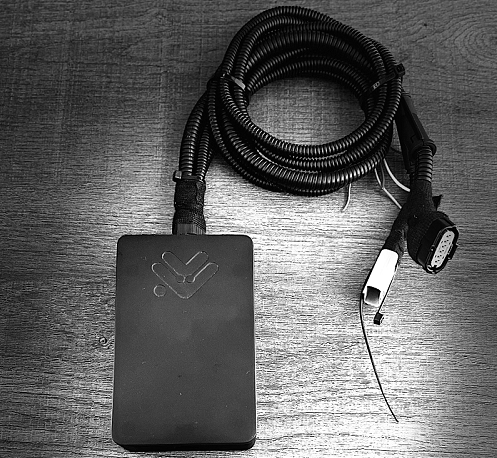
An electronic limiter connects to the vehicle’s Electronic Control Unit, the truck’s brain, and manages speed through the engine’s own electronic throttle. When you reach the cap, the ECU eases the power smoothly, with none of the abruptness of a mechanical cut.
On a modern truck this is the natural fit, because the vehicle is already built around electronic throttle control. It is also the more capable option, since it can integrate with telematics and give you cleaner data. Our guide on how the ECU powers speed limiting explains the mechanism in depth.
Mechanical retrofit
A mechanical limiter caps speed physically, by controlling the fuel or throttle through a governor, without touching the vehicle’s electronics. It is the right answer for older or fuel-injected lorries that lack a modern electronic throttle to work with.
It is rugged and simple, but it is a blunter tool, offering one fixed cap and none of the smoothness or data of an electronic system.
Why newer trucks usually suit ECU-based
Modern lorries generally run drive-by-wire electronic throttles and up-to-date ECUs, which is exactly what an electronic limiter needs. So a newer truck usually takes the cleaner, ECU-based path, while the mechanical retrofit is more of an older-vehicle solution. Our overview of the types of speed limiter devices covers the trade-offs in full.
| Factor | ECU-based (electronic) | Mechanical retrofit |
|---|---|---|
| How it caps speed | Through the ECU and electronic throttle | Physical fuel or throttle governor |
| Best for | Newer, drive-by-wire lorries | Older or fuel-injected lorries |
| Engagement | Smooth and gradual | Blunter, fixed |
| Data and telematics | Integrates well | Limited |
What This Means for Newer Hino, Isuzu and Fuso
For newer Hino, Isuzu and Fuso lorries, electronic ECU-based limiting is usually the clean fit, because these modern trucks are built around electronic throttle control. That generally means a tidier installation and a better drive than a mechanical retrofit would give.
Newer models from these makes typically run modern engine management with electronic throttles, which is what an electronic limiter integrates with. The result is smoother speed capping, less mechanical fuss, and a device that can work with telematics if you want it.
That said, the right choice still depends on your exact model and year, since specifications vary within a make, so your authorised agent should confirm compatibility for your specific truck rather than assuming.
What matters is that owning a modern Hino, Isuzu or Fuso usually puts the better, electronic option on the table, and you should ask for it rather than accepting a one-size-fits-all fitting. Getting the connection right also avoids clashes with existing systems, a point our guide on speed limiters and ECU interference covers.
The Timing Trap: Your Grant Closes Before Your Deadline
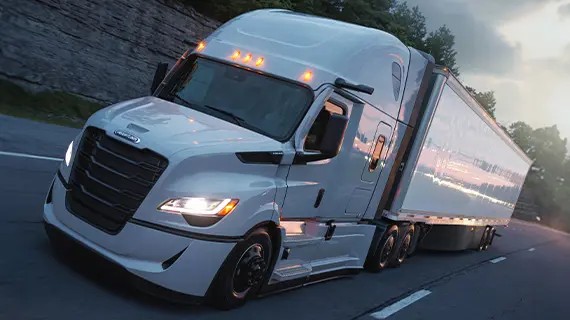
Here is the trap that catches post-2018 owners: your installation deadline may fall after the grant window closes. The Productivity Solutions Grant covers up to 50% of the cost, capped at S$30,000 a year, but its application window shuts on 31 March 2027, while some 2027 installation deadlines land later in the year.
So if your lorry’s deadline is in the second half of 2027, waiting until it is due to arrange the fitting could mean the grant is already gone. The smart move is to claim early, tied to the 31 March 2027 grant window, not your later installation deadline.
Apply and get approved before you pay, fit the limiter, and recover half the cost, rather than leaving the funding on the table because the two dates did not line up in your head. Our guide to claiming the PSG grant walks through the timing and the approval-before-payment rule.
Getting It Right on a Modern Truck
To do this well on a newer lorry, use an SPF authorised agent and insist they confirm the electronic option for your exact model. The vehicle deserves the fitting it is built for, and a good agent will match the device to the truck.
Choose an authorised installer, ask them to confirm whether your specific Hino, Isuzu or Fuso takes electronic ECU-based limiting, and make sure the installation avoids conflicts with cruise control or anything that could throw the truck into limp mode.
Confirm the job includes proper calibration to 60 km/h, a tamper-evident seal, and the speed limiter certificate plus records you will need at inspection. Our Singapore installation support page can help you get the fitting arranged properly. A modern truck fitted with the right electronic limiter, by the right agent, is a job you do once and forget.
A Post-2018 Compliance Checklist
Work through this for each newer lorry in your fleet.
| Step | Action |
|---|---|
| 1. Confirm your date | Find your 2027 deadline by registration and weight |
| 2. Check the device fit | Confirm electronic ECU-based limiting suits your model |
| 3. Pick an authorised agent | Verify them on the SPF list |
| 4. Claim early | Apply for PSG before 31 March 2027, before you pay |
| 5. Fit and calibrate | Electronic limiter, 60 km/h cap, sealed |
| 6. Avoid ECU conflicts | Confirm no cruise or limp-mode issues |
| 7. Keep records | Certificate and documents on file |
Frequently Asked Questions
When is the speed limiter deadline for a post-2018 lorry?
Lorries registered from 1 January 2018 onward get one extra year over the older fleet, so their deadlines fall in 2027, with heavier lorries due earlier in the year and lighter ones later. Confirm your exact date by your lorry’s registration and maximum laden weight.
Does a newer Hino, Isuzu or Fuso need a mechanical or electronic limiter?
Newer models from these makes usually suit electronic, ECU-based limiting, because they are built around electronic throttle control. The mechanical retrofit is more of an older-vehicle solution. Your authorised agent should confirm the right option for your specific model and year.
Is ECU-based limiting better than a mechanical retrofit?
For a modern truck, ECU-based limiting is generally the better fit. It caps speed smoothly through the engine’s electronics, integrates with telematics, and avoids the blunter feel of a mechanical governor. A mechanical retrofit is the right choice mainly for older or fuel-injected lorries.
Can I still get the PSG grant for a 2027-deadline lorry?
Yes, but you must apply before the grant window closes on 31 March 2027, which can fall before your installation deadline. Claim early rather than waiting for your deadline, apply and get approved before you pay, and you can recover up to 50% of the cost.
Will a speed limiter affect my truck’s ECU or cruise control?
Fitted correctly by a competent agent, it should not. A quality electronic limiter works with the ECU without causing fault codes, cruise-control conflicts, or limp mode. Confirming this with your agent before installation is exactly why the choice of installer matters on a modern truck.
Final Thoughts
A post-2018 Hino, Isuzu or Fuso gives you two advantages, and it pays to use both. Your deadline sits in 2027, and your modern truck usually takes the cleaner, electronic ECU-based limiter rather than a mechanical retrofit. The way to make the most of it is to claim the grant before it closes on 31 March 2027, choose an authorised agent who confirms the electronic fit for your exact model, and get the job done smoothly, sealed, and documented. Handle it that way and your newer lorry stays compliant, drives well, and never becomes a last-minute scramble in 2027.

The Resolute Dynamics team designs and manufactures speed limiters (SLD), GPS tracking, and automotive safety systems used on 200,000+ vehicles across 20+ countries. We write about fleet compliance, road-safety regulation, and vehicle-safety technology, including Malaysia’s JPJ SLD mandate, UAE RTA rules, and global standards like UN R89, to help fleet operators and transport businesses stay safe and compliant.