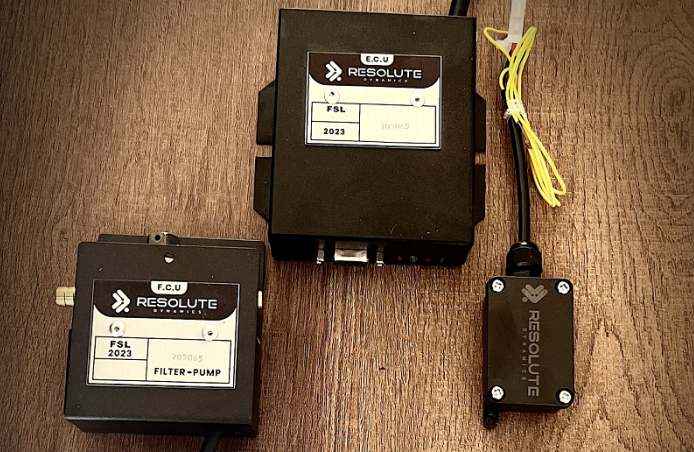
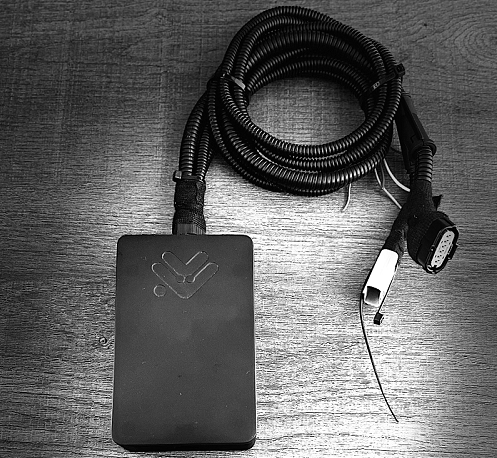
Buying a used lorry is one of the smartest ways to keep fleet costs down, right up until you drive it home and find out it has no speed limiter, or one that has been quietly tampered with. Because the moment that vehicle is yours, so is the compliance problem.
In Singapore, a lorry that needs a speed limiter and does not have a proper one cannot legally operate, and the bill to fix it lands on you, not the seller who already has your money.
So the speed limiter is no longer a detail you can check after the sale. It belongs on your pre-purchase inspection list, right next to the engine, the tyres, and the paperwork. Let me show you exactly what to verify before you pay, what can go wrong if you skip it, and how a five-minute check can save you thousands and even turn into a bargaining chip.
Why the Speed Limiter Is Now Part of Every Used Lorry Deal
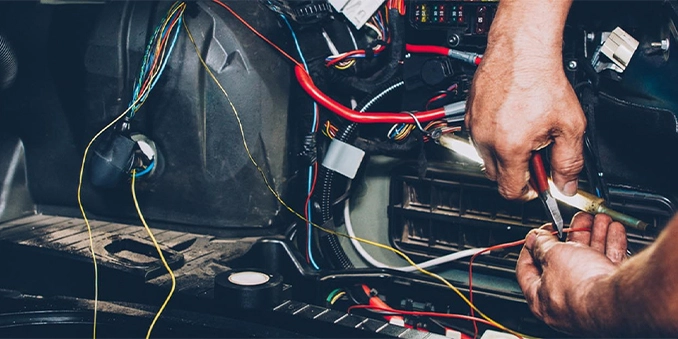
The speed limiter matters at resale because the compliance obligation follows the vehicle, so when you buy the lorry, you buy its compliance status too.
The rule requires lorries with a maximum laden weight between 3,500kg and 12,000kg to have a speed limiter that caps them at 60 km/h. If the lorry you are eyeing falls in that band, it needs one, full stop.
Here is the part that catches buyers out. A seller has every reason to gloss over a missing or dodgy limiter, because once the sale closes, it stops being their problem and becomes yours. You cannot operate the lorry legally until it is compliant, which means the cost and hassle of fitting or fixing the device is a hidden line item in the purchase, whether you spotted it or not.
Our guide to the Singapore speed limiter rules sets out which lorries need one and by when, and checking that against the vehicle in front of you is step one of any smart used purchase.
What Can Go Wrong When You Skip the Check
Skipping the check exposes you to three expensive surprises, each of which becomes your problem the instant you pay. None of them is obvious from a quick look around the cab, which is exactly why they catch people out.
No speed limiter fitted at all
The simplest trap is a lorry that never had a limiter fitted. You buy it, then discover you must arrange installation before it can legally work, an unplanned cost on top of the purchase price, and possibly with no grant to soften it.
A tampered or removed limiter
Worse is a lorry that appears to have a limiter but the device has been tampered with, disconnected, or its seal broken. Tampering carries its own penalties in Singapore, and you would need the device properly restored, re-sealed, and re-certified. Our guide on tamper-proof fleets in Singapore explains why a broken seal is a red flag, not a minor detail.
A lorry that cannot pass inspection
Both of the above lead to the same wall: a lorry that fails its mandatory inspection over the speed limiter is prohibited from being driven. Buy one unknowingly and you have paid good money for a vehicle you legally cannot put to work until you fix it. That is the worst outcome, a parked asset draining cash instead of earning it.
How to Verify Speed Limiter Status Before You Pay
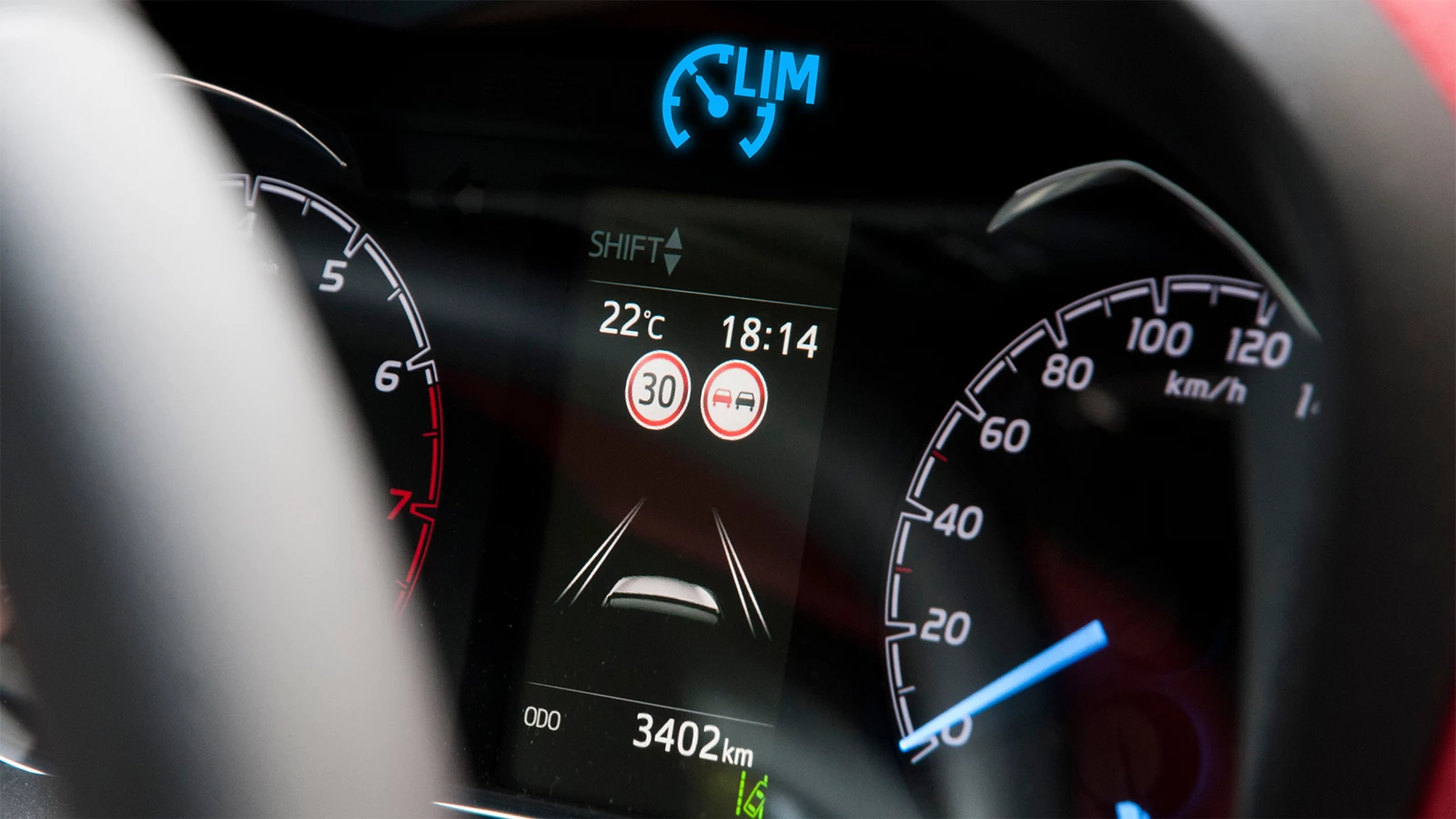
Verifying is straightforward if you ask for proof, check the records, and confirm the device with your own eyes. Do these before any money changes hands, because leverage disappears the moment you pay.
Ask for the speed limiter certificate
A compliant lorry should have a speed limiter certificate showing the device was properly fitted and certified. Ask the seller to produce it. A seller who cannot, or will not, is telling you something important. No certificate means you treat the lorry as non-compliant until proven otherwise.
Check the vehicle’s inspection status and records
Confirm the lorry’s inspection history and current status. A vehicle that is up to date on its mandatory inspection, with the speed limiter requirement satisfied, is a far safer buy than one with gaps or a failed inspection in its record. This is also where a non-compliant vehicle usually reveals itself.
Physically inspect the device and its seal
Do not take paperwork alone on faith. Confirm the limiter is actually fitted and that its tamper-evident seal is present and intact. A missing device, a broken seal, or signs of interference all mean the lorry is not what its documents may claim, and that you would inherit the fix.
Get an Authorised Agent to verify if unsure
If you cannot confirm the status yourself, have an Authorised Agent check it before you commit. They can confirm whether the device is present, working, correctly set, and properly sealed, which turns guesswork into certainty. Our Singapore installation support page can point you toward getting a vehicle checked or sorted.
The Grant Trap: Why the Deadline Matters at Resale
The grant angle is where used buyers lose money without realising it, because if the lorry’s installation deadline has already passed, you may not be able to claim the PSG grant to fit the limiter. That turns a subsidised cost into a full one, and it should shape what you are willing to pay.
The Productivity Solutions Grant covers up to 50% of speed limiter costs, capped at S$30,000 per financial year, but it is aimed at lorries whose deadlines have not yet passed, and the application window closes on 31 March 2027. So a used lorry that is already past its deadline is a double hit: it is non-compliant now, and you likely fund the fix at full price.
A lorry still within its window may let you claim the grant, but only if you apply properly and in time. Knowing which situation you are in, before you negotiate, is the difference between a smart buy and an expensive one. Our guide to claiming the PSG grant walks through eligibility and timing.
Turn the Check Into Negotiating Power
A missing or non-compliant limiter is not just a risk, it is leverage you can use to lower the price. Once you know the true compliance status, you hold a concrete, defensible reason to negotiate.
If the lorry needs a limiter fitted, or a tampered one restored and re-certified, price that work out and subtract it from your offer. Better still, ask the seller to make the lorry fully compliant, with a valid certificate, before the sale completes, so you take delivery of a vehicle you can drive from day one.
Either way, you have shifted a hidden cost into an open one and made the seller share it. Buyers who skip the check pay full price and eat the fix. Buyers who do the check pay less, or buy compliant. That is the whole return on a five-minute inspection.
A Pre-Purchase Speed Limiter Checklist
Run through this before you pay for any used lorry in the affected weight range.
| Check | What to confirm | Red flag |
|---|---|---|
| Weight class | Is it a 3,500kg to 12,000kg MLW lorry that needs a limiter? | Seller unsure or evasive |
| Certificate | A valid speed limiter certificate exists | No certificate produced |
| Inspection | Up to date, requirement satisfied | Gaps or a failed inspection |
| The device | Limiter fitted and set to 60 km/h | Missing or clearly disabled |
| The seal | Tamper-evident seal present and intact | Broken or absent seal |
| Deadline and grant | Is the lorry within its deadline and grant window? | Deadline already passed |
What to Do After You Buy
If you have already bought a lorry that is not compliant, act immediately to make it legal before you put it to work. The longer a non-compliant lorry sits or, worse, operates, the more risk and cost you carry.
Book an Authorised Agent straight away, have a compliant speed limiter fitted or the existing one restored and re-sealed, then put the lorry through inspection to clear it for the road. Keep the certificate and installation records for your files.
If your vehicle still qualifies for the PSG grant, apply before you pay the agent so you recover part of the cost. Moving fast here protects you from the fines and driving prohibition that come with operating a non-compliant lorry, which our guide on missing the speed limiter deadline covers in detail.
Frequently Asked Questions
Do I inherit the speed limiter obligation when I buy a used lorry?
Yes. The requirement attaches to the vehicle, so once you own and operate a lorry in the affected weight range, keeping it compliant with the speed limiter rule is your responsibility. Any missing or non-compliant device becomes your cost to fix, not the seller’s.
How do I check if a used lorry has a compliant speed limiter?
Ask the seller for the speed limiter certificate, check the lorry’s inspection status and records, and physically confirm the device is fitted with an intact tamper-evident seal. If you are unsure, have an Authorised Agent verify the device before you pay.
Can I claim the PSG grant on a used lorry?
Possibly, but only if the lorry’s installation deadline has not already passed, since the grant is aimed at vehicles still within their deadlines, and the window closes on 31 March 2027. A used lorry already past its deadline may not qualify, meaning you fund the limiter at full price. Confirm eligibility on the official Business Grants Portal.
What if the used lorry’s speed limiter has been tampered with?
A tampered or disabled limiter must be restored, re-sealed, and re-certified by an Authorised Agent before the lorry is compliant. Tampering also carries penalties, so a broken seal or interfered device is a serious red flag and a strong reason to renegotiate or walk away.
Can I drive a used lorry without a speed limiter?
No. If the lorry falls in the weight range that requires a limiter, it will fail its mandatory inspection and be prohibited from being driven until a compliant device is fitted and it passes re-inspection. Buying one without checking can leave you with a lorry you cannot legally use.
Final Thoughts
A used lorry is only a good deal if you can actually drive it, and in Singapore that now depends on its speed limiter. Check the certificate, the inspection record, and the device itself before you pay, and you protect yourself from inheriting a hidden compliance bill, a tampering headache, or a lorry stuck off the road. Do the check and you either buy a compliant vehicle or knock the fix out of the price. Skip it and you pay full price for someone else’s problem. Five minutes of verification is the cheapest insurance in the whole purchase.

The Resolute Dynamics team designs and manufactures speed limiters (SLD), GPS tracking, and automotive safety systems used on 200,000+ vehicles across 20+ countries. We write about fleet compliance, road-safety regulation, and vehicle-safety technology, including Malaysia’s JPJ SLD mandate, UAE RTA rules, and global standards like UN R89, to help fleet operators and transport businesses stay safe and compliant.