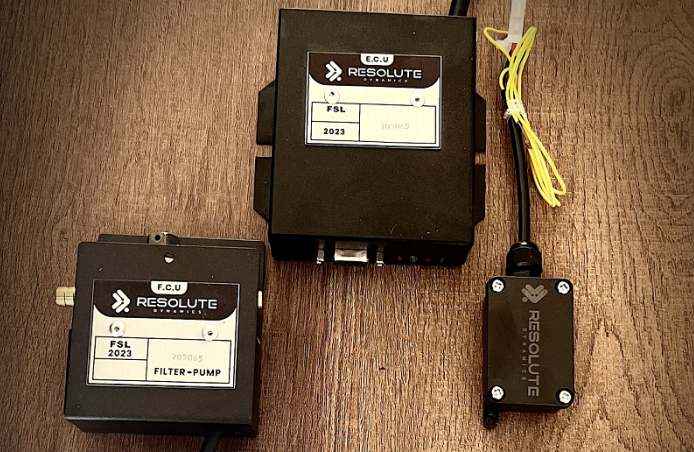
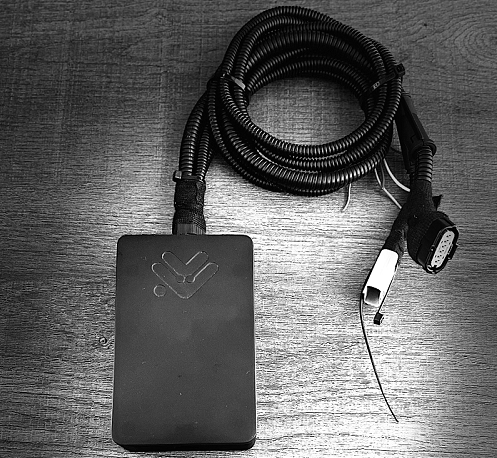
In Singapore, you cannot just book any workshop to fit your lorry’s speed limiter. It has to be an agent authorised by the Singapore Police Force. That rule narrows your options, but it does not do the whole job for you, because being on the authorised list is a floor, not a guarantee of good work.
Some agents fit a quality device quickly, handle your grant paperwork, and hand you clean records. Others quote vaguely, drag out the job, and leave you chasing your own certificate.
The difference between the two shows up fast if you ask the right questions. A handful of pointed questions will separate the agent who makes this easy from the one who becomes a headache, before you have paid a cent.
Let me give you those questions, the red flags to watch for, and how to make sure the agent fits the right device for your fleet, not just any device.
Why the Agent You Pick Actually Matters

The agent matters because being SPF-authorised is the minimum, not the measure of quality. Every agent you consider must be on the official list, but among them, price, turnaround, device quality, grant handling, and after-service vary widely. Pick badly and you can face delays while your deadline looms, a higher bill, or a job you have to redo.
Think about what is riding on this. The agent fits a device your lorry legally depends on, certifies it, and gives you the records you will need at inspection. If any of that is done poorly, you are the one who fails inspection, loses road time, or cannot prove compliance later. The device also has to suit your vehicles, and the agent’s advice shapes that choice.
so the selection is not a formality. It is the decision that determines whether your speed limiter is a one-time job done right or a recurring problem. Our guide to the Singapore speed limiter rules sets out what compliance actually requires, which is the standard your agent must meet.
First, Verify They Are Actually Authorised
Before any conversation about price, confirm the agent is genuinely on the SPF Authorised Agents list. This is your first and simplest filter, and it is non-negotiable, because a limiter fitted by a non-authorised workshop does not make you compliant.
The Singapore Police Force publishes the official list of authorised agents, with company names, registration details, workshop addresses, and contact information. Check the agent against it yourself rather than taking a website badge or a salesperson’s word.
Match the company name and its registration to the list, and confirm the workshop you will actually use is the one that is authorised. An agent who is genuinely authorised will have no problem with you verifying this, and one who hesitates has answered your question in a different way.
The Questions That Filter Out the Wrong Agent

The fastest way to sort good agents from weak ones is to ask seven direct questions and listen for clear, confident answers. Vague or evasive replies are the filter working. Here is what to ask.
“Are you on the SPF Authorised Agents list, and under what registration?”
This confirms the basics and lets you verify them. A solid agent gives you their exact registered name and details so you can check the list. Anyone who dodges this is not worth your time.
“Which speed limiter do you fit, and is it certified?”
The device matters as much as the fitting. Ask which limiter they install, whether it is mechanical or electronic, and that it is a certified, proven unit. Reputable agents fit recognised devices, for example the Resolute Dynamics FSL mechanical and ESL electronic limiters available through authorised agents in Singapore, rather than an unnamed box. If they cannot tell you what they are fitting, that is a problem.
“Can you help with my PSG grant application?”
Many operators can claim the Productivity Solutions Grant for up to 50% of the cost, and a good agent understands the process and the critical rule that you must apply and be approved before you pay. An agent who knows the grant, and helps you sequence it correctly, saves you real money and a disqualified claim.
“What is your turnaround time?”
As deadlines bite across the industry, agents get busy and slots fill. Ask how soon they can fit you in and how long the job takes, so you are not left exposed while you wait. A realistic, specific answer beats a vague “soon.”
“What exactly does your quote include?”
Insist on an itemised quote covering the device, installation, calibration, the compliance certificate, and the tamper-evident seal. This is how you avoid surprise add-ons later and compare agents fairly. A one-line lump sum hides too much.
“What warranty and after-service do you offer?”
Ask about the warranty on both the device and the installation, and whether they support recalibration and repairs down the line. A limiter needs upkeep, so an agent who stands behind their work and stays reachable is worth more than the cheapest quote.
“Will I get the certificate and full records?”
Confirm you will receive the speed limiter certificate and installation records, because these are your proof of compliance at inspection and beyond. An agent who treats records as an afterthought leaves you exposed.
Red Flags to Walk Away From
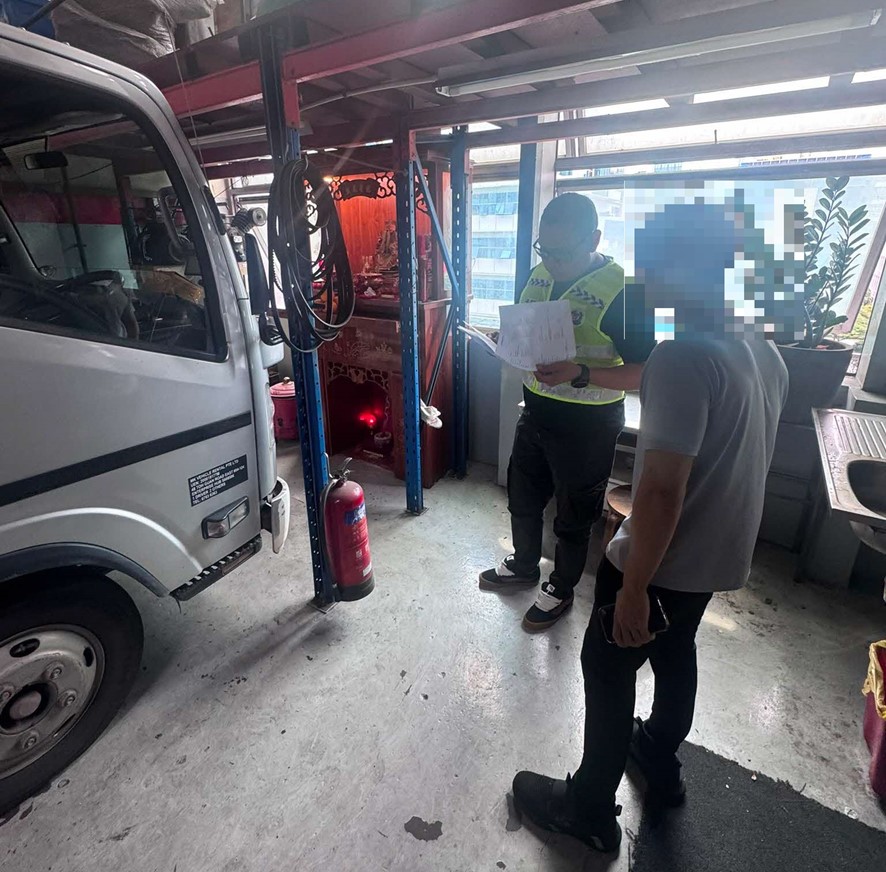
Certain answers should end the conversation, not start a negotiation. These red flags reliably mark the agents to avoid.
Walk away if the company is not on the SPF authorised list, or is cagey when you try to verify it. Be wary of a vague, non-itemised quote, or a refusal to say which device they fit. Treat pressure to pay a deposit before your PSG application is approved as a serious warning, since it can cost you the grant. And an agent who cannot commit to giving you the certificate and records is telling you they do not run a tight operation.
Any one of these is reason enough to move to the next name on the list. There are plenty of authorised agents, so you never have to settle for a doubtful one.
Match the Device to Your Fleet, Not Just the Agent
The best agent for you is one who fits the right device for your lorries, not just any compliant box. The device choice shapes reliability, so weigh it alongside the agent.
Older, fuel-injected lorries often suit a mechanical limiter, while newer vehicles pair well with an electronic one, and the two behave differently in service. A good agent asks about your vehicles and recommends accordingly, rather than fitting the same unit to everything.
Our guide to the types of speed limiter devices explains the mechanical versus electronic choice, and choosing the right limiter in Singapore helps you match it to your fleet. Bring that understanding to the conversation, and you can tell quickly whether an agent is advising you or just selling you.
A Quick Agent-Vetting Checklist
Run every agent through this before you commit.
| Check | What to confirm | Red flag |
|---|---|---|
| Authorised status | On the SPF list, verified by you | Not listed or evasive |
| Device | Named, certified, suits your fleet | Unnamed or one-size-fits-all |
| PSG help | Understands the grant and sequencing | Pushes payment before approval |
| Turnaround | Specific timeline and slot | Vague “soon” |
| Quote | Itemised: device, install, cert, seal | Lump sum, hidden extras |
| Warranty | Device and install, plus support | None or unclear |
| Records | Certificate and documents provided | Treated as an afterthought |
Frequently Asked Questions
How do I know if a speed limiter agent is SPF authorised?
Check the agent against the official Singapore Police Force list of Authorised Agents, which includes company names, registration details, and workshop addresses. Verify it yourself rather than relying on a claim, and confirm the specific workshop you will use is the one that is authorised.
What should I ask a speed limiter installer before booking?
Ask whether they are on the SPF authorised list, which certified device they fit, whether they help with the PSG grant, their turnaround time, what the itemised quote includes, their warranty and after-service, and whether you receive the certificate and records. Clear answers mark a good agent.
Can the authorised agent help with my PSG grant?
A good agent understands the Productivity Solutions Grant and helps you sequence it correctly, including the rule that you must apply and be approved before paying. They cannot claim it for you, but their guidance helps you avoid the mistakes that disqualify a claim.
Does the agent give me the compliance certificate?
They should. Confirm before booking that you will receive the speed limiter certificate and installation records, since these are your proof of compliance at the mandatory inspection and if any question arises later. An agent who is casual about this is a warning sign.
What speed limiter should the agent fit?
The agent should fit a certified device suited to your vehicles, typically a mechanical limiter for older lorries or an electronic one for newer vehicles. A good agent recommends based on your fleet rather than fitting the same unit to everything, and can tell you exactly what they are installing.
Final Thoughts
Choosing an SPF Authorised Agent is not about finding anyone with the right stamp. It is about finding the one who fits a proven device, handles your grant correctly, works to your deadline, and hands you clean records at the end. The seven questions above do the sorting for you, quickly and before you spend anything.
Verify the authorisation, insist on a named and certified device, and walk away from the vague or evasive. Do that, and your speed limiter goes in once, done right, with the paperwork to prove it, instead of becoming a job you have to fix twice.

The Resolute Dynamics team designs and manufactures speed limiters (SLD), GPS tracking, and automotive safety systems used on 200,000+ vehicles across 20+ countries. We write about fleet compliance, road-safety regulation, and vehicle-safety technology, including Malaysia’s JPJ SLD mandate, UAE RTA rules, and global standards like UN R89, to help fleet operators and transport businesses stay safe and compliant.