Picking the right speed limiter is only half the decision. The other half, the one that gets far less attention and causes far more regret, is picking the right company to buy it from. A brilliant device from a weak supplier still leaves you stranded when a unit fails on a Friday night, when a regulation changes and your firmware does not, or when the warranty conversation turns into a runaround. You are not buying a box. You are entering a multi-year relationship built on calibration, spares, firmware, and support.
So before you sign anything, you need to vet the supplier as carefully as you vet the hardware. This is about the company, not the spec sheet. Below are the checks that separate a genuine long-term partner from a vendor who disappears once the invoice clears. Run every shortlisted supplier through them, and you will avoid the expensive mistake of choosing a good device backed by a bad partner.
Why the Supplier Matters as Much as the Device
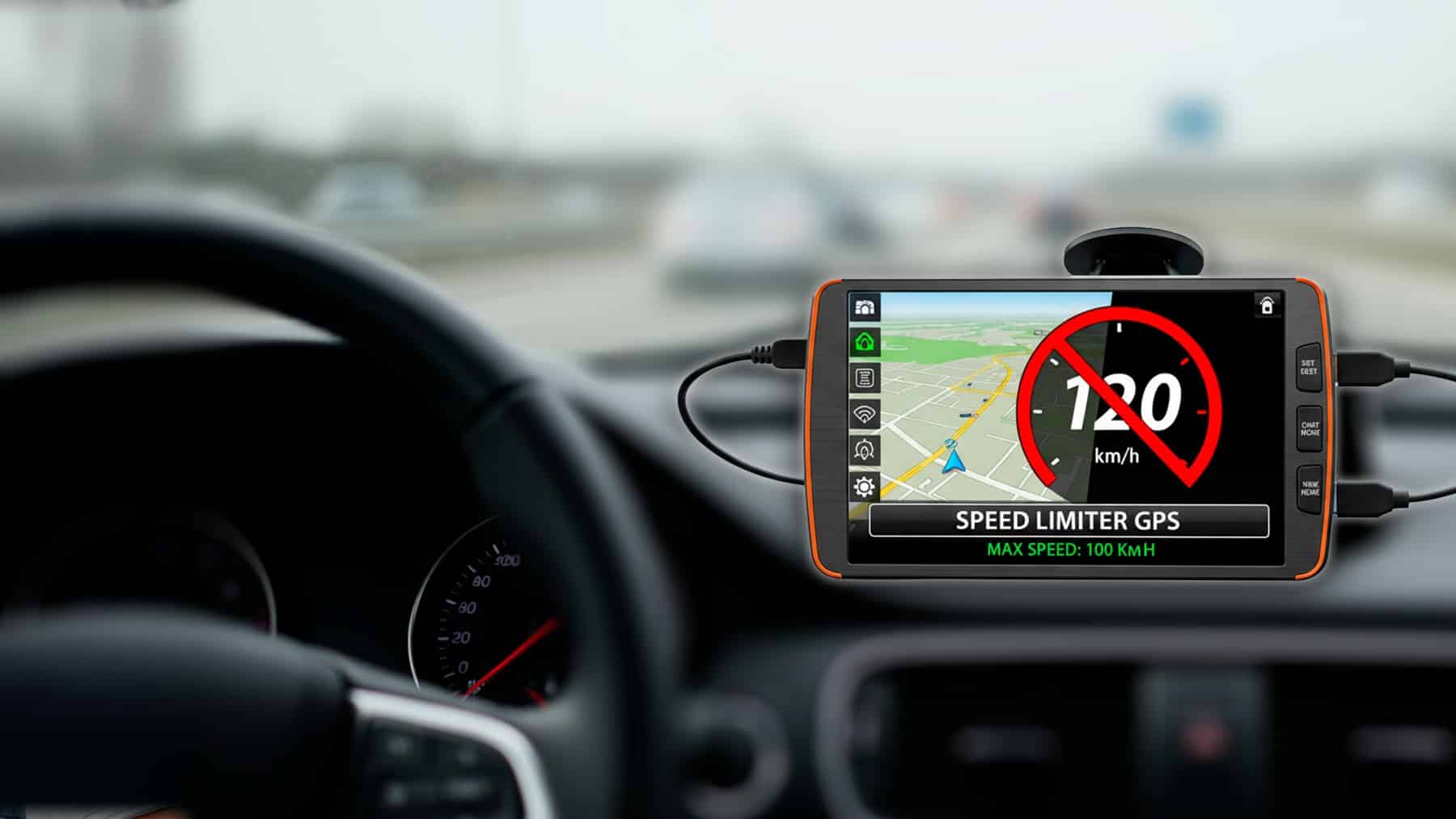
The supplier matters because a speed limiter is a safety-critical system you have to keep running for years, not a one-off purchase. The device gets fitted once, but the relationship around it never stops: annual recalibration, firmware updates, spare parts, tamper checks, and support when something breaks. A weak supplier turns each of those into a problem.
Think about what happens after the sale. A vehicle throws a limiter fault and cannot legally run until it is fixed. Who answers the phone, how fast, and can they get you a part? A country tightens its speed rules. Does your supplier push a tested update, or leave you non-compliant? A dealer questions whether the limiter caused a fault. Does your supplier stand behind their hardware with a real warranty? The device is identical in every one of these situations.
What changes the outcome is the company behind it. That is why supplier evaluation deserves as much rigor as device selection, and why the two together, alongside the technical clauses in your speed limiter RFP, make up a complete purchase decision.
Verify Certifications and Compliance Documentation

Your first hard filter is documentation: a credible supplier hands you the device and the paperwork, not just the box. Compliance lives in the certificates as much as in the hardware, and a supplier who cannot produce evidence leaves you exposed at the port and during inspection.
Ask every supplier to produce type-approval and certification documents for each market you operate in, and treat the ability to do so as pass-or-fail. In the Gulf, that means conformity with standards like GSO 1625 and GSO 1626, and for Saudi Arabia, SABER-ready documentation including product certificate of conformity support. In India it means AIS 018 certification, in Europe the UN ECE R89 regulation, and in the United States the relevant FMCSA requirements.
A supplier who answers “our devices are compliant” without attaching proof is a supplier to be wary of. The right partner produces the evidence without hesitation, because they deal with it every day. Our guide to Saudi Arabia SASO certification shows the kind of documentation checklist worth running, and the global comparison of speed limiter laws helps you name the right standards for your regions.
Check Track Record and References
A supplier’s history tells you how they will treat you, so ask for references from fleets like yours and actually contact them. Marketing claims are cheap. A phone call to an operator who has run the supplier’s devices for two years is worth more than any brochure.
Look at how long the company has been in the market, the scale and type of fleets they serve, and whether they have real experience in your sector and your region. A supplier who understands logistics fleets may not understand mining or municipal operations, and one who thrives in one country may have no footing in yours. Ask for references from comparable operations and put questions to those references directly: How responsive is support? Did the devices hold up? Were there hidden costs? How did the supplier handle a problem when one arose? The answers reveal what a sales pitch never will.
Assess Support Quality and Service-Level Agreements
Because a grounded vehicle costs money every hour, demand clear service-level agreements that spell out how fast the supplier responds to safety-critical issues. Support is not a soft extra here. It is the thing standing between a minor fault and a vehicle stuck out of service.
Expect a true partner, not just a box supplier. That means technical support available around the clock for serious issues, defined response times written into an SLA, and multiple ways to reach them: phone for urgent outages, plus email and other channels for routine questions.
For larger fleets, account management matters too, so you have a named contact who knows your operation. Ask exactly how quickly they commit to responding to a safety-related outage versus a normal query, and get it in writing. Our rundown of the top questions fleet managers ask about speed limiters covers the level of support you should insist on before committing.
Evaluate Reliability and Uptime Commitments

Judge suppliers on real reliability metrics and uptime guarantees, not just the unit price on a spec sheet. A cheap device that spends days in the workshop is expensive once you count the downtime it causes.
Ask about two numbers in particular. Mean time to repair, or MTTR, is how long it takes to get a failed limiter back to verified working condition, from the moment a fault is logged to the proven fix. Mean time between failures, or MTBF, tells you how often failures happen in the first place. A serious supplier can speak to both and may offer an uptime guarantee built around them, which shifts part of your downtime risk onto their shoulders.
Also confirm spare-parts availability and lead times, because the fastest diagnosis in the world does not help if the replacement unit is weeks away. Our speed limiter downtime calculator shows how quickly those workshop days add up in real money, which is exactly why these commitments matter.
Confirm Warranty and Long-Term Backing
A supplier should stand behind their own hardware with a clear warranty, separate from whatever the vehicle maker covers. This is a direct test of how confident they are in what they sell.
Ask what the warranty covers, for how long, and what it excludes. A solid program typically covers manufacturing defects in materials and workmanship for a defined term, and a supplier who offers little or hedges heavily is telling you something about their own faith in the product. Warranty strength is also a proxy for stability: a company that expects to be around in five years writes warranties it intends to honor. Weigh this alongside price, because a marginally cheaper device with a thin warranty can cost far more the first time a unit fails.
Manufacturer or Reseller: Know Who You Are Buying From
It pays to know whether your supplier makes the devices or simply resells them, because that shapes how much they can actually help you. A manufacturer controls the firmware, the harnesses, and the fixes. A pure reseller often has to pass your problem up a chain you cannot see.
Buying from the maker usually means faster resolution of technical issues, the ability to supply model-specific harnesses for a mixed fleet, direct control over firmware and regulatory updates, and support that understands the product at a deep level.
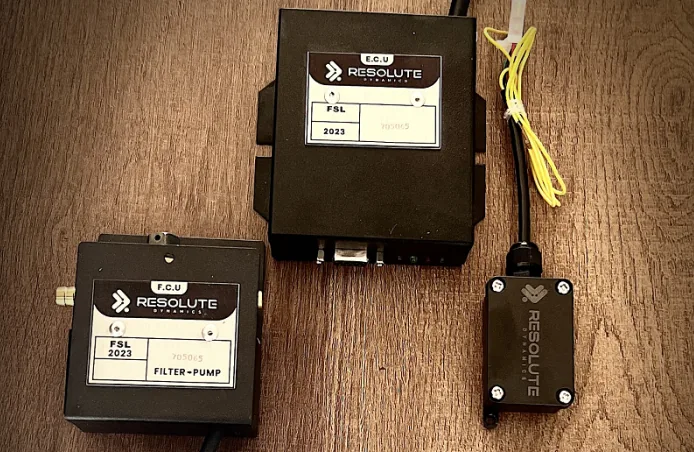
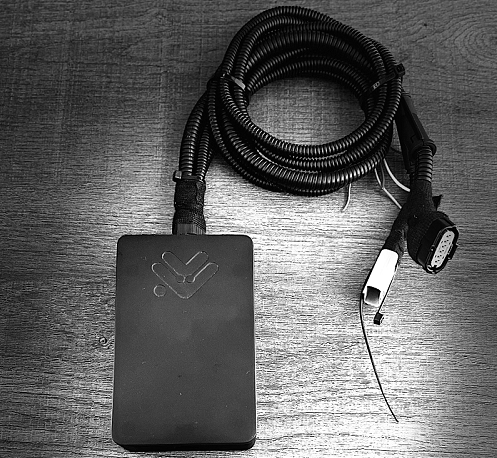
Some suppliers, Resolute Dynamics among them, manufacture the hardware and support the rollout end to end, from harness supply through installation to the monitoring dashboard, which removes the finger-pointing that happens when the maker and the supporter are different companies. This does not automatically rule out a good reseller, but it is a question worth asking plainly, because the answer affects how quickly you get help when it counts.
Regulatory-Update Handling and Data Security
Two forward-looking checks separate a modern supplier from a dated one: how they keep you compliant as rules change, and how they protect your fleet data. Both are easy to overlook before buying and painful to discover missing afterward.
Speed regulations shift, and a good supplier keeps pace by issuing tested firmware updates, ideally over the air, so your fleet stays compliant without a workshop visit for every rule change. Ask how they have handled past regulatory changes, because that history predicts the future. On data, your system will record speed, location, and driver-behavior information, so confirm who owns that data, how it is secured, how long it is retained, and how you export it. For enterprise and government fleets especially, clear answers on data ownership and security are non-negotiable, and a supplier who treats them as an afterthought is a risk.
Local Presence and Regional Service
Finally, weigh whether the supplier has real service presence in the regions you actually operate in. A superb device with no nearby support becomes a liability the moment it needs attention.
Check for accredited installers, calibration centers, and spare-parts stock within reach of your fleet, not just a head office on another continent. Local presence shortens repair times, simplifies recalibration, and means someone can physically reach your vehicles when remote support is not enough. If you run across several countries, confirm that coverage extends to each one, because a supplier strong in one market may leave you unsupported in another.
A Supplier Evaluation Checklist
Run every shortlisted supplier through this before you commit. Each row is a check, what to verify, and the red flag that should give you pause.
| Check | What to verify | Red flag |
|---|---|---|
| Certification | Type-approval docs for each market | Claims compliance, cannot show proof |
| Track record | Years in market, references you can call | No comparable references offered |
| Support and SLA | Response times in writing, 24/7 for outages | Vague or no service-level commitment |
| Reliability | MTTR, MTBF, uptime guarantee, spares | Only quotes unit price, dodges metrics |
| Warranty | Clear coverage and term on their hardware | Thin, heavily hedged, or absent |
| Manufacturer status | Makes or resells, controls firmware | Cannot resolve issues without a hidden chain |
| Regulatory handling | Tested firmware updates, past track record | No process for rule changes |
| Data | Ownership, security, retention, export | Unclear on who owns your data |
| Local presence | Installers and parts in your regions | Support only from a distant head office |
Frequently Asked Questions
What should I check before buying speed limiters from a supplier?
Before buying, verify the supplier’s certification documents for your market, their track record and references, their support and service-level agreements, their reliability and warranty terms, whether they manufacture or resell, how they handle regulatory updates and data security, and whether they have local service presence in your regions. Evaluating the company matters as much as evaluating the device.
Is it better to buy from a manufacturer or a reseller?
Buying from a manufacturer usually gives you faster technical resolution, direct control over firmware and harnesses, and deeper product support, because there is no hidden chain between you and the people who built the device. A strong reseller can still work well, but it is worth asking plainly who you are buying from, since it affects how quickly you get help.
What support should a speed limiter supplier provide?
A good supplier provides around-the-clock technical support for safety-critical issues, clear service-level agreements defining response times, multiple contact channels, tested firmware updates, reliable spare-parts access, and training for your technicians and drivers. Larger fleets should also expect dedicated account management.
How do I know a supplier’s devices are compliant?
Require documented type approval for each market you operate in, and treat it as a pass-or-fail check. A credible supplier readily produces certificates such as GSO conformity and SABER documentation for the Gulf, AIS 018 for India, or the relevant standards for your region, rather than simply claiming compliance without proof.
Why do uptime guarantees matter for speed limiters?
Uptime guarantees matter because a grounded vehicle loses money every hour it is off the road. Suppliers who commit to tight mean-time-to-repair and mean-time-between-failure targets move part of that downtime risk onto themselves, making your costs more predictable and holding them accountable for reliability.
Final Thoughts
The device you choose gets fitted once, but the supplier you choose stays with you for years. That is why the smartest transport companies vet the company as hard as the hardware. Check the certifications, call the references, pin down the support and uptime commitments, understand the warranty, and find out whether you are buying from the maker or a middleman. Do that groundwork before you sign, and you end up with more than a good speed limiter. You end up with a partner who keeps your fleet safe, compliant, and moving long after the sale is done.

The Resolute Dynamics team designs and manufactures speed limiters (SLD), GPS tracking, and automotive safety systems used on 200,000+ vehicles across 20+ countries. We write about fleet compliance, road-safety regulation, and vehicle-safety technology, including Malaysia’s JPJ SLD mandate, UAE RTA rules, and global standards like UN R89, to help fleet operators and transport businesses stay safe and compliant.