Passing PUSPAKOM inspection is not optional for Malaysian commercial vehicles — it is the checkpoint that decides whether your Mulkiya can be renewed, whether your operating permit stays valid, and whether your fleet keeps earning revenue. Since the JPJ Speed Limiter mandate rolled out in phases through 2025 and 2026, the SLD verification is one of the specific line items PUSPAKOM inspectors now check with particular attention.
This guide walks fleet operators, drivers, and workshop compliance staff through exactly what PUSPAKOM checks during a speed limiter inspection, the complete pre-inspection checklist, what happens if your vehicle fails, and how to avoid the most common reasons commercial vehicles get turned away from PUSPAKOM appointments.
What PUSPAKOM Checks During a Speed Limiter Inspection
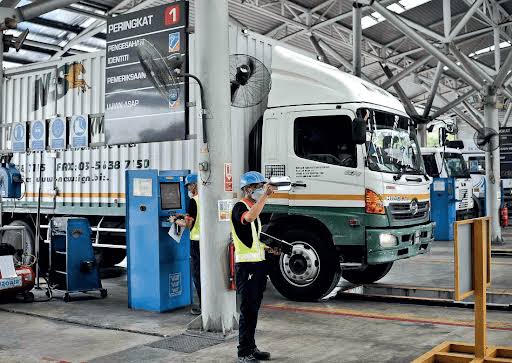
The PUSPAKOM Speed Limitation Device (SLD) inspection is not a quick glance — inspectors work through a defined sequence of physical, documentary, and functional checks. Understanding each step in advance helps you prepare properly.
Physical Device Inspection
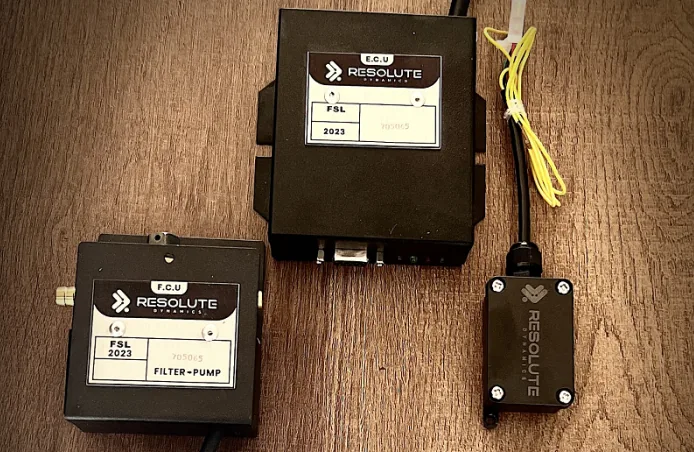
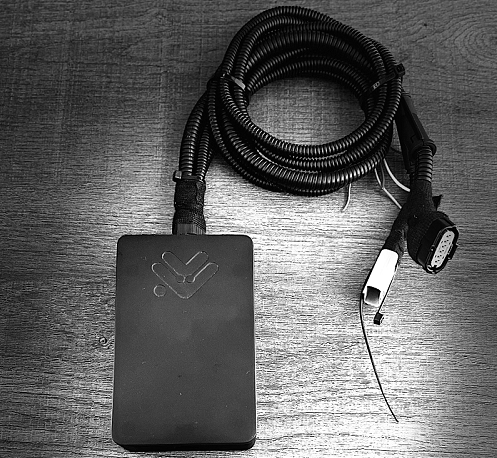
The inspector locates the SLD hardware (for external retrofit installations) or accesses the ECU diagnostic port (for ECU-activated vehicles). They confirm the device is present, properly mounted, and shows no signs of unauthorised removal or modification. Loose wiring, exposed connectors, or damaged casing all trigger further scrutiny.
Tamper Seal Integrity Check
Every JPJ-certified installation includes a tamper-evident seal — either on the physical device or at the ECU tampering point. The inspector visually verifies the seal is intact, unbroken, and its serial number matches the number recorded on your Speed Limit Certificate. Any missing, damaged, or replaced seal is an immediate fail.
Speed Limit Certificate Verification
The inspector cross-checks your Speed Limit Certificate against the JPJ verification portal. They confirm the vehicle chassis number, installer accreditation number, calibration date, and cap value (typically 90 km/h) match the portal record. A physical certificate that is not backed by a valid portal upload will fail.
Live Functionality Test
For most heavy vehicles, the inspector runs a rolling-road or on-vehicle functional test. The test confirms the vehicle physically cannot exceed the JPJ-mandated speed cap. Devices that allow the vehicle to exceed the cap — even by a small margin — will fail this check.
The Complete PUSPAKOM SLD Inspection Checklist
Turning up unprepared is the single biggest cause of failed inspections. Work through this checklist before every PUSPAKOM appointment.
Documents to Bring
- Vehicle registration card (Mulkiya) — current, in the vehicle owner’s or authorised operator’s name
- Physical copy of the Speed Limit Certificate issued at installation
- Digital copy of the certificate (portal reference number is enough in most cases)
- Previous PUSPAKOM inspection report (if applicable)
- Insurance certificate (for confirmation of vehicle usage class)
- Fleet authorisation letter if a driver is presenting a company-owned vehicle
Vehicle-Side Preparation
- Clean the area around the SLD device and tamper seal so the inspector can inspect them without obstruction
- Ensure the tamper seal is intact — if you notice damage, do NOT attend the appointment; reschedule after re-sealing
- Verify the certificate details still match the vehicle (chassis number, engine number)
- Confirm no post-install engine work has been done that could have reset the ECU limiter setting
- Make sure the vehicle is roadworthy overall — brakes, lights, tyres — because an SLD pass on a failing vehicle still means overall inspection failure
Fleet-Side Preparation (for Multi-Vehicle Operators)
- Coordinate appointments to reduce driver waiting time — PUSPAKOM will bundle back-to-back appointments where possible
- Maintain a fleet register of certificate expiry dates so no vehicle attends inspection with a lapsed certificate
- Assign a compliance staff member to handle document verification at each appointment
- Keep digital copies of all certificates in your fleet management system for audit purposes
Common Small Issues That Trigger Manual Review
- Certificate in a plastic sleeve that is too smudged to read clearly
- Chassis number stamped on the certificate does not exactly match the plate on the vehicle (missing leading zero, transposed character)
- Vehicle presented mid-week during peak PUSPAKOM traffic without an advance appointment
- Driver unfamiliar with the SLD documentation (fleet operators should train drivers on the paperwork)
How Often Does PUSPAKOM Check Speed Limiters?

Commercial vehicles in Malaysia are subject to periodic PUSPAKOM roadworthiness inspections. The speed limiter check happens as part of that broader inspection rather than as a separate appointment.
Standard Inspection Cycle
Commercial vehicles typically fall on a six-monthly or annual inspection schedule depending on vehicle class, age, and usage category. Heavy goods vehicles above 3,500 kg GVW, express buses, and public transport vehicles generally follow the more frequent cycle. Confirm your vehicle’s specific inspection frequency with your PUSPAKOM branch or via the JPJ portal.
Certificate Renewal Timing
The Speed Limit Certificate is typically valid for one year and aligned to the PUSPAKOM inspection cycle. Plan the SLD re-verification with your installer at least two weeks before certificate expiry so a fresh certificate is uploaded to the portal before your next PUSPAKOM appointment.
Interim Spot Checks
Aside from scheduled PUSPAKOM inspections, JPJ enforcement officers may perform roadside spot checks on commercial vehicles. These may include verification of the tamper seal and a check against the JPJ portal record. A missing or broken seal detected during a roadside stop can trigger an on-the-spot penalty regardless of when your next PUSPAKOM appointment is scheduled.
What Happens If Your Vehicle Fails the PUSPAKOM SLD Test
A failed SLD inspection stops the broader roadworthiness certificate from being issued, which in turn blocks Mulkiya renewal. The specific consequences depend on the failure reason.
Top Reasons for PUSPAKOM SLD Failure
- Broken or missing tamper seal — the single most common failure. The device may work perfectly, but a broken seal invalidates the certificate.
- Certificate not uploaded to the JPJ portal — physical certificate alone is not enough.
- Portal record does not match the vehicle — typically a data-entry mismatch at installation time.
- Device physically fails the functionality test — wiring fault, sensor failure, or ECU reflash that erased the limiter setting.
- Expired Speed Limit Certificate — renewal was not scheduled in time.
- Non-compliant device fitted — a non-certified aftermarket limiter, or a certified device installed by an unauthorised workshop.
- Post-installation engine work reset the limiter — ECU reflash, throttle-cable replacement, or gearbox change without re-sealing.
- Visible tampering evidence — unusual wiring modifications or bypass attempts even if the seal is still intact.
The Re-Inspection Process
PUSPAKOM will issue a failure notice specifying which SLD item did not pass. You then take the vehicle back to a JPJ-authorised installer to correct the issue (re-seal, re-calibrate, re-issue certificate, or replace non-compliant hardware). Once corrected, you book a re-inspection appointment. Re-inspection fees and timing rules vary — check with your PUSPAKOM branch for current schedules.
Impact on Mulkiya & Operating Permit
A failed SLD inspection means the broader PUSPAKOM roadworthiness certificate is not issued. Without that certificate, JPJ will not renew the Mulkiya, and your vehicle cannot be legally operated on Malaysian roads until the SLD compliance issue is resolved and re-inspection passes. For fleet operators, this can affect operating-permit compliance and cargo-insurance validity too.
PUSPAKOM Pass Criteria for Speed Limitation Devices
A vehicle passes the PUSPAKOM SLD portion of inspection when every one of the following is true:
- The SLD device is physically present and properly mounted (or the ECU limiter setting is confirmed active for ECU-activation installations)
- The tamper-evident seal is intact, undamaged, and the serial number matches the record on the Speed Limit Certificate
- The Speed Limit Certificate is current (within its validity period), signed and stamped by a JPJ-authorised installer, and lists the correct chassis number, cap value, and installer accreditation number
- The JPJ verification portal contains a matching record for the certificate
- The vehicle physically cannot exceed the JPJ-mandated cap (typically 90 km/h for the covered commercial classes) during the functionality test
- No evidence of tampering, bypass wiring, or unauthorised device modification is visible
If all six criteria are met, the SLD portion of the inspection passes and PUSPAKOM proceeds with the remaining roadworthiness checks. If any single criterion fails, the entire SLD portion is marked fail regardless of the other five.
How to Book Your PUSPAKOM Appointment
PUSPAKOM operates centres across Peninsular and East Malaysia. Appointments are strongly recommended over walk-ins, particularly ahead of JPJ enforcement phase deadlines when centres are at peak volume.
- Online booking: the fastest way, via the official PUSPAKOM MySafeRoad portal or app. Select your vehicle, choose a branch, pick a time slot, and confirm.
- Phone booking: useful if you need to coordinate multiple vehicles, or if the online system is showing your preferred slot as unavailable.
- Fleet appointments: larger fleet operators can arrange batch appointments through PUSPAKOM’s commercial team, often at reduced disruption to vehicle uptime.
Avoid the last week of the month (renewal rush), the days immediately before Phase-enforcement deadlines, and the week after major public holidays.
Frequently Asked Questions
Do tour buses need special PUSPAKOM SLD verification?
Yes. Tour buses fall within the JPJ Speed Limiter mandate and must present a valid Speed Limit Certificate at PUSPAKOM inspection alongside their standard roadworthiness paperwork. The verification process is the same as for other commercial vehicles.
What if my Speed Limit Certificate expired one day before the inspection?
PUSPAKOM does not accept expired certificates, even by one day. Return to your JPJ-authorised installer for a fresh certificate before rescheduling the PUSPAKOM appointment. Do not attempt the inspection with an expired certificate — it counts as a fail and you may still pay the inspection fee.
Can I appeal a PUSPAKOM SLD failure?
Yes. If you believe the failure was recorded in error, request a re-check within the appeal window specified on your failure notice. Provide any supporting evidence (installation records, portal screenshots, previous inspection reports). If the appeal is upheld, the failure is expunged.
How much does PUSPAKOM SLD re-inspection cost?
Fees vary by vehicle class and PUSPAKOM branch and are updated periodically. Contact your local PUSPAKOM office for the current fee schedule before booking.
Do I need to bring the physical certificate or is portal upload enough?
Bring both. Most inspectors verify the physical certificate first and then cross-check the portal. If the portal record is missing but the physical certificate is present, PUSPAKOM may still fail the inspection because the certificate must be visible in the JPJ verification system.
What if PUSPAKOM says my SLD failed but I am confident the device is working?
Ask the inspector to record the specific reason for failure on your notice. Then take the vehicle to your JPJ-authorised installer for an independent functional test. If the device is confirmed functional, you can file an appeal with PUSPAKOM using the installer’s test report as supporting evidence.
Preparing for Your Next PUSPAKOM SLD Inspection?
Resolute Dynamics is a JPJ-authorized Speed Limiter and SLD provider for Malaysian commercial fleets. Whether you are installing your first device, renewing an existing certificate ahead of PUSPAKOM, or recovering from a failed inspection, our certified team handles the full compliance workflow — from device selection through calibration, sealing, and JPJ portal upload — so your vehicle passes on the first attempt.
Book a JPJ-compliant SLD installation or renewal for your Malaysian fleet →

The Resolute Dynamics team designs and manufactures speed limiters (SLD), GPS tracking, and automotive safety systems used on 200,000+ vehicles across 20+ countries. We write about fleet compliance, road-safety regulation, and vehicle-safety technology, including Malaysia’s JPJ SLD mandate, UAE RTA rules, and global standards like UN R89, to help fleet operators and transport businesses stay safe and compliant.