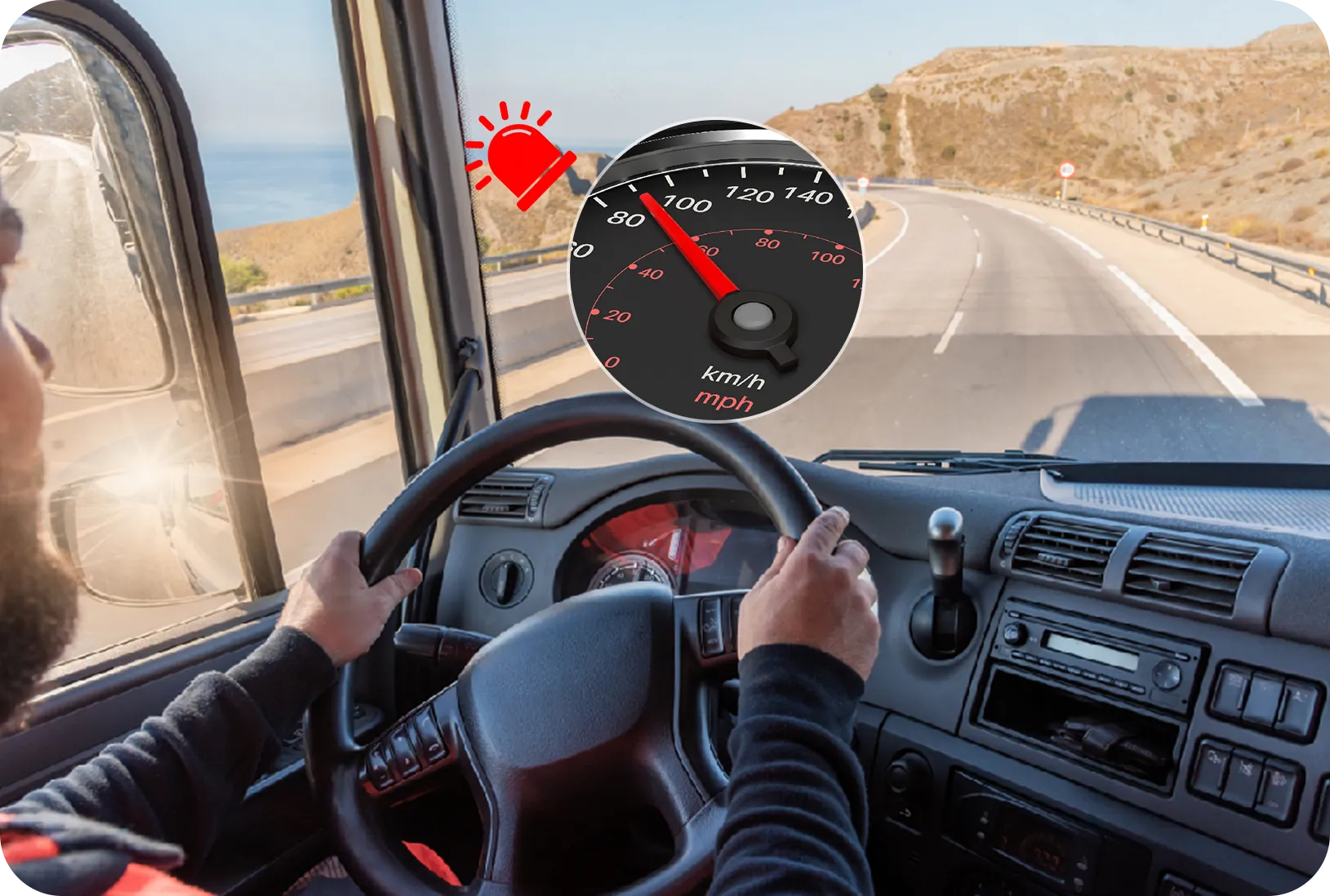
If you run a lorry, a bus, or a whole fleet in Malaysia, the question on your mind right now is probably a simple one: how much is this going to cost me? A compliant Speed Limitation Device (SLD) package in the Malaysian public market usually starts from around RM400 to RM600 (indicative market starting price; final quote depends on vehicle type, ECU compatibility and installer) per vehicle, and that figure normally bundles the JPJ-approved device, the installation, the calibration to 90 km/h, and the certification paperwork.
That is the short answer. The longer answer is where it gets interesting, because the price you actually pay swings up or down depending on one big thing — whether your vehicle just needs its built-in limiter switched on, or a complete device fitted from scratch.
The rule itself comes from Jabatan Pengangkutan Jalan (JPJ), the Road Transport Department, working under the Ministry of Transport (MOT). I have watched a lot of fleet owners get caught flat-footed by it, so let me walk you through the real numbers, the device types, and how to spot a workshop that can actually issue documents that pass inspection.
How Much Does a Speed Limiter Cost in Malaysia?
A standard, all-inclusive SLD job in Malaysia starts from roughly RM400 to RM600 per vehicle, based on prices that local SLD providers openly publish.
I want to be clear about one thing straight away: this is a public-market starting estimate, not a price set or fixed by JPJ. Nobody at the department hands you a tariff card. The real number only lands after a workshop inspects your vehicle and gives you a written quote.
It also helps to split the cost into two parts in your head. There is the device price — the hardware itself — and there is the service price, which covers the labour, the calibration, the testing, and the documents.
When a workshop quotes you “RM4xx to RM6xx, all in,” they are usually folding both parts into one figure for a straightforward vehicle. Buy ten units for a fleet and the per-vehicle number tends to drop, because most installers offer volume pricing once you go past a handful of trucks.
What Determines the Price of an SLD in Malaysia?
Five main factors decide whether you land near the bottom of that range or well above it. None of them are mysterious once you know what a technician is looking at.
- ECU activation versus full retrofit. This is the single biggest lever. Vehicles registered from 1 January 2015 often already carry a limiter function inside the Electronic Control Unit (ECU), so the job is mostly activation and calibration — cheaper and quicker. Older, rebuilt, or imported trucks with no factory limiter need a full external device wired in, which costs more.
- Vehicle category. An M3 bus, an N2 medium lorry, and a heavy N3 prime mover do not share the same wiring layout, so labour time differs across them.
- Vehicle condition. Worn sensors, patched-up wiring, or a tired ECU may need repair before anything can be calibrated, and that repair shows up on your invoice.
- Bracket and harness work. A clean, standard engine bay is fast. A modified body, an awkward cabin, or a non-standard fuel system means custom fitting and more hours.
- Fleet volume. Bringing in one van costs more per unit than booking twenty trucks together, since installers reward bulk jobs with discounts.
Speed Limiter Price by Vehicle Type & Scenario
The price really falls into two scenarios, and knowing which one you are in tells you almost everything about your bill. One is ECU activation, which sits at the lower end. The other is a full retrofit, which sits higher because there is real hardware and wiring involved.
| Scenario | Applies to | What’s involved | Relative cost |
|---|---|---|---|
| ECU activation / configuration | Vehicles registered on or after 1 Jan 2015 with a built-in SLD function | Activate, calibrate to 90 km/h, test, issue documents | Lower |
| Full retrofit installation | Pre-2015, rebuilt, or imported vehicles with no factory limiter | Supply device, wire into ECU or fuel system, calibrate, test, document | Higher |
There is also a cost most price lists quietly skip, and I never let a client forget it. Your SLD certification is valid for two years, and you have to get it re-verified at a Puspakom or PPKM inspection centre when it expires, and again when you renew your permit.
So this is not a one-and-done expense. Treat the re-verification as a recurring line in your maintenance budget, the same way you treat a roadworthiness check, and you will not be surprised later.
Speed Limiter Brands & Device Types Available in Malaysia
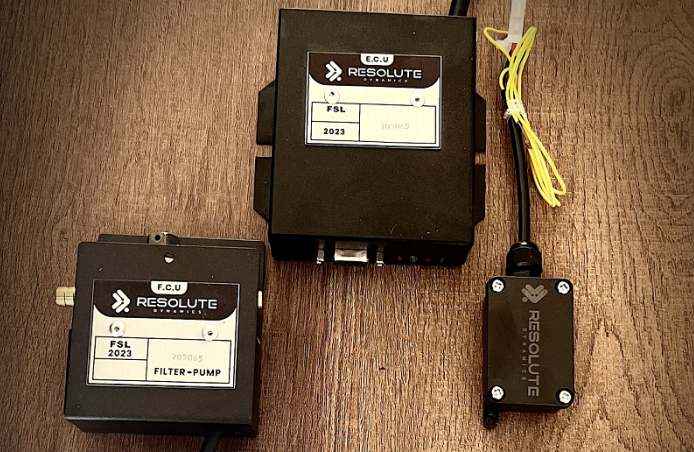
Malaysian fleets generally pick from three device types: the Electronic Speed Limiter (ESL), the Fuel Speed Limiter (FSL), and the adaptive or multi-speed limiter. Each one governs throttle in a slightly different way, so the right choice depends on your engine and your routes.
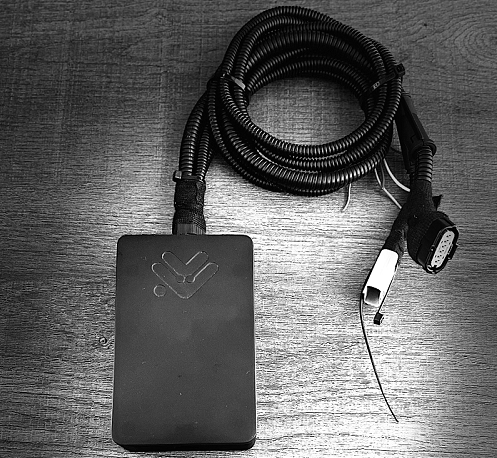
An ESL works through the ECU and electronic throttle, cutting acceleration once the vehicle reaches the set ceiling. An FSL controls the fuel supply instead, which suits certain older diesel drivetrains.
An adaptive or multi-speed limiter lets you configure different ceilings for different zones — handy if your trucks crawl through tight city streets in Penang one day and run a long expressway corridor the next.
Now, about brands. I am not going to throw a list of “JPJ-approved brands” at you, and you should be cautious of any article that does, because the recognised devices and the Phase 1 to Phase 3 vehicle lists genuinely change over time.
Resolute Dynamics is one option in this space, offering UN R89-compliant ESL and FSL solutions that are also Singapore Police–approved, fitted through a JPJ panel-installer network.
If you want the technical detail, the Speed Limiter / Speed Governor systems page covers the core hardware, while zone-based needs are handled by the Dual Speed Limiter & Multi Speed Limiter and Adaptive Speed Limiter ranges.
JPJ-Approved Installers: How to Verify and What to Expect
Only an installer listed on JPJ’s official Badan Pengesahan SLD panel can issue verification documents that hold up at inspection. This matters more than the price tag, and here is why I keep hammering it: a cheap install from a workshop that is not recognised gives you paperwork that fails the moment an enforcement officer looks at it.
Before you pay anyone, verify both the workshop and the device on that same JPJ portal. A proper installer will give you four things without you having to ask: a JPJ-recognised device, calibration locked to the 90 km/h national ceiling, a functional test of the system, and the two verification documents you need to carry — the Slip Pengesahan Kefungsian SLD and the Laporan Kefungsian SLD.
If a quote skips the documentation, that is not a bargain. That is a re-installation cost waiting to happen, plus the risk of a failed Puspakom check and a vehicle you cannot legally run.
What’s Included in a Compliant SLD Installation
A compliant installation rolls four deliverables into the quoted price, and a tidy job moves fast. You are paying for the device supply, the calibration to the 90 km/h limit, the functional testing, and the inspection-ready documents. Most installs wrap up in half a day to one working day, depending on the vehicle type and whether any pre-work is needed.
When you collect the vehicle, the flow is usually the same: the workshop verifies your details, fits and calibrates the limiter, runs a functional test, then hands over the slip and report. From that point your truck or bus is ready for any JPJ-related process — renewal, re-registration, or a roadside check.
Which Vehicles Must Comply, and By When?
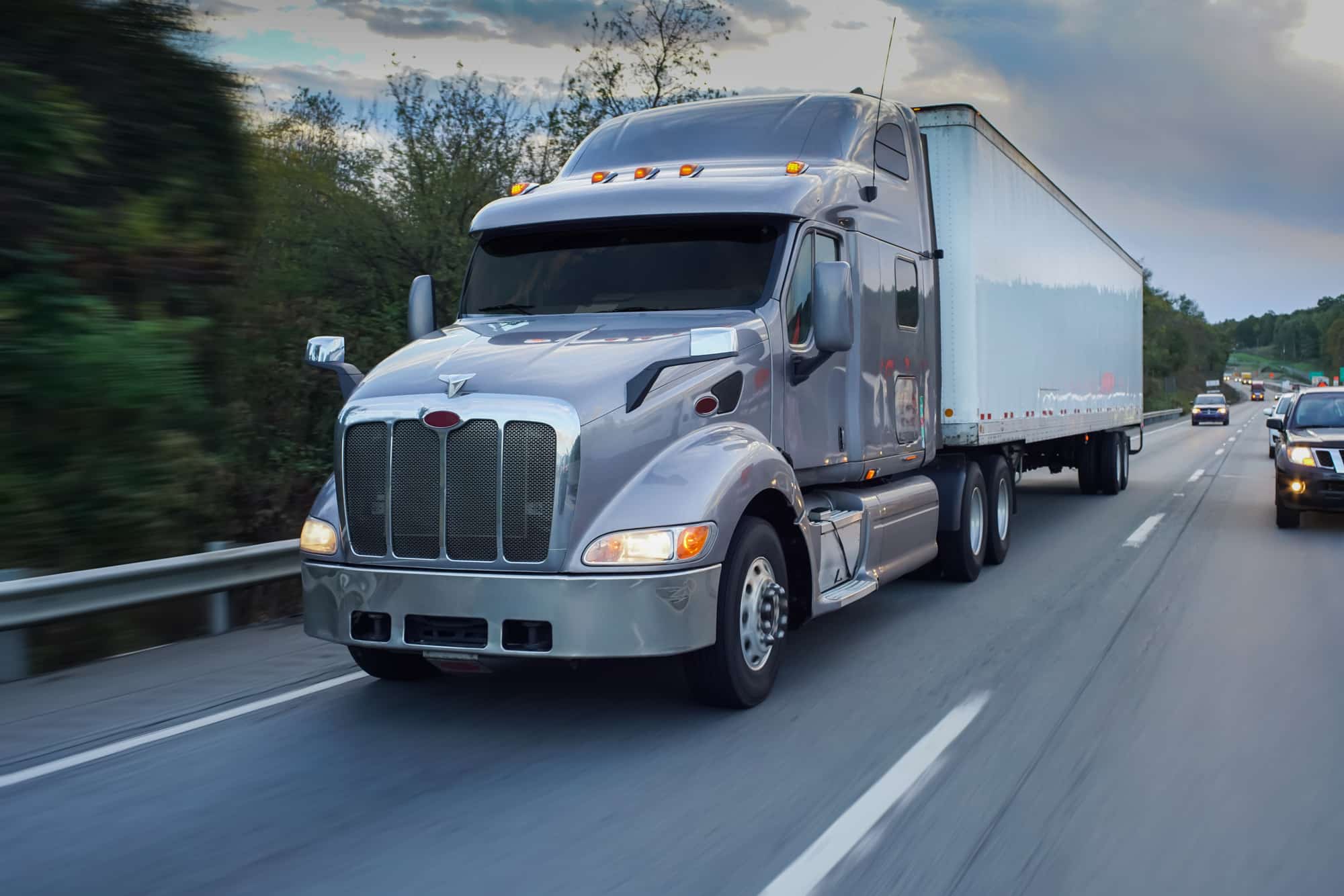
The mandate covers goods vehicles above 3,500 kg gross vehicle weight, which fall under categories N2 and N3, and passenger vehicles above 5,000 kg carrying more than eight passengers, which sit in category M3. If your vehicle fits one of those buckets, the limiter is not optional.
JPJ is rolling this out in phases so operators get a compliance runway:
- Phase 1 — 1 October 2025: SLD verification for vehicles registered on or after 1 January 2015.
- Phase 2 — 1 January 2026: ECU activation for pre-2015 vehicles that already carry a built-in limiter.
- Phase 3 — 1 July 2026: retrofit installation of a JPJ-approved device for vehicles with no factory limiter, including rebuilt and imported units.
The whole programme traces back to a string of deadly heavy-vehicle crashes, including the Gerik bus tragedy that killed 15 university students.
Transport Minister Anthony Loke has been blunt that safety comes before cost, and the policy lines Malaysia up with the same UN R89 standard already enforced in Singapore and across Europe. For the full regulatory picture, the JPJ Speed Limiter Mandate guide lays it out in detail.
The Cost of Non-Compliance
A vehicle without valid SLD verification can fail inspection and be barred from operation, and it exposes you to enforcement action under Section 114 of the road transport law. I have seen operators treat the limiter as an expense to dodge, only to lose far more when a truck gets grounded mid-contract.
Run the comparison honestly. A one-time SLD package in the RM400 to RM600 range is small money next to a parked vehicle, a blocked APAD permit renewal, or a stack of enforcement notices that follow your company around. Compliance, in plain terms, is cheaper than the alternative.
With only a fraction of Malaysia’s commercial fleet verified in the early stretch of enforcement, the workshops are going to get busy, and the queue closer to the July 2026 deadline will not be kind to latecomers.
How to Get an Accurate Quote (and Lower Your Cost)
Ask for a free quote after a quick vehicle assessment, and bring four things along to speed it up. Most delays at the workshop come from missing paperwork, not from the install itself.
Bring your vehicle documents, your company documents, any previous SLD slip if the vehicle has one, and your fleet details if you are booking more than a single unit. Then pull the cost-reduction levers that actually work: ask whether you qualify for fleet pricing, book early before the deadline rush builds the queue, and bundle several vehicles into one visit so the per-vehicle rate drops.
Tell the workshop upfront if the vehicle is new, used, rebuilt, or imported, and flag any recent engine, ECU, or wiring work — that honesty lets the technician quote accurately the first time instead of revising the bill halfway through.
Frequently Asked Questions
What is the cheapest speed limiter option for compliance? The lowest-cost route is ECU activation, available on vehicles registered from 1 January 2015 that already carry a built-in limiter, since there is no new hardware to buy. Older vehicles needing a full retrofit will always sit higher because the device and wiring add to the bill.
Is the SLD price the same for every vehicle? No. The price changes with the vehicle category, its age and condition, the amount of wiring or bracket work, and whether you are activating an existing limiter or fitting a new one. Two trucks parked side by side can carry different quotes.
Does a speed limiter affect engine performance or fuel economy? A correctly installed limiter only caps the maximum speed at 90 km/h and does not interfere with normal driving below that ceiling. It does not apply the brakes, and many operators report steadier fuel use and less drivetrain wear once top-end speeding stops.
How often must the SLD be re-certified, and does that cost extra? Certification is valid for two years and must be re-verified at a Puspakom or PPKM centre after that, so yes, budget for a recurring verification cost rather than treating the first install as your only expense.
Can I install an SLD myself to save money? No. The device must be fitted and certified by a JPJ-recognised installer, because only their documents are accepted at inspection. A self-install leaves you with hardware but no valid paperwork, which fails the moment your vehicle is checked.
How do I check if a device or installer is JPJ-approved? Look them up on the official JPJ portal at jpj.gov.my/badan-pengesahan-speed-limiter-device before you pay. That list is kept current, and verifying it first protects you from the hidden cost of an installation that will not pass.
Related: Malaysia bus & truck SLD rules – Singapore price comparison – How to vet a supplier.

The Resolute Dynamics team designs and manufactures speed limiters (SLD), GPS tracking, and automotive safety systems used on 200,000+ vehicles across 20+ countries. We write about fleet compliance, road-safety regulation, and vehicle-safety technology, including Malaysia’s JPJ SLD mandate, UAE RTA rules, and global standards like UN R89, to help fleet operators and transport businesses stay safe and compliant.