
Speed limiter laws are becoming one of the most important topics in fleet management and commercial vehicle compliance. I’ve seen how fast regulations shift, especially when safety technology meets public policy. If you manage trucks, delivery vans, or commercial vehicles across multiple states, you already know one thing: speed rules are not the same everywhere.
In this guide, I break down speed limiter regulations in Texas, California, New York, and Florida, explain how they connect to federal oversight from the Federal Motor Carrier Safety Administration (FMCSA) and the National Highway Traffic Safety Administration (NHTSA), and show how fleets can stay compliant while improving safety.
This is practical, real-world information — not hype.
Understanding Speed Limiter Regulation in the United States

Before diving into Texas, California, New York, or Florida, I always look at the federal structure first. In the U.S., transportation law works like a layered system. Federal agencies regulate interstate commerce, while states control roadway enforcement inside their borders. Speed limiter regulation sits right at that intersection.
At the center of this issue are two federal agencies:
-
The Federal Motor Carrier Safety Administration (FMCSA)
-
The National Highway Traffic Safety Administration (NHTSA)
These agencies share jurisdiction over commercial vehicle safety standards.
The Federal Rulemaking Process: How Speed Limiter Laws Evolve
Many people assume federal rules appear overnight. They don’t. The process is methodical and technical.
Here’s how it typically works:
-
Advance Notice of Proposed Rulemaking (ANPRM) – Agencies study crash data and gather public input.
-
Notice of Proposed Rulemaking (NPRM) – A formal proposal is published in the Federal Register.
-
Public Comment Period – Industry stakeholders, safety advocates, insurers, and drivers submit feedback.
-
Final Rule Publication – After revisions, the rule becomes binding law.
-
Compliance Timeline – Carriers are given a phase-in period.
Speed limiter proposals have moved through several of these stages over the years. The focus has consistently been on heavy commercial motor vehicles (CMVs), especially:
-
Class 7 trucks (26,001–33,000 lbs GVWR)
-
Class 8 trucks (33,001+ lbs GVWR)
These vehicles represent a significant portion of interstate freight movement and are statistically linked to higher-severity crashes when excessive speed is involved.
Why the Federal Government Is Focused on Speed Limiters
From a policy standpoint, the objective is straightforward: reduce fatal crash severity.
Federal crash investigations show that kinetic energy increases exponentially with speed. A heavy truck traveling at 75 mph carries dramatically more destructive force than one traveling at 65 mph. Regulators analyze:
-
Fatality Analysis Reporting System (FARS) data
-
Large Truck Crash Causation Study findings
-
Insurance loss ratios
-
Roadway safety statistics
The argument from regulators is not that speed limiters usa prevent all crashes. Instead, they reduce impact severity, improve stopping distance margins, and limit extreme speeding behavior.
Interstate vs. Intrastate Commerce: A Critical Distinction
This is where many fleet operators get confused.
Federal authority primarily covers interstate commerce — meaning vehicles that cross state lines or transport goods that are part of interstate supply chains.
If a truck operates strictly within one state and does not participate in interstate commerce, it may be regulated differently under state law.
However, here’s the nuance:
-
A truck operating intrastate can still be subject to federal safety standards if it meets certain thresholds.
-
Many states adopt federal motor carrier regulations by reference.
-
Crossing state lines even occasionally can shift compliance obligations.
This distinction affects speed limiter applicability if a federal mandate is finalized.
Federal Preemption: Can States Override Federal Speed Limiter Rules?
Under the Supremacy Clause of the U.S. Constitution, federal motor carrier safety regulations can preempt conflicting state laws.
If FMCSA finalizes a national speed limiter requirement:
-
States cannot permit higher speeds for covered vehicles.
-
Carriers operating interstate must comply regardless of state preference.
However, states can impose stricter operational rules in certain contexts, such as work zones or hazardous materials transport.
Preemption creates regulatory uniformity for interstate carriers, but enforcement still happens at the state level.
Enforcement Mechanisms: How Compliance Is Verified
If speed limiter regulations become binding, enforcement would likely occur through:
-
Roadside inspections
-
Electronic logging device (ELD) data reviews
-
Engine Control Module (ECM) parameter audits
-
Compliance reviews and safety audits
Modern trucks use ECU (Engine Control Unit) systems that can store speed configuration data. Inspectors can verify programmed maximum speed settings through diagnostic tools.
This introduces the concept of compliance traceability — the ability to prove that a vehicle’s maximum speed parameter meets regulatory standards.
Insurance & Civil Liability Pressure
Even before mandates become law, the insurance market influences behavior.
Commercial auto insurers increasingly evaluate:
-
Telematics data
-
Speed event history
-
Hard braking incidents
-
Driver risk profiles
In serious crash litigation, plaintiff attorneys often subpoena ECM data. If a truck was capable of traveling 85 mph but had no limiter installed, that fact may be presented as evidence of negligent safety management.
This creates indirect regulatory pressure.
Even without a federal rule in force, civil liability exposure can make speed governance a prudent risk control measure.
Engineering & Technical Considerations
Modern speed limiters are rarely mechanical anymore. They are embedded in vehicle electronics and can integrate with:
-
SAE J1939 communication protocols
-
Advanced Driver Assistance Systems (ADAS)
-
Fleet telematics dashboards
-
Over-the-air configuration systems
This evolution shifts the conversation from “limiting speed” to fleet-wide velocity management architecture.
It also introduces compliance complexity:
-
Parameter tampering detection
-
Firmware updates
-
Calibration documentation
-
Cybersecurity safeguards
Federal regulators increasingly consider these technical realities when drafting rules.
The Current Status: Momentum Without Finality
As of now, there is no fully enforced nationwide speed limiter mandate covering all heavy trucks. However:
-
Federal rulemaking activity continues
-
Industry lobbying remains active on both sides
-
Safety advocacy groups push for stricter standards
-
Insurance economics favor speed governance
The regulatory trajectory suggests growing standardization rather than deregulation.
Why This Matters for Texas, California, New York & Florida
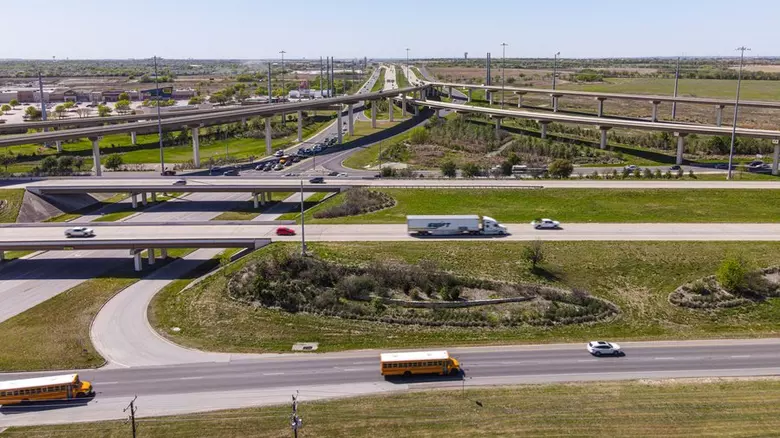
Even though these states do not currently mandate universal speed limiters, federal oversight shapes the operating environment in all four.
If a carrier operates interstate routes through:
-
Texas
-
California
-
New York
-
Florida
They must consider:
-
Federal safety compliance
-
State enforcement patterns
-
Insurance underwriting expectations
-
Litigation risk climate
In practice, many fleets adopt speed limiters not because they are forced to — but because the regulatory, financial, and legal ecosystem makes them strategically necessary.
The Bigger Picture
Speed limiter regulation in the United States is not a single law. It is a layered framework involving:
-
Federal rulemaking
-
State enforcement authority
-
Insurance underwriting models
-
Civil litigation dynamics
-
Engineering standards
The absence of a finalized universal mandate does not mean absence of regulatory gravity. The momentum is real. And for fleets operating across state lines, understanding the federal backbone is the foundation for compliant, defensible, and forward-thinking speed management.
What Is a Speed Limiter? Technology & Terminology
Many drivers confuse speed limiters with speed limits. They are not the same.
A speed limiter (also called a speed governor) is an electronic or mechanical device that restricts a vehicle’s maximum speed. It can be:
-
ECU-based electronic limiters programmed through engine control modules
-
GPS-based geo-fenced limiters that adjust speed based on location
-
Telematics-integrated systems tied to fleet management platforms
Advanced systems use adaptive algorithms. These systems reference road classification data and sometimes integrate with Advanced Driver Assistance Systems (ADAS).
Speed limit signs tell you the legal maximum. A speed limiter enforces a mechanical ceiling.
For fleet operators, this difference is critical. One is a law. The other is a compliance tool.
Texas Speed Limiter Regulations
Speed Laws in Texas
In Texas, speed limits can reach 85 mph on certain highways — the highest posted limit in the country. However, Texas enforces the “reasonable and prudent” standard. Drivers must adjust speed based on conditions like weather and traffic density.
Texas does not currently mandate speed limiters for private vehicles or commercial fleets at the state level. However, interstate carriers operating in Texas fall under federal FMCSA oversight.
Enforcement Environment
Texas law enforcement actively enforces:
-
Reckless driving statutes
-
Commercial vehicle safety inspections
-
Left-lane violations (impeding traffic laws)
Fines increase with speed severity. For CDL holders, penalties can impact compliance records and CSA (Compliance, Safety, Accountability) scores.
Fleet Impact in Texas
Because Texas allows high posted speeds, fleets often debate optimal limiter settings. Most carriers voluntarily set heavy trucks between 65–70 mph to reduce:
-
Fuel consumption
-
Tire degradation
-
Catastrophic crash risk
Insurance providers often support this strategy. Even without a mandate, limiter installation acts as a risk mitigation instrument.
California Speed Limiter Regulations
Speed Law Structure
In California, maximum speed limits are generally:
-
65 mph on most highways
-
70 mph on certain rural interstates
-
55 mph for vehicles towing trailers
California applies the Basic Speed Law, which means you must never drive faster than is safe for current conditions — even if you are under the posted limit.
Enforcement & Automated Technology
California is expanding automated enforcement pilots, especially in work zones and high-risk corridors. Urban areas like Los Angeles and San Francisco have strict monitoring.
Penalties escalate quickly, and excessive speeding can lead to:
-
License points
-
Insurance premium increases
-
Potential reckless driving charges
Why Speed Limiters Matter in California
California’s dense traffic, environmental regulations, and strong safety enforcement create indirect pressure for limiter adoption.
Geo-fenced speed limiters are especially relevant here. Urban congestion zones and school districts benefit from programmable speed ceilings.
For fleets, limiter systems help:
-
Protect driver records
-
Maintain safety compliance
-
Reduce litigation exposure
New York Speed Limiter & Speeding Laws

Legal Framework
In New York, speeding laws follow the “reasonable and prudent” doctrine. Speed limits are typically:
-
65 mph on highways
-
55 mph in many corridors
-
Lower in urban districts
New York uses a strict point system. Excessive speeding can quickly lead to license suspension.
Enforcement Intensity
New York is known for rigorous enforcement, especially in high-density zones. State troopers and local enforcement agencies aggressively monitor commercial carriers.
Urban freight operators face unique challenges, including:
-
Congestion pricing zones
-
Narrow roadway corridors
-
Frequent stop-and-go patterns
Fleet Risk Considerations
In New York, the legal environment increases liability exposure. Plaintiff attorneys often scrutinize vehicle telematics data after collisions.
A speed limiter creates an objective compliance record. This documentation can support legal defense in civil litigation.
Florida Speed Limiter Regulations
Speed Laws in Florida
In Florida, typical limits are:
-
70 mph on rural interstates
-
65 mph on urban highways
-
55 mph in many state roads
Florida enforces strict penalties for extreme speeding. “Super speeder” thresholds can result in heavy fines and even jail time for excessive violations.
Enforcement & Insurance Implications
Florida has high accident rates compared to many states. As a result:
-
Insurance underwriting is aggressive
-
Claims litigation is common
-
Distracted driving and speeding are closely monitored
Fleet Compliance Strategy
For fleets operating in Florida, limiter systems provide:
-
Crash risk reduction
-
Fuel efficiency stabilization
-
Insurance negotiation leverage
Even without a state mandate, market forces encourage adoption.
Comparative Analysis: Texas vs. California vs. New York vs. Florida
| State | Max Highway Speed | Enforcement Intensity | Direct Limiter Mandate | Fleet Pressure Level |
|---|---|---|---|---|
| Texas | Up to 85 mph | Moderate | No | Insurance-driven |
| California | 65–70 mph | High | No | Regulatory pressure |
| New York | 65 mph | High | No | Legal exposure |
| Florida | 70 mph | Moderate–High | No | Insurance pressure |
None of these states currently require speed limiters for all vehicles. However, interstate carriers remain subject to FMCSA rulemaking.
The practical takeaway: compliance pressure differs, but safety economics push fleets toward limiter use everywhere.
How Fleets Can Align with State Regulations
When I advise fleets, I focus on structured implementation:
1. Determine Operational Geography
Understand where vehicles travel. Interstate carriers face different obligations.
2. Select the Right Limiter Type
-
Fixed maximum speed limiters
-
Adaptive speed management systems
-
GPS-based geo-fencing systems
3. Document Settings
Keep records of programmed speed thresholds. This protects against regulatory disputes.
4. Integrate with Telematics
Modern systems sync with fleet dashboards to monitor compliance in real time.
5. Train Drivers
Drivers must understand why limits exist. Education reduces resistance.
The Future of Speed Limiter Regulation in the U.S.
Federal regulators continue reviewing crash data, speed-related fatalities, and commercial vehicle safety statistics.
The trajectory suggests:
-
Increased federal standardization
-
Greater telematics integration
-
Expanded automated enforcement
-
More litigation scrutiny of fleet data
Speed limiters are evolving from optional equipment to compliance infrastructure.
Frequently Asked Questions
Do all states require speed limiters?
No. As of now, Texas, California, New York, and Florida do not mandate universal speed limiter installation. Interstate commercial vehicles may fall under federal proposals.
Are speed limiters the same as cruise control?
No. Cruise control maintains a selected speed. A limiter sets a maximum speed ceiling.
Can speed limiters reduce insurance costs?
In some cases, yes. Insurers may view them as risk-reduction tools, but outcomes vary.
Are adaptive speed limiters legal?
Yes. There is no federal prohibition on adaptive or geo-fenced limiter systems in commercial fleets.
Final Thoughts
Speed limiter regulations are not just about following the law. They connect safety engineering, compliance policy, insurance economics, and operational efficiency.
Texas allows high posted speeds. California and New York enforce aggressively. Florida carries significant insurance risk. Yet in all four states, the underlying reality is the same: speed control reduces crash severity and operational exposure.
For fleet managers, the real question is no longer whether speed limiters will matter. It is how quickly to integrate them into a broader compliance and safety framework.
When safety, compliance, and efficiency align, speed management stops being a burden — and becomes a strategic advantage.