The FMCSA Speed Limiter Rule (Withdrawn July 2025): What Fleets Should Know
The short version: There is no federal mandate requiring speed limiters on US commercial trucks. On July 24, 2025, FMCSA and NHTSA jointly published Federal Register notice 2025-13928 formally withdrawing the September 2016 NPRM and the May 2022 ANPRM that had proposed capping trucks (GVWR > 26,000 lb) at 60–68 mph. The agencies cited significant data gaps, uncertain safety benefits, and concerns about overriding state speed limits.
Why US fleets still install speed limiters voluntarily
- NHTSA 2024 data: 11,288 speeding-related deaths (29% of all US traffic fatalities). 8% of large-truck drivers in fatal crashes were speeding. Voluntary caps directly address this exposure.
- IIHS 2019 study: Higher posted speed limits contributed to a 22% increase in fatal crashes involving trucks since 2009, a real safety and liability signal for private fleets.
- DOT CSA Safety Scoring: Speeding violations feed the Unsafe Driving BASIC; hardware-enforced caps reduce your CSA percentile and lower intervention risk.
- Insurance premium leverage: Many commercial auto insurers offer discounts or preferred rates for fleets running electronic speed governors and telematics.
- Corporate ESG & contract requirements: Large shippers (Amazon Relay, Walmart, US Foods) increasingly require carriers to run speed-limited fleets.
Active state-level ISA programs (2024–2026)
Three states have now enacted Intelligent Speed Assistance laws, targeted at high-risk drivers rather than commercial fleets, but signalling the direction US regulation is heading:
- Washington DC, STEER Act (D.C. Law 25-161, effective October 1, 2024), ISA required for drivers with criminal reckless-driving or aggravated reckless-driving convictions.
- Washington State, BEAM Act (HB 1596, 2025), ISA for drivers with suspended licenses under specific violations.
- Virginia, ISAP (HB 2096, effective July 1, 2026), ISA option for reckless-driving convictions above 100 mph.
Note on FMVSS 127: that standard covers light-vehicle Automatic Emergency Braking (compliance date September 1, 2029, currently in NHTSA amendment process), not a speed-limiter mandate, and not related to heavy-truck fleets.
Fleet Speed Limiter & Governor Devices: US Product Portfolio
We offer a complete lineup of speed control and monitoring systems designed for the diverse American road ecosystem
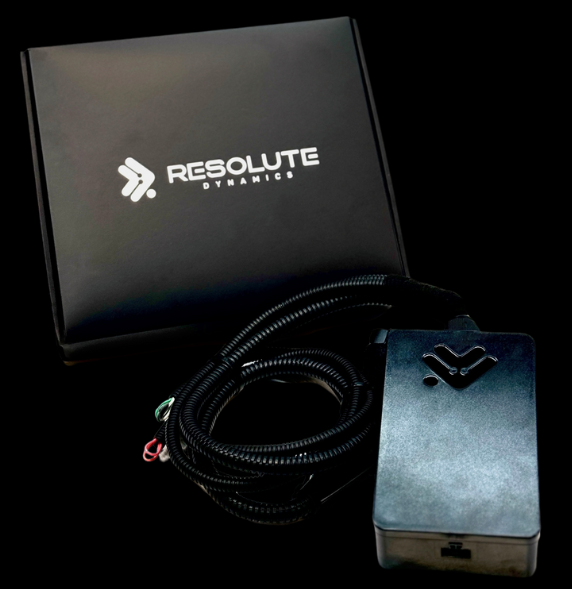
Electronic Fleet Vehicle Speed Limiter (ESL)
Our ESL devices limit maximum vehicle speed using electronic throttle intervention, ideal for buses, trucks, and vans. They integrate with modern engine control units (ECUs) and are perfect for DOT-regulated fleets.
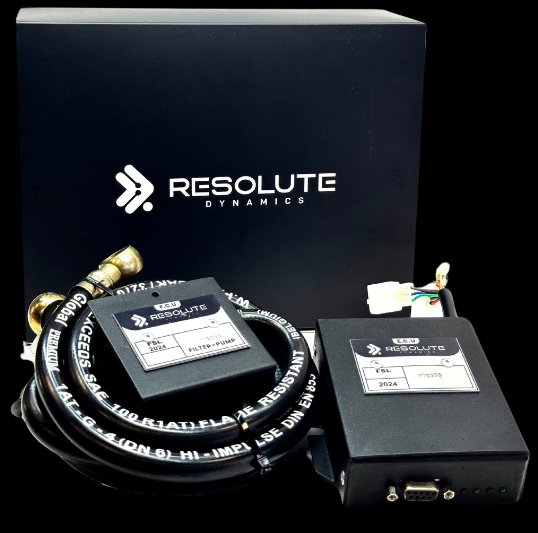
Fuel Type Speed Limiter(FSL)
Designed for older or fuel-injected vehicles, our FSL systems control speed via fuel flow modulation. Reliable and tamper-proof, these are suited for heavy-duty fleets in rural or mixed-use environments.
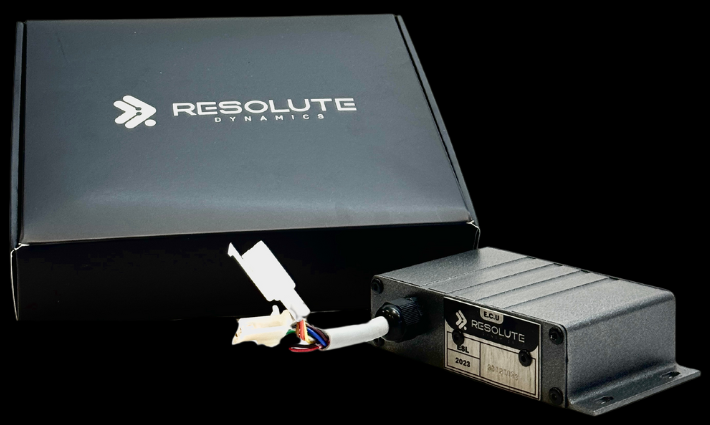
Dual & Multi-Speed Governor Limiters for Commercial Trucks
A terrain-based limiter allowing multiple preset speed thresholds, for example, a lower limit in school zones and a higher one on highways. Perfect for operators moving between urban and highway driving conditions in the U.S.
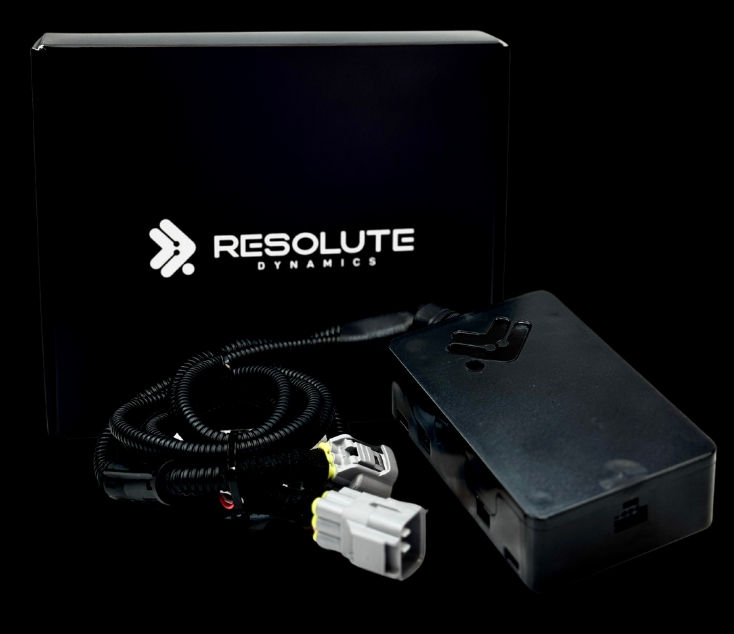
RPM Regulator, Aftermarket Speed Limiter Add-on
Essential for engine health and emission control. Our RPM regulators cap revolutions per minute, reducing mechanical wear and aiding in emissions compliance, especially relevant in states like California with strict environmental laws.
Speed Limiter Device Comparison: Which One Fits Your Fleet?
A quick side-by-side of our four US speed limiter families. Class 6–8 trucks, delivery vans, school buses, and municipal fleets each need a different device profile, use this table to shortlist before requesting a quote.
| Feature | Electronic (ESL) | Fuel Type (FSL) | Dual / Multi (MSLD) | Intelligent Speed Assistance (ISA) |
|---|---|---|---|---|
| How it caps speed | Throttle / ECU signal | Fuel delivery limit | Multiple speed profiles via GPS geofence | GPS + posted-limit database, real-time |
| Best for | Long-haulDelivery | Diesel fleetsEmissions tune-up | Mixed opsUrban + highway | Court-orderedSchool busMunicipal |
| Speed cap type | Single fixed value | Single fixed value | 2–4 zone-based profiles | Dynamic (matches posted limit) |
| Typical install time | 1–2 hours | 2–3 hours | 3–4 hours | 3–4 hours |
| Tamper-proof seal | Yes | Yes | Yes | Yes |
| Reporting / telematics | Basic event log | Fuel + speed log | Zone events + speed log | Full trip + violation log |
| Meets state ISA law (VA/DC/WA) | No | No | Partial (fixed zones) | Yes |
| Price range (per truck) | $350–$500 | $400–$600 | $600–$900 | $700–$1,100 |
Prices are US ranges for hardware + typical install. Volume pricing for fleets over 25 vehicles. Contact us for an exact per-truck quote by class and model year.
Quick Fleet ROI: What US Fleets See After Installing a Speed Limiter
Ranges reflect published US industry data; your fleet’s actual numbers depend on route mix, duty cycle, and current CSA percentile. Ask for a fleet-specific analysis below.
Intelligent Speed Assistance (ISA) & Adaptive Speed Limiter Systems
In addition to fixed and multi-speed limiters, Resolute Dynamics offers adaptive speed limiter technology. These intelligent systems use inputs from GPS, terrain data, or fleet parameters to apply dynamic speed control. This ensures real-time responsiveness to varying zones like school districts, construction areas, or municipality speed mandates, all while staying fully compliant with DOT and FMCSA guidelines.

Why US Fleets Choose Resolute Dynamics for Fleet Speed Limiter, Governor & ISA Deployment
NHTSA logged 11,288 speeding-related deaths in the US in 2024 (29% of all traffic fatalities). A hardware speed cap removes the “push it a few over” driver decision from every trip and directly cuts your fleet's crash exposure and liability profile.
Ask about fleet-wide install →Speeding tickets and hours-of-service violations directly increase your CSA Unsafe Driving BASIC percentile. Hardware-enforced speed caps prevent the underlying behaviour and drop your intervention risk with DOT auditors.
See our CSA-fit product options →Our Adaptive Speed Limiter reads posted speed data through GPS, the same active-ISA behaviour that Virginia's HB 2096, DC's STEER Act and Washington's BEAM Act reference in their court-ordered ISA programs.
Talk to us about ISA-ready builds →Many US commercial auto insurers apply discounts (or better renewal terms) to fleets running electronic speed governors and telematics. Large shippers (Amazon Relay, Walmart) increasingly require speed-limited fleets on contracted lanes.
Ask about insurance-ready reporting →Real-world fleet studies typically report 5–15% fuel savings when highway speeds are held to a cap. Our multi-speed and RPM regulator products let you standardise the same behaviour across Class 8 tractors, Class 7 straight trucks, school buses, and utility fleets from one supplier.
Request a mixed-fleet spec sheet →US State Coverage: Each Market's Regulatory Context
Each state has its own mix of ISA laws, environmental rules, and school-bus programs. Our team ships to fleets in every US state; here are the state contexts where speed-limiter and ISA demand is highest.
US State ISA & Speed-Limiter Laws: 2026 Quick Reference
| Jurisdiction | Law / Bill | Status | Who it applies to | ISA / Limiter required? |
|---|---|---|---|---|
| Virginia | HB 2096 (2024) | Active (Jul 2026) | Repeat speeding-offender program, court can order ISA on personal vehicle | Yes, ISA device |
| Washington DC | STEER Act (2024) | Active | Certain DUI offenders & DC government fleet vehicles | Yes, ISA / limiter |
| Washington State | BEAM Act (SB 5583, 2025) | Signed 2025 | Chronic reckless-driving offenders | Yes, court-ordered ISA |
| California | SB 961 (2024, vetoed) | Vetoed, audio-warning bill only | Would have applied to new passenger cars from 2030 | No mandate; CARB fleet rules apply separately |
| New York | S 4045 (SAFE Streets) | In committee | Repeat speeding / DUI offenders | Not yet law |
| Georgia | HB 1090 (intercity bus) | Active | Intercity buses, school buses | Speed governor required |
| Federal (FMCSA / NHTSA) | Speed Limiter Rule (2016 NPRM + 2022 ANPRM) | Withdrawn 24 July 2025 | Would have covered Class 7 & 8 CMV | No federal mandate today |
Sources: Virginia General Assembly HB 2096; DC Council Act 25-616 (STEER Act); Washington SB 5583 (BEAM Act); California SB 961 veto message; Federal Register notice 2025‑13928 (FMCSA/NHTSA withdrawal). Verified 2026-09-22, laws change; always check the current statute before installing under a compliance clause.
Washington DC
The STEER Act (D.C. Law 25-161) took effect October 1, 2024. Drivers convicted of criminal or aggravated reckless driving may be required to install ISA hardware to keep their license.
Source: D.C. Council
Virginia
HB 2096 (ISAP) effective July 1, 2026, ISA installation option for reckless-driving convictions above 100 mph, targeted at repeat offenders on I-95 and Northern Virginia corridors.
Source: Virginia General Assembly
Washington State
The BEAM Act (HB 1596, 2025) introduces ISA for drivers with suspended licenses under specific offenses. Signal of the direction west-coast fleet regulation is heading.
Source: WA State Legislature
California
CARB emissions rules and dense urban logistics corridors (LA, Long Beach ports, Bay Area) drive fleet demand for speed caps + telematics to control both fuel burn and NOx exposure.
Context: California Air Resources Board
Georgia
Intercity bus operators and school districts across Atlanta metro run voluntary speed-limiter programs. Our multi-speed devices handle school-zone vs highway limits automatically.
Context: GA DPS Motor Carrier
Texas
No state mandate; heavy oil, gas, and interstate haulage fleets adopt speed limiters as part of insurance and shipper-contract requirements. Match our MSLD for wellsite + highway dual-cap setups.
Context: TxDOT Motor Carrier Division
Ohio · Illinois · Pennsylvania
ORC 4511.21, 625 ILCS 5/11‑601, and Title 75 Pa.C.S. all regulate posted speed, not device installation. Fleet operators install voluntarily for insurance and CSA leverage.
Context: State vehicle codes (public)
All 50 states served
We ship devices and provide install guidance for any US fleet. Federal FMCSR still requires safe operation, a fleet-wide speed cap remains the simplest hardware answer to CSA scoring pressure.
Context: 49 CFR Part 392 (FMCSR)
Sources & References We Cite (Not Just Logos)
Per Google's Quality Rater Guidelines and E-E-A-T principles, we verbalise every trust reference rather than just displaying a logo. Every source below links to its primary publication so you can verify the exact claim.
Source for the “11,288 speeding-related deaths” and “29% of traffic fatalities” figures on this page. Published by the US Department of Transportation. Read the NHTSA release →
Source for the “22% increase in fatal crashes involving trucks since 2009” figure. Insurance Institute for Highway Safety research on speed limits and heavy-truck crash outcomes. IIHS research page →
Primary source for the July 24, 2025 withdrawal of the federal speed-limiter proposal by FMCSA and NHTSA. Cites “significant data gaps, uncertain safety benefits, and concerns about overriding state speed limits”. Federal Register notice →
Primary reference for the Washington DC ISA program (Oct 1, 2024). Directly cited on this page for jurisdictions where ISA is court-orderable today. DC Law text →
FAQ: US Speed Limiter & ISA Compliance
What is the FMCSA speed limiter rule and why was it withdrawn in 2025?
The FMCSA speed limiter rule was a jointly proposed Federal Motor Carrier Safety Administration + NHTSA regulation dating back to 2016 that would have required a speed-limiter device on Class 7 & 8 commercial vehicles. On 24 July 2025 it was formally withdrawn (Federal Register notice 2025‑13928). There is no active federal fleet speed limiter mandate today, but voluntary adoption continues because fleets use speed limiter devices to lower CSA scores, cut insurance premiums, and comply with state-level Intelligent Speed Assistance (ISA) laws in Virginia, DC, and Washington State.
How does a fleet speed limiter improve my CSA score?
Speeding-related violations are one of the seven BASICs that feed your CSA score (Compliance, Safety, Accountability). Installing a fleet vehicle speed limiter caps the truck below the highest posted US Interstate limits (typically 65–70 mph) so drivers cannot rack up 15+ mph speeding tickets, the violations that hurt CSA the most. Fleets running Resolute Dynamics speed governor devices typically see measurable CSA improvement within 2–3 audit cycles.
How does a speed limiter device work in a commercial truck?
A commercial truck speed limiter reads engine RPM, road speed, and GPS location, then sends a signal to the engine ECU or fuel system to cap top speed at a fleet-set value. Electronic Speed Limiter (ESL) devices act on the throttle; Fuel Speed Limiter (FSL) devices act on fuel delivery; Intelligent Speed Assistance (ISA) devices use GPS + posted-limit databases to adjust the cap in real time. Every Resolute Dynamics fleet speed limiter is tamper-sealed so drivers cannot bypass it.
How much does a fleet speed limiter or governor cost per truck?
Aftermarket fleet speed limiter and governor devices for US commercial trucks typically range from $350–$900 per vehicle for hardware, plus $150–$300 install labor. Multi-Speed Limiter Devices (MSLD) with GPS geofencing sit at the top of that range. Volume pricing kicks in for fleets over 25 vehicles. Request a fleet quote below and we’ll size the right speed limiter device for your Class 6–8 vehicles.
Is Intelligent Speed Assistance (ISA) the same as a speed limiter?
Not exactly. A traditional speed limiter (or speed governor) caps a truck at a single fixed value, usually 65 or 68 mph. Intelligent Speed Assistance (ISA) uses GPS plus a database of posted speed limits to adjust the cap dynamically: 25 mph in a school zone, 55 mph on a state route, 65 mph on the Interstate. Virginia HB2096 (2024) and the DC STEER Act use ISA (not a fixed speed limiter) for repeat offenders. Resolute Dynamics ships both technologies.
Is there a federal speed limiter mandate for US trucks in 2026?
No. On July 24, 2025 FMCSA and NHTSA jointly withdrew both the 2016 NPRM and the 2022 ANPRM that had proposed a mandate (Federal Register notice 2025-13928). US truck speed limiters are voluntary and driven by insurance, CSA safety scoring, shipper contracts, and state ISA laws.
Does installing a speed limiter improve my DOT CSA safety score?
Speeding violations feed the Unsafe Driving BASIC in the CSA methodology. A hardware speed cap prevents the underlying violation from occurring, which over the 24-month rolling window lowers your Unsafe Driving percentile and reduces DOT intervention risk.
Which US states have active Intelligent Speed Assistance (ISA) laws?
Three as of 2026: Washington DC (STEER Act, Oct 2024), Washington State (BEAM Act, 2025), and Virginia (HB 2096 ISAP, effective July 1, 2026). All three target high-risk drivers rather than commercial fleets, but signal the direction US regulation is heading.
What is FMVSS No. 127, is it the same as a speed limiter?
No. FMVSS No. 127 is a light-vehicle Automatic Emergency Braking (AEB) rule with a September 1, 2029 compliance deadline (currently being amended by NHTSA). It does not apply to heavy trucks and it does not require speed limiters.
What speed cap do most US fleets set on their trucks?
Common voluntary caps sit between 62 and 68 mph, the same range that appeared in the withdrawn federal proposal. Fleets carrying temperature-sensitive or hazardous loads often go lower (60 mph); long-haul general freight tends toward 65-68 mph.
Do US commercial auto insurers offer discounts for speed-limited fleets?
Many do. Insurers write speed-governor use into loss-control questionnaires and pair it with telematics discounts. Ask your broker about the specific line-item credit and be ready to demonstrate the hardware cap plus reporting.
How long does a speed limiter install take per vehicle?
Modern ECU-integrated Electronic Speed Limiters typically install in under two hours per Class 8 tractor. Older Fuel Speed Limiters (FSL) can take longer. Fleet-wide programs run in scheduled batches at your yard.
Can one device handle school-zone, city, and highway speed caps?
Yes, our Dual/Multi-Speed Limiter Device supports preset zones, and the Adaptive Speed Limiter changes cap in real time using GPS + posted-speed data. Both are the technologies that state ISA laws reference.
Get Started Today
Looking for a trusted, compliant, and innovative speed limiter device in the USA? Resolute Dynamics delivers the technology, support, and results your organization needs.
We're here to help with any questions or inquiries