Zimbabwe’s approach to speed limiters is shaped by the Road Traffic Act (Chapter 13:11), enforced by the Vehicle Inspection Department (VID) and coordinated by the Ministry of Transport and Infrastructure Development, with oversight from the Traffic Safety Council of Zimbabwe (TSCZ). The framework applies primarily to heavy goods vehicles and public service vehicles — but the specific statutory provisions aren’t well-documented in plain English.
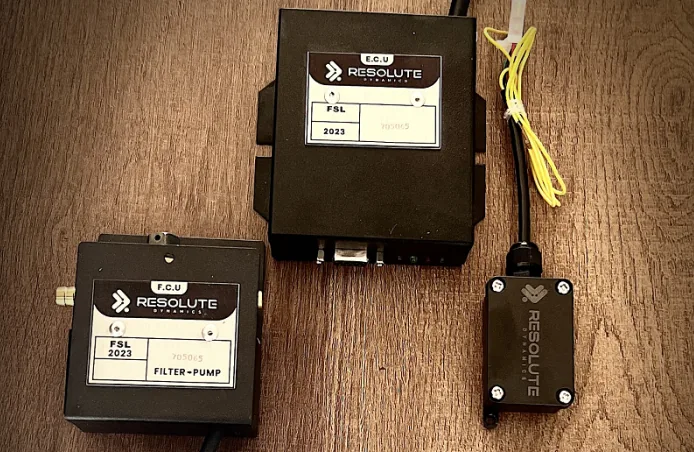
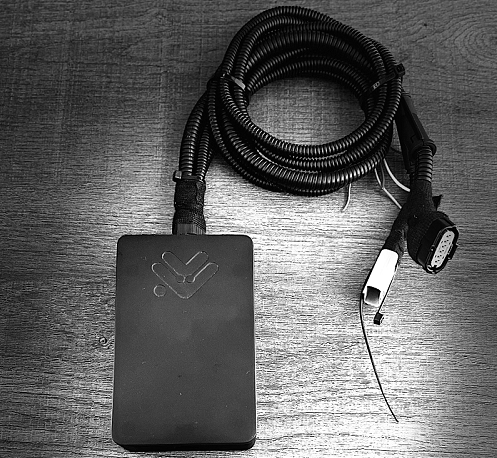
For installation, see our speed limiter in Zimbabwe services. This article breaks down what the statute actually says: vehicle categories in scope, VID inspection checks, permitted speed thresholds, and penalties for tampering.
Understanding the Legal Requirements for Speed Limiters in Zimbabwe
The speed limiter regulations in Zimbabwe require certain vehicles, particularly those used for commercial purposes, to be equipped with a certified speed limiter.
These devices must be installed to cap the vehicle’s speed at the legally mandated limit, which varies depending on the type of vehicle.
For example, heavy trucks and public transport vehicles typically face stricter speed restrictions compared to smaller commercial vehicles.
The Ministry of Transport and Infrastructure Development is the body overseeing these regulations. They ensure that businesses comply with the standards set for speed limiter installation and maintenance.
Staying updated with any amendments to the law is crucial since these regulations evolve to improve road safety.
Who Must Comply with Speed Limiter Regulations?
Not all vehicles are required to install speed limiter device in Zimbabwe, but specific categories must adhere strictly. If your business involves operating commercial trucks, buses, or other heavy-duty vehicles, you’ll need to install these devices.
This also includes companies involved in logistics, transportation, and delivery services.
However, some light commercial vehicles or private vehicles used for non-commercial purposes may be exempt from the speed limiter requirement.
That said, the general trend is moving towards more inclusive regulations, meaning even if your vehicle isn’t currently required to have a speed limiter, it’s essential to stay informed of potential changes in the law.
Penalties for Non-Compliance
Non-compliance with speed limiter regulations in Zimbabwe can have serious consequences for businesses. Here’s what you could face if your fleet isn’t following the rules:
Hefty Fines
The most immediate penalty is a financial one. If your vehicles don’t have the required speed limiters installed, or if they’re malfunctioning, you’ll likely face fines.
These fines can be steep, especially if the violation is ongoing or involves multiple vehicles.
Vehicle Impoundment
In severe cases of non-compliance, authorities have the right to impound your vehicle. This is a major issue for businesses relying on a fleet for deliveries or transport.
Until the vehicle is compliant, it’s off the road, causing delays, operational disruptions, and loss of revenue.
Legal Action
Repeated non-compliance or tampering with speed limiters can lead to legal consequences. This can escalate from fines to court cases, where your business might face even harsher penalties.
In some cases, the business owner or fleet manager could be held personally accountable for non-compliance.
Reputational Damage
Beyond financial and legal consequences, failing to comply with speed limiter regulations can harm your company’s reputation.
Clients and partners may question your commitment to safety and regulations, which could lead to lost contracts or clients opting for more reliable service providers.
Insurance Premium Increases
If your fleet is found to be non-compliant, it can lead to increased insurance premiums. Non-compliant vehicles are seen as higher risk, and insurance companies may raise premiums or, in worst cases, refuse coverage until compliance is achieved.
Potential Accidents and Liability
Without functioning speed limiters, vehicles are at higher risk of accidents due to speeding. If an accident occurs, not only will you face legal consequences, but the potential for liability lawsuits increases, especially if negligence in following speed regulations is proven.
Conclusion
Navigating Zimbabwe’s speed limiter regulations is vital for businesses that operate commercial vehicles. By understanding the legal requirements, complying with them, and recognizing the broader benefits, you can ensure your business stays on the right side of the law while enjoying cost savings and enhanced road safety.
Keeping up with evolving regulations will allow you to adapt and maintain smooth operations, all while contributing to safer roads for everyone.
For Zimbabwean fleet operators looking for compliant devices and fitment guidance, see our Zimbabwe speed limiter services.

The Resolute Dynamics team designs and manufactures speed limiters (SLD), GPS tracking, and automotive safety systems used on 200,000+ vehicles across 20+ countries. We write about fleet compliance, road-safety regulation, and vehicle-safety technology, including Malaysia’s JPJ SLD mandate, UAE RTA rules, and global standards like UN R89, to help fleet operators and transport businesses stay safe and compliant.