Oman’s MSLD regulations under OPAL pull elements from multiple global fleet safety frameworks — the tiered zone-based speed capping resembles UK FORS practice, the IVMS integration requirement parallels Australia’s NHVAS approach, and the tamper-evidence standards align with ISO 39001 principles. Understanding these parallels helps multinational operators map compliance across regions.
For fleet operators evaluating speed limiters in Oman against their global fleet safety frameworks, this article walks through the comparison and where Oman’s OPAL framework sits in the international landscape.
Understanding Multi-Speed Limiter Devices (MSLDs) in Oman

What is a Multi-Speed Limiter Device (MSLD)?
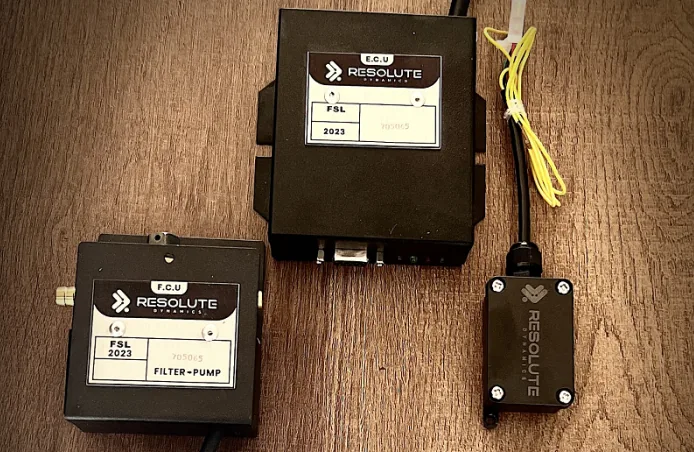
A Multi-Speed Limiter Device (MSLD) is a tamper-proof electronic system installed in fleet vehicles to cap their maximum speed, either permanently or based on specific zones.
For instance, a vehicle may be limited to 80 km/h on highways but automatically reduce to 40 km/h when entering an oil field or work site—ensuring zone-specific safety compliance.
This device ensures consistent vehicle behavior, reduces accident severity, and enhances driver compliance with designated speed limits. Often, MSLDs work in conjunction with In-Vehicle Monitoring Systems (IVMS), fatigue alerts, and GPS to provide a comprehensive picture of driver behavior and road safety.
By using geo-fencing and real-time data logging, MSLDs eliminate the guesswork in enforcing road safety policies. For operators looking to stay compliant and reduce incident rates, adopting a proven speed limiter Oman solution is a proactive step toward managing risks on roads shared by tankers, heavy machinery, buses, and field crews.
The OPAL Mandate: Why MSLDs Are Now Required
OPAL, Oman’s leading oil and gas industry body, introduced the MSLD requirement as part of its ongoing commitment to the “Goal Zero” vision—zero fatalities, zero serious injuries. The regulation ensures that all energy sector vehicles, regardless of the operator, comply with consistent safety parameters.
Starting with a phased rollout across larger operators, the mandate now applies to a wide range of vehicles including light-duty transport, buses, and heavy equipment carriers operating on or near energy project sites.
This move is not arbitrary. OPAL’s decision is based on comprehensive data pointing to excessive speed and inconsistent driver behavior as key contributors to accidents. MSLDs offer a technology-driven, traceable, and enforceable way to prevent these incidents.
Integration with Fleet Safety Programs

One of the key advantages of MSLDs is how well they integrate with broader fleet safety ecosystems. When connected to systems like IVMS, they provide real-time visibility into driver habits, speed limit violations, sudden stops, and route compliance.
When used with driver fatigue monitoring systems, MSLDs help create a layered defense against accidents caused by tiredness, distraction, or inattention.
The result is not just safer vehicles — but smarter operations. This kind of synergy is where advanced fleet compliance technology providers in this space bring real value. While not overtly promotional, it’s worth noting that successful MSLD implementation often depends on provider expertise and integration capability.
How MSLD Regulations Fit into Oman’s Broader HSSE Framework
The Ministry of Energy and Minerals’ Role in HSSE Enforcement
Oman’s approach to safety in the energy sector isn’t piecemeal—it’s systemic. The Ministry of Energy and Minerals mandates a strict Health, Safety, Security, and Environment (HSSE) framework that governs every layer of industrial activity. From the condition of living camps to lifting operations and spill response, each area is regulated under a single, unified safety vision.
In this context, the MSLD mandate isn’t just a road safety rule—it’s part of a larger ecosystem of operational discipline. The same way oilfield operators are required to maintain certified lifting gear or conduct fire safety drills, they’re also expected to ensure their vehicles are equipped with MSLDs to limit speed consistently.
These regulations create a culture of traceable accountability. Companies must not only follow safety rules but also maintain proper documentation, training records, and system checks—something that applies equally to vehicle-based safety tech like MSLDs as it does to other physical and procedural controls.
Alignment with International Safety Protocols
Oman doesn’t operate in isolation when it comes to safety governance. In fact, Article 40 of the Oil & Gas Law explicitly requires companies to use materials, processes, and equipment that comply with international standards. This ensures Omani operators are not just compliant locally but are also competitive on the global stage.
That’s where MSLDs shine. They’re not a local invention—they’re part of an emerging global best practice in industrial fleet compliance. Across oil-producing nations from Canada to the UAE, speed-limiting technology is being adopted as a way to control risk, reduce liability, and improve operational integrity.
Oman’s adoption of MSLDs mirrors these global practices, particularly when combined with IVMS integration, real-time location tracking, and tamper-proof enforcement mechanisms. These technologies work together to create predictable, low-risk road operations in even the most hazardous environments.
OPAL as a Standardization Engine for Energy Operators
Collaboration Across Oman’s Top Operators
One of the most powerful features of Oman’s safety landscape is the role of OPAL as a unifying platform. It’s not just a regulator—it’s a coalition. OPAL brings together leading energy operators such as Petroleum Development Oman (PDO), BP Oman, Occidental, OQ, and others to agree on consistent, enforceable safety policies.
This collective approach ensures that requirements like MSLDs aren’t implemented inconsistently from one company to another. Whether you’re a logistics subcontractor for Occidental or running buses for a PDO project, the same safety standard applies.
By standardizing expectations, OPAL eliminates confusion and builds a safety-first mindset across contractors, drivers, and managers. And because it involves everyone from top-tier operators to service providers, the impact is sector-wide risk reduction.
Sector-Wide Impact on Driver Safety and Monitoring
When everyone uses the same safety tools and data standards, monitoring becomes far more effective. OPAL’s coordination ensures that MSLDs, IVMS systems, and driver behavior monitoring tools can be deployed in a cohesive, interoperable way.
This approach supports a data-rich environment where fleet operators can track:
-
Overspeed incidents
-
Harsh braking or acceleration
-
Route deviations
-
Fatigue warnings and shift durations
Such consistency allows for fair evaluations, benchmark comparisons, and corrective action plans across different operations. And when incidents do occur, the availability of tamper-proof, verifiable data from MSLDs and related systems makes root-cause analysis faster and more accurate.
Continuous Improvement: The ‘Goal Zero’ Safety Vision
Regular Audits, Training, and Tech Upgrades
In Oman, safety isn’t static. The energy sector is guided by a culture of continuous improvement, where audits, training, and technology upgrades are seen as essential—not optional.
OPAL’s Goal Zero initiative—striving for zero fatalities and serious injuries—demands that all aspects of safety, including vehicle operations, evolve constantly. For MSLDs, this means operators must:
-
Stay current with system updates
-
Conduct periodic checks to ensure the device hasn’t been tampered with
-
Provide driver training on speed policies and behavior expectations
-
Maintain accurate records for compliance audits
This approach reflects the broader trend across Oman’s energy industry: proactive, not reactive, safety management. Whether it’s fire drills, environmental monitoring, or transport operations, the philosophy is the same—anticipate risk, don’t wait for it to strike.
Companies that embrace this mindset are not only safer but also more resilient and reputable, especially when dealing with international partners or regulatory bodies.
Evolving With Global Safety Benchmarks
Oman’s safety regulations are not locked in time. They adapt to reflect global trends—whether it’s incorporating AI in driver fatigue detection or integrating predictive analytics into fleet dashboards.
For MSLDs, this evolution could involve:
-
Smarter geofencing based on terrain or risk levels
-
Automated alerts sent to supervisors upon speed violations
-
Cross-platform data synchronization with IVMS and ERP systems
These innovations support real-time visibility and data-driven decision-making, empowering fleet managers to act before issues escalate. It’s an approach that modern fleet safety providers are already embracing—focusing not just on compliance, but on operational intelligence.
Real-World Outcomes of MSLD Regulation Alignment
Unified Safety Baseline for All Operators

Perhaps the most valuable result of MSLD implementation is the creation of a standardized safety baseline. No matter who the operator is, every vehicle on an energy site is held to the same rules. This consistency:
-
Prevents compliance gaps
-
Reduces confusion for subcontractors
-
Makes safety enforcement fair and measurable
It also supports the creation of incident databases and trend reports that can be shared across companies—strengthening the sector’s collective knowledge and response capabilities.
Boosting Oman’s Competitive Standing in the Global Market
By aligning with international fleet safety protocols, Oman demonstrates its commitment to world-class operational standards. This not only improves internal performance but also strengthens the country’s position as a trusted energy partner on the global stage.
MSLD adoption—paired with integrated safety systems and data transparency—positions Oman as a country where compliance maturity and technological advancement go hand in hand.
Supporting Sustainable, Low-Risk Operations
Safety and sustainability are increasingly seen as two sides of the same coin. By minimizing road accidents, reducing fuel waste from aggressive driving, and protecting lives, MSLDs contribute directly to:
-
Lower carbon footprints
-
Higher driver retention
-
Reduced insurance and repair costs
-
Improved public and environmental health
In this way, fleet safety becomes a pillar of long-term sustainability planning—not just a cost center.
How Energy Operators Can Ensure Full MSLD Compliance
Checklist for MSLD Compliance Readiness
To stay aligned with OPAL’s safety mandates and national HSSE goals, operators should focus on the following:
-
Install certified MSLDs across all eligible vehicles
-
Ensure tamper-proof systems with audit logs
-
Link MSLDs to IVMS or telematics platforms
-
Train drivers and supervisors on system use and reporting
-
Maintain compliance records for inspections and audits
These steps not only meet regulations—they make daily operations more predictable, measurable, and safe.
Leveraging Integrated Solutions for Fleet Safety
For many companies, achieving compliance at scale means using end-to-end safety platforms. These systems combine MSLDs, IVMS, driver behavior analytics, and fatigue monitoring into a single, easy-to-manage framework.
While every operator must choose the approach that fits their fleet and budget, it’s important to partner with solution providers who understand both OPAL’s evolving safety requirements and the technical complexity of the energy sector.
Specialist providers in this space, for instance, support integrated, tamper-resistant fleet safety systems that align directly with Oman’s regulatory and operational realities — helping operators stay compliant, reduce incidents, and build a culture of safety.
Final Thoughts: A Roadmap to Safer Energy Transport in Oman
Oman’s MSLD regulations are much more than a rule about speed—they’re a strategic lever for transforming road safety across the energy industry. Rooted in OPAL’s collaborative framework and supported by international best practices, MSLDs are helping companies build safer fleets, more accountable drivers, and more efficient operations.
For energy operators, this alignment is both a responsibility and an opportunity. Those who embrace the full scope of Oman’s safety vision—through compliance, integration, and continuous improvement—will not only meet today’s standards but help shape the future of sustainable, high-integrity energy transport in the region.
For the rules-and-mechanics view of Oman’s MSLD framework, see: How Oman’s MSLD Rules Under OPAL Standards Actually Work.

The Resolute Dynamics team designs and manufactures speed limiters (SLD), GPS tracking, and automotive safety systems used on 200,000+ vehicles across 20+ countries. We write about fleet compliance, road-safety regulation, and vehicle-safety technology, including Malaysia’s JPJ SLD mandate, UAE RTA rules, and global standards like UN R89, to help fleet operators and transport businesses stay safe and compliant.