Our Products
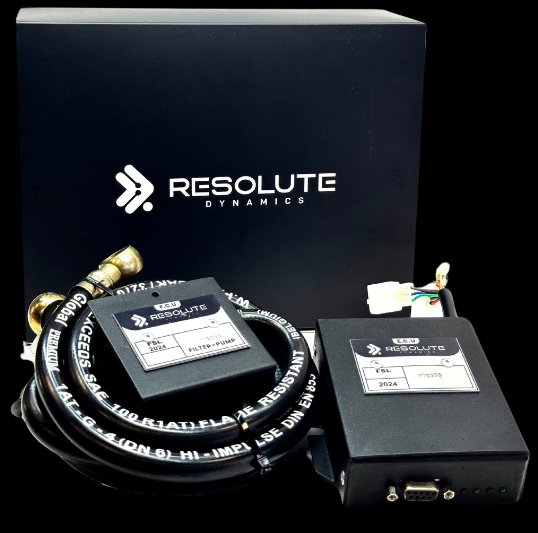
Speed Limiter & Speed Governor Oman
Our speed limiter devices in Oman help commercial vehicles comply with speed regulations required for safe road operations. These systems restrict vehicles from exceeding predefined speed limits, helping fleet operators avoid inspection failures and maintain regulatory compliance. Designed for heavy trucks, buses, and logistics fleets, our speed limiter systems support safer driving while improving operational efficiency.
- Passing the annual ROP technical inspection for vehicle registration (Mulkiya) renewal.
- Ensuring compliance with GSO 1781/1782 standards.
- preventing fines associated with over-speeding on major arteries like the Batinah Expressway.
- Securing your Speed Limit Certificate, a mandatory document for all commercial vehicles.
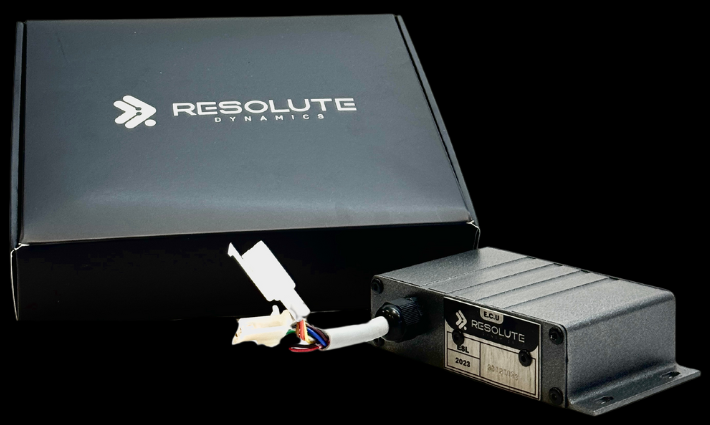
Dual & Multi-Speed Limiters (MSLD)
For fleets operating in the Oil & Gas sector, specifically within PDO or OQ concession areas, we offer advanced Multi-Speed Limiter Devices (MSLD). These intelligent systems use geofencing to automatically adjust vehicle speed based on location:
- High Speed (100 km/h): On public blacktop roads.
- Low Speed (80/40 km/h): On graded roads or within hazardous rig sites.
- OPAL Compliance: Fully aligned with OPAL SP-2000 road safety standards for contractors.
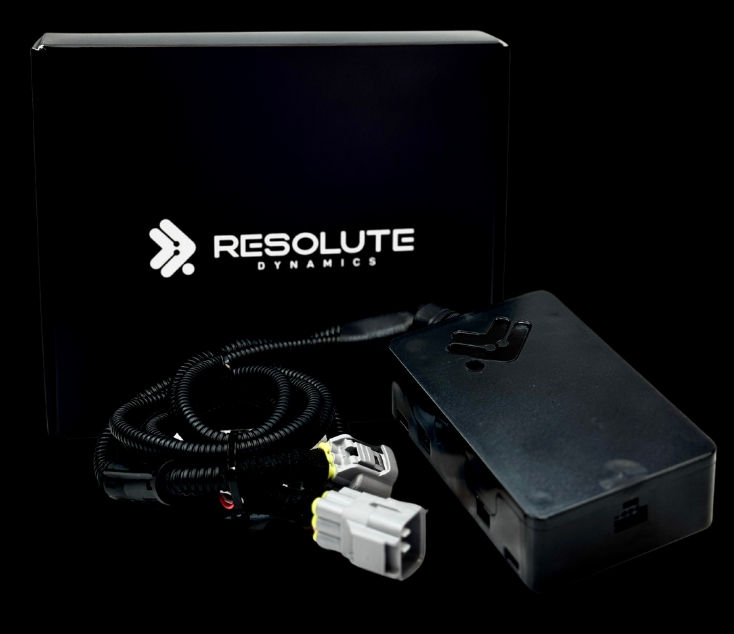
RPM Regulators
Protect your engine assets from the extreme heat and long operational hours typical of Oman's logistics routes. Our RPM regulators are vital for:
- Preventing engine over-revving during heavy haulage.
- Reducing fuel consumption on long routes to Salalah and Duqm.
- Lowering maintenance costs for aging commercial fleets.
- Reducing emissions in line with Oman's environmental sustainability goals.
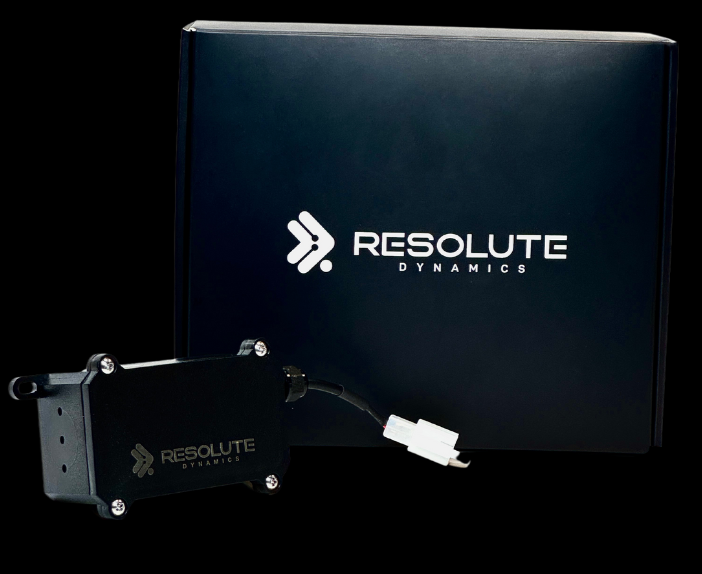
Smart Lift Systems
Elevate the safety standards of your automotive workshops in Muscat and industrial zones. Our Smart Lift systems provide:
- Heavy-duty lifting capacity for trucks and buses.
- Advanced electronic synchronization for uneven loads.
- Enhanced safety protocols for mechanics during under-chassis inspections.
- Real-time load monitoring to prevent workshop accidents.

Why Choose Resolute Dynamics in Oman?
- Authorized Local Presence We operate through our authorized distributor, Alsarray Global LLC, located in Al Seeb, Muscat. This ensures you have immediate access to stock, installation services, and warranty support right here in the Sultanate.
- Guaranteed ROP Compliance Our devices are rigorously tested to meet Omani traffic laws. We guarantee that our installations will generate a valid speed limit certificate, ensuring your vehicle passes its ROP inspection the first time, every time.
- Naql Platform Integration A valid speed limiter certificate is a prerequisite for obtaining your Vehicle Operating Card (VOC) on the Naql platform. We help streamline your digital compliance, preventing blocks on your commercial permits.
- Expert Technical Support Our certified technicians understand the diverse needs of Omani fleets, from school buses in the capital to water tankers in the interior. We provide mobile installation services to minimize downtime.
The Benefits of Installing Speed Limiters in Oman
1. Seamless Vehicle Registration
The most immediate benefit is regulatory. Without a functional speed governor and a valid speed limit certificate, commercial vehicles cannot renew their registration (Mulkiya). We ensure you avoid the hassle of failed inspections and re-testing fees.
2. Enhanced Road Safety on Key Corridors
Oman’s highways, such as the Muscat Expressway and the Adam-Thumrait road, see high volumes of heavy freight. Our devices prevent high-speed collisions, protecting your drivers, your cargo, and other road users.
3. Operational Efficiency & Fuel Savings
By capping top speeds, you significantly reduce fuel burn—a critical cost factor for logistics companies running routes between Duqm, Salalah, and the UAE border. Controlled speeds also extend tire life and reduce engine strain in high ambient temperatures.
Oman Speed Limits by Road Type (Official RoP Values)
Speed limits in Oman are enforced by the Royal Oman Police (RoP) and vary by road category and vehicle type. Heavy commercial vehicles are additionally capped by the mandatory speed limiter device, regardless of the posted road limit.
| Road Type | Cars (km/h) | Buses (km/h) | Heavy Trucks (km/h) |
|---|---|---|---|
| Motorway / Expressway (Muscat–Sohar, Muscat–Nizwa, Batinah) | 120 | 100 | 80 (device cap) |
| Highway / rural (single carriageway) | 100 | 90 | 80 (device cap) |
| Urban roads (inside city limits) | 60 | 60 | 60 |
| Residential / school zones | 40 | 40 | 40 |
| RoP speed camera tolerance (grace / buffer) | +9 km/h above the posted limit (approximate; strict enforcement above) | ||
| Oilfield / concession-area roads (PDO, OQ) | Governed by OPAL SP-2000: 80 km/h graded roads, 40 km/h rig sites — enforced by MSLD device | ||
Note: The 80 km/h figure for heavy trucks is the mandatory device-imposed cap under GSO 1781/1782 and RoP regulation. Even on motorways where cars may travel at 120 km/h, a properly installed speed limiter will physically prevent your commercial vehicle from exceeding 80 km/h.
MSLD & OPAL Compliance Rules for Oman Fleets
If your fleet operates in Oman's oil and gas sector — particularly within Petroleum Development Oman (PDO) or OQ concession areas — you are required to install a Multi-Speed Limiter Device (MSLD) that meets OPAL SP-2000 road safety standards.
What MSLD (Multi-Speed Limiter Device) Actually Does
An MSLD uses onboard GPS geofencing to detect which type of road your vehicle is on and automatically applies the correct speed cap without driver intervention. This eliminates the human judgment call at the boundary between a public highway and a graded oilfield access road, which is where a large share of PDO-area heavy-vehicle incidents historically occurred.
Which Vehicles Need an MSLD in Oman
- Heavy goods vehicles (over 3.5 tonnes) contracted to PDO, OQ, or other concession-area operators
- Fuel tankers, water tankers, and hazardous-material carriers operating in the interior
- Buses transporting oilfield workers to remote camps
- Any contractor vehicle whose insurance or PDO permit specifies OPAL SP-2000 compliance
OPAL SP-2000 Speed Bands
- Public blacktop roads: capped at 80 km/h (heavy trucks) / 100 km/h (light vehicles)
- Graded oilfield roads: capped at 80 km/h light, 60 km/h heavy
- Rig sites and hazardous zones: capped at 40 km/h regardless of vehicle class
Penalties for Non-Compliance
Vehicles found operating in PDO/OQ areas without a functional, OPAL-compliant MSLD can be barred from concession access, causing immediate contract-service interruption. RoP inspection failure also blocks Mulkiya renewal, which grounds the vehicle from public roads entirely.
How to Get Your Speed Limiter Certificate in Oman
The Speed Limit Certificate is a mandatory document for commercial vehicle registration renewal (Mulkiya) and for obtaining your Vehicle Operating Card (VOC) on the Naql platform. Here is the full process:
Step 1 — Confirm Vehicle Eligibility
All commercial vehicles above 3.5 tonnes GVW require a speed limiter. Light commercial vehicles used for hire may also require one depending on their permit category. Bring your Mulkiya card and vehicle inspection history to the installer.
Step 2 — Device Installation by an Authorized Workshop
Installation must be performed by an RoP-authorized workshop. In Oman, Resolute Dynamics operates through our authorized local distributor, Alsarray Global LLC, based in Al Seeb, Muscat. Our certified technicians will physically wire the limiter into the vehicle's engine management system and set the correct cap (80 km/h for heavy commercial, MSLD bands for OPAL-scope vehicles).
Step 3 — Calibration & Sealing
Once installed, the device is calibrated on a rolling road or via ECU verification and then sealed by the installer. The seal prevents unauthorized tampering — breaking it invalidates the certificate.
Step 4 — Issuance of the Speed Limit Certificate
The authorized installer issues a signed and stamped Speed Limit Certificate containing the vehicle chassis number, the installed cap value, the calibration date, and the installer's RoP registration number.
Step 5 — Upload to Naql Platform
Your certificate is registered on the Naql platform, which is the digital compliance layer feeding into your VOC. Without this upload the RoP inspection cannot verify your device and Mulkiya renewal will fail.
Step 6 — Annual Re-verification
The certificate is typically valid for one year and must be re-verified at each annual RoP inspection. Any repair or engine work that could affect the limiter (ECU flash, wiring, gearbox change) requires re-sealing and a fresh certificate.
Frequently Asked Questions About Speed Limiters in Oman
What is the speed limit for heavy trucks in Oman?
The physical device cap for heavy commercial vehicles is 80 km/h, regardless of the road's posted limit. Even on Oman motorways where cars may travel at 120 km/h, your speed limiter will prevent the truck from exceeding 80 km/h.
What is the RoP speed camera grace / buffer in Oman?
RoP speed cameras generally allow a tolerance of approximately 9 km/h above the posted limit before issuing a fine. This buffer is not codified as a legal right — it is a practical enforcement threshold and can be reduced without notice, so it should never be treated as a "legal" over-speed allowance.
Who is required to install an MSLD device in Oman?
Vehicles operating inside Petroleum Development Oman (PDO), OQ, or other oil-and-gas concession areas typically require a Multi-Speed Limiter Device compliant with OPAL SP-2000. This includes tankers, heavy trucks, and worker-transport buses running on graded roads or rig sites.
What is OPAL and how does it apply to my fleet?
OPAL is the Oman Society for Petroleum Services. Its SP-2000 standard defines road safety requirements — including automatic speed control — for all contractor vehicles operating within member companies' concession areas. If your fleet has a PDO or OQ service contract, OPAL compliance is contractually mandatory.
How long does speed limiter installation take in Oman?
A standard installation on a heavy commercial vehicle typically takes 2–4 hours per unit, including calibration and certificate issuance. Mobile installation at your yard is available in and around Muscat, Sohar, Salalah, and Duqm to minimise fleet downtime.
Can I keep my Mulkiya renewal without a speed limiter?
No. For any commercial vehicle in the classes covered by RoP regulation, the annual technical inspection required for Mulkiya renewal will not pass without a functional, sealed, and certified speed limiter device. Vehicles that fail inspection cannot be legally operated on Oman roads.
Does the speed limiter affect my vehicle's fuel efficiency?
Yes — positively. By preventing top-speed operation on long routes such as Muscat–Duqm and Muscat–Salalah, the limiter reduces engine load in Oman's high ambient temperatures. Fleet operators typically report 6–12% fuel savings and measurable extension of tyre and engine life.
What happens if the speed limiter seal is broken?
Any broken or missing seal invalidates the Speed Limit Certificate immediately. The RoP treats this as a compliance failure, and the vehicle must return to an authorized workshop for re-installation, re-calibration, re-sealing, and a fresh certificate before it can be operated legally.
Contact Us
Ready to secure your fleet's compliance in Oman? Don't risk fines or inspection failure. Contact our local team today for certified installation and your official Speed Limit Certificate.
We're here to help with any questions or inquiries