If you run a truck, a bus, or any heavy vehicle on Qatar’s roads, there’s one piece of paper that quietly decides whether your vehicle stays legal or gets pulled off the road. It’s the speed limiter certificate.
I’ve watched fleet owners lose days at the inspection center over this single document, and almost every time, the problem traced back to one thing: they never understood how Traffic Department approval actually works. So let me walk you through it, start to finish, in plain language.
A speed limiter certificate is a validation document that confirms your vehicle carries an approved, working speed limiter, and it’s signed off in line with the rules set by the General Directorate of Traffic under Qatar’s Ministry of Interior. Get it right once, and the rest of your registration year runs smooth.
What Is a Speed Limiter Certificate in Qatar?
A speed limiter certificate is an official proof document that says a speed limiting device has been fitted to your vehicle, set to the correct governed speed, and sealed so nobody can tamper with it. Think of it as a health record for your vehicle’s speed control system.
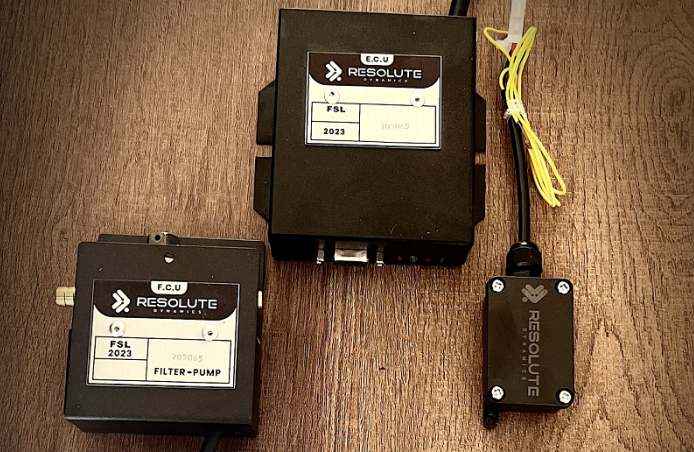
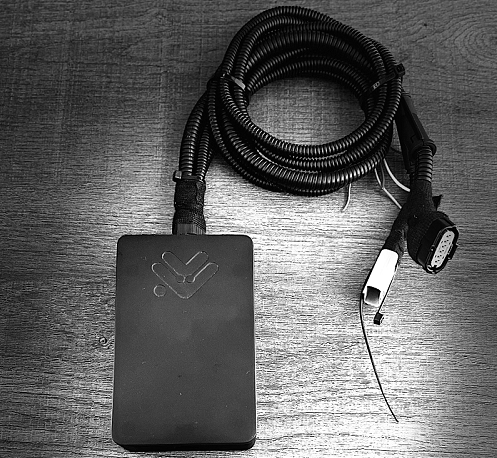
The certificate ties three things together: the device, the vehicle, and the law. A speed limiter device, also called a speed governor, caps how fast your engine will let you go, no matter how hard the driver presses the pedal.
The certificate is the paperwork that records this cap and makes it count in the eyes of the authorities. Without the certificate, the device on your vehicle is just hardware with no legal weight behind it.
Here’s the simplest way I explain it to clients: the device does the work, but the certificate proves it. One without the other gets you nowhere at the testing station.
Is a Speed Limiter Certificate Mandatory in Qatar?
Yes. A speed limiter certificate is mandatory for several categories of commercial and heavy vehicles in Qatar, and the requirement sits within the country’s traffic framework enforced by the Ministry of Interior’s General Directorate of Traffic. This isn’t a friendly suggestion. It’s tied directly to whether your vehicle passes inspection and keeps its registration.
Qatar’s broader speed and safety rules fall under Traffic Law No. 19 of 2007, which the General Directorate of Traffic enforces across the country.
(I cover the wider legal picture in the Qatar speed limiter laws guide, so I’ll keep the legal weeds short here and stay focused on the certificate itself.) What matters for you is this: if your vehicle falls into a regulated class, a missing or expired certificate becomes a roadblock at renewal time.
Which Vehicles Require a Speed Limiter in Qatar
There are six main vehicle types that fall under speed limiter rules in Qatar. The list leans heavily toward anything big, heavy, or carrying people and cargo:
- Heavy goods vehicles and trucks used in logistics and freight
- Buses running passenger routes
- School buses carrying children
- Fuel and oil tankers moving hazardous loads
- Construction and heavy equipment fleets working roadwork and building sites
- Taxis and commercial transport vehicles operating for hire
If your vehicle hauls heavy loads or moves passengers for a living, assume it’s in scope until an authorized center tells you otherwise. Light private cars generally sit outside these requirements.
Qatar Speed Limit Settings by Vehicle Class
Each vehicle class is governed to a preset speed that matches its weight, purpose, and risk level. The device is calibrated to that figure during installation, and the certificate records it. The national road limits give you the backdrop:
| Road type | Speed limit |
|---|---|
| Urban / built-up areas | 60 km/h |
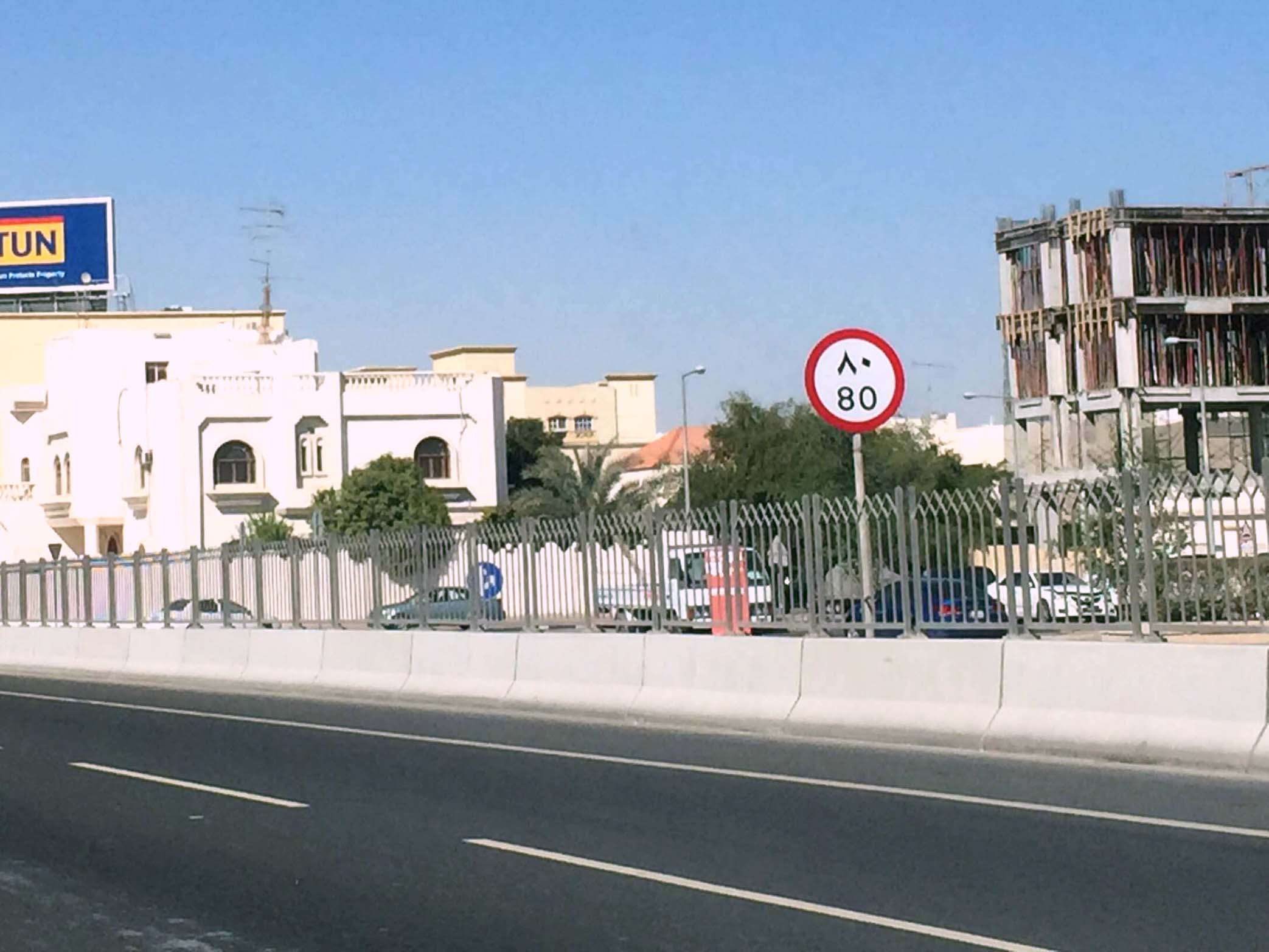
| Non-urban roads | 80 km/h |
| Highways | 120 km/h |
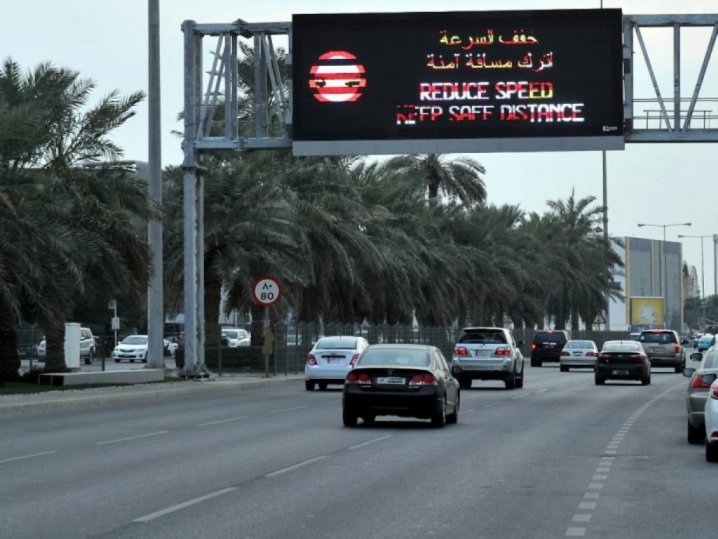
Heavy vehicles and buses are typically governed below the highway maximum, so a truck’s limiter won’t let it touch the 120 km/h ceiling that a private car can legally reach. The exact governed figure for your vehicle is set by its category, and the fitment center applies it before sealing the device. For fleets running mixed routes, a multi speed limiter handles different zone caps without manual fiddling.
Who Issues and Approves the Speed Limiter Certificate in Qatar?
The General Directorate of Traffic, which operates under the Ministry of Interior, is the authority that enforces speed limiter compliance and approves it through the inspection and registration process. Alongside it, the Ministry of Transport plays a role in authorizing the workshops that install the devices. Two bodies, two jobs. Knowing who does what saves you a lot of running around.
Role of the General Directorate of Traffic (GDT)
The General Directorate of Traffic is the enforcement and registration backbone for vehicle compliance in Qatar. It handles vehicle registration, runs the inspection regime, and connects your speed limiter status to your istimara renewal.
The GDT operates from Madinat Khalifa in Doha and oversees everything from licensing to traffic violations. When your vehicle is checked, it’s the GDT’s standards that the inspection measures against.
Role of the Ministry of Transport (MoT)
The Ministry of Transport handles the approval of installation centers and the technical side of device authorization. Not every garage can fit a speed limiter and have it count. The MoT, working alongside the MOI, authorizes specific workshops to carry out compliant installations. This split is why you can’t just bolt on any device from any shop and expect a valid certificate.
Authorized Fitment and Calibration Centers
Authorized fitment centers are the only places where a compliant installation, calibration, and sealing can legally happen.
These centers do three jobs that matter: they install the approved device, they calibrate it to your vehicle’s governed speed, and they apply a tamper-evident seal so the setting can’t be quietly changed later.
The certificate flows from this controlled process. Skip an authorized center, and you skip the paper trail that makes everything official.
How to Get Traffic Department Approval for a Speed Limiter in Qatar
Traffic Department approval for a speed limiter in Qatar runs through six clear steps, from picking the right device to linking your certificate to registration. Follow them in order and you avoid the back-and-forth that eats up a fleet manager’s week:
- Select a GSO-approved device. Choose a limiter that meets Gulf Standards Organization rules, specifically GSO 1625 for general requirements and GSO 1626 for testing methods. A device labeled “GCC-compliant” without these standards behind it is a gamble.
- Install at an authorized fitment center. Book the job at a workshop authorized for Qatar, not a general auto-electrician.
- Calibrate and seal the device. The technician sets the governed speed for your vehicle class and applies a tamper-evident seal.
- Submit the vehicle for inspection. The vehicle goes through the inspection that checks the limiter’s function and the integrity of the seal.
- Receive the speed limiter certificate. Once the device passes, the certificate is issued as your proof of compliance.
- Link the certificate to your istimara renewal. The certificate feeds into your vehicle registration so the renewal clears without a hold.
Each step depends on the one before it. Rush the device choice in step one and you’ll feel it at step four, when a non-compliant limiter fails the check.
Documents Required for a Speed Limiter Certificate in Qatar
You’ll generally need five documents to obtain or renew a speed limiter certificate in Qatar. Bringing them all in one trip is the difference between a one-visit job and three:
- Istimara (vehicle registration card)
- Qatar ID for individuals, or the commercial registration (CR) for companies
- Installation invoice from the authorized center
- Device approval reference showing GSO compliance
- Valid insurance certificate
Companies running fleets should keep a simple folder per vehicle with these papers ready, because renewal season hits every vehicle around the same window.
Speed Limiter Certificate Cost and Validity in Qatar
A speed limiter certificate in Qatar is valid for one year and is renewed in step with your vehicle’s annual inspection. The cost isn’t a single fixed national figure; authorized centers set their own fees for installation, calibration, and certification, and the device itself is a separate purchase. Budget for the device, the fitting, and the yearly certificate renewal as three connected line items rather than one.
I always tell clients to ask the center for the full breakdown up front, because the headline “certificate price” sometimes hides whether calibration and the seal are included. Clear quotes prevent surprises.
Renewal Process and Tie to Istimara
Renewal happens once a year and runs together with your vehicle inspection and istimara renewal. At renewal, the authorized center re-checks three things: the limiter still works, the governed speed is correct, and the tamper-evident seal is intact.
A broken or missing seal is treated as tampering, and that triggers a re-certification before your registration can move forward. Keep the seal untouched all year and renewal stays simple.
Penalties for Non-Compliance in Qatar
Non-compliance hits you in two places at once: at the inspection station and on the road. A vehicle without a valid certificate can’t clear its registration renewal, and overspeeding once the limiter is missing or disabled brings traffic fines and demerit points. Here’s the shape of it:
| Issue | Consequence |
|---|---|
| Missing or expired certificate | Failed inspection; registration renewal blocked |
| Tampered or broken seal | Re-certification required before clearance |
| Speeding (base) | QR 500 fine, plus QR 100 for every 10 km/h over the limit, and demerit points |
| Repeat / serious offenses | Fines scaling up toward QR 10,000, more black points |
| Accumulated black points | License suspension at 14 points within a 12-month period |
Beyond the official penalties, there’s a quieter cost. Insurers can question claims involving a vehicle that wasn’t compliant, which turns a small paperwork lapse into a much bigger financial headache after an accident.
Speed Limiter Certificate vs Vehicle Inspection (Istimara) in Qatar
The speed limiter certificate validates one specific system, while the istimara inspection judges your vehicle’s overall roadworthiness. The certificate is one of the inputs the inspection relies on, not a replacement for it. People mix these two up constantly, so here’s the clean version:
| Speed limiter certificate | Vehicle inspection (Istimara) |
|---|---|
| Confirms the limiter is fitted, set, and sealed | Confirms the whole vehicle is roadworthy |
| Focused on one safety device | Covers brakes, tyres, lights, emissions, and more |
| A prerequisite feeding into registration | The broader gate for keeping the vehicle on the road |
| Renewed yearly with the device check | Renewed yearly as the full vehicle assessment |
Pass the limiter check, and you’ve cleared one important box on the larger inspection. Fail it, and the whole renewal stalls until you fix it.
Choosing a Traffic-Department-Approved Speed Limiter Supplier in Qatar
The right supplier is judged on five things: genuine GSO approval, tamper-proof sealing, reliable calibration support, optional GPS integration, and the ability to issue valid certification through authorized channels. A device that performs well on paper but can’t pass Traffic Department approval is worthless to a fleet.
GPS integration is the upgrade I push hardest these days. Pairing a limiter with GPS tracking gives you remote audit trails, so you can prove compliance after a traffic stop or an incident without scrambling for paperwork. Add geofencing on top and the system adjusts to zones automatically.
For a serious fleet, that combination of a sealed governor and live data is the difference between reacting to problems and getting ahead of them.
If you’re weighing options for your vehicles in Qatar, the smartest move is to start with a supplier that handles the device, the installation, and the certificate as one connected service. You can get certified without bouncing between three vendors who each blame the other when something fails inspection.
Frequently Asked Questions
Is a speed limiter mandatory in Qatar? Yes, for regulated commercial and heavy vehicle classes including trucks, buses, school buses, and tankers. Light private cars generally fall outside the requirement.
Who approves speed limiter certificates in Qatar? The General Directorate of Traffic under the Ministry of Interior enforces and approves compliance, while the Ministry of Transport authorizes the installation centers.
How much does a speed limiter certificate cost in Qatar? There’s no single fixed national price. Authorized centers set fees for the device, installation, calibration, and yearly certification, so ask for a full breakdown before booking.
How often must the speed limiter certificate be renewed in Qatar? Once a year, in step with your vehicle’s annual inspection and istimara renewal.
Which vehicles need a speed limiter certificate in Qatar? Heavy goods vehicles, buses, school buses, fuel and oil tankers, construction fleets, and commercial transport vehicles such as taxis.
What happens if a vehicle has no speed limiter certificate during inspection? The vehicle fails inspection and its registration renewal is blocked until a valid certificate is obtained.
What is the speed limit setting for heavy trucks and buses in Qatar? Heavy vehicles are governed below the 120 km/h highway maximum, with the exact figure set by vehicle class during calibration.
Is the speed limiter certificate the same as the istimara inspection? No. The certificate validates the limiter device specifically, while the istimara inspection assesses the whole vehicle’s roadworthiness. The certificate feeds into that larger process.

The Resolute Dynamics team designs and manufactures speed limiters (SLD), GPS tracking, and automotive safety systems used on 200,000+ vehicles across 20+ countries. We write about fleet compliance, road-safety regulation, and vehicle-safety technology, including Malaysia’s JPJ SLD mandate, UAE RTA rules, and global standards like UN R89, to help fleet operators and transport businesses stay safe and compliant.