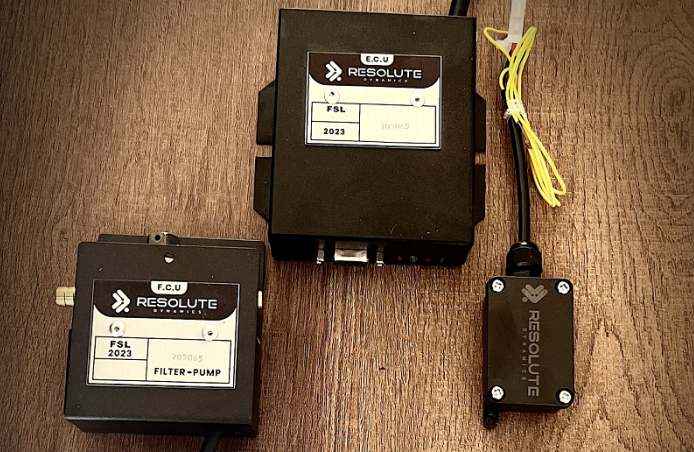
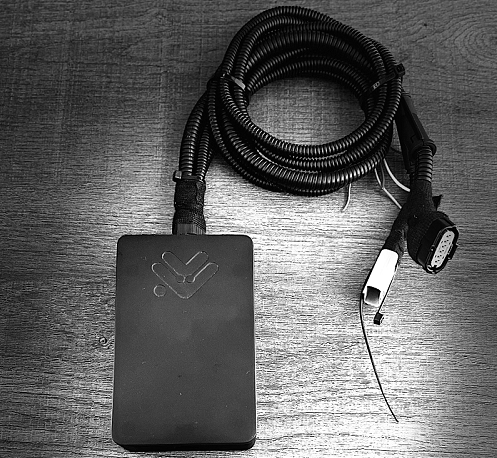
Qatar’s speed limiter regulations are set primarily by the Ministry of Interior (MOI) and apply to heavy goods vehicles, buses, and specific categories of commercial transport. The 2025 update tightened device certification and enforcement — but the underlying regulatory principles stayed consistent with earlier Qatari traffic directives.
For fleet operators researching speed limiters in Qatar at a product level, that page covers it; this article explains what the 2025 regulations actually require, which vehicles fall in scope, and how Istimara inspection plays in.
What Are Speed Limiters and Why Are They Mandated in Qatar?
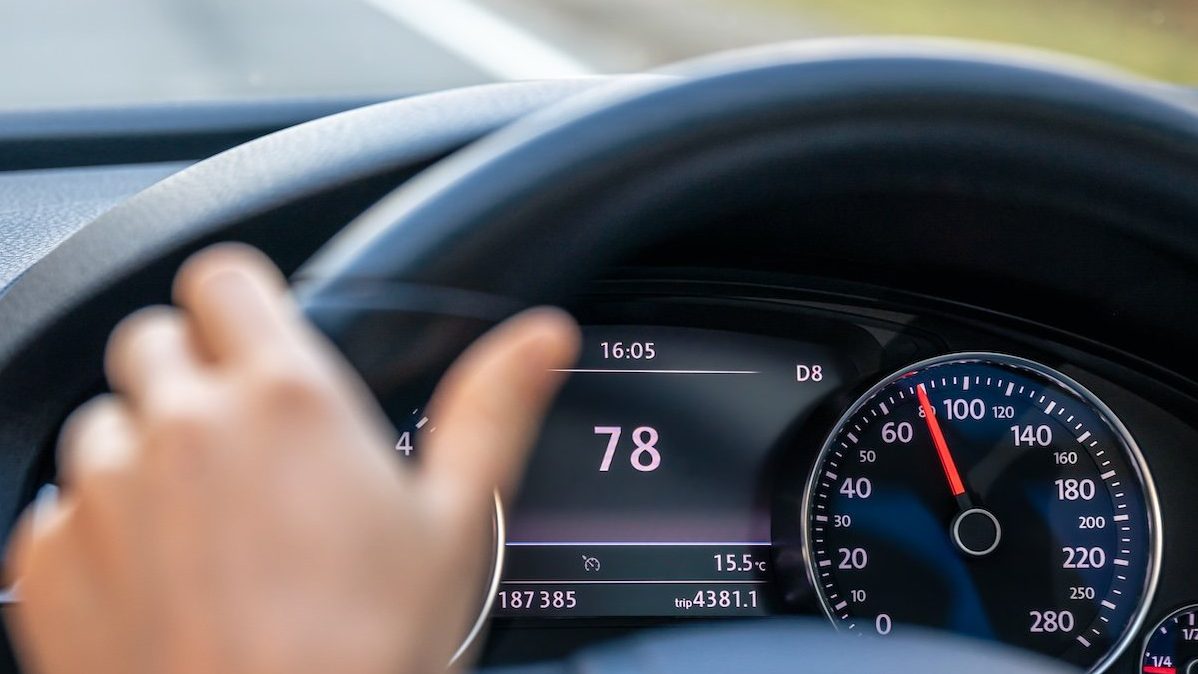
A speed limiter, also known as a speed governor, is a device that controls how fast a vehicle can go. It’s built to automatically stop the vehicle from exceeding a set speed, no matter how hard the driver presses the pedal.
These devices are becoming more common in countries that care about road safety. In Qatar, speed-related accidents are a major concern — especially with heavy vehicles like buses, trucks, and construction transport. By making speed limiters mandatory, Qatar aims to lower crash rates, protect passengers, and meet global safety standards as part of the Qatar National Vision 2030.
Overview of 2025 Speed Limiter Regulations in Qatar
Qatar has entered a new era of road safety, and the 2025 speed limiter regulations are a key part of the country’s national transportation reform. These laws aren’t just updates — they represent a shift in how vehicle speed, safety, and responsibility are managed on Qatari roads.
The new framework supports Qatar’s long-term vision to reduce traffic accidents, enforce consistent vehicle behavior, and align with international safety standards. As part of this shift, the use of the speed limiter device in Qatar is becoming mandatory across various vehicle categories to ensure compliance and enhance road discipline.
Let’s break down the core elements of the law:
Mandatory Installation Across Vehicle Categories
Under the 2025 framework, it is legally required for all heavy-duty and commercial vehicles to be equipped with approved speed limiter devices. This includes:
-
School buses
-
Public transport vehicles
-
Heavy trucks and construction vehicles
-
Commercial fleet vans
-
Municipal and government vehicles
-
Oil & gas sector transport fleets
The law covers both new vehicles at registration and existing vehicles during annual inspection renewals. Authorities have made it clear — if a vehicle falls into one of these categories and doesn’t have a functioning limiter, it will be flagged during inspection.
Speed Thresholds Based on Vehicle Type
Each vehicle class has a preset speed limit, determined by its use, weight, and safety risk:
-
School buses: Typically capped at 80 km/h
-
Heavy trucks: May be limited to 100 km/h or less, depending on load
-
City buses: Often restricted to 90 km/h
-
Construction fleets: May need special configurations for work zones and off-road areas
These speed caps aim to reduce high-speed crashes — especially those involving large vehicles that take longer to brake and cause greater damage during collisions.
Only Certified Devices Will Be Accepted
Not every speed limiter on the market will meet Qatar’s standards. The 2025 law requires:
-
Devices to be MOI-certified or approved by the Transport Ministry
-
Installation by government-accredited workshops
-
Products with tamper-proof seals and digital calibration
-
Proper labeling for verification during vehicle inspections
Using an uncertified or cheap aftermarket device will be treated as non-compliance — leading to fines and potential vehicle impoundment.
Mandatory or Recommended GPS Integration
For most fleet vehicles, especially in logistics and school transport, the law either requires or strongly encourages GPS-enabled speed limiters. This means:
-
The speed limiter must work in tandem with a GPS tracking device
-
Law enforcement can access real-time or stored data logs
-
Employers can monitor driver behavior, including speeding or route deviations
This integration supports remote audits and makes it easier to prove compliance in case of an accident or traffic stop.
Why These Changes Matter
Qatar’s roads have become busier with growing trade, tourism, and construction. Accidents involving high-speed buses and trucks have prompted tighter safety laws.
These new speed limiter laws are designed to:
-
Reduce road fatalities
-
Improve fleet discipline and driver accountability
-
Prepare the country for smart transport systems
-
Align with Qatar National Vision 2030 and its sustainability goals
In short, the 2025 speed limiter regulations are not just about slowing down — they’re about building a culture of control, compliance, and care on the roads. If you’re part of the transport industry, it’s time to act now and get ahead of the law — before enforcement begins.
Who Must Comply?
If you’re involved with any of the following, you need to take action:
-
Fleet operators: Logistics companies, delivery services, and commercial transport providers.
-
School transport services: School bus operators must have compliant speed limiter systems in place.
-
Construction and heavy equipment fleets: Vehicles used in roadwork or building projects.
-
Ride-hailing platforms and taxis: Many private hire cars will also fall under this law.
-
Government and municipal vehicles: Including police, public buses, and maintenance fleets.
Even private vehicle owners may be encouraged to install speed limiters voluntarily, especially for teen drivers.
Penalties for Non-Compliance
Failing to follow the law can lead to serious trouble. Qatar’s authorities are not treating this lightly.
Here’s what can happen if you don’t comply:
-
Heavy fines starting from significant financial penalties or more.
-
Black points on driving records, which can lead to license suspension.
-
Vehicle impoundment until compliance is verified.
-
Insurance problems: Vehicles without limiters may face higher premiums or claim denials.
Repeat offenders could even face license cancellation or business shutdowns, especially for fleet companies.
Installation & Certification Process
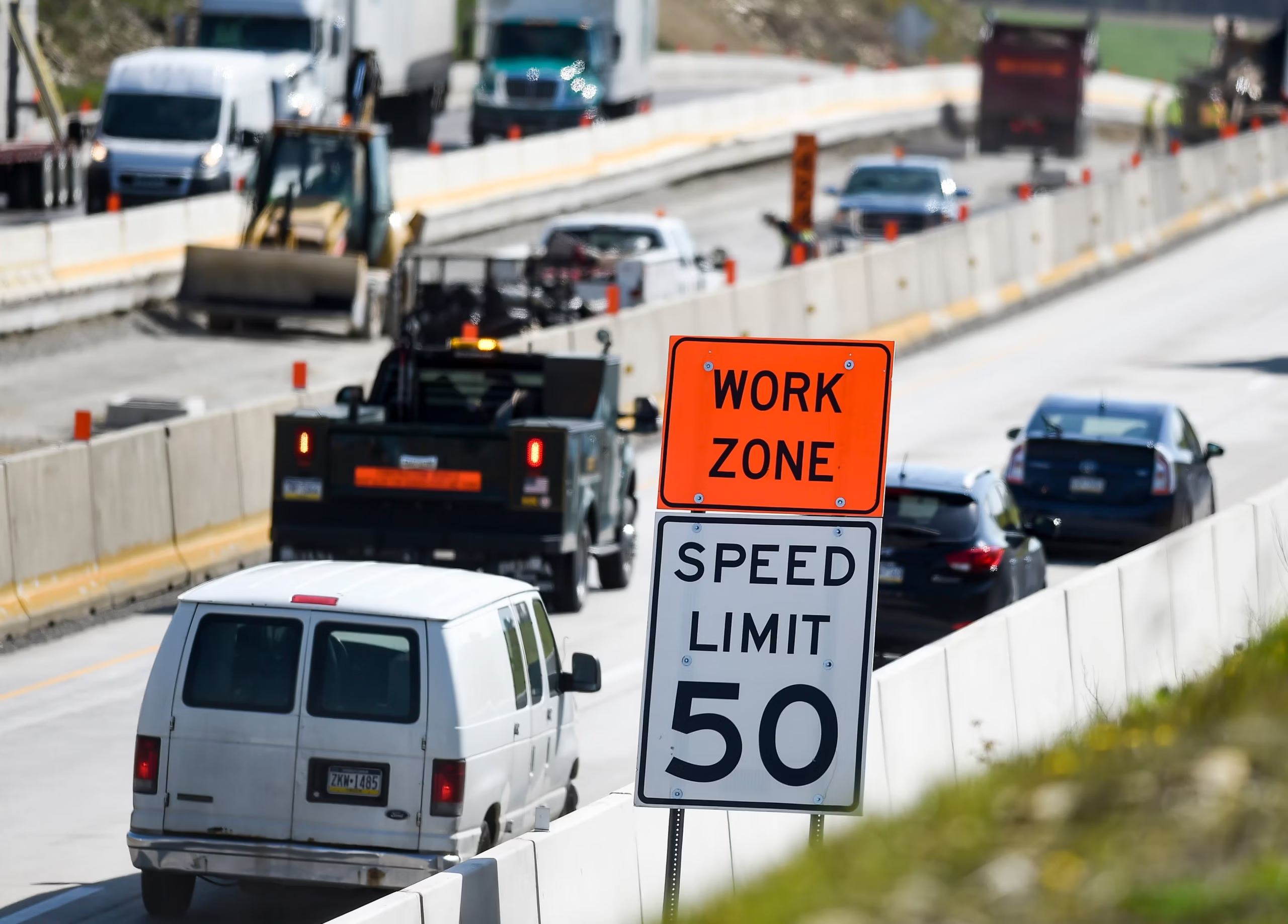
Getting compliant with Qatar’s 2025 speed limiter laws involves more than just buying the right device. It’s a regulated process that includes authorized installation, official inspection, and government certification. Missing even one step could mean failing compliance checks, facing fines, or having your vehicle pulled off the road.
Let’s walk through the full process, step by step.
1. Visit a Certified Installer or Workshop
The first and most important step is to choose an approved installation center. Not every garage or auto electrician is allowed to install speed limiters under the 2025 law.
Qatar’s Ministry of Transport (MoT), along with the Ministry of Interior (MoI), will authorize specific workshops across the country. These certified centers:
-
Use government-approved speed limiter models
-
Follow installation protocols for different vehicle categories
-
Provide digital calibration and tamper-proofing
-
Register your installation with the MoT database (important for inspections)
Trying to install a limiter yourself or using a non-approved provider can result in instant disqualification during your compliance check. Even if the limiter technically “works,” it won’t be accepted unless the process is documented by a licensed technician.
Tip: Ask your provider for proof of workshop certification before booking the installation.
2. Device Configuration Based on Vehicle Type
After the physical installation, the limiter must be programmed based on your vehicle’s class, intended use, and legal speed threshold.
Each type of vehicle has different speed limits under the 2025 rules:
-
School buses: 80 km/h
-
Heavy trucks: 100 km/h or lower depending on load
-
City buses: Around 90 km/h
-
Construction vehicles: Special limits based on zone and off-road use
The configuration isn’t just about setting a number. Installers will also:
-
Set acceleration curves to prevent sudden surges
-
Sync the limiter with GPS units (if required)
-
Enable alert logs for over-speeding or tampering
-
Lock calibration settings with a digital seal
This calibration is critical for both legal compliance and safe performance. Any error in this stage may cause rejection during government inspection.
3. Government Inspection and Compliance Testing
Once your device is installed and configured, your vehicle must pass an official inspection.
This process is typically handled by a government-approved Vehicle Inspection Center, such as:
-
Fahes Inspection Stations
-
Ras Laffan Commercial Vehicle Testing Centre
-
Other MoI-registered testing facilities
During the inspection, officers will check:
-
Is the device functioning at the correct threshold?
-
Does the limiter activate reliably under real driving conditions?
-
Is it tamper-proof and sealed properly?
-
Has the installer submitted a valid registration entry?
They may also conduct a live test drive or dyno test to observe limiter behavior under speed stress.
If your vehicle fails any part of the test, you’ll need to return to the installer for reconfiguration and then repeat the inspection, possibly with added costs.
4. Receive Your Official Compliance Certificate
If your vehicle passes the test, you’ll be issued an official Speed Limiter Compliance Certificate.
This certificate is proof that:
-
Your vehicle is equipped with an MoT-approved limiter
-
The device is installed and configured correctly
-
Your vehicle meets all 2025 speed limiter laws
This document will be required for:
-
Annual vehicle registration renewal
-
Roadside checks
-
Fleet audits
-
Tender applications (especially for school transport or government contracts)
Some systems may also be logged digitally in your vehicle’s Metrash2 profile or the MoT’s inspection database.
Important: Certificates have a validity period, usually aligned with your inspection schedule (annually or bi-annually). Always keep a physical and digital copy in your vehicle.
5. Ongoing Maintenance, Updates & Recalibration
Speed limiters are electronic systems — like any tech, they require maintenance.
Over time, your device may need:
-
Firmware updates to meet changing regulations
-
Sensor recalibration due to wear and tear
-
Re-sealing if tamper alerts are triggered
-
Diagnostics for error codes or malfunctioning units
Qatar’s law mandates that faulty or disabled limiters are treated the same as non-installed devices. That means full penalties apply if your limiter stops working and you don’t fix it.
When choosing a product or service provider, look for those who offer:
-
Post-installation support
-
Maintenance contracts
-
On-site recalibration for fleets
-
Upgrade paths if future laws change
Frequently Asked Questions (FAQs)
Q1: What is the fine for not installing a speed limiter in Qatar?
Fines start around significant financial penalties, but can go higher for fleets or repeat offenses.
Q2: Can I install a speed limiter by myself?
No. You must use a certified technician or workshop to install and register the device.
Q3: Are speed governors and limiters the same?
They are similar. A governor controls engine speed, while a limiter restricts top vehicle speed. Many modern devices combine both.
Q4: How long does certification take?
Usually 1–3 days, depending on availability of inspectors and workshop load.
Q5: Are dual-speed limiters required for hills and cities?
Yes. In many cases, terrain-based speed control is required for compliance, especially for intercity and construction vehicles.
Conclusion: Stay Ahead, Stay Compliant
The 2025 framework is now in scope, and ongoing compliance has become the focus. Don’t wait until the last minute when prices surge or certified workshops are fully booked.
Speed limiter compliance is about more than avoiding fines — it’s about protecting your drivers, your business, and the people who share the road with you.
Whether you’re running a school bus fleet or managing a logistics company, make sure you partner with a provider that understands Qatar’s laws and your industry needs.
Ready to comply? Connect with a certified Resolute Dynamics installer in Qatar today.
For Qatar-specific fleet services and device supply, see our Qatar speed limiter solutions.

The Resolute Dynamics team designs and manufactures speed limiters (SLD), GPS tracking, and automotive safety systems used on 200,000+ vehicles across 20+ countries. We write about fleet compliance, road-safety regulation, and vehicle-safety technology, including Malaysia’s JPJ SLD mandate, UAE RTA rules, and global standards like UN R89, to help fleet operators and transport businesses stay safe and compliant.