Every second counts when it comes to road safety. In a world where speed often gets mistaken for efficiency, speed limiters are quietly saving lives—and many don’t even notice.
I’ve spent years looking at the numbers, listening to stories from fleet operators, and reading through traffic safety reports. One thing is clear: vehicles with speed limiters are simply safer. Let’s dive deep into what the data says.
What Are Speed Limiters and Why Do They Matter?
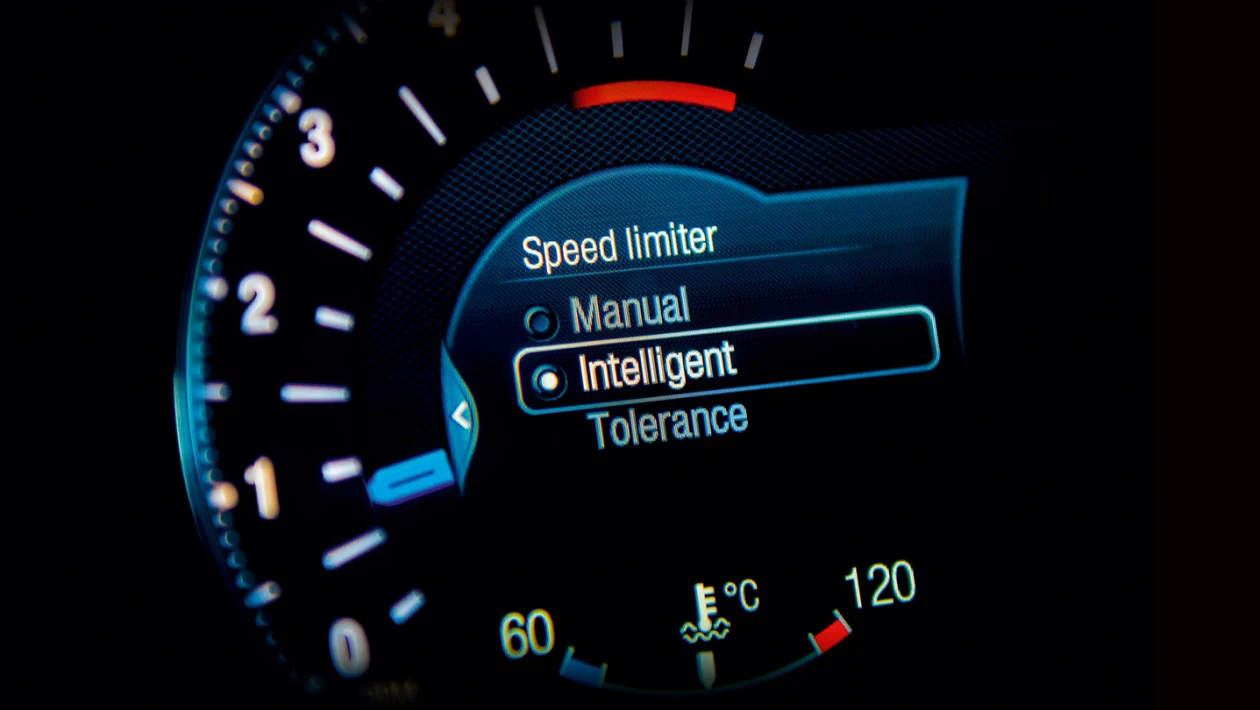
A speed limiter, also called a speed governor, is a device that controls the top speed a vehicle can reach. It’s not about slowing you down—it’s about keeping you from going too fast. Whether you’re driving a school bus or a delivery truck, this small device could mean the difference between a safe trip and a tragic accident.
There are different types:
-
Single-speed limiters that cap one fixed speed.
-
Dual or multi-speed limiters that adjust based on terrain or zone.
-
Adaptive limiters that work with GPS and environmental data.
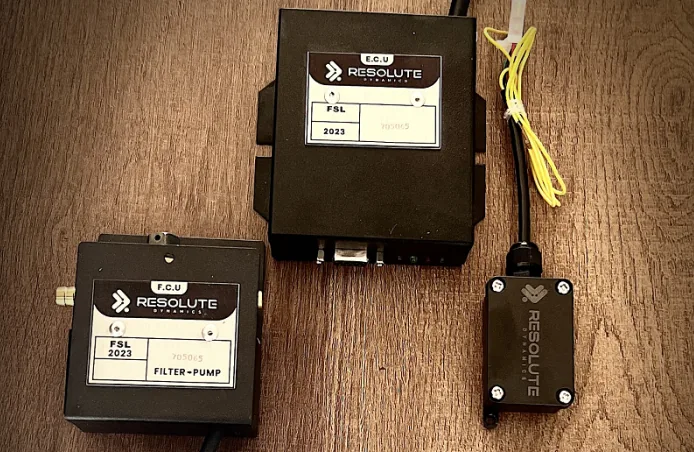
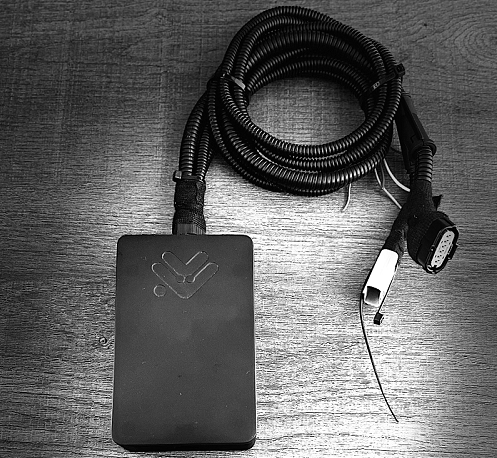
Resolute Dynamics, for example, builds advanced speed limiters that are used across school buses, commercial fleets, and even in rough terrain vehicles. Their goal? Prevent accidents before they happen.
Why Compare Accident Data?
Numbers tell the truth. People often ask:
-
“Do speed limiters actually reduce crashes?”
-
“Isn’t it just another cost?”
-
“What’s the real-world impact?”
So instead of opinions, let’s look at comparative data—vehicles with speed limiters versus those without. This kind of analysis helps fleet managers, school administrators, and policymakers make informed decisions.
Global & National Insights: The Crash Numbers Don’t Lie
Speed is the most common thread in fatal road accidents—and the most controllable one. When we compare accident rates in vehicles with speed limiters versus those without, the results are consistent across regions, vehicle types, and driving environments. The data paints a clear picture: speed limiting saves lives.
Commercial Vehicles: Less Speed, More Control
In the commercial transportation sector, especially with heavy-duty trucks and logistics fleets, the risks associated with high speeds are amplified. These vehicles have longer stopping distances, larger blind spots, and higher momentum, making them especially dangerous at highway speeds.
European Union (EU) Data:
The European Transport Safety Council (ETSC) conducted a cross-border analysis of commercial fleet incidents involving speed limiters. The findings were telling:
-
26% fewer fatal crashes in trucks fitted with functioning speed limiters
-
18% fewer serious injury crashes, particularly in urban and intercity routes
-
Noticeable reduction in vehicle rollover incidents, especially on wet or curved roads
Moreover, since the EU mandated speed limiters for heavy goods vehicles over 3.5 tonnes and buses in 2002, the average fatality rate per billion vehicle-kilometers has dropped steadily.
🇮🇳 India: A Developing Nation’s Experiment
India has witnessed rapid motorization alongside significant road safety challenges. In response, the Ministry of Road Transport and Highways (MoRTH) mandated speed governors for commercial vehicles like buses and taxis across several states starting in 2015.
According to transport department data, states such as Karnataka and Tamil Nadu reported a 15–20% drop in highway fatalities within just two years of implementing the regulation. On high-speed routes like the Mumbai-Pune Expressway, rear-end collisions decreased notably after trucks were equipped with speed limiters.
An analysis by the International Road Assessment Programme (iRAP) highlighted that capping commercial vehicle speeds at 80 km/h significantly reduced the severity of multi-vehicle crashes, particularly in foggy or low-visibility conditions.
To learn more about speed limiter solutions and implementation in the region, visit our dedicated page for Speed Limiters in India.
Africa & Middle East:
In Kenya, the introduction of mandatory speed limiters for public service vehicles (PSVs) had a significant impact. According to the National Transport and Safety Authority (NTSA), there was a a substantial reduction in PSV-related fatalities (per Kenya NTSA reports) within just one year of enforcement (2017).
While the policy initially faced resistance from drivers, the results quickly validated the initiative’s life-saving potential. Learn more about the rollout and benefits on our dedicated page for Speed Limiters in Kenya.
In Uganda, the effects were equally promising. Speed-related crashes declined by 33% on critical highways like the Kampala–Masaka Road, one of the country’s most accident-prone routes. The enforcement of speed limiting devices played a key role in reducing reckless driving and improving road safety standards. Explore our work and solutions on the Uganda Speed Limiter Solutions page.
School Buses: Protecting Our Most Vulnerable
Children are the most vulnerable road users. That’s why school buses have become a key focus for speed limiter implementation worldwide.
🇦🇪 United Arab Emirates:
The UAE has some of the strictest school bus safety regulations in the world. After multiple tragic incidents, the government required all school transport vehicles to:
-
Install speed limiters capped at 80 km/h
-
Equip GPS tracking systems for route and speed monitoring
As a result:
-
Dubai’s Roads & Transport Authority (RTA) reported zero fatal school bus crashes in a 4-year span after the regulations
-
Schools saw a sharp decline in complaints about driver behavior and route violations
Sub-Saharan Africa:
In Ghana and South Africa, NGOs partnered with local authorities to deploy speed governors in rural school buses, especially those serving hilly terrain. Feedback included:
-
Fewer overspeeding events during pickup and drop-off
-
Improved driver compliance with posted speed zones
-
A rise in on-time arrivals, since buses weren’t delayed by accidents or detours
Parental trust also improved. Surveys conducted by Safe Kids Worldwide and UNICEF found that over 70% of parents felt safer sending their children on buses with speed limiters and GPS-enabled tracking systems.
It’s Not Just About Avoiding Crashes — It’s About Saving Lives In Crashes
One of the most overlooked benefits of speed limiters is how they reduce the severity of crashes when they do occur.
According to the World Health Organization (WHO):
“Each 1% increase in mean speed produces a 4% increase in the fatal crash risk and a 3% increase in serious crash risk.”
So when a vehicle with a speed limiter crashes:
-
The impact force is lower
-
Seatbelts and airbags are more effective
-
Rollovers and cabin intrusions are less likely
In simpler terms: more people survive.
The Bigger Picture: From Individual Vehicles to Safer Cities
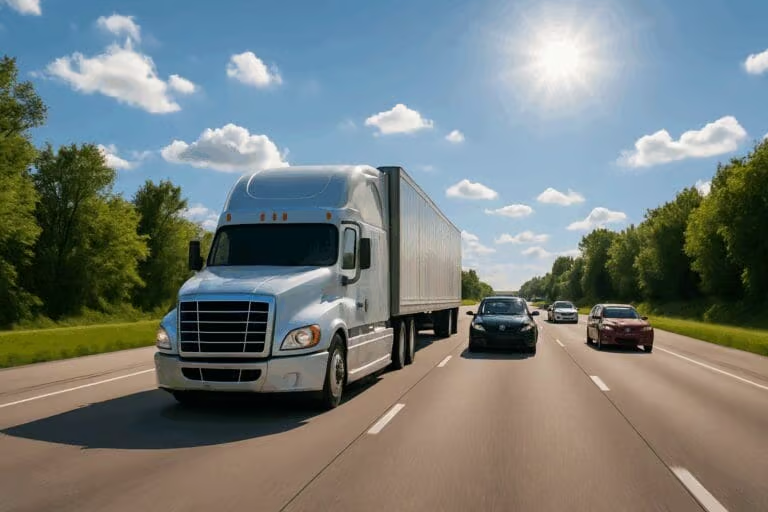
The ripple effect of speed limiter adoption extends beyond the vehicle itself. City planners and transportation safety experts report:
-
Less traffic noise in residential zones
-
Lower pollution levels due to smoother driving patterns
-
Improved compliance with local speed regulations
By limiting speed mechanically—not just with signs—we create environments where everyone from pedestrians to cyclists to motorists feels safer.
Fleet Vehicle Safety: A Business Case
Fleet operators deal with rising insurance premiums, repair costs, and driver turnover. Speed limiters directly impact all of these by:
-
Cutting down high-speed incidents
-
Improving fuel efficiency
-
Reducing wear and tear on engines and brakes
Plus, companies like Resolute Dynamics offer GPS-integrated speed limiters that log driver behavior, alert on speeding, and provide route analytics. That’s data-driven safety, not guesswork.
Combining Speed Limiters With GPS: Smarter Roads
Speed limiters on their own are powerful tools for reducing road accidents. But when combined with GPS tracking technology, they become part of a larger, smarter safety system. This is no longer just about controlling speed—it’s about intelligent vehicle management, real-time decision-making, and data-driven safety strategies.
Let’s break down how this synergy works, and why it’s becoming a game-changer in the world of road safety.
Location-Based Speed Control: Context-Aware Driving
One of the key advantages of integrating speed limiters with GPS is the ability to automatically adjust speed limits based on location. This is called geo-fencing—setting virtual boundaries on a map that trigger specific actions when a vehicle enters or exits them.
Examples of GPS-triggered speed control zones:
-
School zones: Automatically reduce speed to 30–40 km/h during pickup and drop-off hours.
-
Construction zones: Apply stricter speed caps in active work areas.
-
Mountain or hilly roads: Activate lower speed limits in high-risk terrain.
-
Urban vs. rural settings: Adapt speed profiles based on road density and pedestrian activity.
This ensures that drivers don’t have to rely solely on road signs or memory—they’re backed by a digital co-pilot that ensures compliance wherever they drive.
Real-Time Alerts: Instant Response to Dangerous Driving
When a driver attempts to overspeed, brake aggressively, or take sharp turns in restricted zones, GPS-linked systems can send instant alerts to both the driver and the fleet manager.
These alerts can include:
-
Speed violation warnings
-
Route deviation notifications
-
Harsh braking or cornering alerts
-
Tampering or override attempts
By addressing issues as they happen, fleet operators can intervene before a situation escalates into a crash or violation. This proactive approach transforms traditional fleet management into real-time driver coaching.
Behavioral Analytics: Long-Term Safety Insights
GPS + speed limiter systems don’t just manage today’s trips—they create a rich database of driver behavior over time. This data allows fleet managers to:
-
Identify risky patterns, like consistent speeding or route skipping
-
Track driver performance over weeks or months
-
Compare performance across drivers, vehicles, or even cities
-
Generate reports for insurance or compliance purposes
Imagine being able to tell which of your 50 drivers needs training—not based on one bad day, but based on consistent driving behavior over 3 months. That’s the power of behavioral telematics.
Enhanced Security & Tamper Prevention
One challenge with basic speed limiters is tampering—drivers disabling or bypassing the system to gain speed. With GPS-enabled limiters, tampering isn’t just difficult, it’s detectable.
Advanced systems log:
-
Any attempt to disconnect the device
-
Sudden drops in signal or data feeds
-
Attempts to reprogram speed caps
Fleet managers can receive alerts in real time and take disciplinary action or service checks immediately. This builds a culture of accountability within the fleet.
Integration with Broader Fleet Systems
Today’s fleet operators often use platforms that handle:
-
Dispatch and delivery tracking
-
Fuel consumption
-
Maintenance scheduling
-
Driver rostering and HR
GPS-linked speed limiters can integrate seamlessly into these ecosystems. You get:
-
One dashboard for everything
-
Cross-linked alerts (e.g., high-speed + engine overheating)
-
Route optimization based on safe speed profiles
This level of system synergy moves companies closer to the ideal of smart mobility and predictive fleet management.
From Reaction to Prediction: The Future of Safer Roads
Traditional traffic enforcement is reactive. You break a rule, someone notices, and you’re penalized. But GPS and telematics shift this to a predictive, preventive model:
-
Know which drivers are most likely to speed before they do
-
Adjust routes to avoid high-risk zones or rush hour congestion
-
Use AI to recommend ideal speed profiles based on past accident zones
This isn’t just safety—it’s strategic safety, built on hard data and real-time feedback.
Pushback & Misconceptions
Even with all the evidence in favor of speed limiters, not everyone is immediately onboard. Some fleet owners, drivers, and logistics managers have understandable doubts. That’s natural—change always brings resistance. But many of these concerns come from outdated information or a lack of exposure to modern systems.
Let’s take a closer look at the most common objections and uncover the truth behind them.
“It Slows Us Down and Affects Delivery Schedules.”
This is the number one concern, especially for logistics companies. On the surface, it sounds reasonable: if you cap speed, won’t deliveries take longer?
But here’s what real-world data shows:
-
Speed limiters help drivers maintain consistent, safe speeds, which reduces time lost to speeding tickets, breakdowns, or accidents.
-
Many delays in logistics aren’t due to driving speed but poor route planning, idle time, loading issues, and traffic congestion.
-
According to telematics data from multiple fleet operators, average delivery time remains virtually unchanged when vehicles are limited to safe speeds.
In fact, consistent driving reduces driver stress, allows better fuel management, and leads to fewer unscheduled stops for breakdowns or rest. It’s not about being fast—it’s about being efficient and predictable.
“Drivers Will Hate It.”
Drivers are used to a certain level of freedom behind the wheel. Introducing speed limiters can feel like micromanagement—until they experience the benefits themselves.
Here’s what many fleet operators have reported:
-
Drivers with speed limiters tend to feel less physical fatigue, especially on long-haul trips. This is because the limiter removes the constant pressure to push harder and faster.
-
Driving at moderate speeds leads to fewer sudden braking events, smoother steering, and lower stress levels—especially in urban environments.
-
In companies that involve drivers in the safety discussion and offer feedback from telematics, driver buy-in is much higher.
Tip: Pair the rollout of speed limiters with driver training sessions, bonuses for safe driving, and transparent communication. When drivers see the company values their safety, resistance fades.
“Can’t Someone Tamper with It?”
Tampering used to be a real problem—drivers would find creative ways to disable mechanical governors. But today’s electronic speed limiters—especially those made by companies like Resolute Dynamics—are designed with anti-tamper safeguards.
Here’s how:
-
Encrypted firmware prevents unauthorized reprogramming.
-
GPS tracking integration detects sudden speed spikes or disconnections.
-
Real-time alerts notify fleet managers the moment someone tries to bypass the system.
-
Audit logs record tampering attempts, which can be used for disciplinary action or insurance disputes.
And in most countries, tampering with a speed limiter on a commercial vehicle is not just a violation—it can lead to license suspensions, fines, and even criminal charges.
“It Costs Too Much to Install Across the Fleet.”
Another common concern is cost. Speed limiter systems, especially GPS-enabled models, do require an upfront investment. But this is where it’s important to look beyond the initial price tag.
What companies often save:
-
Lower fuel costs due to smoother, slower driving
-
Reduced vehicle maintenance (less engine strain, fewer brake replacements)
-
Decreased accident-related expenses: insurance claims, legal fees, lost work hours
-
Lower insurance premiums, since many insurers offer discounts for telematics-based safety systems
The ROI (Return on Investment) becomes visible within months, not years. For fleet operators managing 10 or more vehicles, the savings multiply fast.
“It Will Hurt Our Reputation with Clients.”
Some fleet companies worry clients might think their service has become “slower” or “less responsive” because of speed limits. But in fact, the opposite often happens.
When clients know your vehicles are:
-
Safer
-
Tracked in real-time
-
Operated under strict compliance
-
Protected against accidents and delays
…they’re more likely to trust your brand. Safety is professionalism. Fleet transparency, especially when backed by GPS reports and driver analytics, builds reputation capital.
Real Stories, Real Impact
One transport company in Kenya reduced its yearly accident rate by over 40% after adopting Resolute Dynamics’ dual speed limiter system. A school district in the UAE went two full academic years without a single speeding violation after speed limiters were installed.
These aren’t just statistics. They’re families not getting the bad call, students arriving home safe, and drivers going home at night without a scratch.
Are Speed Limiters Worth It?
If the goal is safer roads, fewer deaths, and smarter fleets—the answer is yes. The accident data proves it. From small school vans to cross-border freight carriers, speed limiters are the silent guardians we didn’t know we needed.
FAQs: Quick Answers You’re Probably Looking For
Do speed limiters prevent all accidents?
No. But they reduce the chances of high-speed crashes and limit the damage when accidents happen.
Are they legally required?
In many countries, yes—especially for public and commercial vehicles.
Can drivers disable them?
Modern systems include anti-tampering features, logs, and alerts. Tampering is risky and often illegal.
Are they expensive?
Compared to accident-related costs and insurance hikes, they’re a wise investment.
Final Thoughts: Drive Smarter, Not Faster
Speed doesn’t equal safety. With tools like speed limiters—especially when combined with GPS tech—we can build roads that protect everyone: drivers, passengers, and pedestrians.
Fleet managers, school officials, safety engineers—it’s time to make the switch. Not because it’s trendy. But because it works.
📩 Need a consultation? Contact Resolute Dynamics
For the WHO Nilsson power-model context on speed and fatality risk, this article uses figures cited by the World Health Organization Global Status Report on Road Safety.

The Resolute Dynamics team designs and manufactures speed limiters (SLD), GPS tracking, and automotive safety systems used on 200,000+ vehicles across 20+ countries. We write about fleet compliance, road-safety regulation, and vehicle-safety technology, including Malaysia’s JPJ SLD mandate, UAE RTA rules, and global standards like UN R89, to help fleet operators and transport businesses stay safe and compliant.