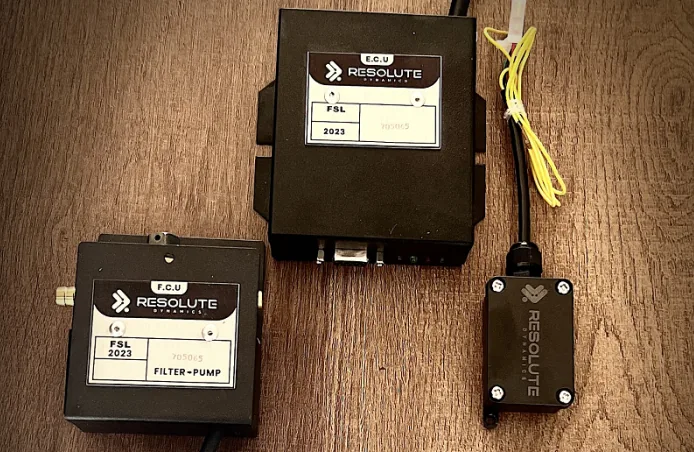
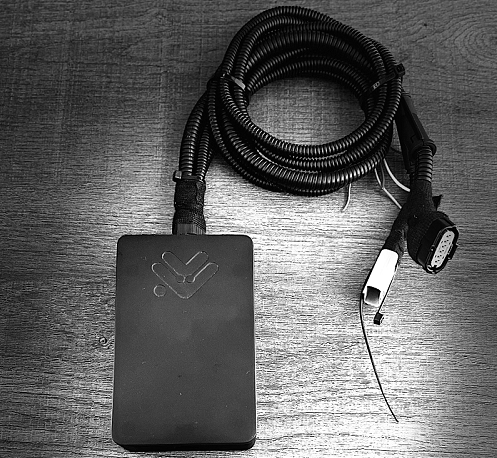
Washington State’s BEAM Act (House Bill 1596), signed into law in May 2025, requires drivers whose licenses have been suspended for reckless or excessive speeding to install a GPS-based Intelligent Speed Assistance (ISA) device before returning to the road. The framework rolls out with programme phases through 2029 (implementation timeline set by the Washington State Legislature), with specific probationary-duration rules for different offense categories.
For context on speed limiters in the USA more broadly, including federal and other state-level programs, see that page. This article focuses specifically on how Washington’s BEAM Act works — what it covers, how it differs from traditional commercial speed limiters, and the enforcement mechanics.
What is the BEAM Act?
The BEAM Act is one of the first laws in the United States to require intelligent speed assistance (ISA) in all new vehicles. Instead of focusing on penalizing drivers after they speed, this law prevents speeding before it even happens.
Here’s what the law does:
-
By 2029, drivers whose licenses are suspended due to reckless driving, excessive speeding (20+ mph over the limit), or racing convictions must use, as a condition of restricted driving, GPS speed limiters.
-
These devices use real-time GPS data to detect local speed limits.
-
The vehicle’s onboard system limits engine power so the driver physically can’t exceed the limit.
-
There are no more speeding fines, speed cameras, or police chases—just proactive safety built into the car.
The goal isn’t punishment. It’s prevention.
How GPS Speed Limiters Work
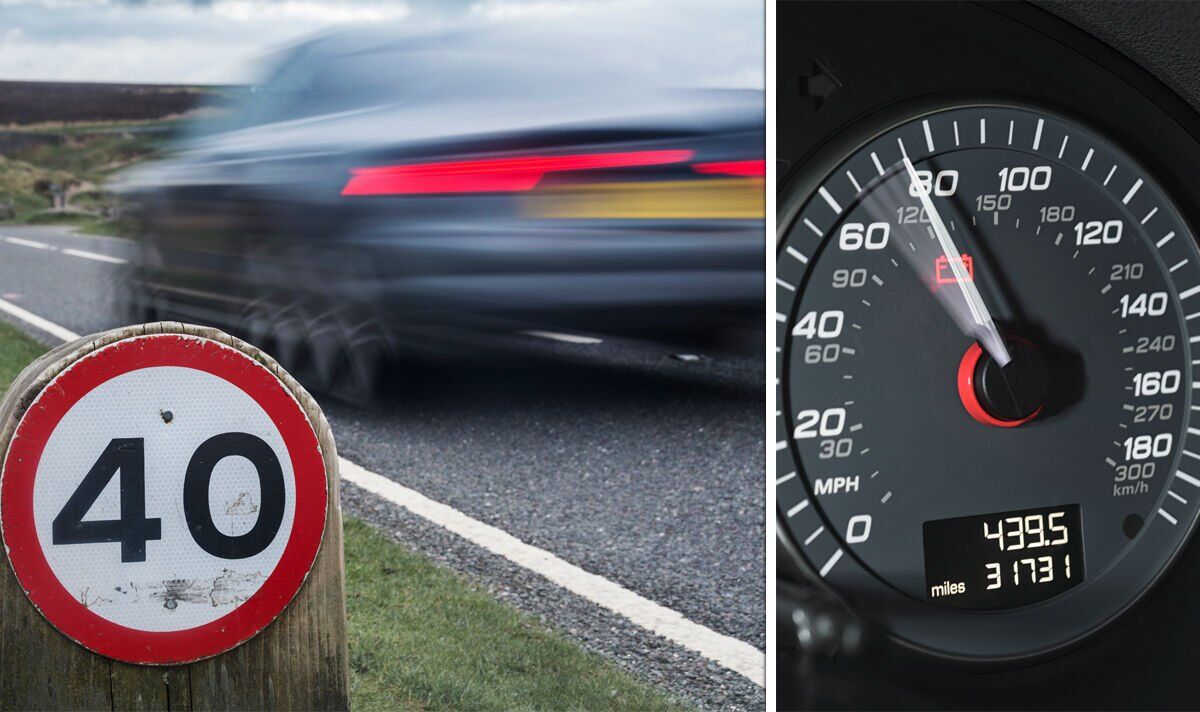
Think of a GPS speed limiter as cruise control on autopilot, but with one key difference—you’re not in full control of the top speed.
This technology works by connecting three core systems inside the vehicle:
-
GPS Location Tracking
-
Digital Speed Limit Database (Map)
-
Vehicle Control System (Throttle & Engine Management)
Here’s how it all works together:
As you drive, the car’s GPS module constantly updates your location in real time—just like a navigation app. But instead of just showing directions, this GPS connects to a preloaded digital map that contains posted speed limits for each road segment. These maps are usually updated through the cloud or via over-the-air (OTA) software updates.
Once the system identifies the maximum legal speed for your current location, it sends that data to the vehicle’s electronic control unit (ECU). The ECU then compares the posted speed limit with your actual driving speed. If you try to go faster than allowed, the system steps in—either by limiting the throttle input, cutting engine power, or in some cases, modulating the fuel injection. You’ll still be able to press the accelerator, but the car won’t respond with more speed.
This is known as electronic throttle control (ETC) or drive-by-wire—a system where software, not just your foot, decides how fast the car goes.
Smarter Than You’d Expect
Advanced GPS speed limiters also consider dynamic road factors, like:
-
Road Type: Urban roads may cap you at 30 mph, while highways allow 65+.
-
School Zones: The system adjusts during school hours using time-based logic.
-
Construction Zones: Temporary zones are flagged in updated maps or via sensors.
-
Weather Conditions (in high-end systems): Some systems link with weather APIs to limit speed in fog, rain, or snow.
These layers of logic make the system behave more like intelligent speed assistance (ISA)—already mandatory in new cars in parts of the European Union.
Why Washington Chose GPS Speed Limiters
It wasn’t just the numbers—it was the stories behind them.
Washington’s leadership recognized that human behavior is hard to change, especially behind the wheel. Speeding often happens because people are distracted, running late, or unaware of the limit. Traditional methods like tickets or cameras only come after the fact—and sometimes, it’s already too late.
With GPS speed limiters, the car itself becomes the enforcer, not the police or the courts.
Plus, this approach:
-
Reduces pressure on law enforcement
-
Eliminates racial or socioeconomic bias in traffic stops
-
Improves equity, since enforcement is built-in for everyone
Industry Reaction: Supporters vs Critics
Whenever a big shift in technology or law comes along, you’re bound to get mixed reactions—and the BEAM Act is no different. While many experts and advocates are excited about what this law could mean for road safety, others are waving red flags about freedom, privacy, and technical risks.
Let’s break down both sides.
Supporters: A Life-Saving Innovation
Safety advocates, government agencies, and some automakers are calling the BEAM Act a game-changer. To them, GPS-based speed limiters aren’t just helpful—they’re necessary.
Supporters argue that:
-
Technology is more reliable than human judgment. People get distracted, angry, or overconfident. But a GPS speed limiter doesn’t get emotional or tired.
-
Road fatalities are preventable. When over 11,000 people in the U.S. die in speed-related crashes every year, limiting top speed through automation could save thousands of lives.
-
Insurance companies support it. Vehicles with built-in safety systems are seen as lower-risk. GPS speed limiters could reduce premiums over time by lowering accident rates.
-
It paves the way for intelligent transportation systems. This technology lines up with other safety features like automatic emergency braking, adaptive cruise control, and lane-keeping assist. Together, they push us toward safer, more connected, and eventually autonomous vehicles.
In short, advocates see this law as a bold but logical step in using vehicle telematics and automation to fix a very human problem—speeding.
Critics: A Threat to Freedom and Privacy
On the other hand, not everyone is comfortable with the idea of cars that won’t let you speed.
Critics raise several important points:
-
Loss of driver control. Some ask: What happens if I need to speed in an emergency? For example, trying to escape danger or rush someone to the hospital. While some systems may allow brief overrides, not everyone trusts the tech to get it right.
-
Privacy concerns. These limiters rely on real-time GPS tracking and digital speed maps. Critics worry that this creates a constant data trail about where you drive, when, and how fast. Will that data be stored? Shared with insurance? Could it be used in court?
-
Fear of government overreach. Some opponents see this as a slippery slope. If the government can control your speed today, could they restrict where you drive tomorrow? It raises alarms about the balance between public safety and personal rights.
-
Technical reliability. GPS isn’t perfect. Signal loss in tunnels, outdated speed maps, or system bugs could cause real issues. Imagine your car wrongly slowing down on a fast highway because it reads the speed limit incorrectly.
These critics aren’t anti-safety—they’re just cautious about automated enforcement, especially when it involves data tracking and reduced human control.
A Divided but Important Conversation
The BEAM Act has sparked a big discussion—and that’s not a bad thing.
On one side, there’s a growing belief that tech can prevent deaths, not just punish mistakes. On the other, there are valid fears about what’s lost when machines make decisions for us.
Some experts suggest a hybrid approach, where limiters guide but don’t fully control. Others call for strict laws to protect driver privacy and set clear limits on how driving data can be used.
No matter where you stand, one thing is clear: This debate is about more than just speeding. It’s about how far we’re willing to go to make roads safer—and how much control we’re willing to give up in the process.
The Technology Behind the Law
The BEAM Act isn’t just about speed—it’s about smart mobility.
Technologies involved include:
-
Real-time GPS tracking
-
Digital speed maps
-
Throttle control modules
-
Electronic control units (ECUs)
- Terrain-based speed limiters (already in development by vehicle safety technology providers)
This law is also a step toward connected vehicles, where cars can communicate with traffic systems and even each other.
Benefits of GPS Speed Limiters
This isn’t just about following the law. The ripple effects could be huge.
✅ Fewer Fatalities: No speeding = fewer crashes = lives saved.
✅ No More Speeding Fines: Goodbye tickets and license points.
✅ Cleaner Traffic Flow: Predictable speeds = smoother traffic.
✅ Lower Insurance Rates: Safer drivers mean lower risk.
✅ Better Fuel Economy: Controlled speeds = less fuel waste.
It also opens the door for autonomous vehicles, which need strict speed compliance to operate safely.
Challenges and Concerns
Let’s be honest: rolling this out won’t be easy.
-
Technology adoption takes time.
-
Some older vehicles can’t be retrofitted.
-
What about rural areas with spotty GPS coverage?
-
There will need to be override functions for emergencies, but these must be secure to prevent misuse.
-
Legal battles could slow things down, especially from groups defending driver autonomy.
What This Means for Automotive Manufacturers
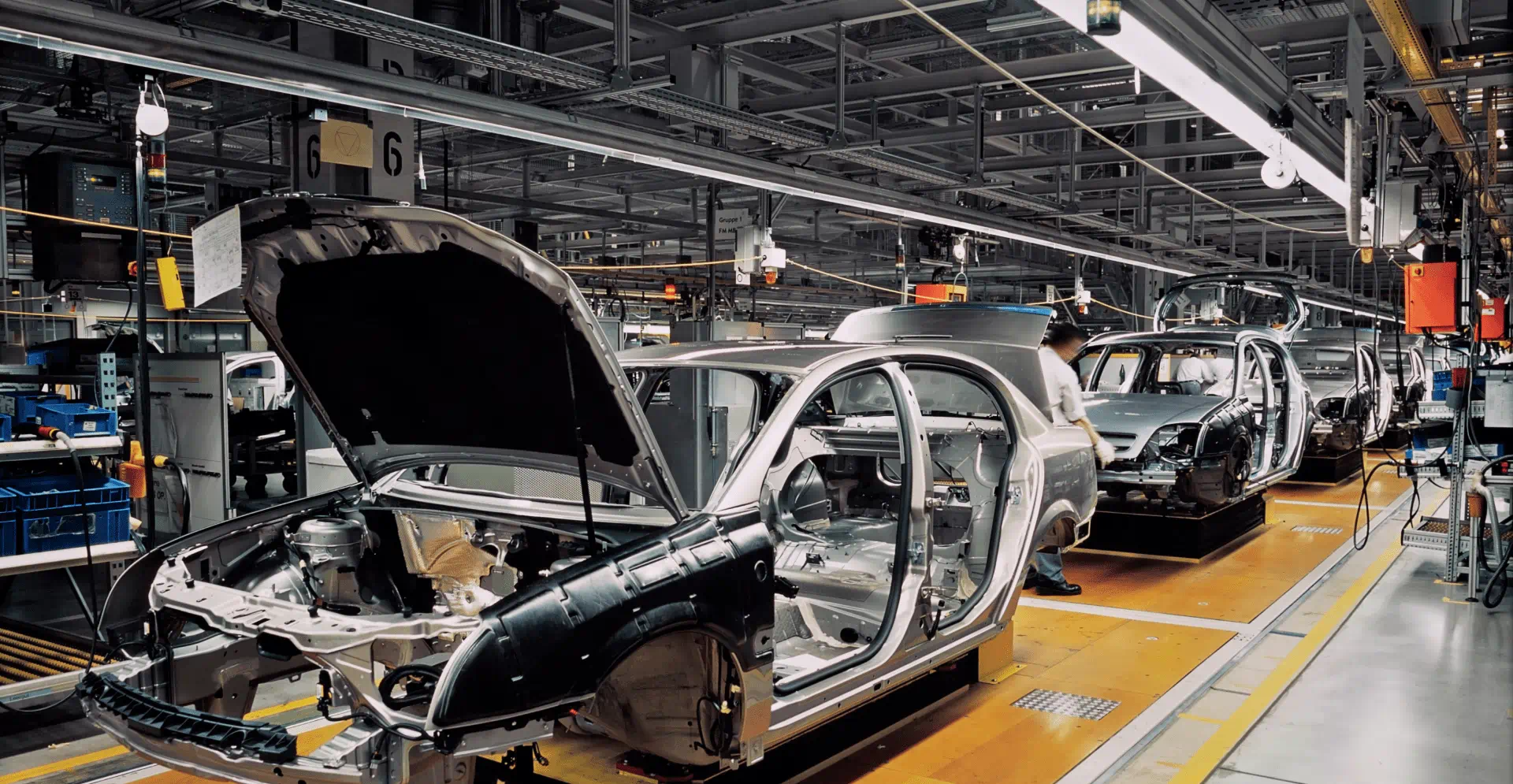
The BEAM Act is a big shift for car makers. It means that by 2029, drivers with suspended licenses due to reckless/excessive speeding or racing convictions must use a GPS-based speed limiter built in. This is not just a safety feature—it’s a legal requirement. Automakers will need to rethink how they design vehicles and include new technology that controls how fast a car can go based on its location.
To do this, manufacturers will have to install a few key components:
-
A GPS tracking system that knows where the car is
-
A digital speed map that shows the legal speed limit on each road
-
A way to control the engine or throttle to stop the car from going over the limit
This isn’t just about plugging in a GPS chip. It means the car’s electronic control unit (ECU) must be able to talk to the GPS, read the speed limit, and act immediately to reduce power if the driver goes too fast. It also needs to alert the driver when the system takes over.
Building Smarter Cars
Adding this technology means automakers need to work with mapping companies like TomTom or HERE to get accurate, up-to-date speed limit data. They also need to test how the system works in real-world conditions like tunnels, rural roads, and construction zones.
Manufacturers may also have to meet government safety standards, such as those set by NHTSA or European ISA rules, especially if these kinds of laws expand to other states or countries.
This creates a big change in how cars are made. What used to be a driver’s responsibility—obeying speed limits—is now becoming a built-in feature of the car.
A New Opportunity
While this change will take effort, it’s also a chance for automakers to lead in the growing market for smart safety technologies. Companies that already build products like dual speed limiters, school bus governors, or fleet GPS trackersare ready to help.
Some automakers might build their own systems, while others may partner with safety tech companies to speed up the process. There’s also potential in the aftermarket industry for retrofitting older vehicles in fleets that want to stay compliant or improve safety.
The Future of Driving: Just the Beginning
What’s happening in Washington could set the tone for the rest of the country.
Imagine a world where:
-
Speeding crashes are almost zero.
-
Emergency vehicles coordinate with traffic systems.
-
Roads are filled with vehicles that follow laws automatically.
That’s where we’re heading—and the BEAM Act might just be the first spark.
Conclusion: A Safer Road Ahead
The BEAM Act is bold. Some say it’s controversial. But no one can deny that it’s a serious attempt to solve a very real problem.
Speeding has taken too many lives. Now, instead of relying on punishment, Washington is betting on technology to keep us safe. Whether you’re for it or against it, one thing’s clear:
The future of driving is smarter, safer, and more connected—and it’s coming faster than we think.
For the broader technology comparison, see: Speed Limiters vs ISA.

The Resolute Dynamics team designs and manufactures speed limiters (SLD), GPS tracking, and automotive safety systems used on 200,000+ vehicles across 20+ countries. We write about fleet compliance, road-safety regulation, and vehicle-safety technology, including Malaysia’s JPJ SLD mandate, UAE RTA rules, and global standards like UN R89, to help fleet operators and transport businesses stay safe and compliant.