NRTR Regulation 152 · FRSC speed limiting device · Supply for accredited vendors
Speed limiter supply in Nigeria for trucks, tankers and buses
Source speed limiting devices direct from the manufacturer for your FRSC-accredited workshop, or for your fleet through an accredited vendor. Resolute Dynamics builds and supplies the devices; an FRSC-accredited vendor installs, calibrates and registers each one on the FRSC speed limiter portal.
Checked in October 2026 against the NRTR (Amendment) Regulations 2016, the FRSC speed limiter portal and reports from NAN and Premium Times.
How supply works
FRSC speed limiter vendors: who supplies, installs and certifies
Nigerian law splits the job. Regulation 152(6) says anyone who distributes, sells or installs speed limiting devices must register and be accredited by FRSC, SON and NADDC.
Manufacturer
Resolute Dynamics makes electronic, fuel-type and multi-speed limiters and supplies them to FRSC-accredited vendors, including fleets with their own accredited workshop.
FRSC-accredited vendor
Certified technicians fit the device and set it to the portal speed for the vehicle class. Factory-fitted limiters must also be assessed and recalibrated.
FRSC portal
The device is registered against the plate number on the FRSC speed limiter portal, which issues a certificate. The certificate expires and is renewed by recalibration.
Sources: NRTR (Amendment) Regulations 2016, FRSC speed limiter portal, FRSC accredited vendors. Checked October 2026.
Enforcement
FRSC speed limit enforcement in 2026

Now
Speed is a national priority
- 4 February 2026: the Corps Marshal made speed management a national operational priority, with re-certification audits and public sanctioning of non-compliant fleet operators.
- 16 April 2026: FRSC warned that tampering with speed limiting devices will lead to prosecution, alongside Safe-to-Load checks for tankers.
- At the roadside: vehicles without a device can be impounded. FRSC has impounded defaulting vehicles since 1 February 2017.
Pending
Higher traffic fines
- The FRSC Act (Amendment) Bill 2026 passed the Senate on 16 July 2026 and, as of early October 2026, still awaits presidential assent.
- It would raise the fine for speed limit violations from ₦5,000 to ₦100,000. Published reports on the bill do not mention the speed limiting device fines.
- Device certificates on the portal expire, so recalibration is a recurring cost to plan for.
Sources: NAN (February 2026), NAN (April 2026), Vanguard (2017), Vanguard (July 2026). Checked October 2026.
Penalties
Speed limiter law in Nigeria: fines under Regulation 152
The National Road Traffic (Amendment) Regulations 2016 set three separate penalties, depending on who is responsible.
Driver
Driving a vehicle with no speed limiting device fitted (Regulation 152(4)(a)).
Fleet operator
Failing or refusing to install a device, plus suspension of the operator’s certificate until the operator complies (Regulation 152(4)(b)).
Unaccredited dealer or tamperer
Distributing, selling or installing devices without accreditation, dealing in sub-standard or fake devices, or tampering: the fine, up to 6 months in prison, or both. The vehicle is impounded until a prescribed device is fitted (Regulation 152(6)).
Who counts as a fleet operator? Any person or company with at least five vehicles (amended Regulation 199(1)). Fleet operators also register under the Road Transport Safety Standardization Scheme (RTSSS) and display its yearly windscreen sticker.
Sources: NRTR (Amendment) Regulations 2016, FRSC (RTSSS). Checked October 2026.
Devices
Speed limiting devices we manufacture
Whether a vehicle has an electronic or a mechanical accelerator decides which device fits. Mixed fleets can use more than one type.
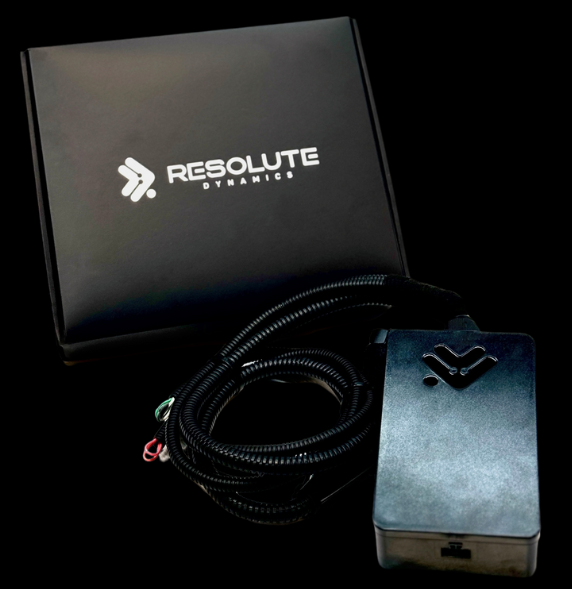
Electronic Speed Limiter (ESL)
For engines with an electronic accelerator. Caps the throttle signal at the set speed, such as 90 km/h for commercial vehicles or 60 km/h for 40-tonne trucks.
Electronic throttle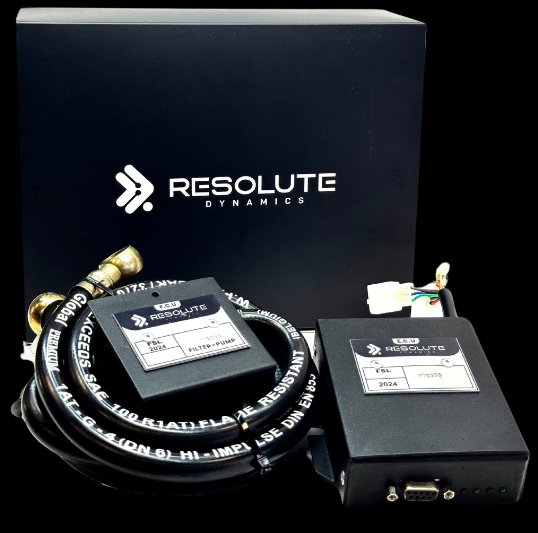
Fuel Type Speed Limiter (FSL)
For vehicles with a mechanical accelerator pedal, where an ECU-based device is not compatible. Limits fuel delivery at the set speed.
Mechanical pedal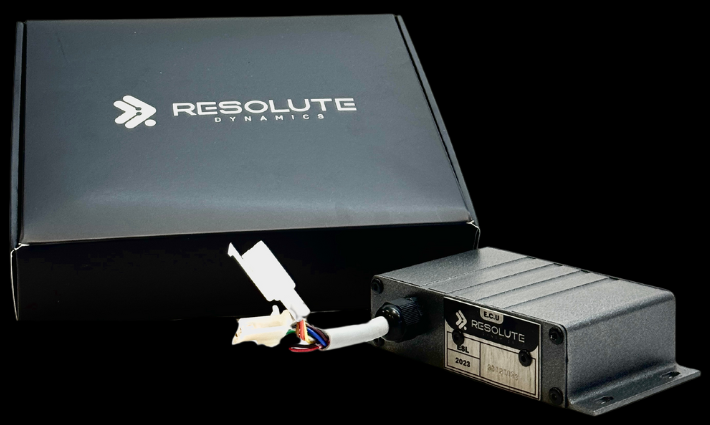
Dual and Multi-Speed Limiter (GPS)
Two or more GPS-geofenced speed profiles, for fleets that want lower limits in towns, depots or port areas on top of the portal setting.
GPS speed profiles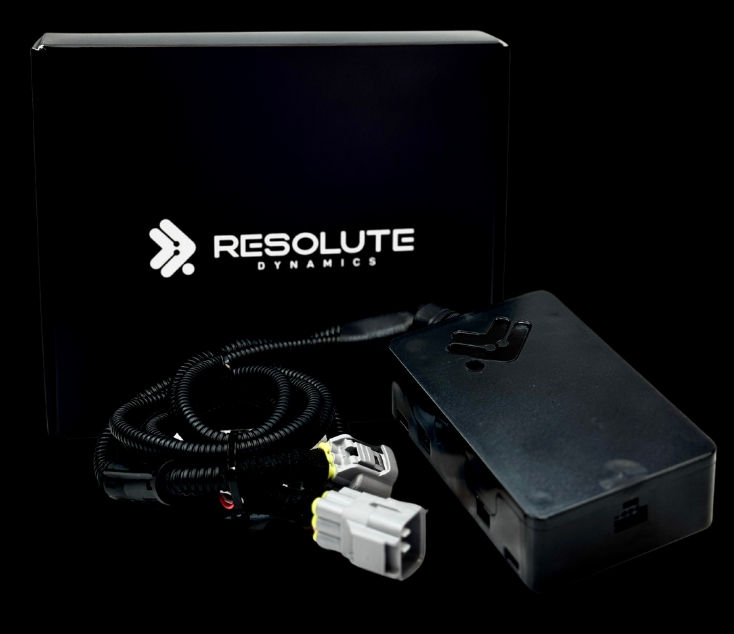
RPM Regulator
Holds engine speed steady while a power take-off (PTO) is running, protecting hydraulic pumps, valves and hoses on tankers with offload pumps, tippers and mixers. Some fleets fit it alongside a speed limiter.
PTO equipmentDevices used in Nigeria are expected to meet the SON standard NIS 775:2014 (Maximum Road Speed Limiters for Motor Vehicles), approved by the SON Council in May 2014 (FRSC). Ask for our technical specifications so your accredited vendor can check them before ordering.
Speed settings
Speed limiter settings by vehicle type
The FRSC portal lists the speed each vehicle class is set to. Drivers must still keep to the legal limit for the road, which is often lower.
Device setting (FRSC portal)
| Vehicle | Device setting |
|---|---|
| Private vehicles | 100 km/h |
| Commercial vehicles | 90 km/h |
| 20-tonne trucks | 80 km/h |
| 40-tonne trucks | 60 km/h |
Legal road limits (NRTR 2012)
| Vehicle | Built-up | Highway | Expressway |
|---|---|---|---|
| Cars | 50 km/h | 80 km/h | 100 km/h |
| Taxis and buses | 50 km/h | 80 km/h | 90 km/h |
| Trailers and tankers | 45 km/h | 50 km/h | 60 km/h |
Sources: FRSC speed limiter portal, FRSC implementation paper. Checked October 2026.
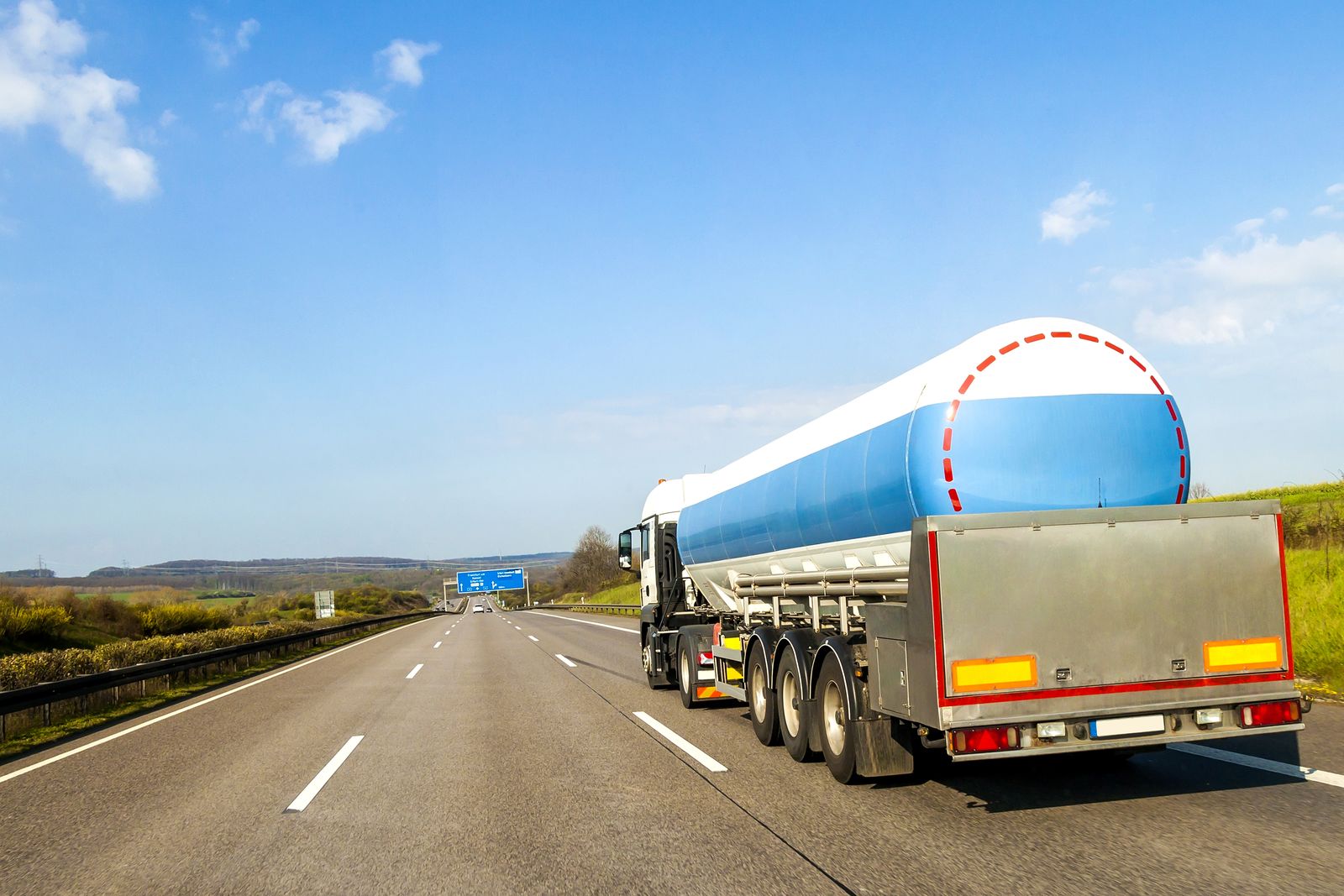
Tankers
Tankers: lower limits and closer checks
Trailers and tankers have lower legal limits than cars, taxis and buses: 60 km/h on expressways, 50 km/h on highways and 45 km/h in built-up areas. Devices on 40-tonne trucks are set at 60 km/h.
FRSC recorded 268 tanker-related crashes in 2025, and tanker explosions killed 265 people between September 2024 and February 2025.
Tankers that fail Safe-to-Load checks cannot load, and FRSC has warned that tampering with speed limiting devices will be prosecuted.
Sources: FRSC implementation paper, NAN (April 2026), Nairametrics.
Port trucks: the Nigerian Ports Authority truck registration checklist requires an installed speed limiting device and an RTSSS certificate (NPA checklist).
Quote for port trucksWhy Resolute Dynamics
Why accredited vendors source direct from a manufacturer
Buy from the company that builds the devices, not a reseller. We quote volume pricing for accredited vendors and for fleets with their own accredited workshop.
Ask for volume pricing →The FRSC accredited list includes large construction and logistics companies, not only specialist installers. If your fleet has its own accredited workshop, you can source devices from us directly.
Talk about workshop supply →Electronic, fuel-type and multi-speed limiters cover new electronic-throttle trucks and older mechanical-pedal vehicles in the same fleet.
Send your fleet mix →Ask for technical specifications so your accredited vendor can check them against NIS 775:2014 before ordering.
Request specifications →We make and supply devices. Installation, calibration and portal registration stay with vendors accredited under Regulation 152(6).
Talk to sales →Sources: Vanguard (September 2026), BusinessDay (Lekki Port), The Guardian (Lagos-Ibadan), FRSC accredited vendors. Checked October 2026.
How to order
How to order speed limiters for Nigeria
Send your order details
Vehicle types, engines (electronic or mechanical accelerator), quantities, and whether you are an FRSC-accredited vendor.
Get the device match and price
We confirm which device fits each vehicle and quote, with volume pricing for vendors and large fleets.
Import, install and register
Devices are imported through SONCAP. Your accredited vendor installs, calibrates and registers each device on the FRSC portal.
FAQ
Speed limiter questions from Nigerian fleet operators
What is a speed limiting device?
A device that stops a vehicle from going faster than a set speed, by capping the throttle signal or the fuel supply. FRSC calls it a speed limiting device (SLD); the regulations also use the terms speed limiter and speed governor.
Which vehicles need a speed limiter in Nigeria?
Regulation 152(4) applies to any vehicle on a public road, but FRSC enforcement focuses on commercial vehicles: buses, trucks and tankers (The Guardian). The portal lists a 100 km/h setting for private vehicles.
How much does a speed limiter cost in Nigeria?
FRSC says the price is set by the market. On top of the device and installation, the FRSC portal charges ₦1,000 per installation and ₦1,000 per recalibration (FRSC portal fees). Send your fleet list for a device quote.
Who can install a speed limiter?
Only vendors registered and accredited by FRSC, SON and NADDC, through their certified technicians. The list of accredited vendors is published on the FRSC speed limiter portal.
How do I check if a vehicle’s speed limiter is registered?
Text confirmsld followed by the plate number to 33811, or search the plate number on the FRSC speed limiter portal.
What is the fine for not having a speed limiter?
₦10,000 for the driver and ₦50,000 for a fleet operator, plus suspension of the operator’s certificate until the operator complies.
Does a factory-fitted speed limiter count?
It must still be assessed and recalibrated by an accredited vendor’s technician and registered on the FRSC portal.
Can speed limiters be imported into Nigeria?
Yes. Imports go through SONCAP: the exporter needs a Product Certificate and the importer a SONCAP Certificate (SON). Selling or installing in Nigeria still requires FRSC, SON and NADDC accreditation.
Does Resolute Dynamics install speed limiters in Nigeria?
No. We manufacture and supply the devices. Installation, calibration and portal registration are done by FRSC-accredited vendors.
Get speed limiters for your Nigerian fleet or workshop
Send vehicle types, engines and quantities. Accredited vendors: tell us your monthly volume for wholesale pricing.
- Send your list
- Get the device match
- Install through an accredited vendor