Ghana · Commercial vehicles of 3.5 t and over · Fleet speed control
Speed limiters for Ghana trucks, buses and tankers
From 1 November 2026, camera fines go to the registered owner. A limiter set at the legal limit for each vehicle class keeps your trucks and buses from exceeding it on the open road. Resolute Dynamics manufactures the devices and can supply them to fleets in Ghana; fitting is done by your workshop or a local installer.
Checked in October 2026 against L.I. 2180 (2012), reports on the Road Traffic Regulations, 2026 (L.I. 2519) that replaced it, the TRAFFITECH-GH rollout notice and NRSA data reported by Graphic Online.
Owner liability
Automated speed enforcement puts the fine on the fleet owner
Ghana Police start full TRAFFITECH-GH enforcement on 1 November 2026. For a fleet owner, every speeding driver becomes a bill.
- 01
Camera records the speed
TRAFFITECH-GH devices detect the offence. The Ghana Standards Authority calibrates them.
- 02
Notice goes to the owner
The registered owner, not only the driver, is liable for the offence.
- 03
Pay or contest within 14 days
Fines are paid through Ghana.gov, with 1% added for each day late. Camera-detected offences carry GH¢120 for a first to third offence, rising to GH¢240 for a fifth (Regulation 242, L.I. 2519).
With a limiter
The truck cannot pass the set speed
Set the device at the limit for the vehicle class, such as 75 km/h for a loaded heavy goods vehicle under L.I. 2180. On the open road the truck stays at or below it, whoever is driving.
Ask which setting fitsSources: Ghana Police Service, Graphic (owner liability), Citi Newsroom, Graphic (fines list). Checked October 2026.
The law
What Ghana law says about speed limiters
Regulation 135 of L.I. 2180 (2012) required a commercial vehicle with a gross weight of at least 3.5 tonnes to have a speed limiter, as determined by the Licensing Authority (DVLA). The device could not be tampered with, and its preset speed had to follow the general speed limits in regulation 163.
Enforcement did not follow. Rollout plans were announced in 2019 and 2022, and in July 2025 the NRSA said it was still working with the DVLA and the Ghana Standards Authority to introduce limiters.
New regulations in 2026. The Road Traffic Regulations, 2026 (L.I. 2519) replace L.I. 2180. Check with the DVLA how the new text treats speed limiters before relying on the old regulation number.
Speed limits under L.I. 2180 (regulations 163 and 164)
| Road or vehicle class | Limit |
|---|---|
| General: sensitive zones | 30 km/h |
| General: urban areas | 50 km/h |
| General: outside built-up areas | 90 km/h |
| General: motorways | 100 km/h |
| Heavy goods vehicles, loaded | 75 km/h |
| Buses and unloaded heavy goods vehicles | 80 km/h |
In April 2026 the NRSA urged drivers to keep to these L.I. 2180 limits. L.I. 2519 now sets limits by vehicle class in regulation 212, so confirm its figures with the DVLA or NRSA before setting devices.
Sources: L.I. 2180 (2012), Ghanaian Times (2019), Graphic (2022), Graphic (July 2025), MyJoyOnline, Graphic (speed limits). Checked October 2026.
Why now
The cost of speed on Ghana roads is rising
Road crashes killed 2,949 people in Ghana in 2025, up 18.2% on the year before and the highest toll in 35 years. Commercial vehicles made up a third of the 24,938 vehicles involved.
road crashes in 2025, up from 13,489 in 2024
of vehicles involved in 2025 crashes were commercial vehicles
of collisions are caused by speeding, per NRSA provisional data
Sources: Graphic (2025 crashes), GNA (speeding). Checked October 2026.
Transit corridors
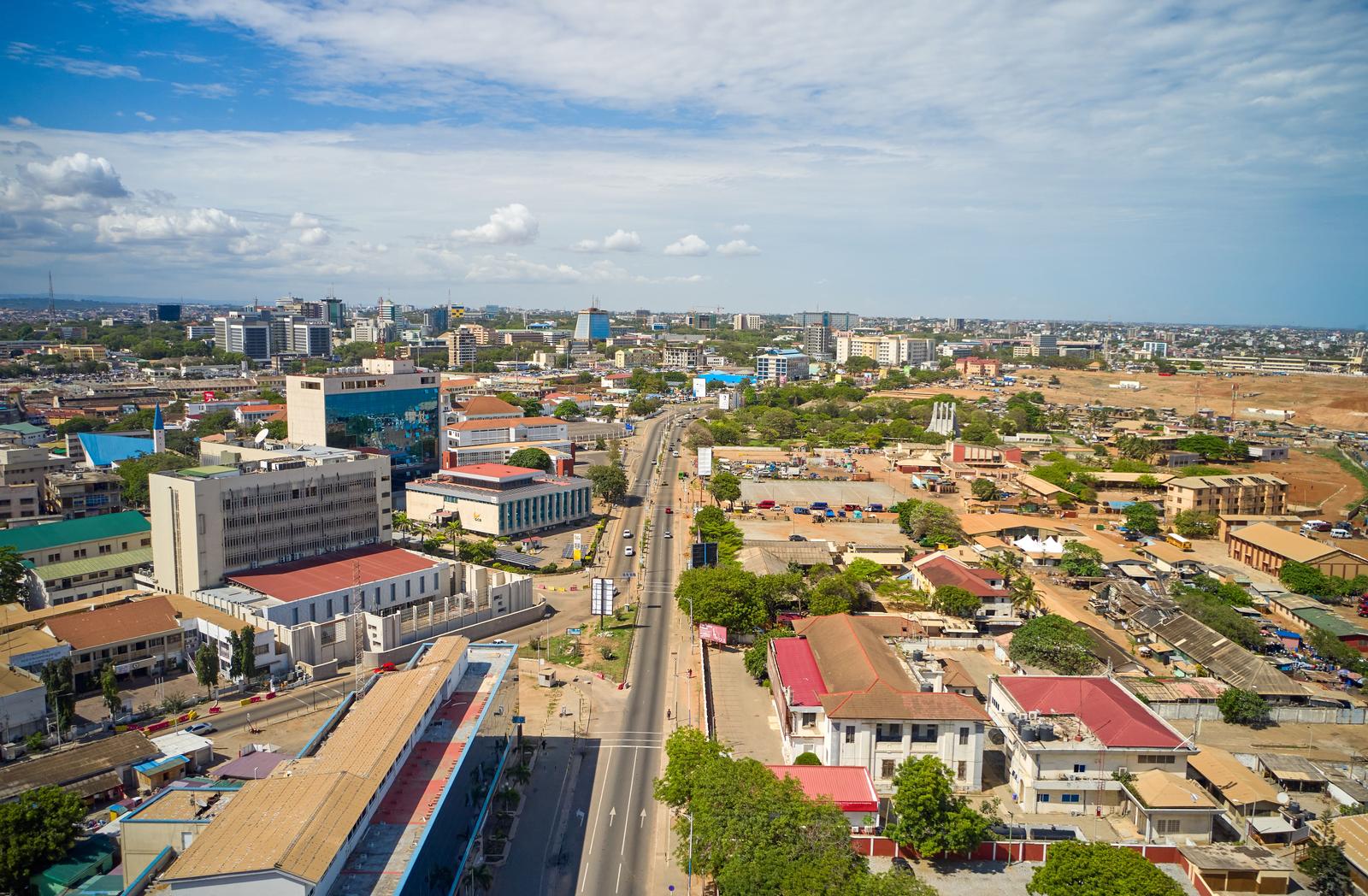
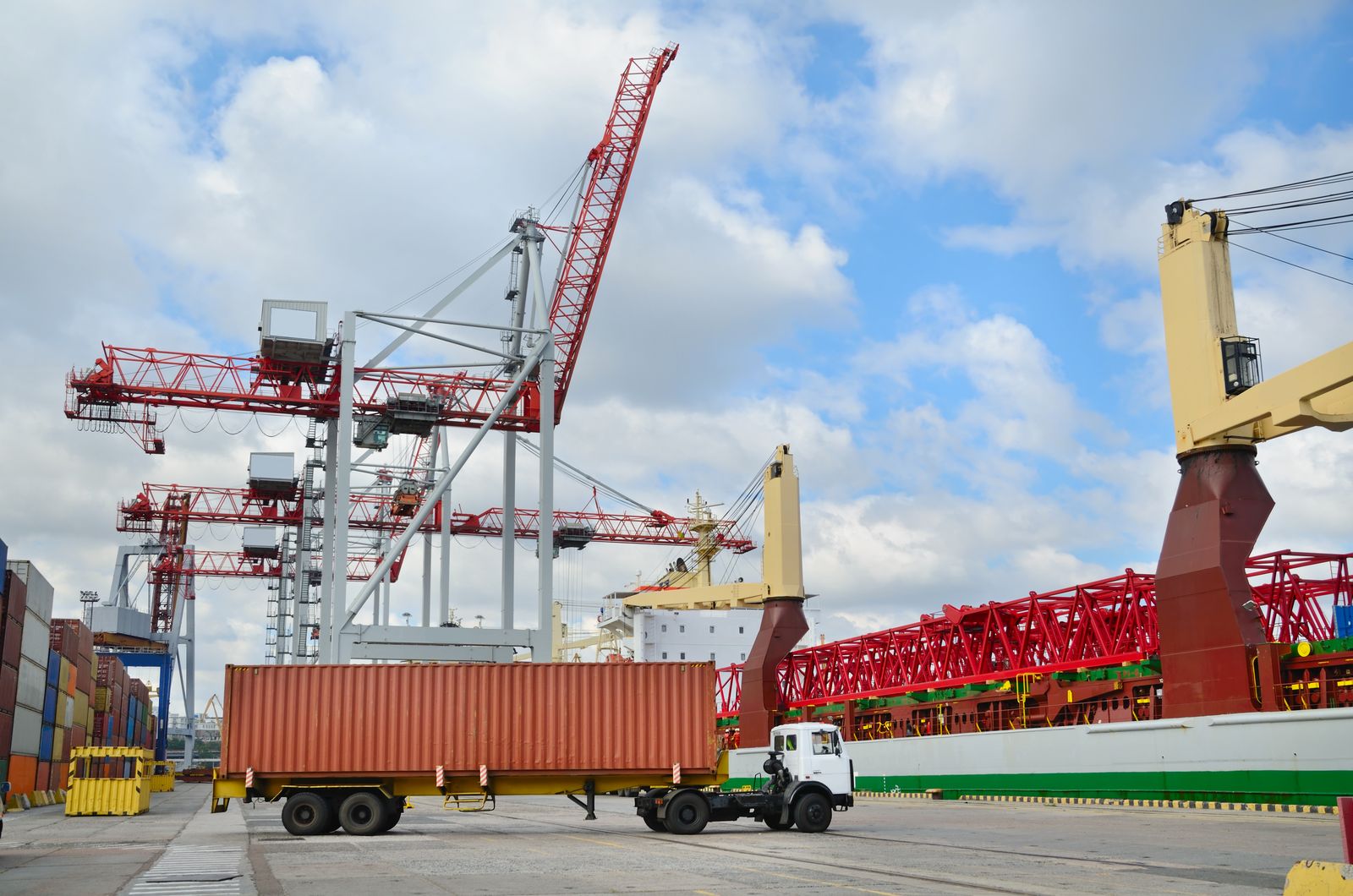
Long-haul trucks from Tema and Takoradi
Port and transit traffic means long days on intercity and northern routes, where speed and fatigue add up. A limiter holds the speed the same on every trip, whichever driver takes the wheel.
through Tema and Takoradi ports in 2025, 64% of it at Tema
of transit cargo for Burkina Faso, Mali and Niger, January to September 2024, up 55.3%
Tema to Paga, the transit corridor to Burkina Faso
Sources: Ghana Shippers Authority, Ghana Shippers Authority (transit), Graphic (Tema-Paga corridor). Checked October 2026.
Devices
Speed limiters we manufacture for Ghana fleets
Mixed fleets need more than one type. Match the device to each vehicle’s accelerator and engine.
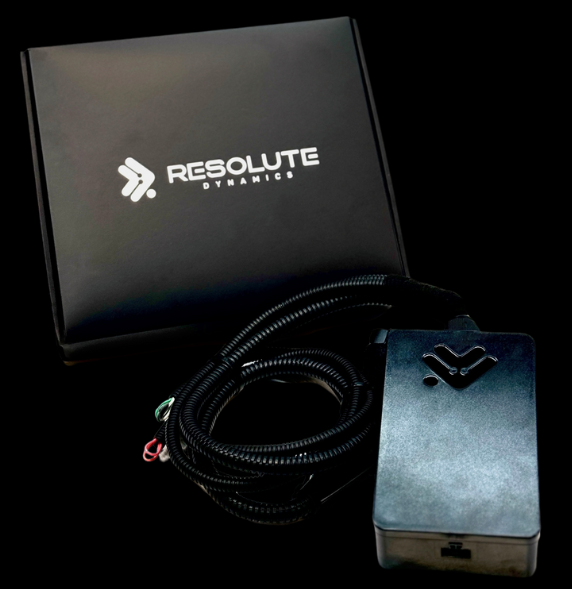
Electronic Speed Limiter (ESL)
For trucks and buses with an electronic accelerator. Caps the throttle signal at the set speed.
Electronic throttle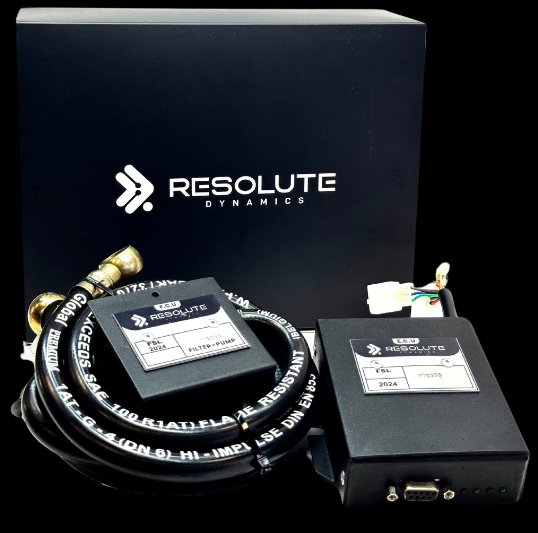
Fuel Type Speed Limiter (FSL)
For older vehicles with a mechanical accelerator pedal. Limits fuel delivery at the set speed.
Mechanical pedal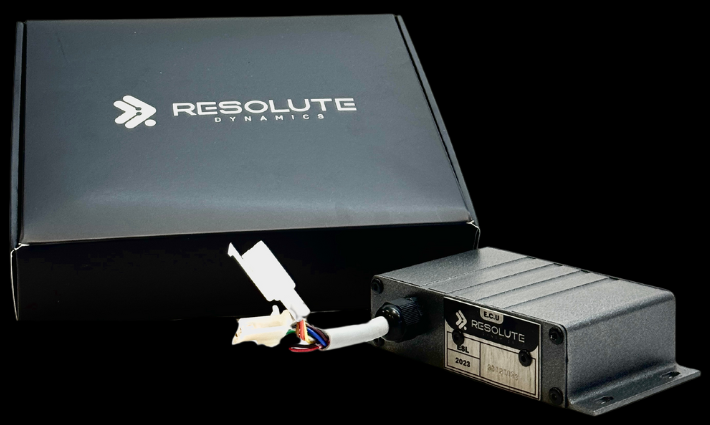
Dual and Multi-Speed Limiter
Two or more GPS-geofenced speed profiles, for lower limits in towns, yards or ports.
GPS profiles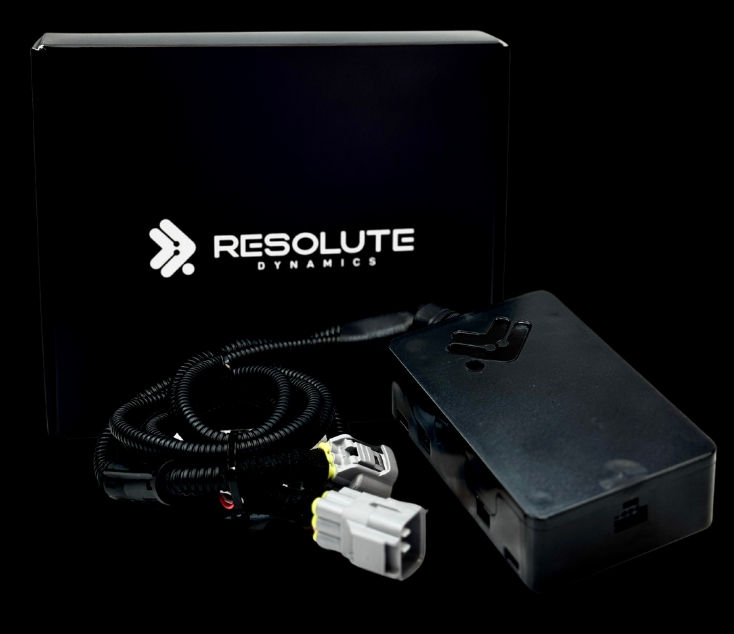
RPM Regulator
Holds engine speed steady while a power take-off (PTO) runs, protecting hydraulic pumps on tankers and tippers.
PTO equipmentFuel tankers: 4,904 on the register
A new Auditor-General report found 4,904 registered petrol and diesel tankers, of which only 51.3% held valid licences as of 9 April 2026 (MyJoyOnline). Under L.I. 2180, a loaded tanker was limited to 75 km/h like any loaded heavy goods vehicle; confirm the L.I. 2519 figure with the DVLA. A limiter holds the tanker at the speed you set, on every trip.
Why Resolute Dynamics
A manufacturer, not a reseller
Buy the device from the company that builds it, with volume pricing for fleets and installers.
Ask for volume pricing →Electronic and fuel-type limiters cover new trucks and older vehicles with mechanical pedals.
Send your fleet mix →We configure each device to the speed you choose for the vehicle class, such as 75 km/h or 80 km/h.
Ask about settings →We do not claim DVLA approval. The 2026 regulations replaced L.I. 2180, so check the current limiter rules with the DVLA.
Talk to sales →How to order
Three steps to a speed-limited fleet
Send your fleet list
Vehicle types, engines (electronic or mechanical accelerator), quantities and routes.
Get the device match
We recommend a device for each vehicle and the speed setting for its class, with a quote.
Fit and set
Your workshop or a local installer fits the devices. The set maximum then applies on every trip, whoever drives.
FAQ
Speed limiter questions from Ghana fleet owners
Regulation 135 of L.I. 2180 (2012) required them on commercial vehicles of 3.5 tonnes or more, but it was never systematically enforced. The 2026 regulations (L.I. 2519) replace L.I. 2180, so check the current rule with the DVLA.
The Ghana Police automated traffic enforcement system. It detects offences such as speeding, holds the registered owner liable and gives 14 days to pay or contest the notice. Full rollout starts on 1 November 2026.
Use the limit for the vehicle class. L.I. 2180 set 75 km/h for a loaded heavy goods vehicle and 80 km/h for buses and unloaded heavy goods vehicles. L.I. 2519 now sets class limits in regulation 212, so confirm the current figures with the DVLA. Lower posted limits still apply.
Under the 2026 regulations (L.I. 2519), a court can impose 10 to 25 penalty units (GH¢120 to GH¢300), up to 30 days in prison, or both. Camera-detected offences carry fixed fines: GH¢120 for a first to third offence, GH¢180 for a fourth and GH¢240 for a fifth.
Yes. In Ghana both words are used for a device that stops the vehicle going faster than a set speed.
Yes. Older trucks with a mechanical accelerator pedal use a fuel-type limiter; newer ones use an electronic limiter.
We do not claim DVLA approval. We are not aware of a published Ghanaian speed limiter specification or approved device list. Ask the DVLA what applies to your vehicles.
Get speed limiters for your Ghana fleet
Send vehicle types, engines and routes. We reply with the right device for each vehicle and a quote.