
Keeping our streets safe and city vehicles efficient isn’t just about good driving—it’s about smart technology. One of the most powerful tools that municipal fleets can use today is something many people haven’t heard of yet: the multi-speed limiter.
This smart system goes beyond just putting a cap on top speed. It helps city fleets drive safer, save fuel, and stay compliant with traffic regulations—all without making life harder for drivers.
Let’s break down why multi-speed limiters are becoming essential for public sector vehicles.
The Evolving Needs of Municipal Fleets
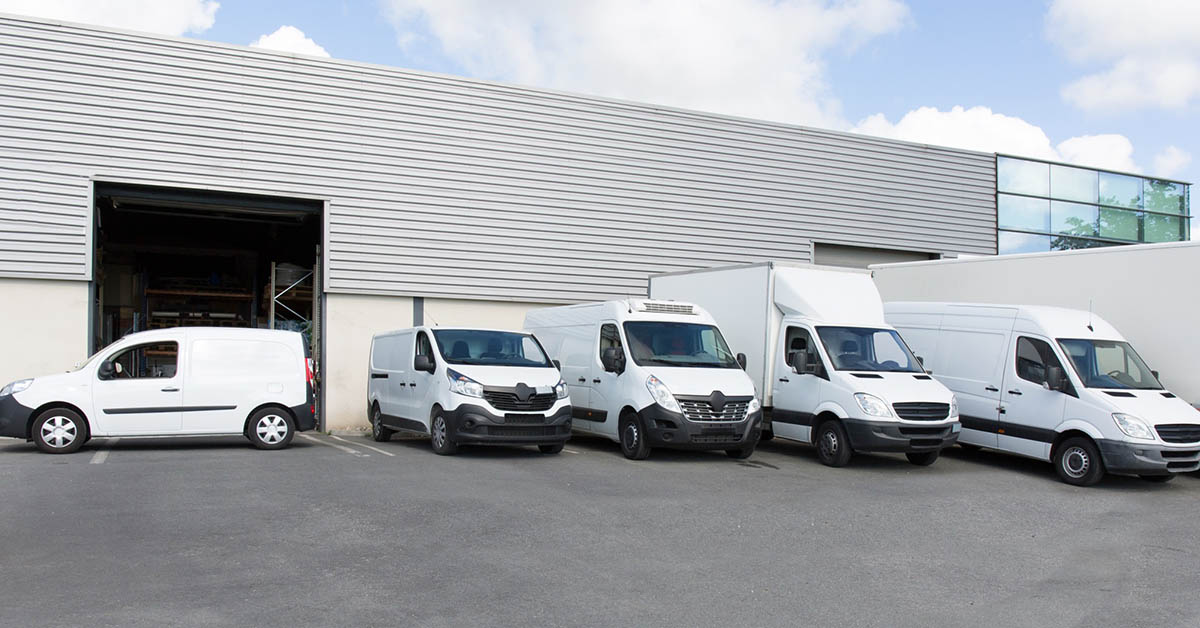
Municipal fleets aren’t like standard commercial fleets or private vehicles. They’re built to serve the public, operate on tight schedules, and perform in demanding urban and suburban environments. From garbage collection at dawn to emergency response in the middle of the night, city vehicles face a level of complexity that many don’t realize.
Let’s take a closer look at why their driving environments are so dynamic—and why a one-size-fits-all speed control approach simply doesn’t work anymore.
1. Multi-Function Roles Across Varied Terrains
City-owned vehicles often serve multiple departments and shift between different terrains in a single day. A single fleet may include:
-
Sanitation trucks navigating alleyways and residential streets
-
Public buses weaving through rush hour traffic and stopping frequently
-
Law enforcement vehicles that must balance patrol speed with emergency responsiveness
-
Fire engines that move from congested city centers to wide highways
-
Utility and maintenance vehicles operating near work zones, schools, and intersections
Each scenario presents unique speed control needs. Driving 50 km/h might be safe on a city avenue—but it’s dangerous in a school zone or alley.
2. High-Traffic, High-Risk Environments
Municipal vehicles regularly operate in areas with dense pedestrian traffic, cyclists, parked cars, and unpredictable movement. These include:
-
School zones
-
Hospitals and care centers
-
Bus stops
-
Construction zones
-
Government buildings
-
Event venues
Speeding—even unintentionally—in these sensitive zones can lead to severe consequences, including accidents, legal liabilities, and public backlash. Cities are under increasing pressure to enforce Vision Zero policies and other road safety initiatives. This means technology must support more granular control over vehicle speed, down to specific neighborhoods or time windows.
3. Speed Limits Change by Zone and Time
Unlike long-haul trucks that cruise at steady speeds, municipal fleets operate where posted speed limits change often—and not just by road type. Speed limits can shift based on:
-
Time of day (e.g., school zone limits during pickup/drop-off hours)
-
Location (urban downtown vs. suburban roads)
-
Weather conditions (fog, rain, or snow)
-
Legal ordinances (special events, temporary restrictions)
Traditional speed limiters, which cap speed at a single threshold, can’t account for these nuances. A multi-speed limiter, especially one integrated with GPS or geo-zoning, adjusts in real-time, ensuring vehicles remain compliant wherever they go.
4. Frequent Driver Turnover and Variability
Unlike owner-operated commercial vehicles, municipal fleets often have multiple drivers assigned to a single unit. Skill levels, experience, and driving behavior can vary widely between operators. This inconsistency increases risk, especially if a driver isn’t familiar with the local road conditions or safety policies.
A terrain-aware speed limiter helps enforce consistent behavior regardless of who’s behind the wheel. It acts as a digital safeguard, making sure that even less experienced drivers stay within safe operating boundaries.
5. Pressure to Improve Efficiency Without Sacrificing Safety
Municipal fleet managers are constantly balancing two demands:
-
Reduce fuel consumption and emissions (for budget and sustainability goals)
-
Improve safety and public trust
These goals can sometimes seem at odds—but intelligent speed control aligns them. Vehicles that operate at optimal speeds consume less fuel, emit fewer pollutants, and reduce wear and tear on engines and brakes. All of this, while making urban areas safer for pedestrians and other road users.
6. Evolving Regulations and Public Expectations
With the rise in road safety legislation, smart city initiatives, and environmental regulations, cities are now required to track, report, and optimize how their fleets perform. Manual systems or outdated speed governors can’t keep up.
Today, fleet safety and compliance aren’t just internal concerns—they’re public matters. Accidents involving city vehicles make headlines. Citizens demand accountability. And government agencies are expected to set the example.
A multi-speed limiter, especially when integrated with a modern fleet telematics platform, ensures your city is not just meeting standards, but leading the way in safety and innovation.
What Is a Multi-Speed Limiter?
A multi-speed limiter, sometimes called a dual speed limiter or terrain-based speed controller, is an advanced safety device that allows different speed limits to be programmed into a single vehicle. It can automatically adjust the maximum speed depending on where the vehicle is.
For example:
-
In school zones, it may limit the speed to 30 km/h.
-
On city roads, it might allow 50 km/h.
-
On highways, it could go up to 80 or 100 km/h.
Some systems even use GPS technology to detect where the vehicle is and switch the limit accordingly. This type of intelligent limiter reduces the need for drivers to constantly adjust their speed—and lowers the risk of speeding violations.
Why Municipal Fleets Face Unique Challenges
Municipal vehicles don’t work like personal cars or even regular delivery trucks. Here are a few reasons they need smarter speed control:
● Mixed Driving Environments
A garbage truck might travel through narrow alleys, then hit a major road. A fire truck could move from residential zones to highways in seconds. These different environments call for different speed limits.
● High-Risk Areas
Public buses and utility trucks often operate near schools, playgrounds, hospitals, and pedestrian zones. Accidents in these areas can be devastating.
● Driver Variability
Many municipal fleets have multiple drivers for the same vehicle. Not all of them drive the same way. A multi-speed limiter helps create consistent behavior across the board.
Benefits of Multi-Speed Limiters for Municipal Fleets
Let’s look at how these systems help on the ground.
1. Improved Road Safety
When speed limits are automatically managed, drivers are less likely to make mistakes. It also helps reduce:
-
Collisions in pedestrian-heavy zones
-
Speeding tickets from accidental violations
-
Vehicle rollovers due to high speeds on tight corners
For cities, this means fewer accidents, lower legal risks, and more trust from the community.
2. Fuel Efficiency Gains
Driving at controlled speeds means engines don’t overwork. That leads to:
-
Less fuel burned per trip
-
Lower emissions
-
Longer vehicle lifespans
When you manage speed, you manage fuel. It’s one of the easiest ways to cut operating costs in large city fleets.
3. Better Compliance with Regulations
Cities are under pressure to meet traffic safety standards and emission targets. Multi-speed limiters help fleets:
-
Stay within legal speed limits
-
Comply with school zone rules
-
Keep digital records for audits
For example, Resolute Dynamics’ dual speed limiter meets international standards and comes with certification, which can be critical during fleet inspections.
4. Reduced Maintenance and Wear
Every time a vehicle brakes hard or accelerates too fast, parts wear out faster. By keeping speeds under control, fleets:
-
Reduce brake and tire replacements
-
Prevent engine stress
-
Lower maintenance costs over time
It’s a small investment that pays off quickly.
5. Driver Behavior Monitoring
Modern limiters connect with GPS tracking systems. That means:
-
Real-time alerts if a driver tries to override the system
-
Reports showing driving patterns
-
Insight into how each driver treats the vehicle
It’s not just about catching mistakes—it’s about coaching better driving habits.
Why Standard Speed Limiters Fall Short
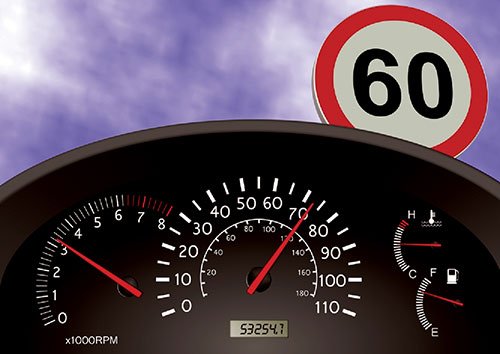
Traditional speed limiters—also known as single-speed governors—were a step in the right direction when they first appeared. They were designed to cap the top speed of a vehicle and prevent dangerous high-speed driving. For many years, that basic functionality served a purpose, especially on highways or in long-haul freight. But for municipal fleets operating in complex urban ecosystems, this outdated approach is no longer enough.
Let’s dig into why these standard systems are now too limited, too rigid, and too risky.
1. One Speed Limit Doesn’t Fit All Roads
A standard speed limiter is like a simple lock—it either allows you to go up to a fixed speed, or it doesn’t. Once installed, these systems typically restrict the vehicle to one preset maximum speed—say, 60 km/h.
But city vehicles rarely operate in consistent environments. A police cruiser might be on a residential street one minute and a highway the next. A garbage truck may enter school zones, tight lanes, and open boulevards all on the same route.
With a single-speed limiter, fleet operators are forced to choose between:
-
Setting a lower speed that’s safe for tight areas but slows operations elsewhere, or
-
Setting a higher speed that keeps productivity up—but puts the public at risk
Either choice is a compromise—and compromises are dangerous when it comes to road safety.
2. Inflexible to Changing Speed Zones
Urban areas are full of variable speed zones. A street that allows 50 km/h in the daytime might drop to 30 km/h during school hours. A construction zone may temporarily lower speed limits for weeks or months. There are also event-based closures, traffic rerouting, and areas with time-sensitive regulations.
Standard speed limiters can’t adapt to these dynamic zones. They’re static. And that creates three major problems:
-
Non-compliance with temporary speed laws
-
Increased risk of speeding violations
-
Dependence on driver awareness, which isn’t always reliable
Modern cities demand technology that adapts in real-time. That’s where multi-speed limiters step in—with GPS integration and geo-zoning to change speed limits automatically based on location and time.
3. No Override or Emergency Flexibility
Municipal fleets often include emergency and utility vehicles—police, fire, ambulances, snowplows, road maintenance crews. These vehicles need the ability to exceed speed limits safely and legally during urgent situations.
Standard speed limiters lack intelligent override functionality. Once set, they restrict speed no matter the situation. This poses a serious issue:
-
Emergency response times can be delayed
-
Drivers may attempt to bypass the system
-
Situational judgment is removed from trained personnel
In contrast, multi-speed systems can include authorized override options, accessible via RFID cards, control keys, or central dispatch permissions. These override events are also logged—ensuring accountability without sacrificing urgency.
4. Incompatibility with GPS and Telematics Systems
Today’s fleets rely on advanced vehicle telematics—systems that combine GPS, diagnostics, route optimization, and driver behavior data into one platform. But older limiters were not built with integration in mind.
This means:
-
No data syncing with route-based speed zones
-
No reporting on limiter effectiveness
-
No live alerts or analytics to fleet managers
Multi-speed limiters are designed to be part of a connected ecosystem, often using protocols like CAN bus, OBD-II, or API-based communication with the fleet’s software dashboard. That connectivity gives fleet managers real-time insights and control.
5. Vulnerable to Tampering and Manual Circumvention
Let’s face it: if a driver sees a speed limiter as an obstacle to getting their job done quickly, some may try to bypass it. Traditional speed governors are more susceptible to physical tampering, especially those with limited software protection.
Common workarounds include:
-
Disconnecting the limiter module
-
Overriding throttle signals
-
Modifying vehicle ECU settings
Multi-speed limiters built for modern fleets come with tamper-proof hardware, encrypted firmware, and even anti-tamper alerts that notify supervisors if someone tries to interfere with the system.
6. Poor Driver Experience and Productivity Bottlenecks
Older systems often frustrate drivers. Imagine being stuck at 50 km/h while traffic flows at 70 km/h—or worse, getting honked at or tailgated in a high-speed lane because your vehicle can’t accelerate further.
This not only:
-
Increases driver stress
-
Slows down operations
-
Impacts delivery or service schedules
It can even lead to unsafe driving behavior like abrupt braking or tailgating in frustration.
A multi-speed limiter gives drivers what they need: smart, contextual control. It adapts without asking them to micromanage their speed—and that leads to a smoother, safer, more professional driving experience.
Use Cases: Who Benefits the Most?
Multi-speed limiters are not just a “nice-to-have” feature—they are a strategic advantage for specific public service sectors that operate under pressure, in unpredictable environments, and often under the watchful eye of the public. Each fleet type has its own set of operational, legal, and safety challenges that require precise, adaptable speed control.
Let’s dive into how different municipal vehicle categories benefit from multi-speed limiter technology.
Public Transit: Buses, Shuttles, and School Transport
Pain Points:
-
Frequent stops and starts
-
Operating near pedestrians, schoolchildren, and cyclists
-
High passenger liability
-
Public scrutiny and service reliability requirements
How Multi-Speed Limiters Help:
Public transport vehicles must maintain a delicate balance between timely service and safety. With multi-speed limiters, city buses and school transport can automatically reduce speed in:
-
School zones during pickup/drop-off hours
-
Congested city centers
-
Bus terminal entry/exit zones
-
Neighborhood streets with low speed restrictions
Using GPS-triggered speed control, transit vehicles are no longer reliant on driver judgment alone. This reduces the risk of speed-related accidents and improves community trust—especially when children are involved.
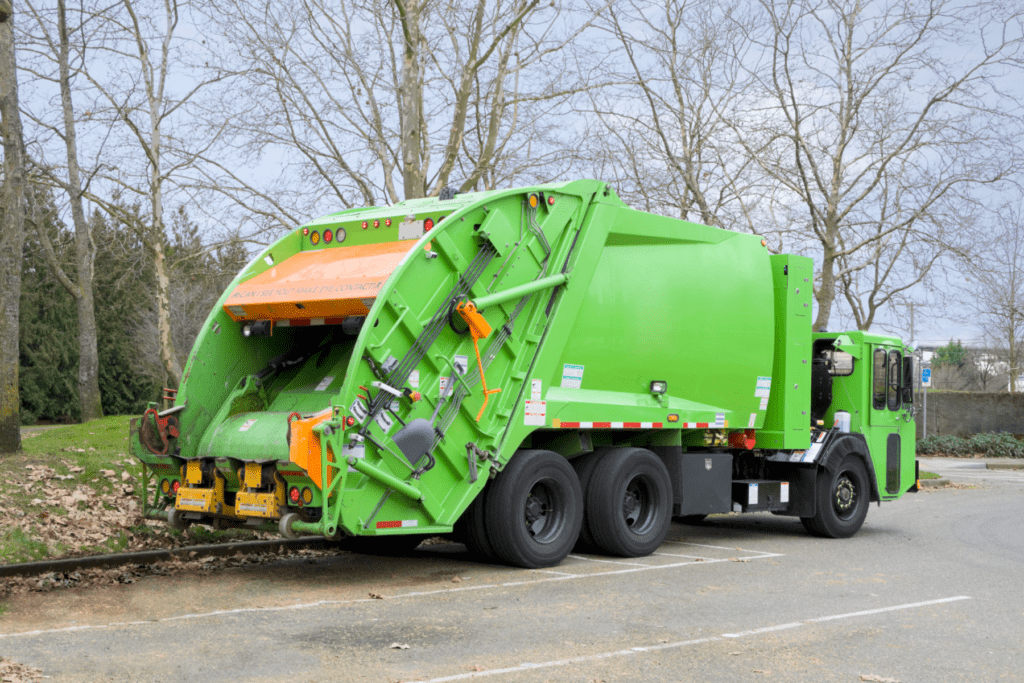
Waste Management: Garbage Trucks and Street Sweepers
Pain Points:
-
Operate in narrow streets and alleys
-
High pedestrian exposure during early morning or late-night hours
-
Limited visibility and frequent backing maneuvers
-
Residential noise and safety complaints
How Multi-Speed Limiters Help:
Waste collection vehicles are some of the most accident-prone municipal assets due to their stop-start patterns and unpredictable paths. A multi-speed limiter allows automatic adjustment based on:
-
Residential vs. arterial zones
-
Proximity to schools or parks
-
Time of day (e.g., slower speeds in early hours)
This ensures smoother, quieter operation while protecting pedestrians, pets, and cyclists who may not expect large vehicles moving through their neighborhoods.
Police & Fire Vehicles: Emergency and Enforcement Fleets
Pain Points:
-
Need for high-speed capability in emergencies
-
Risk of accidents during high-speed responses
-
Liability exposure in crashes
-
Must comply with both emergency and non-emergency driving rules
How Multi-Speed Limiters Help:
Unlike fixed-limit systems, multi-speed limiters can include smart override features for emergency conditions. These can be:
-
Manually activated by authorized personnel
-
Triggered by dispatcher command
-
Time-bound or logged for accountability
During non-emergency operation—such as patrol or community visits—the system can enforce lower limits to comply with civil traffic laws. This dual-mode flexibility:
-
Improves safety
-
Maintains public trust
-
Protects municipalities from litigation tied to high-speed incidents
Utility & Maintenance Vehicles: Water, Power, and Road Crews
Pain Points:
-
Operate near active roads and live work zones
-
Expose workers to oncoming traffic
-
Varying terrain and site conditions
-
Need for both mobility and stationary safety features
How Multi-Speed Limiters Help:
Utility vehicles may travel between dispersed job sites, navigating a mix of road types—from highways to dirt service roads. Multi-speed limiters ensure safe driving speeds:
-
When entering or exiting work zones
-
Near road construction or detour areas
-
Around temporary traffic control devices
Combined with GPS fencing or zone pre-programming, they reduce incidents of over-speeding in restricted areas, protect crew members, and lower the risk of hitting other equipment or road users.
Other Key Sectors That Can Benefit:
1. Parks and Recreation Vehicles
Operate inside parks, trails, and event areas—need ultra-low speed modes to protect pedestrians.
2. Airport and Port Authority Fleets
Need terrain-based speed restrictions for tarmac, runways, and secure zones.
3. Public Works and Infrastructure Maintenance
Operate with trailers, attachments, and heavy equipment—require control in high-risk zones.
Why Fleet-Specific Calibration Matters
Multi-speed limiters are not one-size-fits-all. The power lies in their configurability. Municipalities can program custom speed zones and profiles for each vehicle type or department. This creates a digital layer of control that:
-
Aligns with local traffic ordinances
-
Reduces driver error
-
Boosts productivity without sacrificing safety
The result? Smarter public service delivery with fewer incidents, lower insurance claims, and higher community confidence.
Choosing the Right Multi-Speed Limiter
Not all systems are created equal. Here’s what municipal managers should look for:
-
GPS Integration for terrain-based speed control
-
Tamper-proof hardware to stop manual overrides
-
Customizable speed zones based on city rules
-
Data logging for compliance and audits
-
Compatibility with fleet telematics or tracking tools
Resolute Dynamics offers all of this in its Dual Speed Limiter, along with support for large deployments and R&D customization. Their technology is built with municipal needs in mind.
Smarter Technology for Safer Cities
Municipal fleets are the backbone of a working city. But without the right tools, even the best drivers can make dangerous mistakes. Multi-speed limiters bring intelligence and adaptability to public fleets, making sure vehicles always match the road conditions around them.
It’s not just about controlling speed—it’s about building a safer, cleaner, and more efficient city for everyone.