
Moving fuel and hazardous cargo is not like moving normal freight. One mistake can lead to fire, spills, road closures, or loss of life. Speed plays a big role in these incidents. That is why speed limiter systems are now a core safety layer for fuel tankers and hazardous cargo fleets.
I have seen how controlled speed changes outcomes. Lower impact force, better driver control, and fewer surprises on the road. This article breaks down how speed limiter solutions work, why they matter for high-risk cargo, and how fleets can use them correctly.
Why Speed Control Matters for Fuel Tankers and Hazardous Cargo
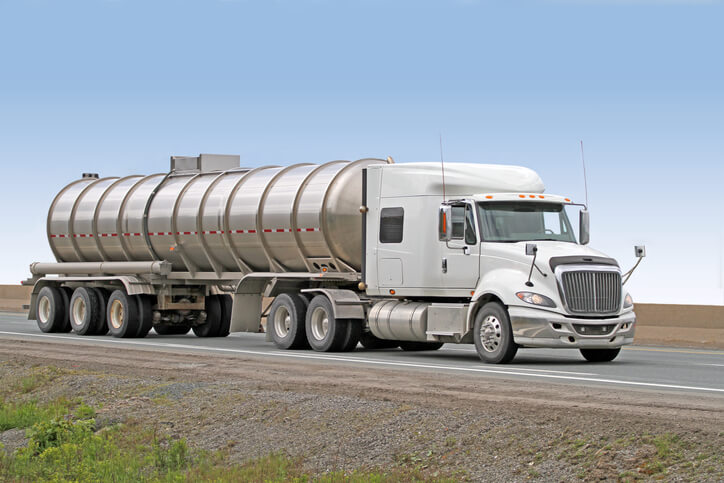
Speed is the silent risk factor in fuel tanker and hazardous cargo transport. I have seen well-maintained vehicles, skilled drivers, and planned routes still fail because speed crossed a safe threshold at the wrong moment.
Fuel tankers do not behave like box trucks. They carry liquid loads that move inside the tank. When a tanker accelerates, brakes, or turns, the fuel keeps moving. This is called liquid surge. At higher speeds, that surge becomes stronger and harder to control. Even a small steering input can turn into a weight shift that pushes the vehicle off balance.
Hazardous cargo vehicles face similar risks, even when the load is not liquid. Pressurized gases, chemicals, and flammable materials raise the center of gravity and increase stopping distance. Speed multiplies these risks. The faster the vehicle moves, the more energy it carries. When something goes wrong, that energy has to go somewhere.
Braking distance is a major issue. A fully loaded fuel tanker already needs more space to stop than a standard truck. Add speed, and stopping distance grows fast. On downhill roads, gravity works against the brakes. On curves and ramps, centrifugal force pulls the tanker outward. This is where many rollovers begin.
Speed limiters address these risks before they turn into accidents. By placing a fixed or adaptive ceiling on vehicle speed, the system keeps the tanker within its stable operating range. The limiter does not react after a mistake. It prevents the mistake from happening.
This is especially important on highways, exit ramps, mountain roads, and long descents. These are the areas where drivers are most likely to exceed safe speed without realizing it. A speed limiter acts as a constant safety boundary, even when traffic is light or schedules feel tight.
For hazardous transport, prevention is everything. Once a tanker crashes, the consequences go far beyond vehicle damage. Fires, explosions, toxic spills, road closures, and environmental harm can follow. Cleanup costs, legal exposure, and reputational damage often exceed the cost of the vehicle itself.
Speed control also protects drivers. When a vehicle cannot exceed a safe limit, aggressive driving drops. Fatigue-related speeding becomes less common. Drivers focus more on road conditions and less on making up time.
Modern systems from providers like Resolute Dynamics are built to manage speed smoothly. Power reduction is gradual, not abrupt. This matters for tankers, where sudden deceleration can trigger liquid surge and loss of control.
In simple terms, speed limiters do not slow down operations. They stabilize them. They keep fuel tankers and hazardous cargo vehicles operating within limits that physics, vehicle design, and road conditions can handle safely. When speed stays under control, everything else becomes easier to manage.
What Is a Speed Limiter System?
A speed limiter is an electronic device that restricts how fast a vehicle can travel. It works by controlling fuel flow or engine output once a set speed is reached.
Modern speed limiters are not simple cut-off devices. They are calibrated systems that interact with the engine control unit. When the vehicle hits the preset limit, the system smoothly limits power. This avoids harsh braking or sudden loss of control.
For tankers, smooth control matters. Abrupt changes in speed can cause liquid surge, which increases rollover risk.
Unique Risk Profile of Fuel Tankers and Hazardous Cargo Vehicles
Fuel tankers and hazardous cargo vehicles operate under risk conditions that normal freight trucks do not face. The danger is not only in what they carry, but in how the vehicle behaves when speed increases. Understanding this risk profile explains why speed limiters are a safety requirement, not an optional upgrade.
High Center of Gravity and Vehicle Instability
Fuel tankers sit higher than most commercial vehicles. The tank structure, combined with the volume of liquid or pressurized cargo, raises the center of gravity. This makes the vehicle more sensitive to steering input, road camber, wind, and speed changes.
At higher speeds, even a gentle curve can create enough lateral force to push the tanker beyond its stability threshold. Exit ramps, roundabouts, and uneven road surfaces are common rollover zones. The faster the tanker moves, the less margin the driver has to correct the motion.
Speed limiters reduce this risk by keeping the vehicle below speeds where lateral forces become dangerous. By limiting top speed, the system keeps handling predictable and gives the suspension and tires time to respond properly.
Liquid Movement and Sloshing Dynamics
Liquid cargo behaves differently from solid freight. Fuel inside a tanker continues moving even after the vehicle slows or turns. This internal movement is known as sloshing. At low speeds, the effect is manageable. At higher speeds, it becomes a serious stability threat.
When a driver brakes, the liquid rushes forward. During lane changes or turns, it shifts sideways. This movement changes the weight balance in real time, often faster than the driver can react. Partial loads are especially risky because the liquid has more room to move and build momentum.
Speed makes sloshing worse. Faster motion creates stronger surge forces inside the tank. These forces can lift wheels, overload axles, or push the vehicle outward during turns.
Speed limiters help by reducing the energy that drives liquid movement. Lower speed means weaker surge forces, smoother braking, and more stable cornering. The vehicle stays balanced because the load stays more controlled.
Severe Post-Crash Consequences
The third risk factor is what happens after an accident. A minor crash involving a fuel tanker or hazardous cargo vehicle is rarely minor in outcome. Spilled fuel can ignite. Chemicals can release toxic fumes. Pressurized tanks can rupture.
Even low-speed impacts can trigger fires, environmental contamination, or long-term road closures. Cleanup costs, legal claims, and regulatory penalties often exceed the cost of the vehicle itself. Communities near the crash site also face health and environmental risks.
Because the consequences are so high, prevention is critical. Speed limiters reduce both the chance of a crash and the severity if one occurs. Lower speed means less impact force, shorter stopping distance, and more control during emergency maneuvers.
Why Speed Limiters Are Central to Risk Control
Speed limiters address all three risk factors at once. They limit instability caused by high center of gravity. They reduce liquid surge by controlling motion. They lower crash severity and post-incident damage.
Modern systems, such as those used by Resolute Dynamics, apply speed control smoothly. Power reduction is gradual, which avoids sudden deceleration that could trigger sloshing or loss of control. This is especially important for tankers carrying volatile or hazardous materials.
In high-risk transport, safety comes from staying within physical limits. Speed limiters enforce those limits every second the vehicle is on the road. They turn unpredictable risk into managed behavior, which is exactly what fuel and hazardous cargo transport demands.
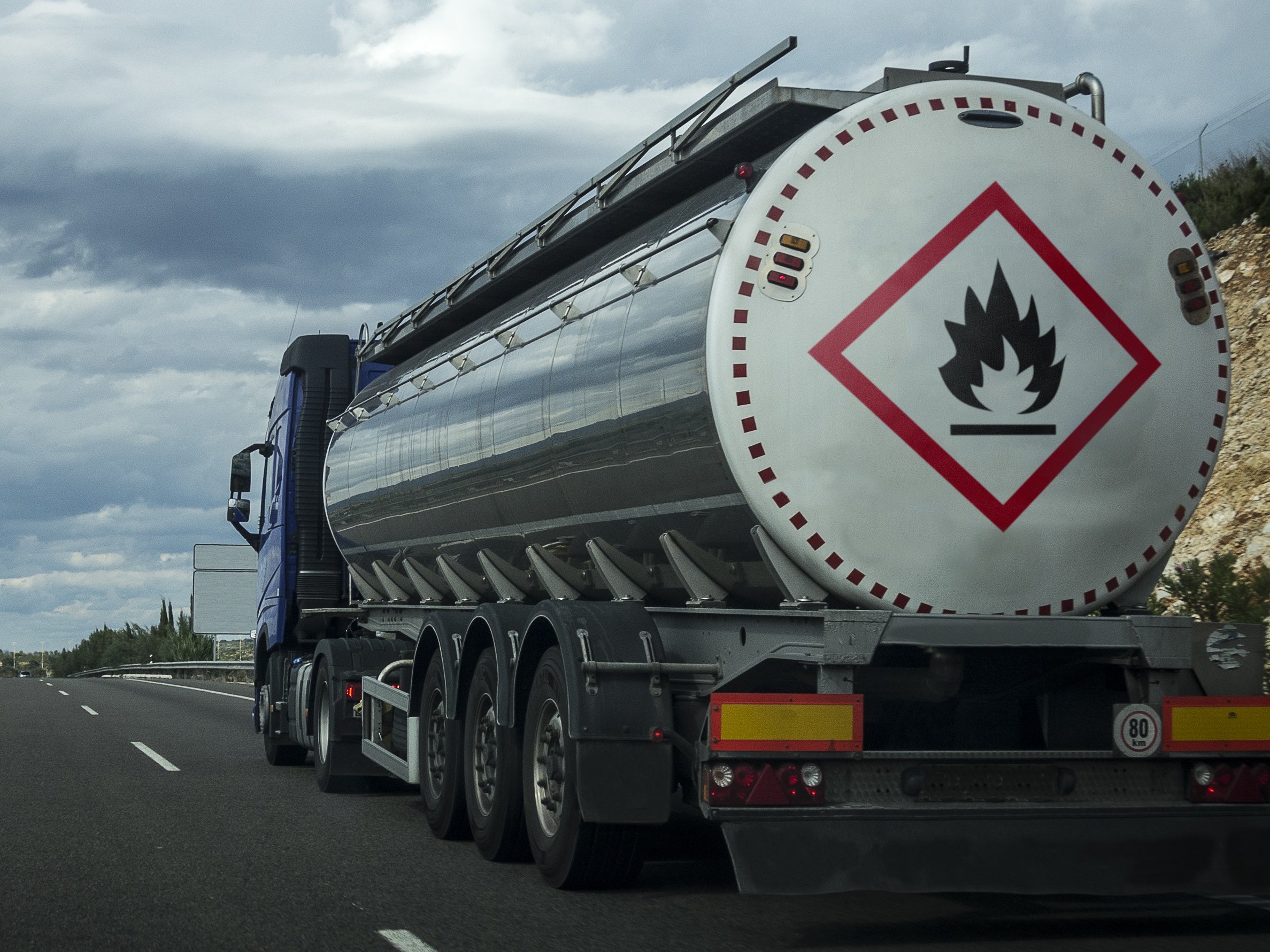
Not all speed limiters work the same way. Fuel tankers and hazardous cargo vehicles need systems that are stable, predictable, and hard to defeat. Over the years, three main limiter technologies have proven effective in high-risk transport. Each one serves a specific operational need.
Fuel-Based Speed Limiters
Fuel-based speed limiters are the most widely used option in fuel tankers and hazardous cargo fleets. These systems work by controlling the amount of fuel delivered to the engine once a preset speed is reached.
When the vehicle approaches the maximum allowed speed, the limiter gradually restricts fuel flow. The engine still runs smoothly, but it cannot produce enough power to go faster. This gradual intervention is critical for tankers. Sudden power cuts or harsh braking can cause liquid surge inside the tank, which increases rollover risk.
Fuel-based systems are valued for three reasons.
First, they are reliable. The limiter interacts directly with the engine or fuel injection system, so performance is consistent across long routes and heavy loads.
Second, they are difficult to bypass. Because the system is integrated into core engine functions, tampering is easier to detect and harder to hide.
Third, they work well in all environments. Fuel-based limiters do not rely on satellite signals or mobile networks. They function the same in cities, remote highways, tunnels, and mountain regions.
For fleets that operate across wide geographic areas or harsh conditions, fuel-based speed limiters form the foundation of speed control.
GPS-Enabled Speed Limiters
GPS-enabled speed limiters add location awareness to speed control. Instead of using one fixed speed limit, these systems adjust limits based on where the vehicle is operating.
A fuel tanker may be allowed a higher speed on open highways, but a lower speed near depots, fuel terminals, ports, school zones, or dense urban roads. The GPS unit identifies the vehicle’s location and applies the correct speed profile automatically.
This approach is especially useful for hazardous cargo moving through mixed traffic environments. Urban areas present more pedestrians, tighter turns, frequent stops, and unpredictable drivers. Lower speed limits in these zones reduce accident risk without slowing down highway operations.
GPS-based limiters also support geo-fencing. Fleet managers can define zones where strict speed caps apply, such as refinery perimeters or high-risk corridors. When the tanker enters the zone, the limiter enforces the rule without driver input.
One challenge with GPS systems is signal reliability. Tunnels, dense infrastructure, or remote areas can affect accuracy. That is why many fleets pair GPS features with a base fuel-based limiter, creating a layered safety setup.
Multi-Speed and Zoned Speed Limiters
Multi-speed and zoned limiters add another level of control by allowing different speed caps based on operating conditions.
Fuel tankers behave differently when loaded versus empty. A fully loaded tanker has higher mass, longer braking distance, and more liquid movement. Many fleets apply a lower speed limit when the tanker is loaded and a slightly higher limit when it is empty.
Some systems also adjust speed based on terrain. Downhill sections, accident-prone curves, or known rollover zones can trigger reduced speed limits. This is especially valuable in hilly regions or long descent routes where gravity increases risk.
Zoned limiters do not rely on driver judgment alone. The system enforces safer behavior automatically, even when schedules are tight or road conditions look clear.
Advanced implementations combine fuel control, GPS data, and zoned logic into one platform. Solutions from providers like Resolute Dynamics often use this hybrid approach to balance safety, compliance, and operational efficiency.
Safety Benefits Backed by Real-World Use
Speed limiters reduce crash severity. That is the most visible benefit. Lower speed means less kinetic energy during impact.
They also improve driver behavior. When drivers know the vehicle cannot exceed a limit, aggressive driving drops. Fatigue-related speeding becomes less common.
For tankers, controlled speed reduces liquid surge. This lowers stress on axles, suspension, and tires. Over time, this also cuts maintenance failures linked to instability.
Regulatory Compliance for Hazardous Cargo Transport
Many countries require speed limiters for commercial vehicles, especially those carrying dangerous goods. Regulations often specify maximum speeds, device certification, and tamper resistance.
Speed limiter systems help fleets meet these rules consistently. They also provide data logs that show compliance during audits or investigations.
Certified systems from providers like Resolute Dynamics are built to meet regional transport and hazardous cargo standards, making regulatory approval smoother.
Integration With Fleet Telematics and Monitoring
Modern speed limiters do not work in isolation. They integrate with telematics platforms that track speed events, driver behavior, and route data.
Fleet managers can see when a vehicle hits the limiter, where it happened, and how often it occurs. This data helps identify risky routes, training gaps, or unrealistic delivery schedules.
For hazardous cargo, this visibility adds another safety layer. It turns speed control into a managed process, not just a fixed rule.
Fuel Efficiency and Cost Control Benefits
Driving at controlled speeds saves fuel. Aerodynamic drag rises fast at higher speeds, especially for large tankers.
Speed limiters keep engines in efficient RPM ranges. Over long routes, fuel savings add up. Tire wear drops. Brake systems last longer. These savings matter for fleets running thin margins.
While safety is the main driver, cost stability becomes a strong secondary benefit.
Best Practices for Implementing Speed Limiters in Tankers
Start with risk assessment. Not every route needs the same speed cap.
Use certified installation partners. Poor calibration can cause drivability issues.
Train drivers. Explain why limits exist and how they protect them.
Review data regularly. Speed limiter logs should feed into safety reviews, not sit unused.
Avoid one-size-fits-all settings. Loaded tankers, empty returns, and depot zones need different rules.
Common Challenges and How Fleets Handle Them
Driver resistance is common at first. Clear communication and fair scheduling help solve this.
Tampering is another concern. Quality systems include anti-tamper alerts and sealed components.
Older vehicles can be harder to integrate. In many cases, retrofit solutions still work, but require careful setup.
Connectivity gaps may affect GPS features in remote areas. Hybrid systems with fixed limits act as a backup.
Where Speed Limiter Technology Is Heading
Speed limiters are becoming smarter. Integration with route risk data, weather conditions, and predictive analytics is growing.
Future systems will adjust speed based on slope, traffic density, and load behavior in real time. For hazardous cargo, this shift moves fleets closer to proactive risk control instead of reactive response.
Final Thoughts
Fuel tankers and hazardous cargo vehicles operate in a high-risk space. Speed limiters are not optional add-ons. They are core safety systems.
When used correctly, they reduce accidents, support compliance, improve fuel efficiency, and protect drivers and communities. The real value is not in limiting speed, but in controlling risk where it matters most.
For fleets moving dangerous goods, speed control is not about slowing down. It is about getting there safely, every single time.