
Singapore is leading the way in Southeast Asia when it comes to road safety and smart transport. One big focus area in recent years is fleet speed limiter compliance.
If you manage or operate a commercial vehicle fleet in Singapore—delivery vans, buses, or heavy trucks—you’ve likely heard about the new rules around speed limiters and Intelligent Speed Assistance (ISA) systems.
Let’s dive into what’s changing, why it matters, and how technology like telematics and real-time control systems are helping fleets stay compliant and safe.
Singapore’s Push Toward Safer Fleets in 2026
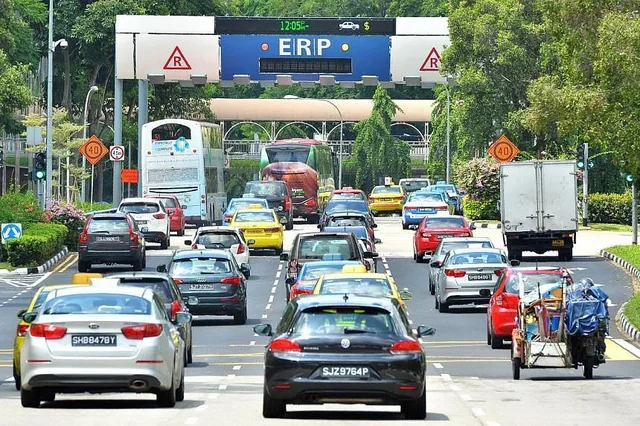
Singapore has always taken road safety seriously. As the number of vehicles grows and traffic gets more complex, the government is rolling out more tech-driven rules to cut down on accidents, speeding, and unsafe driving.
Fleet speed limiter compliance is a big part of this push. The goal? To make sure vehicles don’t go faster than they’re supposed to, especially in areas like school zones, highways, and high-risk urban zones.
These measures are part of broader programs like the Smart Mobility 2030 plan and the Green Plan 2030, where Singapore is working to make transport safer, smarter, and more sustainable.
What Is Fleet Speed Limiter Compliance?
Understanding the foundation of speed control in modern fleet operations
Fleet speed limiter compliance is more than just slowing down vehicles. It’s a regulatory framework combined with technology enforcement that ensures commercial vehicles in Singapore do not exceed specific legal speed limits—regardless of road conditions or driver behavior.
What Is a Speed Limiter?
A Singapore speed limiter is an electronic control system installed in a vehicle that caps the vehicle’s maximum speed. Unlike cruise control—which keeps a steady pace—the limiter prevents the engine from powering the vehicle beyond a programmed threshold.
Even if a driver pushes the accelerator to the floor, the system restricts fuel injection or engine output to enforce speed boundaries.
Modern speed limiters are software-integrated into the vehicle’s Engine Control Unit (ECU) and are often connected to:
-
Global Positioning Systems (GPS)
-
Digital mapping
-
In-vehicle sensors
-
Road sign recognition cameras
This integration allows the system to automatically adjust limits based on the road type, zone rules, or dynamic traffic regulations—a capability known as Intelligent Speed Assistance (ISA).
What Does Compliance Mean in Singapore?
In the context of Singapore’s transport laws, fleet speed limiter compliance refers to mandatory installation, activation, and monitoring of speed-limiting systems in specific categories of commercial vehicles.
It’s not just about having the technology—it must be operational, tamper-proof, and verifiable.
Compliance includes several layers:
-
Hardware installation: The physical and software systems must be installed in each qualifying vehicle.
-
Speed calibration: The limiter must be set according to legal thresholds (e.g., 60 km/h for heavy goods vehicles on urban roads).
-
Driver override prevention: Systems must be protected against manual deactivation or bypass.
-
Data monitoring and reporting: Speed data, along with driver inputs, are logged and often transmitted to fleet management dashboards or regulatory bodies.
-
Audit readiness: Vehicle records, including limiter logs and calibration certificates, must be available for LTA inspections.
Which Vehicles Are Affected?
Singapore’s regulations are targeting vehicle categories that have the greatest risk of speed-related incidents or are operating in densely populated environments. The aim is to minimize fatalities, reduce fuel waste, and improve public safety.
Vehicles required to meet speed limiter compliance include:
-
Public Buses – City buses, shuttle buses, and school transport
-
Heavy Goods Vehicles (HGVs) – Trucks over 3.5 tonnes used in logistics, construction, or industrial transport
-
Delivery Vans – Light commercial vehicles used by courier companies and e-commerce operators
-
Construction Fleet Vehicles – Tippers, cement mixers, and cranes that operate between sites and public roads
-
Company-owned passenger vehicles (when used for ride-hailing, employee transport, or contracted services)
The Role of Technology in Ensuring Compliance
Compliance today isn’t manual—it’s driven by real-time vehicle intelligence. Telematics and ISA systems work together to ensure a vehicle:
-
Knows the local speed limit based on GPS and maps
-
Monitors whether the driver is exceeding limits
-
Triggers alerts or corrective actions when limits are crossed
-
Records events like hard braking, over-speeding, or zone violations
Some systems go further by:
-
Applying geofencing (e.g., reducing speed near schools or hospitals)
-
Integrating with ADAS to warn about tailgating or lane drifting
-
Sending live alerts to fleet managers if a vehicle violates a speed rule
Fleet speed limiter compliance has become part of the larger Vehicle Safety Ecosystem, alongside:
-
Driver behavior analytics
-
Predictive maintenance tracking
-
Environmental impact reporting (e.g., CO₂ from high-speed driving)
What Happens When You’re Not Compliant?
If a fleet does not meet the LTA’s speed compliance requirements, the consequences are serious:
-
Inspection failures during annual checks
-
Hefty fines for fleet operators
-
Suspension of operating permits
-
Liability exposure in case of accidents involving speed
In addition, non-compliant vehicles may be denied insurance claims or excluded from government tenders and public-private transport contracts.
Benefits of Staying Compliant
While speed limiter compliance may seem like a regulatory burden, it delivers several real-world benefits:
-
Fewer accidents due to better speed control
-
Lower fuel consumption and carbon emissions
-
Improved driver accountability
-
Better public image for safety-conscious companies
-
Eligibility for smart fleet certifications and lower insurance premiums
For companies operating in Singapore’s competitive logistics and transport market, being compliant isn’t just about following rules—it’s a strategic advantage.
2025–2026 Regulation Updates
The Land Transport Authority (LTA) of Singapore has introduced a series of important changes to strengthen road safety enforcement through advanced vehicle technology.
These new rules, rolling out between 2025 and mid-2026, are designed to curb speeding among commercial vehicles and reduce road-related incidents through the use of Intelligent Speed Assistance (ISA) and connected telematics systems.
Let’s break down what’s changing — and how it affects fleet operators.
ISA Becomes Mandatory for New Commercial Vehicles (2025 Onward)

Starting January 2025, all newly registered commercial vehicles in Singapore — including heavy goods vehicles, delivery trucks, public buses, school transport, and fleet-operated vans — must come equipped with Intelligent Speed Assistance (ISA).
ISA is an advanced safety feature that uses a combination of:
-
GPS data
-
Onboard speed sensors
-
Digital maps with updated speed zones
-
Camera-based road sign recognition (optional but encouraged)
It works by alerting the driver if they are exceeding the local speed limit and can even automatically reduce engine power to slow the vehicle down if necessary. The goal is to reduce unintentional speeding and ensure compliance even when drivers are unfamiliar with road rules in certain areas (e.g., school zones, construction zones, etc.).
This requirement brings Singapore in line with UN ECE R157 and R155 standards, which are also being adopted across parts of Europe and Asia.
Retrofitting Existing Fleets by Mid-2026
If your fleet was registered before 2025, you’re not exempt. The LTA has announced that existing commercial vehicles must be retrofitted with certified ISA systems no later than July 2026.
This retrofit regulation applies to:
-
Heavy goods vehicles (Class 4 and above)
-
Commercial vans
-
Company-owned passenger transport
-
Vehicles used for ride-hailing and delivery platforms
Fleet operators must engage LTA-approved workshops to install compliant ISA systems and update their Vehicle Log Card records to reflect the upgrade. Failure to retrofit by the deadline could result in:
-
Inspection failures
-
Roadworthiness rejections
-
Suspension of vehicle use
Telematics Data Storage & Sharing Mandate
In addition to ISA, Singapore’s new regulations include strict rules on data management. As part of the Vehicle Telematics Framework, all fleet operators must ensure:
-
Secure storage of telematics data, including speed logs, driver behavior, location tracking, and incident reports
-
Cloud-based data access that can be provided to the LTA or relevant enforcement authorities upon request
-
Tamper-proof systems that prevent manual erasure or data override by drivers or unauthorized parties
This aligns with Singapore’s Personal Data Protection Act (PDPA), so vendors offering ISA or telematics systems must comply with data privacy protocols, including encrypted transmission and user access controls.
Non-Compliance Penalties
The LTA has also laid out strict penalties for companies or drivers who fail to comply with the new rules. These include:
-
Fines up to SGD $10,000 per vehicle for non-retrofitted or non-compliant installations
-
License suspension or revocation for repeat offenders
-
Vehicle impoundment in cases of tampering or illegal removal of ISA hardware
-
Blacklisting of fleet operators from government contracts if found in violation of speed governance protocols
Importantly, tampering with ISA systems (e.g., disabling speed control functions) is now a criminal offense under the Road Traffic Act, with potential jail terms for responsible parties.
Summary of Key Requirements (2025–2026)
| Requirement | Applies To | Deadline | Enforcement |
|---|---|---|---|
| ISA in new vehicles | All commercial vehicle registrations post-2025 | January 1, 2025 | LTA registration process |
| Retrofit ISA in existing fleets | All older commercial fleets | By July 2026 | Annual inspection & audit |
| Secure telematics data sharing | Fleet operators & solution providers | Ongoing | LTA data access compliance |
| Non-compliance penalties | All commercial fleet operators | Immediate | Road Traffic Act & fines |
What This Means for Fleet Owners
These updates mark a major shift toward predictive road safety enforcement. ISA and telematics aren’t just compliance tools—they’re part of a broader push toward smart mobility, data-driven risk reduction, and urban transport sustainability.
Fleet managers need to:
-
Audit their current systems
-
Plan for ISA upgrades
-
Partner with compliant technology providers
-
Train drivers to adapt to speed-assisted systems
Being proactive today could save huge costs, reduce legal risk, and build trust with customers and regulators tomorrow.
Market Insights: What’s Happening in the Industry
Many fleet operators in Singapore are already ahead of the curve. They’re adding speed limiters not just because it’s the law, but because it improves safety and efficiency.
Here are some insights:
-
Logistics companies are among the fastest adopters.
-
Bus operators are upgrading older fleets with smart control systems.
-
Insurance companies now offer lower premiums to fleets with ISA and ADAS (Advanced Driver Assistance Systems).
The market is also seeing growth in vehicle IoT (Internet of Things) and connected vehicle platforms, which allow managers to monitor everything from speed to driver fatigue in real time.
Telematics & AI: The New Backbone of Compliance
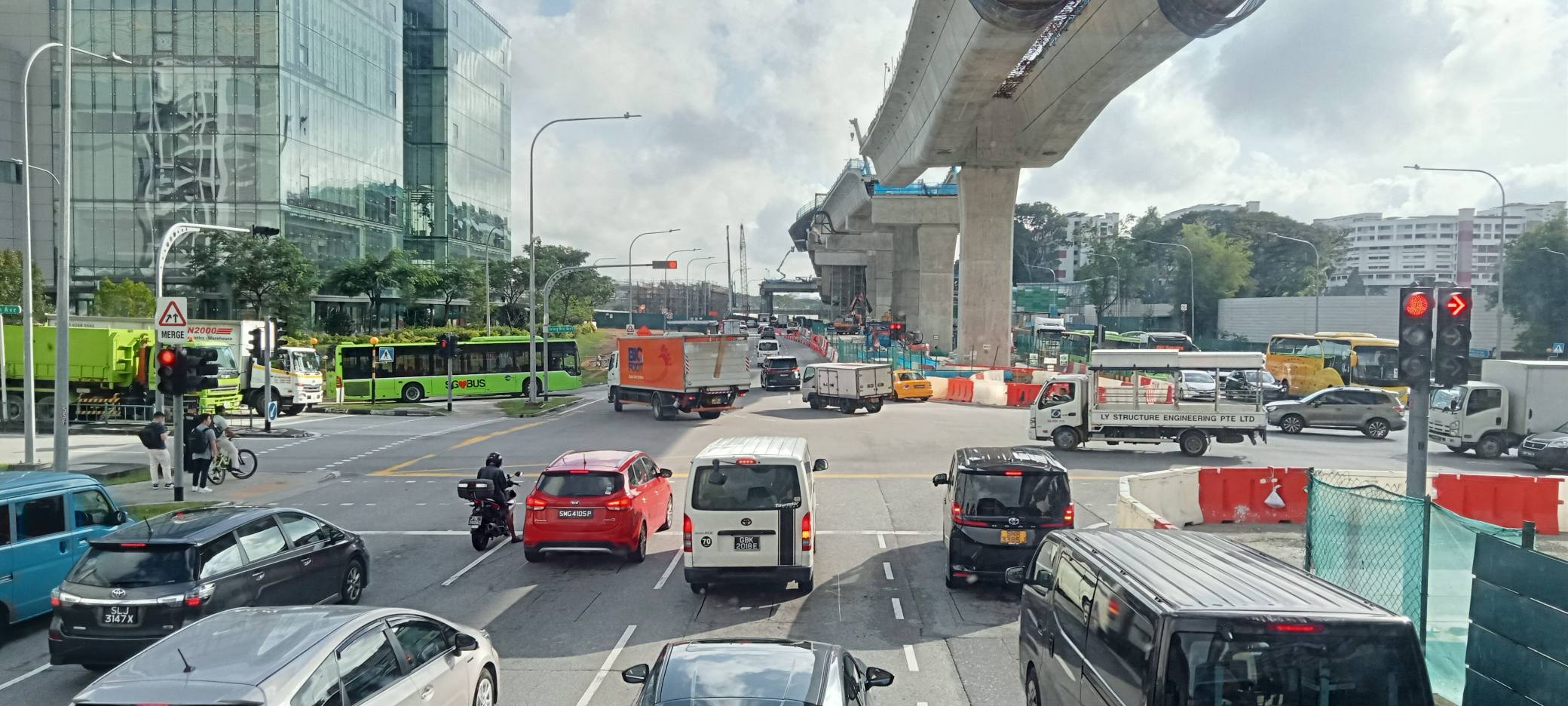
Smart technology that empowers safer, faster, and fully compliant fleet operations
Fleet compliance in 2026 isn’t just about obeying the rules—it’s about predicting and preventing violations before they happen. That’s where telematics and artificial intelligence (AI) come in. Together, they form the foundation of a modern fleet’s ability to meet regulatory demands, manage operational risk, and improve road safety across the board.
What Is Telematics?
Telematics is the fusion of telecommunications and informatics. It allows real-time transmission of data between a vehicle and a remote system—usually a fleet management platform in the cloud.
Inside every telematics-enabled vehicle, there’s a hardware control unit (TCU) or black box that collects data from:
-
The engine control unit (ECU)
-
GPS navigation system
-
Onboard diagnostics (OBD-II) port
-
Sensors monitoring speed, acceleration, fuel use, and more
This data is sent in real-time to a centralized dashboard, where fleet managers can monitor:
-
Vehicle speed vs. legal limits
-
Driver acceleration, harsh braking, and cornering
-
Route efficiency and unauthorized detours
-
Engine health and maintenance needs
By capturing these metrics, telematics systems provide a 360-degree view of vehicle and driver behavior, which is essential for speed compliance and regulatory audits.
Where AI Transforms Compliance
While telematics gives you data, AI gives you foresight. Artificial intelligence processes vast amounts of real-time driving data and identifies patterns, anomalies, and predictive risks.
For example:
-
If a driver frequently exceeds speed limits in school zones, the system flags them for coaching or automated intervention.
-
AI models can detect fatigue indicators based on erratic driving patterns.
-
Predictive alerts warn of impending mechanical issues, like brake failure risks, long before a dashboard light appears.
In other words, AI doesn’t just record what happened—it tells you what might happen next, and gives you time to act.
This proactive approach shifts fleets from reactive compliance to predictive safety management—a massive advantage in today’s high-stakes logistics environment.
How This Technology Drives Compliance
In the context of Singapore’s speed limiter regulations, telematics and AI support compliance in four critical ways:
1. Automated Speed Monitoring
Every movement of the vehicle is tracked against real-time speed limit data using:
-
Digital maps
-
Geofencing zones
-
ISA-enabled alerts
If the vehicle exceeds a threshold, the system logs it, notifies the driver, and can auto-limit speed using speed governance systems.
2. Driver Behavior Analytics
With AI-powered driver scoring, fleet managers can:
-
See who’s driving too fast, too aggressively, or erratically
-
Identify training needs
-
Reduce liability by addressing risky behavior before an accident occurs
3. Live Alerts and Escalation
Fleet operators receive instant alerts if:
-
Speed thresholds are breached
-
A vehicle enters a restricted zone too fast
-
The ISA system is tampered with or overridden
Alerts can be configured by severity—so a low-priority alert might be logged for weekly review, while a high-risk alert triggers real-time interventions.
4. Regulatory Reporting Made Easy
All trip data is logged and stored, creating audit-ready digital records. These reports are:
-
Tamper-proof
-
Automatically tagged by vehicle ID, driver ID, and route
-
Ready for LTA inspections or insurance claims
In short, this technology ensures you’re always in compliance, without needing constant manual oversight.
Why AI + Telematics Are a Strategic Asset
Investing in smart compliance isn’t just about ticking boxes—it’s about getting better:
-
Improved road safety: Lower accident rates due to real-time interventions
-
Reduced fuel costs: Optimized routes and smoother driving behavior
-
Better insurance premiums: Proof of safe, compliant driving reduces risk
-
Fleet efficiency: Less downtime, more predictable operations
In fast-paced industries like logistics, delivery, ride-hailing, and construction transport, this tech separates leading operators from lagging ones.
The Resolute Dynamics Advantage
Companies like Resolute Dynamics are setting new standards in this space. Their end-to-end solutions combine AI, real-time data processing, and automation—all built specifically for fleet safety and compliance in Asia and the Middle East.
Here’s what their tech delivers:
-
AI-powered ADAS (Advanced Driver Assistance Systems): Recognizes speed limit signs, monitors driver attention, and issues in-cabin alerts
-
Real-time telematics platforms: Central dashboards give operators full control and visibility into vehicle and driver data
-
Intelligent speed control systems: Automatically manage speed across geo-zones, road types, and traffic conditions
These systems are trusted by over 5,000 fleet operators across 20+ countries, including high-compliance regions like the UAE, India, and now Singapore.
Moving From Reactive to Predictive Compliance
Traditional fleet management reacts to violations after they happen—when it’s too late. But with AI + telematics:
-
Over-speeding can be stopped in real time
-
Dangerous behavior can be predicted and prevented
-
Compliance becomes automatic, not burdensome
And that’s exactly what Singapore’s smart mobility future requires.
How Resolute Dynamics Supports Compliance in Singapore
Resolute Dynamics is already helping fleets across Asia, the UAE, and MENA regions with smart safety solutions. In Singapore, their systems are well-matched to LTA’s latest compliance needs.
Here’s how they help:
-
ISA integration: Vehicles automatically stay within the speed limit.
-
Vision-based AI: Detects road signs, lanes, and obstacles in real-time.
-
Cloud data: Managers can access insights on driver behavior, speed trends, and compliance reports from anywhere.
Trusted by over 5,000 clients and used in more than 200,000 vehicles, Resolute Dynamics combines hardware, software, and AI into one powerful package.
Why Compliance Matters for Fleet Operators
Besides avoiding fines, there are major advantages to being compliant:
-
Fewer accidents mean safer drivers and lower repair costs.
-
Better insurance rates from insurers who value proactive safety.
-
Fuel savings thanks to optimized driving behavior.
-
Improved public trust, especially for companies handling school buses or essential deliveries.
When you control speed, you control risk. And when you add data to the mix, you control everything else too—costs, downtime, even carbon emissions.
Challenges to Overcome
Of course, no transition is easy. Many fleets face hurdles like:
-
High cost of retrofitting older vehicles with ISA or ADAS.
-
Driver resistance to change or surveillance.
-
Data security concerns, especially with cloud storage and telematics.
But solutions are available. Training programs help drivers see the benefits. Cloud providers now offer strong data encryption and privacy tools. And long-term savings often outweigh the upfront costs.
Looking Ahead: The Future of Fleet Compliance in Singapore
Singapore is not slowing down. We’re heading toward a future where all vehicles are connected, monitored, and even self-regulated. Expect more innovations like:
-
Geofencing speed control (automatic speed limits by zone)
-
Driver scorecards that track safety performance
-
Integration of autonomous driving features into compliance tools
As cities become smarter, fleets must keep up. Compliance won’t just be about following the law—it’ll be about staying competitive.
Final Thoughts
Speed limiter compliance in Singapore isn’t just about avoiding tickets. It’s about protecting lives, lowering costs, and preparing your fleet for the future. With strong government support, smart technology, and partners like Resolute Dynamics, the road ahead is clear.
Whether you’re running 10 trucks or 1,000 buses, now’s the time to gear up for compliance—and gain all the benefits that come with it.