
When I talk to logistics operators across Saudi Arabia, one topic always comes up — speed. Not just how fast goods move, but how safely and legally vehicles operate on the road.
Speed compliance in the Saudi logistics sector is no longer optional. It sits at the intersection of road safety, fleet management, regulatory enforcement, and operational efficiency. With rapid infrastructure growth, cross-border trade expansion, and Vision 2030 accelerating logistics transformation, transport companies must ensure every vehicle adheres to regulated speed limits.
Speed compliance today means more than avoiding fines. It means protecting drivers, preserving cargo integrity, reducing operational risk, and strengthening corporate governance.
Saudi Arabia’s Logistics Regulation Landscape

Saudi Arabia’s logistics sector does not operate in isolation. It functions within a highly structured regulatory architecture designed to enhance road safety, strengthen freight governance, and modernize transport infrastructure. Over the last decade, this framework has become more digitized, data-driven, and enforcement-oriented.
At the center of this ecosystem is the Transport General Authority (TGA). The TGA regulates land transport activities, licenses carriers, sets operational standards, and supervises compliance mechanisms for commercial fleets. It plays a pivotal role in ensuring that freight operators meet technical and safety requirements — including speed regulation policies for heavy vehicles.
Alongside the TGA, the Ministry of Transport and Logistic Services oversees national transport infrastructure, highway development, and logistics integration. Its mandate extends beyond roads; it shapes multimodal connectivity, port access, and supply chain corridors that support economic diversification.
Enforcement on the ground is carried out by the Saudi Traffic Police, which monitors road behavior, issues violations, and ensures compliance with traffic laws. With the expansion of automated surveillance systems and electronic violation detection, enforcement has become increasingly technology-based rather than manual.
The Strategic Shift Under Vision 2030
Under Saudi Vision 2030, logistics has been elevated to a strategic national priority. The Kingdom aims to become a global logistics hub linking three continents. This ambition requires more than infrastructure investment; it requires regulatory sophistication.
Vision 2030 emphasizes:
-
Supply chain efficiency
-
Road safety reduction targets
-
Freight reliability
-
Private-sector participation
-
Digital transformation
Speed compliance fits directly into these objectives. A logistics hub cannot thrive on unpredictable road risks or inconsistent fleet governance. Safe, standardized, and monitored transport corridors are essential to building international trade confidence.
Regulatory Structure and Fleet Licensing
Commercial transport operators in Saudi Arabia must comply with licensing procedures that validate:
-
Vehicle roadworthiness
-
Driver qualifications
-
Fleet registration
-
Insurance coverage
-
Technical compliance systems
Heavy trucks, buses, and freight carriers are often subject to additional oversight due to their higher risk profile. Speed limiter installation may be required depending on vehicle classification and operational category.
Fleet operators must also maintain documented compliance records. These records may include:
-
Telematics reports
-
Speed monitoring logs
-
Maintenance audits
-
Safety training documentation
This layered compliance model ensures that responsibility is shared between regulators and operators.
Digitized Fleet Monitoring and Telematics Enforcement
Saudi Arabia has steadily transitioned toward intelligent transport systems (ITS). Digital monitoring is no longer optional; it is increasingly embedded in compliance strategy.
Key components include:
-
GPS-based fleet tracking
-
Real-time speed monitoring
-
Automated violation detection
-
Electronic reporting systems
Telematics integration allows regulators and fleet managers to monitor vehicle velocity patterns, route deviations, and driver behavior metrics. This creates a continuous compliance loop rather than sporadic enforcement.
The shift toward digital governance reduces ambiguity. Speed violations can be validated through data logs rather than subjective observation.
Road Safety Modernization
Road safety modernization has become a national objective. Heavy vehicles traveling between Riyadh, Jeddah, Dammam, and industrial zones contribute significantly to freight mobility — but also carry heightened risk due to mass and stopping distance.
Speed compliance supports modernization efforts by:
-
Reducing collision severity
-
Improving highway flow stability
-
Minimizing cargo spillage incidents
-
Enhancing braking system longevity
The regulatory emphasis is preventive rather than punitive. The objective is systemic risk mitigation across the freight network.
Transparent Compliance Reporting
Transparency has become a defining feature of Saudi Arabia’s regulatory evolution. Compliance reporting now relies on structured data rather than manual documentation.
Fleet operators may be required to:
-
Submit digital transport records
-
Maintain traceable audit trails
-
Demonstrate adherence to safety standards
-
Provide speed monitoring documentation during inspections
This data-centric oversight model increases accountability while enabling performance benchmarking across the sector.
Standardized Transport Governance
Speed compliance is not an isolated requirement. It operates within a broader governance matrix that includes:
-
Vehicle weight regulations
-
Emissions standards
-
Driver working-hour policies
-
Cross-border freight documentation
By aligning speed regulation with these frameworks, Saudi Arabia promotes harmonized transport governance. The objective is consistency — whether a vehicle operates domestically or across GCC trade corridors.
What Is Speed Compliance in Logistics?
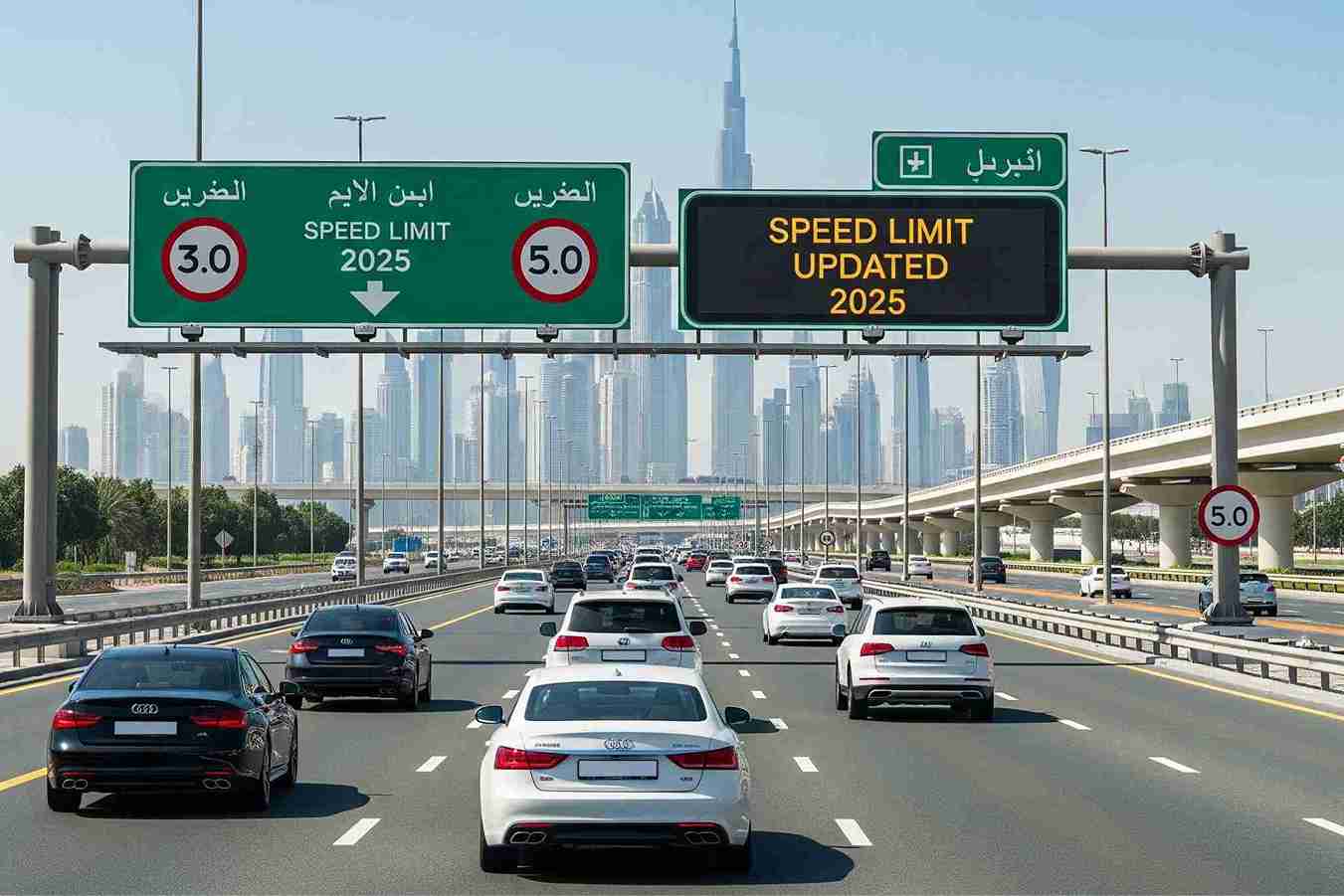
Speed compliance in logistics means ensuring commercial vehicles operate within legally defined speed thresholds using technological and procedural controls.
It includes:
-
Speed limit adherence on highways and urban roads
-
Real-time telematics tracking
-
Automated violation reporting
-
Driver behavior monitoring
Modern compliance systems integrate GPS telemetry, engine control modules (ECM), and digital tachograph-style monitoring. These systems create a digital footprint of vehicle behavior — including harsh braking, rapid acceleration, and overspeeding events.
In simple terms, speed compliance turns fleet safety into measurable data.
Regulatory Drivers in the Saudi Market
Saudi Arabia enforces strict road safety policies to reduce traffic fatalities and heavy vehicle accidents. Commercial transport vehicles are subject to speed restrictions, particularly trucks and buses operating between cities.
Regulatory enforcement includes:
-
Mandatory speed-limiting devices for heavy vehicles
-
Inspection checkpoints
-
Automated traffic monitoring systems
-
Electronic violation systems
Authorities such as Saudi Traffic Police monitor compliance through advanced road surveillance networks.
Failure to comply may result in:
-
Financial penalties
-
Vehicle impoundment
-
Suspension of fleet licenses
-
Increased insurance premiums
Compliance is not just a legal requirement — it protects operational continuity.
Why Speed Compliance Matters for Logistics Operators

Speed compliance is not just about following traffic rules. In the Saudi logistics environment, it directly affects safety metrics, operational resilience, cost control, and long-term competitiveness. When fleets operate across long desert highways, industrial corridors, and urban congestion zones, speed discipline becomes a structural advantage.
Below is a deeper look at why speed compliance carries strategic importance.
1. Road Safety and Risk Reduction
High speeds dramatically increase stopping distance. A fully loaded heavy-duty truck can weigh over 40 tons. At excessive velocity, braking distance expands exponentially — not linearly. This creates a dangerous kinetic energy multiplier effect.
In Saudi Arabia’s freight corridors — especially routes connecting industrial cities, ports, and distribution hubs — vehicles often transport:
-
Petrochemicals
-
Construction materials
-
Temperature-sensitive goods
-
Consumer retail freight
-
Hazardous materials
Overspeeding in such conditions can lead to catastrophic externalities.
Collision Probability
When a vehicle exceeds regulated speed thresholds, reaction time shrinks. Drivers have fewer seconds to respond to:
-
Sudden lane shifts
-
Sand accumulation on highways
-
Heavy vehicle merges
-
Sudden braking ahead
Speed compliance reduces collision probability by creating predictable vehicle behavior. Predictability lowers systemic road risk.
Vehicle Rollover Risk
High center-of-gravity vehicles — such as tankers and container trucks — are vulnerable to lateral instability. Excessive speed during curve negotiation increases centrifugal force, which can trigger rollover events.
Maintaining regulated speed:
-
Improves cornering stability
-
Reduces load shift inside trailers
-
Minimizes cargo displacement
This is especially critical for articulated trucks operating across long-haul desert routes.
Driver Fatigue Mitigation
Driving at excessive speed increases cognitive load. Drivers remain in a heightened state of stress, constantly correcting steering and braking patterns. Over long distances, this leads to fatigue-induced impairment.
Speed governance promotes smoother driving patterns, reducing:
-
Adrenaline spikes
-
Abrupt maneuvering
-
Continuous acceleration-deceleration cycles
Fatigue management is not only a health issue — it is a compliance priority.
Brake System and Mechanical Integrity
Frequent high-speed braking generates thermal stress in braking systems. Overheated brakes reduce stopping effectiveness and accelerate component wear.
Controlled speed:
-
Preserves brake lining integrity
-
Reduces disc warping
-
Enhances mechanical longevity
From a risk mitigation perspective, speed compliance is preventative maintenance in motion.
Ultimately, safety-first fleet culture begins with disciplined velocity management. It signals that human life, cargo integrity, and road users are prioritized over haste.
2. Operational Efficiency
There is a common misconception in logistics: faster driving equals faster delivery. In practice, overspeeding often produces operational inefficiency rather than productivity.
Fuel Efficiency Optimization
Aerodynamic drag increases significantly at higher speeds. The relationship between speed and fuel consumption is nonlinear. Even a modest increase above regulated limits can disproportionately elevate fuel burn rates.
Maintaining controlled speed:
-
Reduces fuel volatility
-
Improves mileage consistency
-
Stabilizes operational expenditure
Over long-haul routes across Riyadh, Jeddah, and Dammam corridors, these incremental savings compound into substantial cost reductions.
Tire Longevity and Asset Preservation
Tires are one of the highest recurring fleet expenses. Excessive speed increases:
-
Heat generation
-
Tread wear
-
Blowout probability
Speed compliance lowers rolling resistance stress and extends tire lifecycle. This improves total cost of ownership (TCO) calculations.
Engine and Transmission Health
Erratic acceleration patterns create torque surges that strain engine and transmission systems. Over time, this leads to:
-
Gearbox degradation
-
Clutch wear
-
Lubrication breakdown
Controlled speed stabilizes RPM levels, protecting drivetrain components and enhancing mechanical resilience.
Predictable Delivery Schedules
Speed compliance actually improves predictability. When fleets operate within standardized parameters, route planning becomes more accurate. Dispatchers can forecast arrival times with greater precision.
This reduces:
-
Last-minute route adjustments
-
Driver overtime risks
-
Supply chain disruption
Efficiency is not about velocity — it is about consistency.
3. Corporate Reputation and Trust
In today’s logistics ecosystem, clients evaluate more than pricing. They assess safety records, compliance metrics, and operational transparency.
A fleet known for structured speed governance demonstrates:
-
Professional discipline
-
Regulatory conformity
-
Data transparency
-
Risk awareness
This strengthens market positioning.
Client Due Diligence and Compliance Audits
Large corporations increasingly conduct vendor risk assessments before awarding contracts. These assessments may include:
-
Safety performance indicators
-
Incident frequency rates
-
Telematics monitoring capabilities
-
Regulatory compliance documentation
Speed compliance data logs provide measurable proof of operational discipline.
Insurance and Financial Credibility
Insurers assess fleet behavior patterns when underwriting policies. Documented compliance can reduce perceived risk exposure.
Lower risk profiles support:
-
Favorable insurance negotiations
-
Reduced liability concerns
-
Improved financial predictability
Competitive Differentiation
In sectors such as:
-
E-commerce fulfillment
-
Industrial supply chains
-
Cross-border GCC freight
-
Temperature-controlled logistics
Trust capital determines contract continuity.
A compliant fleet signals reliability. Clients feel confident that goods will arrive safely, without legal complications or reputational exposure.
The Strategic Impact
Speed compliance influences three fundamental dimensions:
-
Human safety
-
Asset protection
-
Commercial credibility
It is not a restrictive control mechanism. It is a governance framework that aligns logistics performance with safety modernization and regulatory expectations.
In a rapidly evolving Saudi logistics sector, disciplined speed management is not a limitation. It is a strategic enabler of sustainable growth, operational stability, and long-term trust.
Technology Solutions Powering Speed Compliance
Technology has reshaped how fleets operate. Traditional manual oversight has evolved into intelligent compliance ecosystems.
Telematics and GPS Monitoring
Fleet telematics systems provide:
-
Live speed tracking
-
Geofencing alerts
-
Route optimization
-
Driver scorecards
They transform raw vehicle data into actionable insights.
Speed Limiters and Governors
Modern vehicles use electronic speed governors connected to engine control units. These systems cap maximum speed regardless of acceleration input.
Advanced dual-speed limiter systems allow configuration for:
-
Urban zones
-
Highway corridors
-
Restricted industrial areas
This adaptive calibration supports regulatory conformity without compromising logistics flow.
Data Analytics and Predictive Monitoring
Artificial intelligence now identifies behavioral anomalies. Predictive analytics can detect high-risk driving patterns before accidents occur.
This proactive compliance model is far more effective than reactive penalty management.
Benefits of Speed Compliance for Fleet Operators
Speed compliance delivers tangible business advantages.
Reduced Legal Exposure
Accidents involving commercial vehicles often trigger legal investigations. Speed compliance data logs provide clear evidence of adherence to regulations.
Lower Insurance Premiums
Insurers evaluate risk profiles. A documented compliance history can support favorable underwriting assessments.
Improved Asset Longevity
Controlled speeds reduce:
-
Engine wear
-
Transmission stress
-
Brake degradation
The result is extended vehicle lifecycle and improved return on investment.
Enhanced Fuel Economy
Aerodynamic drag increases exponentially at higher speeds. Maintaining regulated speeds significantly improves fuel efficiency — especially across long-haul routes between Riyadh, Jeddah, and Dammam.
Challenges in Enforcing Speed Compliance
Despite technological advancement, some operational barriers remain.
Driver Resistance
Behavioral change is often the hardest part. Drivers accustomed to aggressive schedules may initially resist digital oversight.
Transparent communication and incentive programs can ease this transition.
Data Integration Complexity
Fleet systems must integrate with:
-
Enterprise Resource Planning (ERP) platforms
-
Transport Management Systems (TMS)
-
Regulatory compliance portals
Fragmented systems can create reporting silos.
Infrastructure Variability
Speed limits vary across regions and road types. Accurate geo-mapping is essential for effective enforcement.
Best Practices for Implementing Speed Compliance
From experience in logistics safety programs, certain strategies consistently deliver results.
Establish Clear Fleet Policies
Written compliance policies should define:
-
Maximum speed thresholds
-
Monitoring procedures
-
Disciplinary actions
-
Incident reporting processes
Clarity eliminates ambiguity.
Invest in Driver Training
Training should cover:
-
Defensive driving
-
Fatigue management
-
Compliance awareness
-
Telematics interpretation
Drivers should understand that compliance protects them personally.
Use Real-Time Alerts
Immediate notifications for overspeed events allow supervisors to intervene before patterns escalate.
Audit and Review Data Regularly
Quarterly compliance audits help identify systemic issues and recurring violations.
Continuous refinement strengthens fleet discipline.
The Future of Speed Compliance in Saudi Arabia
Saudi Arabia’s logistics sector is entering a digital acceleration phase. Smart highways, AI-powered enforcement systems, and connected vehicle ecosystems are reshaping road transport.
Speed compliance will increasingly rely on:
-
Vehicle-to-infrastructure communication
-
Autonomous fleet monitoring
-
Blockchain-based compliance records
-
Integrated safety dashboards
As Vision 2030 progresses, compliance will not be viewed as a burden. It will be a competitive differentiator.
Companies that adopt intelligent speed governance today position themselves ahead of regulatory shifts tomorrow.
Conclusion
Speed compliance in the Saudi logistics sector is more than a legal checkbox. It is a strategic framework for safety, operational resilience, and sustainable growth.
By combining regulatory awareness, telematics intelligence, disciplined fleet management, and driver engagement, logistics operators can build safer roads and stronger businesses.
In a rapidly modernizing transport landscape, controlled speed is not a limitation. It is a catalyst for long-term success.