
In the fast-moving world of logistics, speed is often seen as a strength. The quicker the delivery, the happier the customer. But what if I told you that slowing down—just a little—could actually make your business more profitable?
That’s exactly what speed limiters do. These small but powerful devices are changing the way logistics companies operate, helping fleets save money, stay safe, and run smarter.
Let’s take a deep dive into how speed limiters offer a strong return on investment (ROI) for logistics companies.
Why Speed Matters in Logistics
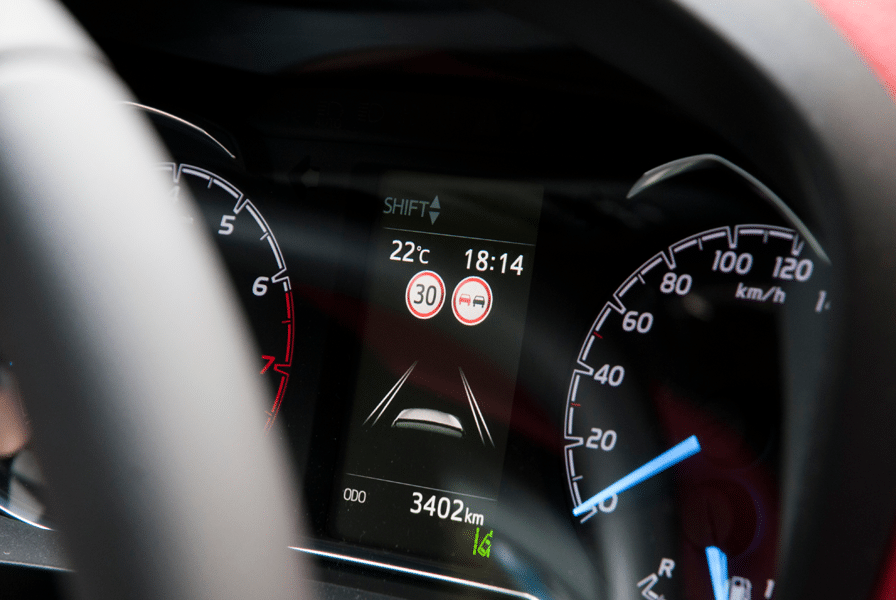
In logistics, time is money. But speed also comes with a cost—fuel burn, mechanical wear, and, unfortunately, accidents. While hitting deadlines is important, running trucks at high speeds all the time can drain your profits over the long run.
Many logistics managers are now rethinking their strategy. Speed limiters, which control the maximum speed a vehicle can travel, are becoming a smart way to balance performance with long-term savings and safety.
What Are Vehicle Speed Limiters?
A speed limiter is a small electronic device installed in a vehicle to cap its top speed. It works by communicating with the engine control unit (ECU) to restrict fuel flow once a preset speed is reached. Some advanced systems like dual speed limiters or adaptive limiters can adjust based on terrain, road type, or even zones like school areas.
At Resolute Dynamics, for example, these devices are engineered with precision and can be customized to meet specific fleet requirements. They are designed not just to limit speed, but to enhance the overall performance and reliability of your fleet.
How Speed Limiters Save Money
In the logistics industry, every drop of fuel and every mile of wear matters. Even a small inefficiency, when multiplied across hundreds of vehicles and thousands of kilometers, can cost a company thousands of dollars every year. Speed limiters offer one of the most practical and often overlooked ways to cut operational expenses across your fleet.
Let’s explore exactly how these compact devices help logistics companies boost their bottom line—consistently and measurably.
1. Fuel Efficiency: Cutting Fuel Burn Without Cutting Corners
Fuel costs are usually the largest recurring expense in fleet operations—often making up 25% to 40% of a trucking company’s total budget. What many fleet managers overlook is how much speed impacts fuel burn.
The faster a truck goes, the more aerodynamic drag it faces. For instance, increasing speed from 65 mph to 75 mph can increase fuel consumption by up to 27%. That’s not speculation—it’s physics. And it hits your wallet hard.
Now, let’s look at an example:
-
A long-haul truck traveling 120,000 miles a year, averaging 6.5 mpg at high speeds.
-
With speed limiting to 65 mph, the same truck might achieve 7.4 mpg or more.
-
That extra 0.9 mpg translates to over 1,800 gallons of fuel saved annually per truck.
At $4 per gallon (a conservative estimate in most regions), that’s over $7,000 saved per vehicle per year—just from reducing cruising speed. Multiply that by 50 or 100 trucks, and the numbers become staggering.
Speed limiters enforce this consistently, ensuring no driver unintentionally wastes fuel by speeding.
2. Reduced Wear and Tear: Less Speed, More Life
Mechanical systems are like the human body—they wear down faster under stress. When a truck moves faster, it doesn’t just burn more fuel; it also wears out engines, transmissions, tires, and brakes more quickly.
Here’s how speed limiters help reduce mechanical wear:
-
Engine Stress: Running an engine at high RPMs for extended periods heats up components and leads to premature failures.
-
Brake Longevity: Braking at high speeds generates more heat and friction, reducing brake pad and rotor lifespan.
-
Tire Degradation: Tires driven over 70 mph heat up significantly, leading to faster tread wear and a higher risk of blowouts.
-
Suspension & Steering: Frequent hard braking and fast cornering at speed can knock components out of alignment and increase maintenance cycles.
By enforcing a top speed—say, 65 km/h or 100 km/h—speed limiters prevent aggressive driving habits that silently eat away at your fleet’s mechanical health.
This leads to:
-
Fewer unscheduled repairs
-
Longer service intervals
-
Less downtime
-
Better asset utilization
3. Fewer Fines and Lower Insurance Premiums: Safety Pays
Speeding fines aren’t just a nuisance—they’re a sign of systemic risk exposure. Repeated violations can tarnish a company’s safety record, trigger audits, and lead to rising insurance premiums or even loss of coverage in some cases.
Here’s how speed limiters protect your bottom line:
-
Fewer Traffic Violations: A vehicle can’t exceed the speed limit if it’s physically unable to. This leads to a noticeable drop in citations for speeding or reckless driving.
-
Improved CSA Scores (U.S.): In the U.S., a better Compliance, Safety, Accountability (CSA) score can reduce inspections and keep your fleet off enforcement radars.
-
Insurance Savings: Insurers reward safer fleets. Some providers offer fleet insurance discounts of up to 15% for companies that use speed-limiting and GPS-based monitoring technology.
-
Reduced Legal Exposure: Fewer speeding-related accidents means fewer lawsuits, settlements, and liability claims—which can cost companies millions.
Consider this: A single speeding ticket for a commercial driver can cost a company up to $2,000 in total impact, once you include increased premiums, driver downtime, and administrative follow-ups.
Multiply that by multiple drivers, and the hidden costs add up fast.
Improving Fleet Safety and Compliance
Safety isn’t just about avoiding accidents—it’s also about protecting your brand, your people, and your bottom line. Speed limiters reduce the chance of high-speed crashes, which are often the most serious. This leads to:
-
Fewer accidents
-
Lower injury risk for drivers and others
-
Less damage to goods and vehicles
In many regions, speed limiters are now required by law for commercial vehicles, especially in school transport or heavy haulage. By staying compliant, you avoid penalties and demonstrate responsibility as a fleet operator.
Resolute Dynamics, for example, designs certified speed limiting systems that meet government regulations across different countries. That helps businesses stay compliant without sacrificing performance.
GPS Tracking Integration: Unlocking Greater ROI
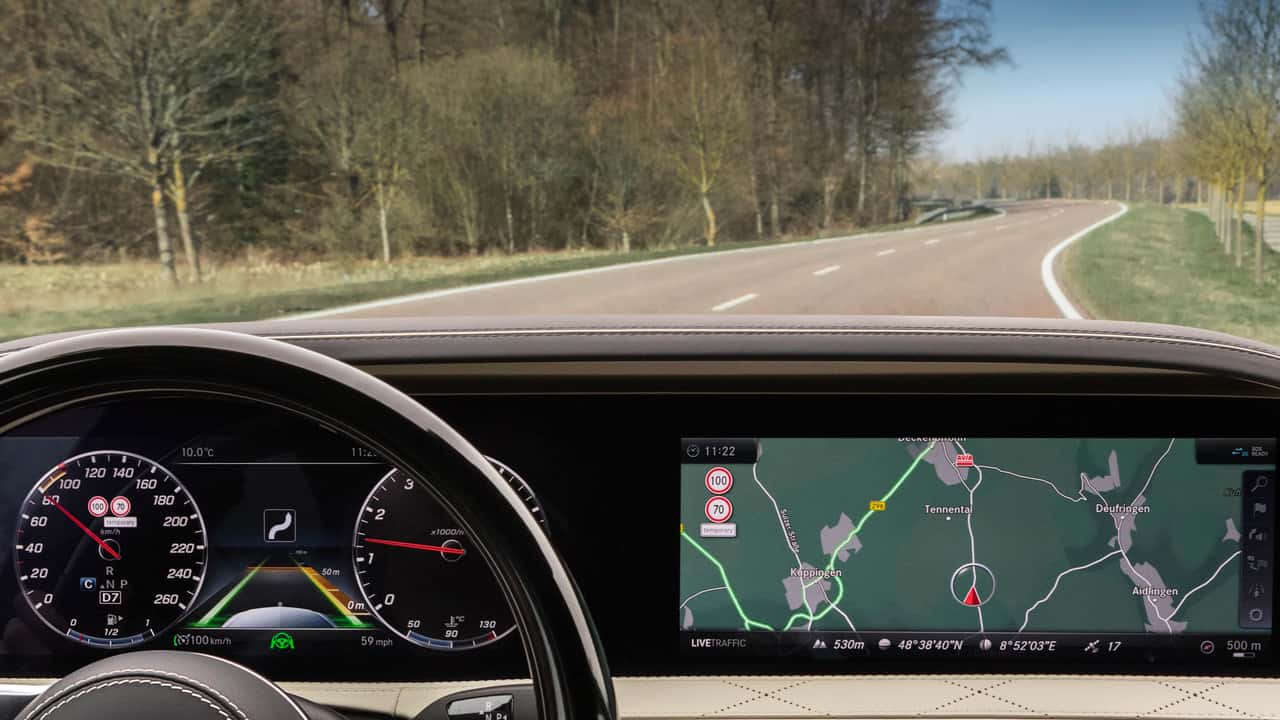
When it comes to managing a logistics fleet, visibility is power. Knowing where your vehicles are, how fast they’re going, and how your drivers are behaving on the road gives you full control.
Now, imagine combining that visibility with the control of a speed limiter. Together, these two technologies form a powerful system that not only improves safety—but also unlocks a higher return on investment across the entire fleet.
Let’s break down how GPS tracking and speed limiters work together to save time, money, and stress.
Real-Time Monitoring: Eyes on Every Mile
GPS tracking systems give you real-time access to your fleet’s movement. You can see the exact location, speed, route, and driver activity of every vehicle, all from a single dashboard.
Now pair that with speed limiter data.
When a vehicle is approaching the programmed speed limit, the system records that event. If a driver attempts to override the limiter (in older mechanical systems), or if the vehicle is consistently operating near the threshold, you get instant alerts. This helps you:
-
Identify risky driving behavior before it leads to accidents
-
Spot patterns like excessive idling, hard braking, or speeding
-
Take action fast with real-time alerts
This integrated visibility turns data into actionable insights—empowering fleet managers to reduce risks and improve efficiency on the go.
Optimized Routing and Dispatching
When GPS tracking works hand in hand with a speed limiter system, it helps your dispatch team plan smarter. Let’s say a delivery route consistently involves traffic jams or school zones. With GPS data and historical speed tracking, dispatchers can reroute vehicles through less congested areas—saving time and fuel.
Here’s what it allows you to do:
-
Avoid delays due to known road restrictions or zones
-
Balance workload by assigning jobs based on vehicle proximity
-
Reduce delivery windows with precise ETAs
Speed limiters ensure drivers follow safe speeds, while GPS systems ensure those speeds happen on the best possible routes. The result? On-time deliveries with lower stress on both the driver and the truck.
Prevent Unauthorized Use of Vehicles
Every mile driven off-route is a mile that wastes fuel, adds wear and tear, and potentially exposes your business to legal or liability risks.
With GPS + speed limiter integration, you can:
-
Set geofences (virtual boundaries) for where vehicles should operate.
-
Get alerts if a truck is driven outside approved zones or after working hours.
-
Disable or restrict speed outside designated areas (depending on the limiter model).
This is especially useful for companies operating in regions with theft risks or strict regulatory zones—like mining areas, border crossings, or urban low-emission zones.
By reducing unauthorized usage, you also reduce hidden costs and improve accountability.
Better Driver Accountability and Behavior Tracking
Drivers are more cautious when they know their performance is being tracked—not just by speed but also by time, route, and efficiency.
With an integrated system, you can monitor:
-
Idle time
-
Route compliance
-
Harsh acceleration or braking
-
Speed limiter thresholds breached
Many fleets use this data to create driver scorecards—a simple performance report that shows which drivers are operating safely and efficiently. These scorecards can be tied to reward programs, helping to build a stronger safety culture within your team.
This doesn’t just improve individual performance—it lowers accident rates, reduces vehicle abuse, and leads to long-term savings across the entire operation.
Improved Delivery Time Accuracy and Customer Satisfaction
Late deliveries are costly—both in money and reputation. By tracking vehicle speeds and movements in real-time, you can provide accurate ETAs to customers and quickly react to delays caused by traffic or road conditions.
Even better, the system logs historical performance. Over time, you can analyze delivery patterns, improve scheduling, and forecast delivery times with more confidence.
And because the speed limiter ensures consistent driving behavior, it reduces the unpredictability caused by individual driver habits. That means fewer surprises, fewer delays, and happier customers.
Customization and Scalability for Fleet Needs
No two logistics companies are exactly alike. Some fleets haul goods across long highways for hundreds of miles each day, while others navigate tight city streets making multiple short stops. Some deal with unpredictable terrain—hills, deserts, rural zones—while others stick to highly regulated industrial corridors. Because of this variety, a one-size-fits-all speed limiter simply doesn’t work.
That’s where customization and scalability come into play.
Smart logistics operators need solutions that can adapt to their operational realities, not the other way around. Whether you run five delivery vans or manage a multi-country commercial fleet, a flexible speed limiter system ensures you get safety and savings—without sacrificing performance.
Why Customization Matters in Fleet Technology
Let’s say you’re managing a fleet that includes:
-
Long-haul trucks for intercity deliveries
-
Box trucks or sprinters for last-mile urban delivery
-
Specialty vehicles like tankers, refrigerated units, or construction rigs
Each of these vehicles:
-
Drives in different environments
-
Follows different compliance rules
-
Requires different speed profiles
Using a generic speed limiter across such a diverse fleet can cause serious inefficiencies. For example:
-
A rigid limiter might slow down trucks unnecessarily on empty highways.
-
Urban vehicles may need to adjust speeds frequently due to school zones or pedestrian-heavy areas.
-
Specialty units may require speed adjustments based on cargo type or road condition.
Custom speed limiter configurations solve this problem by giving you control over:
-
Speed thresholds per vehicle or route
-
Geo-specific speed restrictions (e.g., slower speeds near depots or schools)
-
Dynamic control settings for payload or terrain
This level of flexibility helps improve driver safety and fleet performance, while still maintaining regulatory compliance and fuel efficiency.
The Power of Dual Speed Limiters
A standout innovation in customizable fleet control is the Dual Speed Limiter, like the one offered by Resolute Dynamics.
This advanced system allows for two preset speed limits, which can be automatically activated based on:
-
Terrain type (e.g., mountain vs. flat roads)
-
Location zones (e.g., city vs. highway)
-
Time of day or vehicle load condition
For example:
-
When a vehicle is in a city area, the limiter may restrict it to 50 km/h.
-
Once the vehicle moves onto a highway, it can automatically switch to 80 km/h.
This seamless transition helps logistics companies:
-
Comply with local laws in variable environments
-
Protect against over-speeding in sensitive or high-risk zones
-
Avoid the hassle of manual reprogramming or driver intervention
It’s a smart way to keep your fleet compliant, efficient, and safe—no matter where the road takes them.
Scaling Across Fleets of Any Size
Customization is only one piece of the puzzle. The real ROI comes when that customization can be scaled smoothly across dozens, hundreds, or even thousands of vehicles—without slowing down operations.
Here’s how scalable speed limiter systems help logistics companies grow:
1. Centralized Fleet Configuration
Modern speed limiters can be configured through cloud platforms or over-the-air (OTA) updates. This means your fleet manager can roll out:
-
New speed policies
-
Regional speed adjustments
-
Seasonal or event-based restrictions
to the entire fleet with a few clicks.
2. Multi-Brand, Multi-Model Compatibility
Fleets often have mixed vehicles—different brands, sizes, and engine types. Scalable systems like those from Resolute Dynamics are engineered to work across all major commercial vehicle models, ensuring uniform performance without added complexity.
3. Data Consolidation
Integrated systems can feed speed limiter data into your central fleet management dashboard, combining it with GPS, fuel usage, and driver behavior metrics. This gives you a single source of truth for fleet performance.
4. Support for International or Multi-State Operations
If your fleet crosses borders or state lines, speed rules change. Scalable systems let you assign different limiter settings based on:
-
Region-specific laws
-
Weather or climate patterns
-
Cross-border logistics regulations
This helps you stay ahead of compliance issues, avoid fines, and maintain consistent safety performance
Industry-Specific Customization
Customizable speed limiter systems aren’t just for general cargo. They can be fine-tuned for specific industries:
-
School Transport: Fixed low speed limits with geo-fencing around school zones.
-
Construction & Mining: Terrain-based limits for off-road safety and fuel optimization.
-
Food & Beverage (Refrigerated): Smoothed acceleration to protect temperature-sensitive cargo.
-
Oil & Gas Fleets: Regulatory limiter settings for safety compliance in hazardous areas.
These industry-specific setups ensure that your speed limiter works with your operations, not against them.
Common Concerns: Does It Affect Delivery Times?
Some fleet managers worry that speed limiters will slow down deliveries. But here’s the truth: in most cases, the difference is minimal. Routes are usually planned with average speed in mind, not top speed. And when you factor in fewer breakdowns, less refueling, and safer driving, the gains in uptime can actually improve overall delivery performance.
Plus, happier drivers and fewer incidents mean fewer interruptions—and that’s something customers value more than raw speed.
Why Choose a Proven Provider Like Resolute Dynamics
When it comes to technology like this, quality and reliability matter. Resolute Dynamics stands out because of:
-
Advanced R&D and engineering
-
Custom-built solutions
-
Certified safety compliance
-
Global support across logistics markets
Their products aren’t just about limiting speed—they’re about enabling smarter logistics operations.
Final Thoughts: Is the ROI Worth It?
Let’s break it down. With speed limiters, you get:
-
Lower fuel costs
-
Fewer repairs and maintenance calls
-
Safer roads and fewer accidents
-
Higher compliance and brand trust
-
Real-time visibility with GPS integration
Add all that up, and the ROI becomes crystal clear. Whether you’re managing 10 vehicles or 1,000, speed limiter technology can save money, reduce risk, and give you a competitive edge in the crowded logistics market.
Call to Action: Ready to Upgrade Your Fleet?
If you’re ready to see what speed limiters can do for your fleet, check out the Resolute Dynamics Speed Limiter. Their team can help you choose the right setup and show you how to start saving from day one.