
Mining is one of the toughest jobs on Earth. It involves big machines, rough terrain, and constant risk. But there’s one unsung hero that keeps things safer than most people realize: the speed governor. These simple but powerful devices help control how fast vehicles move in and around mining sites. When used right, they save lives, reduce costs, and keep companies out of legal trouble.
What Are Speed Governors and How They Work

Speed governors, also called speed limiters, are devices installed in vehicles to stop them from going too fast. They control the engine or brakes to keep the vehicle within a safe speed. There are different types:
- Electronic control units (ECUs): These connect to the engine and cut fuel when the speed limit is reached.
- GPS-based governors: They use satellite signals to adjust speed depending on location.
- Mechanical types: Older versions that control speed through gears or levers.
The goal is simple: stop dangerous speeding before it starts.
Critical Safety Challenges in Mining Operations
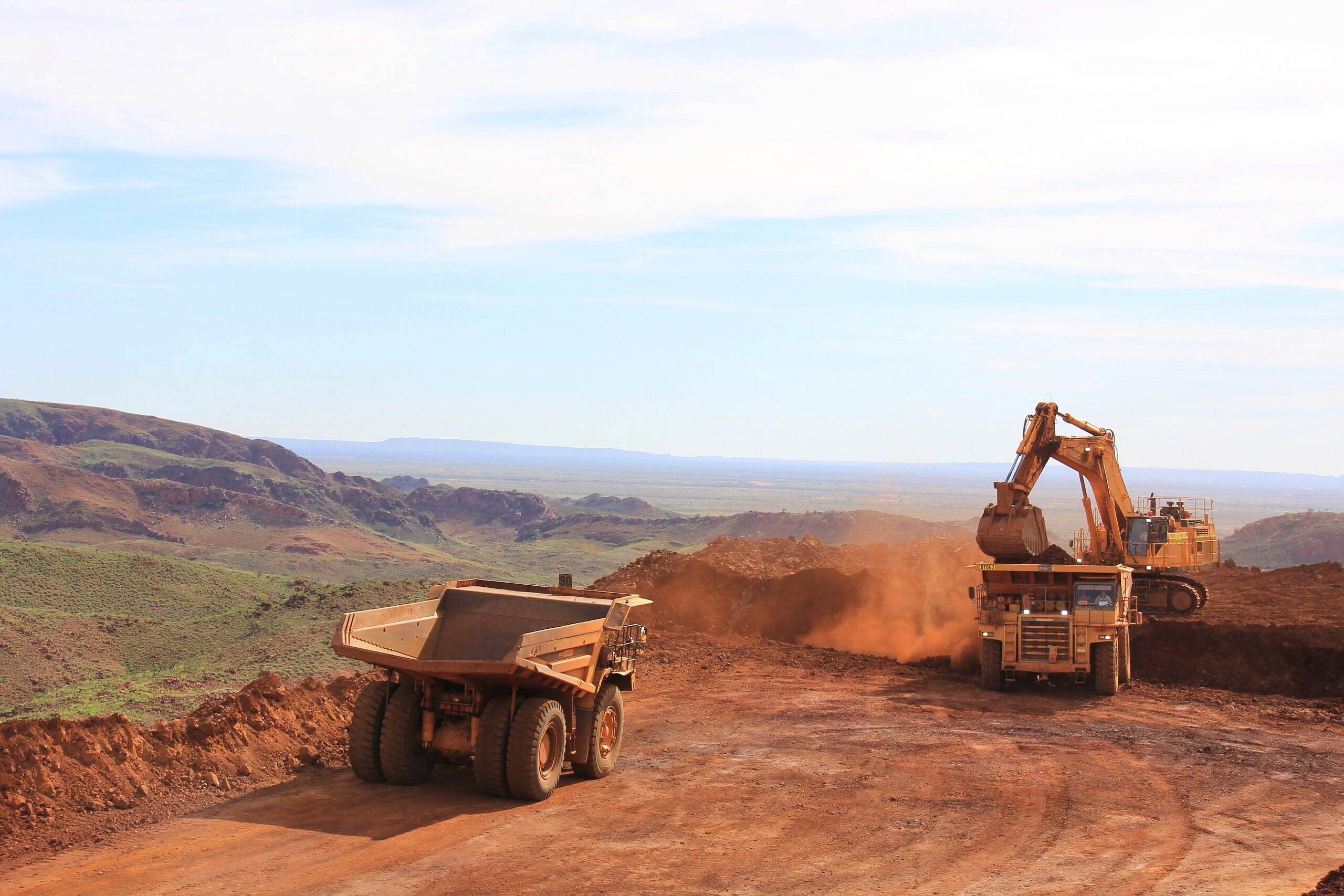
Mining vehicles often carry heavy loads and drive over rocky, uneven land. Even a small mistake can lead to major accidents. Overspeeding is one of the top causes of rollovers and collisions. The danger grows when drivers work long hours or face pressure to meet tight schedules.
Speed governors remove the human error factor by forcing vehicles to stay within safe limits. This helps protect workers, equipment, and the environment.
Applying Speed Governors in Mining Fleets
In mining, speed governors are installed on all types of fleet vehicles:
- Haul trucks moving tons of rock
- Service vehicles for tools and parts
- Contractor vehicles entering and leaving sites
When governors are used, there’s no guesswork. Drivers can focus on the road, knowing the vehicle won’t go beyond safe speeds. This is especially useful in high-risk zones like pit ramps or narrow haul roads.
Case Studies: Real-World Insights
In a large open-pit copper mining site in West Africa, a company partnered with a safety technology provider to install GPS-based speed governors on a fleet of 50 Caterpillar 777 haul trucks. The terrain was steep with multiple blind curves, and overspeeding was a frequent issue, especially during night shifts.
After deploying speed governors with geo-fencing capabilities, the company reported the following outcomes within 6 months:
- Speeding violations dropped by 92%, as recorded by the vehicle’s onboard telematics.
- Near-miss incidents, especially at haul road intersections and pit exits, were reduced by over 50%.
- Fuel use decreased by 11% due to smoother acceleration and optimized engine loads.
- Brake replacement intervals improved by 30%, resulting in lower maintenance costs.
The company also integrated the governor system with their existing fleet management software, which allowed managers to receive real-time alerts and weekly safety reports. Drivers initially resisted the change but later admitted feeling safer and more in control.
In a separate case, a mid-sized mining contractor in Chile implemented mechanical speed limiters on their light-duty vehicles used for equipment transport. Over a 4-month period, they noted:
- A 65% drop in minor incidents caused by speed-related handling errors
- Better tire life and less suspension wear
- Improved insurance audit ratings, which led to premium discounts
These real-world examples highlight how speed governors, when tailored to fleet types and terrain, deliver measurable safety and efficiency gains.
Benefits of Speed Governors for Mining
Enhanced Safety
Speed governors prevent accidents caused by overspeeding, especially on steep declines or during bad weather. They help reduce brake wear and avoid rollovers.
Operational Efficiency
When vehicles move at steady speeds, there’s less fuel waste and less stress on engines. That means fewer breakdowns and smoother schedules.
Regulatory & Compliance Support
Governments and industry watchdogs often require speed limits in mining zones. Speed governors help meet these standards and provide proof through digital logs.
Technology Variants and Their Role
Modern speed governors aren’t one-size-fits-all. They come in different types and levels of sophistication to match the complexity of mining operations. One common type is the dual-speed governor, which allows different speed settings depending on the zone. For example, vehicles can be limited to 10 km/h in maintenance yards and 30 km/h on main haul roads. This adaptive control is crucial in environments with mixed-use paths or shared access roads.
GPS-enabled governors go a step further. These systems use satellite data to create geo-fenced zones—specific areas marked by digital boundaries. When a vehicle enters a zone with a lower speed limit, the governor automatically adjusts the maximum speed without requiring driver input. This is extremely helpful in protecting high-risk areas such as pit ramps, fuel bays, or pedestrian-heavy zones.
Some of the most advanced governors integrate with telematics and fleet management software. These systems offer real-time data on driver behavior, vehicle health, and compliance. Managers can receive instant alerts if a governor is tampered with or if a vehicle attempts to exceed the allowed speed. Over time, this data helps refine operational decisions, identify training needs, and predict maintenance issues.
The smartest systems even allow remote configuration and OTA (Over-the-Air) updates, minimizing downtime and making large-scale deployments easier. As mining becomes more digitized, the flexibility and intelligence of speed governor systems are becoming central to both safety and efficiency strategies.
Regulatory and Industry Standards
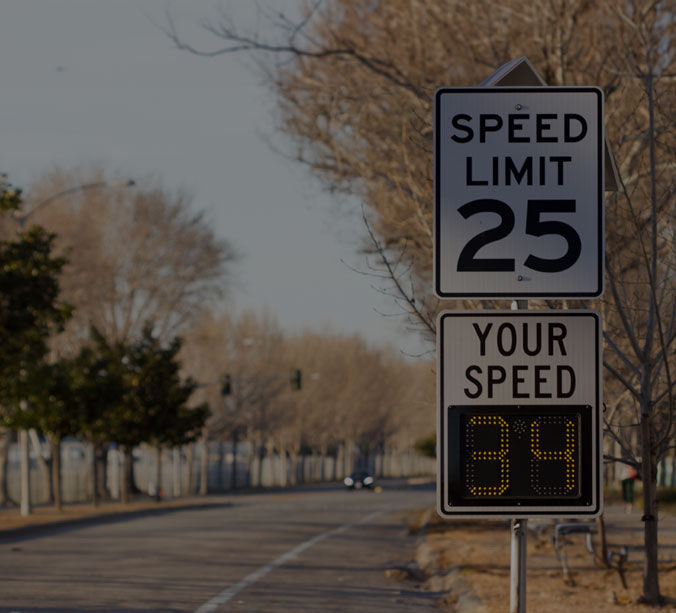
Mining operations are regulated by various national and international bodies to ensure safety and environmental compliance. In the United States, the Mine Safety and Health Administration (MSHA) enforces regulations that require strict control over vehicle operations, including speed limitations. Similarly, ISO 17757 and ISO 21815 provide global frameworks for autonomous and semi-autonomous mining systems, where speed control plays a vital role.
In Australia, mining companies follow Work Health and Safety (WHS) legislation which mandates the use of risk mitigation technologies, including speed control systems for mobile plant equipment. South Africa’s Department of Mineral Resources and Energy (DMRE) also outlines speed restriction protocols under the Mine Health and Safety Act.
Speed governors help mining companies comply with these standards by providing digital records of vehicle speed behavior, geofencing controls in sensitive areas, and tamper-proof configuration logs. This documentation becomes vital during audits or incident investigations.
Failure to comply with these regulations may result in severe penalties, including shutdowns, legal action, and reputational damage. Therefore, adopting intelligent speed governance is not just a safety decision—it is a regulatory necessity.
Implementation Considerations for Mining Operators
Implementing speed governors in a mining fleet involves careful planning, technical setup, and change management. For successful deployment, companies should follow a structured approach:
- Choose the Right Type: Depending on the mine’s operating conditions and vehicle types, companies can select electronic control units (ECUs), mechanical governors, or GPS-based systems. Electronic and GPS units are preferred for real-time tracking and integration with fleet software, while mechanical systems are simpler but offer fewer customization options.
- Set Speed Thresholds Based on Route Risk: Mines have different zones with different risk levels. For example, a pit ramp may require a speed limit of 10 km/h, while the main access road may allow 30 km/h. Speed settings must be tailored to each route based on gradient, traffic volume, and environmental conditions.
- Driver and Technician Training: Operators need to understand how the governors work and why they are essential. This includes explaining safety benefits, system feedback signals, and tamper-resistance protocols. Maintenance teams should also be trained on calibration, diagnostics, and system updates to keep the devices functional and compliant.
- Telematics Integration and Monitoring: Connecting speed governors to a telematics system allows for centralized data analysis. Managers can receive alerts about violations, track compliance trends, and generate reports for audits. This data helps identify risky behavior and supports coaching initiatives.
- Employee Engagement and Communication: Resistance from drivers is common, especially if they perceive the system as punitive. To overcome this, mining companies must communicate the safety and operational benefits clearly. Involving workers in pilot programs and feedback sessions helps build trust and ownership.
- Compliance Documentation and Policy Updates: Once speed governors are in use, policies and operating procedures should be updated to reflect new speed rules and disciplinary steps for tampering or non-compliance. Digital logs from the systems can serve as legal records during investigations or safety audits.
Effective implementation turns speed governance from a regulatory obligation into a competitive advantage. With proper planning and engagement, mining firms can realize both safety and operational benefits in a short time.
ROI and Performance Metrics
For mining companies, investing in speed governors isn’t just about safety—it’s also a smart financial decision. The return on investment (ROI) becomes clear when the right performance metrics are tracked and analyzed over time.
Key performance indicators (KPIs) include:
- Incident Reduction Rate: This measures how many accidents, near misses, or speeding violations were reduced after installing speed governors. For many companies, incident rates drop by 50% or more, leading to fewer delays and less equipment damage.
- Fuel Consumption per Kilometer: Speed consistency plays a big role in fuel efficiency. When vehicles stop accelerating and decelerating unnecessarily, fuel usage becomes more predictable and cost-effective. Companies have reported up to 10-15% fuel savings in hilly or long-route environments.
- Maintenance Costs: Vehicles driven within safe speed limits experience less wear and tear on engines, brakes, and tires. This reduces the frequency of part replacements and unplanned downtime. Tracking maintenance costs before and after speed governor installation often reveals major savings.
- Speeding Violation Logs: Digital records from GPS-enabled systems show how often vehicles attempted to exceed speed limits. These logs are useful for coaching drivers, adjusting routes, and identifying potential system overrides or malfunctions.
- Insurance Premiums: Some insurers offer reduced rates for fleets equipped with tamper-proof speed limiters and safety telematics. Documented safety improvements can also help in negotiating lower premiums or faster claims processing.
- Downtime Reduction: Fewer accidents and mechanical issues mean fewer interruptions in production. In mining, where every hour counts, this translates to major cost avoidance.
By comparing these metrics over 6 to 12 months, companies can assess the financial and operational impact of speed governors. In many cases, the initial investment pays off within the first year, making the technology not just beneficial—but essential—for long-term sustainability and profit protection.
Future Trends
The future of mining safety lies in intelligent systems. ISA (Intelligent Speed Assistance) goes beyond basic governors. It combines speed control with AI to predict and prevent risks. As mines move toward autonomous vehicles, speed governance will become even more critical.
Conclusion
Speed governors are more than just tech gadgets. They are essential tools for modern mining safety and efficiency. They protect lives, reduce risk, and help companies stay on the right side of the law. With the right system and smart planning, they bring peace of mind to everyone involved in tough mining work.