
In logistics, compliance is not paperwork. It is daily risk control. One missed rule can lead to fines, accidents, lost contracts, or insurance trouble. Speed remains one of the biggest risk factors across freight, last-mile delivery, and long-haul transport. That is why speed limiter systems are no longer optional add-ons. They are core safety and compliance tools.
I have seen fleets struggle when speed rules change across cities, highways, and borders. A single fixed speed cap does not work anymore. Modern logistics needs smarter speed control that adapts, records data, and protects both the driver and the company.
This article breaks down the speed limiter features that matter most for logistics compliance, safety, and operational control.
Understanding Speed Limiters in Commercial Fleets
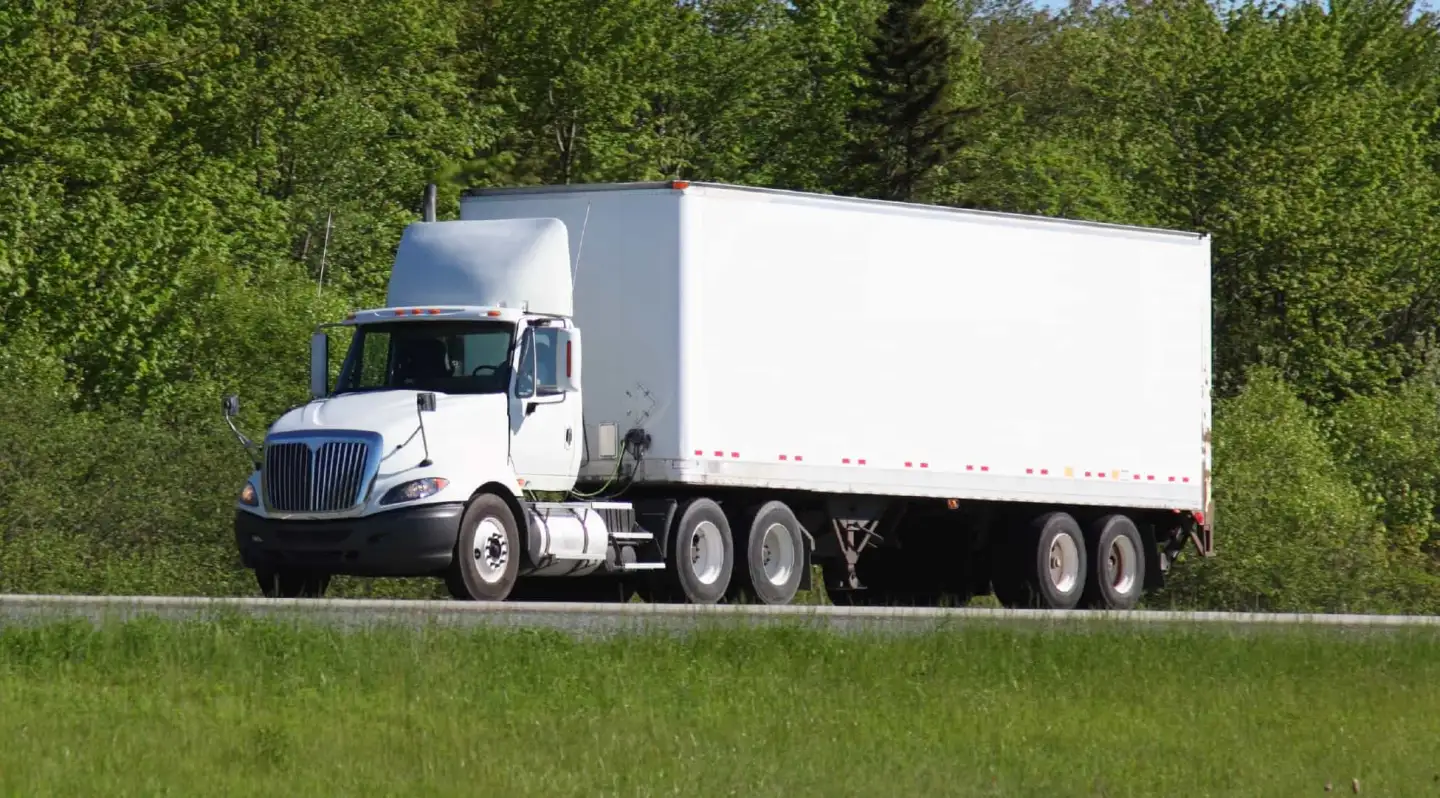
A speed limiter is not a warning tool. It is a control system. Its job is simple but critical. It physically prevents a vehicle from driving faster than a defined speed. In commercial fleets, this function protects drivers, cargo, the public, and the business itself.
At a technical level, a speed limiter connects directly to the vehicle’s Engine Control Unit, or ECU. The ECU controls how much fuel or torque the engine can deliver. When the vehicle reaches the allowed speed, the limiter signals the ECU to reduce power smoothly. The driver can keep pressing the accelerator, but the vehicle will not go faster. This distinction is important for compliance. The system does not rely on driver choice.
How Modern Speed Limiters Work
Older speed limiters were mechanical governors. They used physical linkages or basic engine restrictions. These systems worked, but they were crude. They lacked precision, flexibility, and data tracking. Once set, they stayed fixed unless manually adjusted.
Modern speed limiters are digital systems. They use software, sensors, and vehicle data to control speed accurately. The limiter reads real-time inputs such as vehicle speed, engine load, and location. Based on these inputs, it applies controlled power reduction instead of sudden cut-offs. This results in safer driving and less wear on the engine.
In logistics fleets, this precision matters. Vehicles often carry heavy loads, drive long distances, and operate under tight delivery windows. Smooth speed control keeps the vehicle stable and predictable.
ECU Integration and Control Methods
Speed limiters manage speed in different ways, depending on vehicle type and engine design.
Some systems limit fuel injection. Others control engine torque output. In newer vehicles, electronic throttle control is common. The limiter communicates digitally with the ECU, adjusting power delivery in small steps. This avoids harsh engine behavior and improves driver acceptance.
Because the limiter works inside the vehicle control system, it cannot be bypassed easily without leaving digital evidence. This is a key requirement for regulatory compliance and insurance validation.
From Static Limits to Intelligent Control
Today’s logistics environment demands more than a single fixed speed cap. Vehicles move through cities, highways, ports, and restricted zones. Speed limits change often and vary by location.
Modern speed limiters integrate GPS and telematics to support dynamic control. The system knows where the vehicle is and applies the correct speed rule automatically. When a truck enters an urban zone, the limiter reduces the maximum speed. When it returns to a highway, the limit adjusts again.
This approach reduces accidental violations caused by unclear signage or driver fatigue. It also aligns with evolving road safety frameworks used by regulators worldwide.
Speed Limiters vs Driver Alerts
Driver alerts are advisory. They beep, flash, or vibrate when a driver exceeds a set speed. Alerts depend entirely on human response. In high-pressure logistics operations, alerts are often ignored or missed.
Speed limiters are enforcement tools. They remove the decision from the driver at the critical moment. The vehicle simply cannot exceed the allowed speed.
For compliance, this difference is crucial. Regulators and insurers do not accept “warning systems” as proof of speed control. They expect enforced limits backed by data.
Fixed vs Programmable vs Adaptive Speed Limiters
Speed limiting is not a one-size solution. The type of limiter used directly affects safety, legal exposure, driver behavior, and day-to-day operations. In logistics, where vehicles move across mixed roads and jurisdictions, the differences between fixed, programmable, and adaptive speed limiters matter more than most fleet managers expect.
Fixed Speed Limiters. Simple Control With Clear Limits
Fixed speed limiters cap a vehicle at one permanent maximum speed. Once installed and set, the vehicle cannot exceed that speed under any condition.
From a technical view, fixed limiters are straightforward. They connect to the engine control system and restrict fuel or torque once the preset speed is reached. There is no location awareness, no route logic, and no dynamic adjustment.
This simplicity is also their main weakness.
In logistics operations, vehicles often move between highways, urban roads, and industrial zones within the same trip. A single fixed limit creates conflict. If the limit is set low for city compliance, the vehicle becomes a rolling obstacle on highways. If the limit is set higher for highways, the fleet risks urban speed violations.
Drivers feel this tension immediately. It leads to frustration, risky overtaking behavior by other vehicles, and pressure to bypass the system. From a compliance view, fixed limiters technically meet basic rules but fail to manage real-world conditions.
Fixed systems work best in controlled environments such as yard operations, mining roads, or fleets operating only within one regulated speed zone.
Programmable Speed Limiters. More Control, Still Manual
Programmable speed limiters improve on fixed systems by allowing multiple speed profiles. Instead of one hard limit, the fleet can assign different speed caps based on vehicle type, route category, or operating schedule.
For example, a fleet may set lower limits for urban delivery vans and higher limits for long-haul tractors. Some systems allow switching profiles during maintenance or route planning.
This adds flexibility, but it still relies heavily on human input.
The main challenge with programmable limiters is configuration accuracy. Speed profiles must be updated manually when routes change, regulations shift, or vehicles are reassigned. In large logistics fleets, this creates room for error. One missed update can lead to non-compliance without anyone noticing until an incident occurs.
Another issue is timing. Programmable systems do not react in real time. If a vehicle enters a lower-speed zone unexpectedly, the limiter does not adjust automatically. Compliance depends on correct planning rather than live enforcement.
Programmable limiters suit fleets with predictable routes and stable regulations, but they struggle in fast-changing environments.
Adaptive Speed Limiters. Compliance That Adjusts in Real Time
Adaptive speed limiters represent a different approach. Instead of relying on fixed settings or manual updates, these systems adjust speed automatically based on location and road context.
Adaptive limiters use GPS positioning, digital speed maps, and geofencing. As the vehicle moves, the system knows where it is and what speed rules apply. When the vehicle enters a city zone, the maximum speed drops automatically. When it reaches a highway, the limit increases within legal bounds.
This removes guesswork from compliance.
From a logistics perspective, adaptive systems solve several problems at once. They reduce accidental violations caused by unclear signage. They protect drivers from making judgment calls under pressure. They also provide clear evidence that the fleet enforces speed rules consistently.
Adaptive limiters align closely with modern Intelligent Speed Assistance principles used in global road safety programs. The key difference is enforcement. Adaptive limiters do not just inform. They act.
Why Speed Compliance Matters in the Logistics Industry
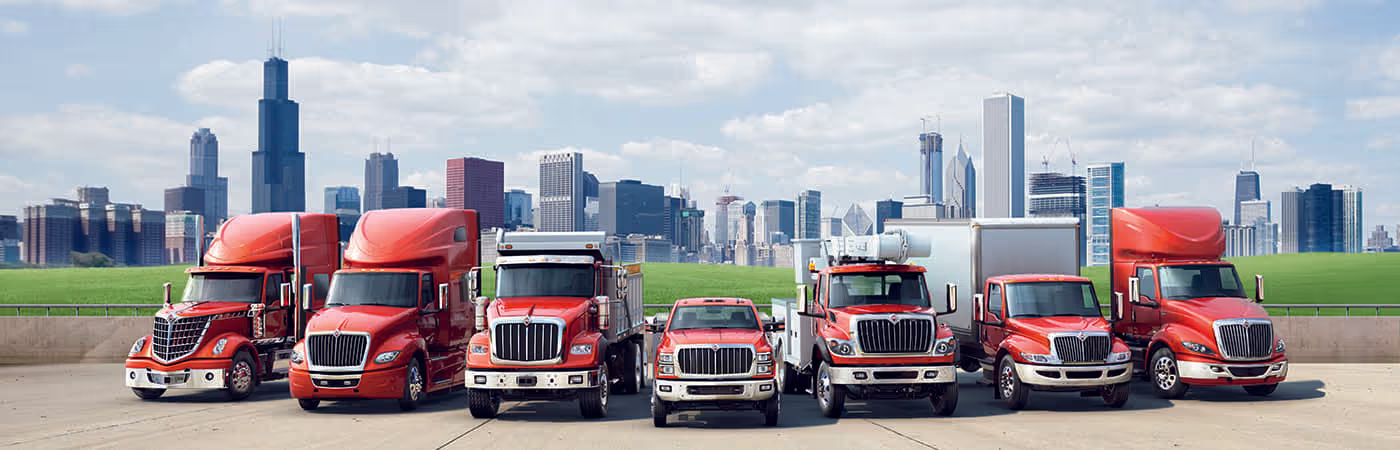
Speed compliance is not a side issue in logistics. It sits at the center of safety, cost control, and legal exposure. Logistics vehicles are different from private cars. They operate longer hours, carry heavier loads, and move through a wide mix of roads every single day. Because of that, the impact of speeding is much more severe.
When a loaded truck exceeds the speed limit, stopping distance increases sharply. Brakes heat up faster, tires wear unevenly, and vehicle stability drops, especially during sudden maneuvers. A small speed increase can turn a minor incident into a serious crash. In logistics, speed is not just a driver issue. It is a system-level risk.
Regulatory Pressure Is Increasing
Regulators understand these risks very well. That is why speed control rules for commercial vehicles have tightened across many regions. Trucks, buses, and commercial vans are often required to use certified speed limiter systems. In some markets, inspections focus directly on whether speed limiting systems are active, configured correctly, and tamper-resistant.
Compliance failures do not usually end with a warning. They lead to fines, vehicle impoundment, or license suspension. For cross-border logistics, one violation can trigger inspections across the entire fleet. That creates delays, paperwork, and reputational damage.
Speed compliance is no longer about following best practices. It is about meeting enforceable legal standards.
Insurance and Financial Risk
Insurance companies track speed behavior closely. Speed data is one of the first datasets reviewed after a serious incident. If a vehicle was speeding, insurers often reduce payouts or reject claims entirely. In repeated cases, premiums rise or coverage terms change.
Even without accidents, poor speed control shows up in telematics reports. Insurers increasingly use this data to assess fleet risk profiles. A fleet with frequent speed events is seen as high risk, even if no crashes have occurred yet.
Strong speed compliance helps stabilize insurance costs. It also strengthens the fleet’s position during claim reviews and contract renewals.
Operational Costs Add Up Quickly
Speeding does not save money in logistics. It does the opposite. Higher speeds increase fuel consumption, especially for heavy vehicles. Engines operate outside optimal efficiency ranges. Brakes, suspension components, and tires wear faster.
Over time, this leads to higher maintenance costs and more downtime. Vehicles spend more time in workshops and less time on the road. That affects delivery schedules and customer trust.
Speed compliance supports smoother driving. Smooth driving reduces fuel burn, extends component life, and improves fleet reliability.
Contract and Reputation Risk
Many logistics contracts include safety and compliance clauses. Public sector clients, large retailers, and international partners expect documented risk controls. Speed compliance is often part of these requirements.
A fleet involved in repeated speed-related incidents risks losing contracts. In regulated sectors, a single high-profile violation can trigger audits or disqualification from future tenders.
Brand reputation matters in logistics. Speed compliance shows that the operator takes safety seriously, not just deadlines.
System-Level Accountability
Modern compliance frameworks focus on systems, not excuses. Regulators and courts increasingly ask whether the operator had effective controls in place. Driver training alone is no longer enough.
Speed limiters provide that control layer. When combined with telematics and audit logs, they show that the fleet actively prevents speeding, not just discourages it.
Technology providers such as Resolute Dynamics build systems around this principle. The focus is enforcement, visibility, and proof.
Must-Have Speed Limiter Features for Logistics Fleets
Accurate Speed Capping Without Delay
Compliance starts with precision. The limiter must enforce speed limits smoothly and consistently. Lag or aggressive cut-offs can cause unsafe driving behavior. The best systems reduce speed gradually and predictably.
Accuracy matters during audits. Regulators and insurers expect proof that limits are enforced, not just configured.
Adaptive Speed Limiting Based on Location
Logistics routes pass through cities, industrial zones, highways, ports, and school areas. Each has different legal limits.
Adaptive speed limiting uses GPS and digital road data to adjust vehicle speed automatically. When a truck enters an urban zone, the limiter responds without driver input. When it reaches a highway, the limit adjusts again.
This feature is critical for fleets operating across regions with mixed regulations.
Telematics Integration for Real-Time Oversight
A standalone speed limiter is not enough. Compliance requires visibility.
Telematics integration allows fleet managers to monitor speed behavior live, receive alerts, and review historical data. Speed events, violations, and override attempts are logged automatically.
Platforms offered by companies like Resolute Dynamics combine speed governance with broader fleet analytics, making compliance part of daily operations instead of a monthly review.
Secure Data Logging and Audit Trails
Compliance depends on evidence. A modern speed limiter must store tamper-proof records of speed, location, and system activity.
Audit logs support:
-
Regulatory inspections
-
Insurance claims
-
Internal safety reviews
-
Legal defense after incidents
Data integrity is as important as data availability. Systems should prevent unauthorized changes and record every configuration update.
Driver Alerts and Feedback Systems
While enforcement is essential, driver awareness still plays a role. Visual or audio alerts warn drivers as they approach speed thresholds.
This feedback reduces stress and helps drivers adapt smoothly. Over time, it also improves driving habits and lowers conflict between drivers and management.
Alerts should support the limiter, not replace it.
Multi-Speed Profiles for Different Operations
Logistics fleets rarely operate under one rule set. Vehicles may serve:
-
Urban deliveries
-
Long-haul transport
-
Yard or depot movement
Multi-speed profiles allow separate limits for each use case. Profiles can be assigned by route, time, or vehicle role. This improves compliance without reducing productivity.
Anti-Tampering and Fail-Safe Controls
Any compliance system must assume misuse attempts. Speed limiters should detect wiring interference, sensor manipulation, or unauthorized ECU access.
Fail-safe logic ensures that if a fault occurs, the system defaults to a safe speed limit rather than disabling itself. This protects both safety and legal standing.
Benefits of Advanced Speed Limiter Systems
Stronger Regulatory Compliance
Adaptive control reduces accidental violations caused by unclear signage or route changes.
Improved Road Safety
Lower speeds mean shorter stopping distances and fewer severe crashes.
Reduced Fuel and Maintenance Costs
Controlled speed lowers fuel burn, brake wear, and tire stress.
Better Driver Accountability
Clear rules and consistent enforcement reduce disputes and risky behavior.
Stronger Insurance and Legal Position
Documented compliance improves claim outcomes and lowers long-term risk exposure.
Best Practices for Implementing Speed Limiters in Logistics Fleets
Start with a route and risk assessment. Understand where speed violations happen most often.
Choose systems that integrate with existing telematics. Avoid isolated tools that create data gaps.
Train drivers clearly. Explain how the system works and why it protects them.
Review data regularly. Compliance is not install-and-forget. Patterns matter more than single events.
Common Questions About Speed Limiters in Logistics
Are speed limiters mandatory everywhere?
Rules vary by country and vehicle class. Many regions require them for commercial trucks, buses, and public transport vehicles.
Can drivers override speed limiters?
Some systems allow limited overrides for safety scenarios, but all actions are logged.
Do speed limiters slow down deliveries?
When configured correctly, they improve consistency rather than reduce efficiency.
Final Thoughts on Compliance-Driven Speed Control
Logistics compliance is moving from static rules to dynamic control. Speed limiters sit at the center of that shift. Fleets that rely on basic governors struggle to keep up with modern regulations and insurance expectations.
The right speed limiter features do more than cap speed. They protect drivers, simplify audits, and stabilize operations across complex road networks. For logistics operators, speed control is no longer just about safety. It is about staying in business, staying insured, and staying trusted.