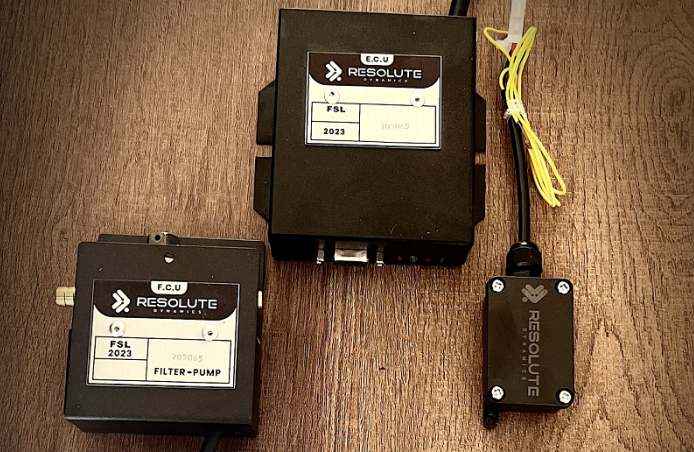
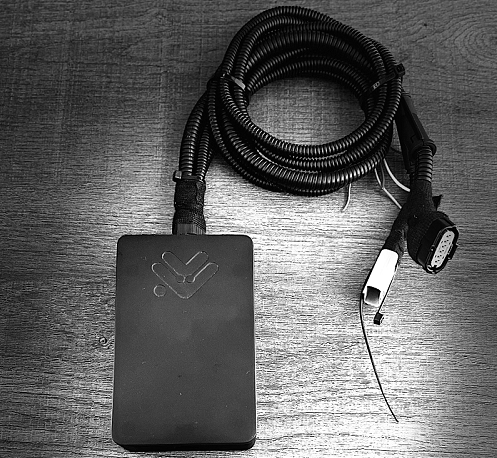
Here is a question that could save you real money: does your truck already have a speed limiting device sitting inside it, switched off, waiting to be turned on? Because if it does, you do not need to pay for a full retrofit. You just need it activated and verified.
Plenty of operators are quoted for a brand-new installation when their vehicle came from the factory with an SLD function already built in, dormant, needing nothing more than activation.
Getting this right matters, because activation is simpler and cheaper than retrofitting, and the two fall under different phases of the JPJ rules. So before you book a costly retrofit, it is worth five minutes to check what your truck already has.
Let me walk you through how to tell the difference, how to check your specific vehicle, and why sorting this out now keeps you on the right side of enforcement.
Activate vs Retrofit: What the Difference Actually Means

The difference is simple: activation switches on an SLD function your truck already has, while retrofit installs a new device into a truck that has none. Both end with a working, compliant speed limiter, but the work, the cost, and the JPJ phase behind them are different.
Activation applies when your vehicle already carries the hardware or electronic function for speed limiting, but it is currently dormant or switched off. The job is to enable it, set it to the required cap, and verify it works. Retrofit applies when the vehicle has no such function, so a device has to be physically fitted from scratch.
As a rule, activation is the quicker, cheaper path, which is exactly why it is worth knowing which camp your truck falls into before anyone quotes you for the bigger job. Our guide on what JPJ still enforces during the SLD grace period explains how these two jobs sit in different enforcement phases.
Why Newer Trucks Often Already Have It
Newer commercial vehicles frequently have an SLD function built in because many were manufactured with speed limiting as a standard or available feature. The truck’s engine management may already be capable of capping speed through its electronics, even if that capability was never switched on.
This is common on modern trucks with electronic engine control, where limiting speed is a software and configuration matter rather than a bolt-on part. The function can sit inactive from the factory, from a previous owner’s settings, or simply because it was never needed until now.
That is good news for you, because it means the expensive part, the hardware, may already be present. The question is not always “what do I need to buy,” but sometimes “what do I already have that just needs turning on.” That single distinction is what separates a small activation bill from a full retrofit cost.
How the JPJ Phases Treat Activation vs Retrofit

JPJ treats these differently, and activation of an existing SLD falls under Phase Two, while retrofitting a new one falls under Phase Three. Knowing which phase applies to your truck tells you both what work is needed and where you stand on the timeline.
Phase Two covers activating SLDs in commercial vehicles manufactured before 1 January 2015, where a device or function exists but needs to be switched on and made functional. It has been enforced since 1 January 2026. Phase Three covers the retrofit installation of SLDs on vehicles that do not have one, and its enforcement was deferred from 1 July 2026 with no new date yet announced.
There is also Phase One, which since 1 October 2025 verifies that SLDs work on vehicles made on or after 1 January 2015, most of which came with the function already. Our guide on how JPJ’s phased SLD compliance rollout works breaks these down in full.
| Phase | Applies to | The job | Status |
|---|---|---|---|
| Phase One | Vehicles made on or after 1 Jan 2015 | Verify the SLD works | Enforced since 1 Oct 2025 |
| Phase Two | Vehicles made before 1 Jan 2015 | Activate the existing SLD | Enforced since 1 Jan 2026 |
| Phase Three | Vehicles with no SLD | Retrofit a new device | Deferred from 1 July 2026 |
How to Check If Your Truck Already Has an SLD Function
To find out, check your vehicle’s records and have a qualified party inspect the engine management, rather than assuming you need a retrofit. A few checks will usually tell you whether activation is on the table.
Check the make, model, and manufacture date
Start with the basics. A commercial vehicle manufactured on or after 1 January 2015 very likely came with an SLD function, which points toward verification or activation rather than retrofit. Older vehicles are more mixed, so the manufacture date is your first clue, not the final answer.
Look at the vehicle documentation and specifications
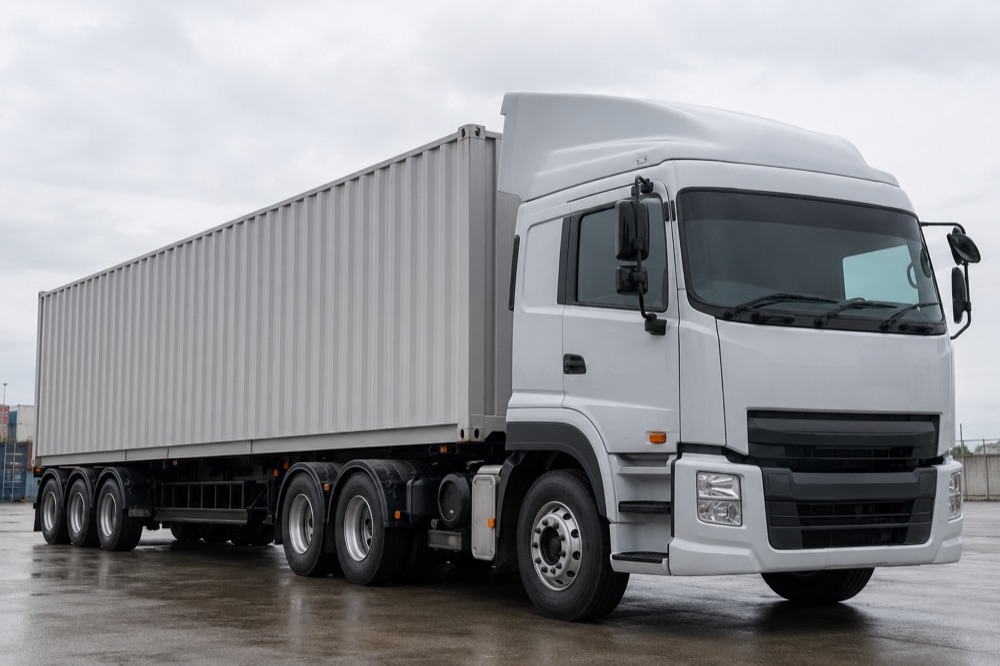
Check the manufacturer specifications, the owner or service documentation, and any records from previous SLD work. These often reveal whether a speed limiting function is present in the engine management, even if it is currently switched off.
Have a JPJ-recognised certifier or authorised workshop inspect it
The reliable answer comes from a qualified inspection. A JPJ-recognised certifier or an authorised workshop can examine the vehicle’s engine management and confirm whether an SLD function exists and can be activated, or whether a retrofit is genuinely needed.
This is the step that turns guesswork into certainty, and our guide on installing and calibrating speed governors in Malaysia covers getting the device set correctly once its status is known.
Do not just take a retrofit quote at face value
If a workshop quotes you straight for a full retrofit, ask directly whether your vehicle already has an SLD function that could be activated instead. A good provider checks this first. Getting a second opinion can be the difference between an activation fee and a retrofit bill.
Why Getting This Right Saves You Money and Trouble
Sorting activation versus retrofit correctly avoids paying for a new device you do not need and keeps you compliant on the right phase. The savings and the peace of mind both come from knowing your truck’s real status.
If your vehicle already has the function, activation is the cheaper, faster route, and paying for a full retrofit would be spending on hardware you already own. Just as important, knowing your phase tells you your enforcement position: activation under Phase Two is enforced now, so a dormant SLD on an older vehicle is a live compliance gap you should close, while a genuine retrofit under Phase Three has a grace period you can use to plan.
Getting the classification right means you neither overpay nor accidentally sit non-compliant on a phase that is already being enforced.
Our guide on the benefits of speed limiters for Malaysian fleets is a reminder that a working device pays off well beyond the compliance box.
An Activate-or-Retrofit Checklist
Run through this before booking any SLD work.
| Step | Action |
|---|---|
| Check the date | Note manufacture date; 2015 onward likely has the function |
| Read the records | Check specs and documentation for an SLD function |
| Get it inspected | Have a JPJ-recognised certifier confirm what exists |
| Question the quote | Ask if activation is possible before accepting a retrofit |
| Confirm the phase | Match your case to Phase One, Two, or Three |
| Complete the work | Activate or retrofit, then verify and keep records |
Frequently Asked Questions
How do I know if my truck already has an SLD function?
Check the manufacture date, since vehicles made on or after 1 January 2015 usually came with the function, then review the vehicle’s specifications and documentation. The reliable confirmation comes from a JPJ-recognised certifier or authorised workshop inspecting the engine management to see whether an SLD function exists and can be activated.
Is activating an SLD cheaper than retrofitting?
Generally yes. Activation switches on a function the vehicle already has, so it avoids the cost of buying and fitting new hardware. Retrofit installs a device from scratch on a vehicle with none, which is the more involved and more expensive job.
What is the difference between Phase Two and Phase Three?
Phase Two covers activating existing SLDs in vehicles made before 1 January 2015 and is enforced now. Phase Three covers retrofitting new devices on vehicles that have none, and its enforcement was deferred from 1 July 2026 with no new date yet announced.
My workshop quoted me for a retrofit. Should I get a second opinion?
Yes, it is worth asking directly whether your vehicle already has an SLD function that could be activated instead. If a workshop quotes straight for a full retrofit without checking, a second opinion from a JPJ-recognised certifier could save you from paying for hardware you already have.
Does a newer truck still need anything done?
Often it needs verification rather than activation or retrofit. Vehicles made on or after 1 January 2015 usually have the function and fall under Phase One, which requires confirming the SLD actually works. So even a newer truck should be checked and verified, not assumed to be compliant.
Final Thoughts
Before you accept a retrofit quote, find out what your truck already has, because the answer can change the job from an expensive installation to a simple activation. Newer trucks especially may carry an SLD function that only needs switching on and verifying.
Check the manufacture date, read the documentation, and get a JPJ-recognised certifier to confirm the vehicle’s real status. Do that, and you pay only for the work your truck actually needs, land on the correct JPJ phase, and stay compliant without spending a cent more than you have to.

The Resolute Dynamics team designs and manufactures speed limiters (SLD), GPS tracking, and automotive safety systems used on 200,000+ vehicles across 20+ countries. We write about fleet compliance, road-safety regulation, and vehicle-safety technology, including Malaysia’s JPJ SLD mandate, UAE RTA rules, and global standards like UN R89, to help fleet operators and transport businesses stay safe and compliant.