Driver fatigue is one of the most dangerous and underestimated threats on the road. We all know that feeling when our eyes get heavy, our reaction times slow down, and keeping focus becomes harder. When it comes to professional drivers in industries like trucking, logistics, and public transportation, fatigue becomes even more critical.
In places like the UAE and Gulf countries, where high-speed travel and long distances are common, tackling driver fatigue is essential for road safety and legal compliance. One of the most effective solutions?
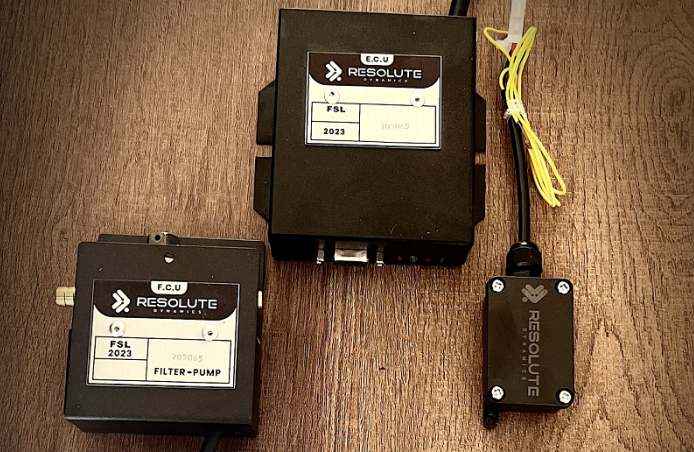
Speed management systems like speed limiters device in UAE. These devices not only control vehicle speed but also play a huge role in reducing driver fatigue. Let’s dive into how these systems work and why they matter
Why is Driver Fatigue Dangerous?
- Delayed Reactions: Fatigued drivers take longer to respond to sudden changes, like a pedestrian crossing or a vehicle braking suddenly.
- Poor Decision-Making: When tired, drivers are more likely to make risky decisions, such as overtaking at dangerous spots.
- Microsleeps: These are short, involuntary periods of sleep lasting just a few seconds. On highways, even a second of lost attention can cause a serious accident.
In the UAE, where high temperatures and long road trips are common, fatigue can set in even more quickly. That’s why solutions like a speed limiter device in UAE are so essential — not only do they help regulate speed, but they also reduce driver workload and enhance safety during extended drives.
How Do Speed Limiters Affect Driver Fatigue?
Speed limiters reduce driver workload by automatically maintaining a steady maximum speed, removing the constant need to monitor and adjust acceleration. For UAE fleet drivers on long highway routes, this lowers mental and physical strain — though limiters don’t replace dedicated fatigue-monitoring systems.
It might not be obvious at first, but speed management directly impacts fatigue levels. Here’s how:
1. Maintaining a Steady Speed Reduces Mental Load
One of the most exhausting aspects of driving is the constant need to monitor and adjust speed. When driving on highways, especially those with varying speed limits, drivers need to:
- Continuously check the speedometer.
- Adjust speed to stay within legal limits.
- React to traffic flow and road conditions.
This process creates a mental burden. The brain works harder to make these micro-decisions, and over time, this continuous effort leads to mental fatigue. Speed management systems like speed limiters eliminate this constant adjustment.
They maintain a preset maximum speed, allowing drivers to focus on the road and traffic without worrying about their speed. This significantly reduces mental strain and helps keep drivers alert for longer periods.
2. Reducing Physical Strain from Constant Speed Adjustments
Physical fatigue is another critical factor. Imagine driving in heavy traffic or over long distances where you need to:
- Frequently accelerate and decelerate.
- Apply pressure to the pedals continuously.
- Make quick adjustments to match speed limits.
These repetitive actions, over hours of driving, lead to muscle strain and physical exhaustion. Speed management systems maintain a steady pace, reducing the need for constant physical adjustments.
This helps prevent leg fatigue and tension in the shoulders and arms, making driving more comfortable and less tiring.
3. Preventing High-Speed Driving Reduces Cognitive Fatigue
Driving at high speeds requires intense concentration and quick decision-making. At higher speeds, drivers must process information faster, such as:
- The distance to the vehicle ahead.
- Potential hazards or obstacles.
- Road signs and speed limits.
The faster the vehicle moves, the less time the brain has to process this information, leading to cognitive fatigue. This mental exhaustion can make drivers prone to mistakes or slower reactions.
By limiting the maximum speed, speed management systems ensure that drivers are operating within a safe cognitive load. This allows drivers to process information at a manageable pace, keeping them sharp and reducing fatigue.
4. Reducing Stress Levels During Long-Distance Driving
Long-distance driving, particularly for commercial drivers, often involves adhering to tight schedules and meeting deadlines.
This pressure can lead to stress, which accelerates fatigue. The constant worry of maintaining the correct speed — especially in regions where traffic fines for speeding are strict — adds to this stress.
Speed limiters remove this anxiety by controlling the maximum speed automatically. Drivers can relax a little more, knowing that they won’t unintentionally exceed the speed limit. This reduction in stress helps improve overall mental well-being, keeping drivers more focused and less prone to fatigue-induced errors.
5. Smoother Driving Reduces Driver Fatigue
Speed fluctuations, such as rapid acceleration and sudden braking, create a rough driving experience.
These sudden changes require extra effort to manage and can quickly exhaust drivers. Maintaining a steady speed ensures a smoother, more predictable driving experience, which is far less tiring.
For example, a driver traveling on a highway with a speed limiter set to 80 km/h experiences:
- Less Need for Sudden Reactions: The vehicle maintains a consistent pace, reducing the chance of sudden braking or swerving.
- Consistent Flow with Traffic: The driver spends less energy keeping up with or overtaking other vehicles.
This smooth driving pattern helps reduce both mental and physical exhaustion over long trips.
6. Promoting Better Driving Habits
Speed management systems encourage safer and more responsible driving habits. By capping the maximum speed, drivers are less likely to:
- Engage in aggressive driving (e.g., racing to beat traffic).
- Push themselves to drive faster to meet unrealistic deadlines.
These behaviors contribute to stress and fatigue. Controlled speeds promote patience and focus, which help drivers stay relaxed and alert.
7. Improved Fuel Efficiency Reduces Fatigue-Related Stress
For fleet drivers or commercial vehicle operators, fuel efficiency is a significant concern. Rapid acceleration and high-speed driving waste fuel, which can add financial pressure and stress.
Speed management systems promote steady driving, which enhances fuel efficiency. This means drivers and fleet managers worry less about fuel costs, reducing another source of stress that contributes to fatigue.
8. Enhancing Safety in Extreme Driving Conditions
In the UAE and Gulf countries, driving conditions can be challenging due to factors like:
- Hot Weather: High temperatures can lead to dehydration and exhaustion.
- Long, Monotonous Roads: Endless stretches of highway can lull drivers into drowsiness.
- High-Speed Limits: The temptation to drive faster increases fatigue.
Speed limiters help drivers handle these conditions better by reducing the need for constant decision-making and speed adjustments. By keeping speeds within a safe range, drivers can stay more comfortable and focused, even under challenging conditions.
What Are the Benefits of Speed Limiters for UAE Fleets?
UAE fleets benefit from speed limiters in three main ways: improved road safety through consistent speeds, reduced fuel and maintenance costs from smoother driving, and stronger compliance with UAE commercial vehicle regulations enforced by RTA and ESMA — all while extending vehicle lifespan.
Speed management systems, like speed limiters or speed governors, are essential tools for maintaining road safety, enhancing driver well-being, and improving fleet efficiency.
These systems work by controlling a vehicle’s maximum speed, ensuring that drivers stay within preset speed limits.
In regions like the UAE and Gulf countries, where high-speed driving, long highways, and strict traffic regulations are common, the benefits of speed management systems extend far beyond just following the law.
Let’s dive into the key benefits of speed management systems and understand why they are indispensable for safer, more efficient driving.
1. Promoting Consistent Driving Speeds
Consistency in speed is crucial for road safety and driver comfort. Speed management systems ensure that vehicles maintain a steady pace, preventing the need for constant speed adjustments. This has several advantages:
- Reduces Mental Load: Drivers no longer need to monitor their speed continuously, which decreases cognitive strain.
- Improves Road Flow: When vehicles travel at consistent speeds, traffic flows more smoothly, reducing the likelihood of congestion and accidents.
- Prevents Speeding Violations: By capping the maximum speed, drivers are less likely to unintentionally exceed legal speed limits and incur fines.
In the UAE, where strict traffic laws impose heavy penalties for speeding, maintaining a steady speed helps drivers stay compliant and stress-free.
2. Lowering Stress Levels for Drivers
Driving at high speeds or constantly adjusting to varying speed limits can be mentally exhausting and stressful. Speed management systems alleviate this stress by automatically controlling vehicle speed. This leads to:
- Peace of Mind: Drivers can focus on the road without worrying about inadvertently speeding.
- Reduced Anxiety: Knowing that their speed is being controlled helps drivers stay calm, especially during long trips or in high-traffic areas.
- Better Concentration: With less stress, drivers can focus more effectively on observing traffic, road conditions, and potential hazards.
For commercial drivers who spend hours on the road, lower stress levels contribute significantly to improved mental health and job satisfaction.
3. Enhancing Safety for Long-Distance Drivers
Long-distance driving is a major contributor to driver fatigue. Truck drivers, logistics operators, and delivery personnel in the UAE often travel hundreds of kilometers without breaks. Speed management systems improve safety by:
- Reducing Fatigue: Maintaining a consistent speed decreases both mental and physical exhaustion, helping drivers stay alert for longer.
- Preventing Speed-Related Accidents: Excessive speed is a leading cause of crashes. Limiting the vehicle’s speed reduces the risk of high-impact collisions.
- Encouraging Rest Breaks: Drivers are more likely to take regular breaks when they are not pressured to speed.
By promoting safer driving habits, speed management systems help protect not only the drivers but also other road users.
4. Compliance with UAE Traffic Regulations
In the UAE and Gulf countries, strict traffic laws require commercial vehicles to be equipped with speed limiters. Failure to comply can result in:
- Heavy Fines: Violations can lead to significant financial penalties.
- License Suspension: Repeated offenses may result in temporary or permanent suspension of driving licenses.
- Vehicle Impoundment: Authorities may impound non-compliant vehicles, disrupting business operations.
Speed management systems ensure compliance by keeping vehicles within legal speed limits. This protects companies and drivers from fines, legal trouble, and business interruptions.
Additionally, compliance demonstrates a commitment to road safety, which enhances a company’s reputation and reliability in the logistics and transport industry.
5. Reducing Fuel Consumption and Costs
Excessive speed and frequent acceleration burn more fuel. By maintaining a controlled speed, speed management systems help:
- Improve Fuel Efficiency: Consistent speeds lead to more efficient fuel consumption.
- Lower Operating Costs: For fleet operators, reduced fuel consumption translates to lower operational expenses, boosting profitability.
- Environmental Benefits: Using less fuel helps reduce carbon emissions, contributing to environmental sustainability.
For businesses in the UAE, where fuel costs are a major expense, speed management systems offer a practical way to save money while promoting eco-friendly operations.
6. Minimizing Wear and Tear on Vehicles
Frequent speeding, rapid acceleration, and sudden braking increase the wear and tear on vehicle components such as:
- Brakes
- Tires
- Engine Parts
Speed management systems encourage smooth driving, which helps:
- Extend Vehicle Lifespan: Reduced strain on the engine, brakes, and tires means fewer repairs and longer vehicle life.
- Lower Maintenance Costs: Less wear and tear reduces the frequency of repairs and maintenance, saving money for fleet operators.
- Improve Reliability: Vehicles that are well-maintained are less likely to break down, ensuring reliable service for logistics and transport companies.
7. Encouraging Safer Driving Behavior
Speed management systems promote a culture of safe and responsible driving by:
- Discouraging Aggressive Driving: With a speed limit in place, drivers are less likely to engage in risky behaviors like racing or tailgating.
- Reducing Accidents: Controlled speeds reduce the likelihood of collisions, protecting drivers, passengers, and pedestrians.
- Enhancing Driver Training: For new drivers or fleet employees, speed limiters reinforce safe driving habits right from the start.
This helps create a safer road environment for everyone, aligning with the UAE’s vision of reducing traffic fatalities.
8. Improved Fleet Management and Monitoring
Many modern speed management systems come with advanced features such as:
- GPS Tracking: Allows fleet managers to monitor vehicle location and speed in real time.
- Data Reporting: Provides insights into driving behavior, fuel efficiency, and route optimization.
- Alerts and Notifications: Sends alerts for speed violations, helping managers enforce company policies and ensure compliance.
These features improve overall fleet efficiency, accountability, and safety.
How Do You Choose a Speed Limiter for Your Fleet?
Choose based on three factors: ESMA certification (mandatory in UAE), GPS and telematics integration for fleet visibility, and tamper-proof construction with proper installer credentials. Match the device’s speed cap to your vehicle class — typically 80 km/h for trucks and 100 km/h for buses.
When it comes to picking a speed limiter for your vehicle fleet, look for these key features:
- Precision in Speed Control:
Accurate speed limiting ensures safety and compliance. - Ease of Installation:
A system that can be installed quickly and seamlessly saves time and hassle. - Real-Time Monitoring:
Some systems offer GPS tracking and data reports, allowing fleet managers to keep track of driving behavior. - Compliance Certification:
Ensure the speed limiter meets UAE safety regulations and comes with the necessary certifications.
(Check Speed Limiter Certificates Here)
FAQs
Q: How do speed limiters help reduce driver fatigue?
A: By maintaining a consistent speed, speed limiters reduce the mental and physical strain on drivers, helping them stay focused and less tired.
Q: Are speed limiters mandatory in UAE commercial vehicles?
A: Yes, UAE regulations require speed limiters for commercial vehicles to ensure road safety.
Q: Can speed limiters be customized for different vehicles?
A: Yes, speed limiters can be set to different speeds based on vehicle type and road conditions.
Q: How do speed management systems improve fuel efficiency?
A: Consistent driving speeds reduce fuel consumption by avoiding unnecessary acceleration and braking.
Q: What’s the difference between a speed limiter and a Driver Fatigue Monitoring System (DFMS)?
A: A speed limiter caps your vehicle’s maximum speed, preventing acceleration above a programmed threshold. A DFMS detects driver fatigue in real time using cameras, eye-tracking, or steering patterns. Limiters reduce factors that contribute to fatigue; DFMS directly monitors for it. Many UAE fleets deploy both.
Q: Are speed limiters required for all commercial vehicles in the UAE?
A: Not all — but most categories are covered. Buses with fewer than 22 seats are currently capped, and the UAE’s 2026 expansion brings heavy vehicles over 3.5 tons, school buses, and logistics vans into scope. ESMA approval is required for any installed device.
Q: What speed are commercial vehicles limited to in the UAE?
A: Caps depend on vehicle type and road. Heavy trucks are typically capped at 80 km/h, public buses around 100 km/h, and light commercial vans 110–120 km/h. Specific limits follow ESMA technical specifications and the operating route’s posted maximum.
Q: How much does a UAE-certified speed limiter cost to install?
A: Costs vary by device type and installer, but a basic ESMA-approved single-speed limiter typically runs typically in the low-thousands AED range for a basic device installed. GPS-integrated dual-speed limiters with telematics cost higher for GPS-integrated systems. Always use an ESMA-authorized installer — non-certified work is rejected at inspection.
Need help selecting a speed limiter for your UAE fleet? Resolute Dynamics offers ESMA-approved speed limiters, GPS-integrated dual-speed systems, and certified installation across the UAE.
Conclusion
Driver fatigue is a major risk, but speed management systems offer an effective solution. By maintaining safe and consistent speeds, these systems help drivers stay alert, reduce accidents, and comply with UAE traffic laws. Investing in speed limiters is an investment in safety, efficiency, and peace of mind.
Ensure your fleet’s safety today with reliable solutions from Resolute Dynamics.
UAE fleet operators managing long-haul or shift-driver operations can talk to us about device configurations that support fatigue-management workflows — get in touch.

The Resolute Dynamics team designs and manufactures speed limiters (SLD), GPS tracking, and automotive safety systems used on 200,000+ vehicles across 20+ countries. We write about fleet compliance, road-safety regulation, and vehicle-safety technology, including Malaysia’s JPJ SLD mandate, UAE RTA rules, and global standards like UN R89, to help fleet operators and transport businesses stay safe and compliant.