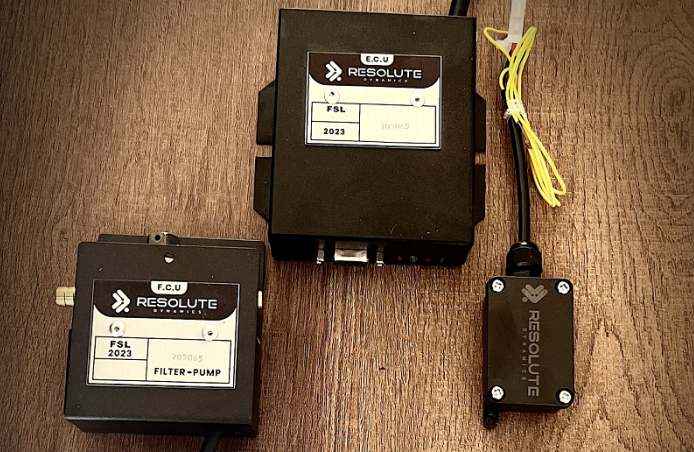
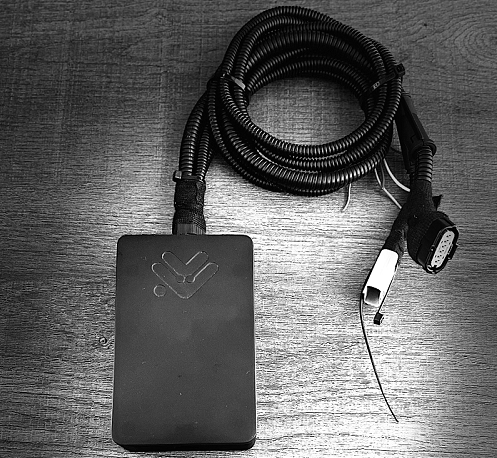
If your lorry’s speed limiter deadline has come and gone and the device still is not fitted, here is the blunt truth: you are now non-compliant, and the consequences are already in motion. This is not a rule with a long grace period and a gentle reminder letter.
In Singapore, a lorry that should have a speed limiter and does not is a vehicle heading for a fine, a failed inspection, and a ban from the road.
I am not telling you this to scare you, but to help you act before enforcement acts on you. The good news is that the fix is quick and the path back to compliant is clear.
So let me walk you through exactly what the Traffic Police do when you miss the deadline, what it costs you, and the fastest way to get your lorry legal and earning again.
First, Where You Actually Stand
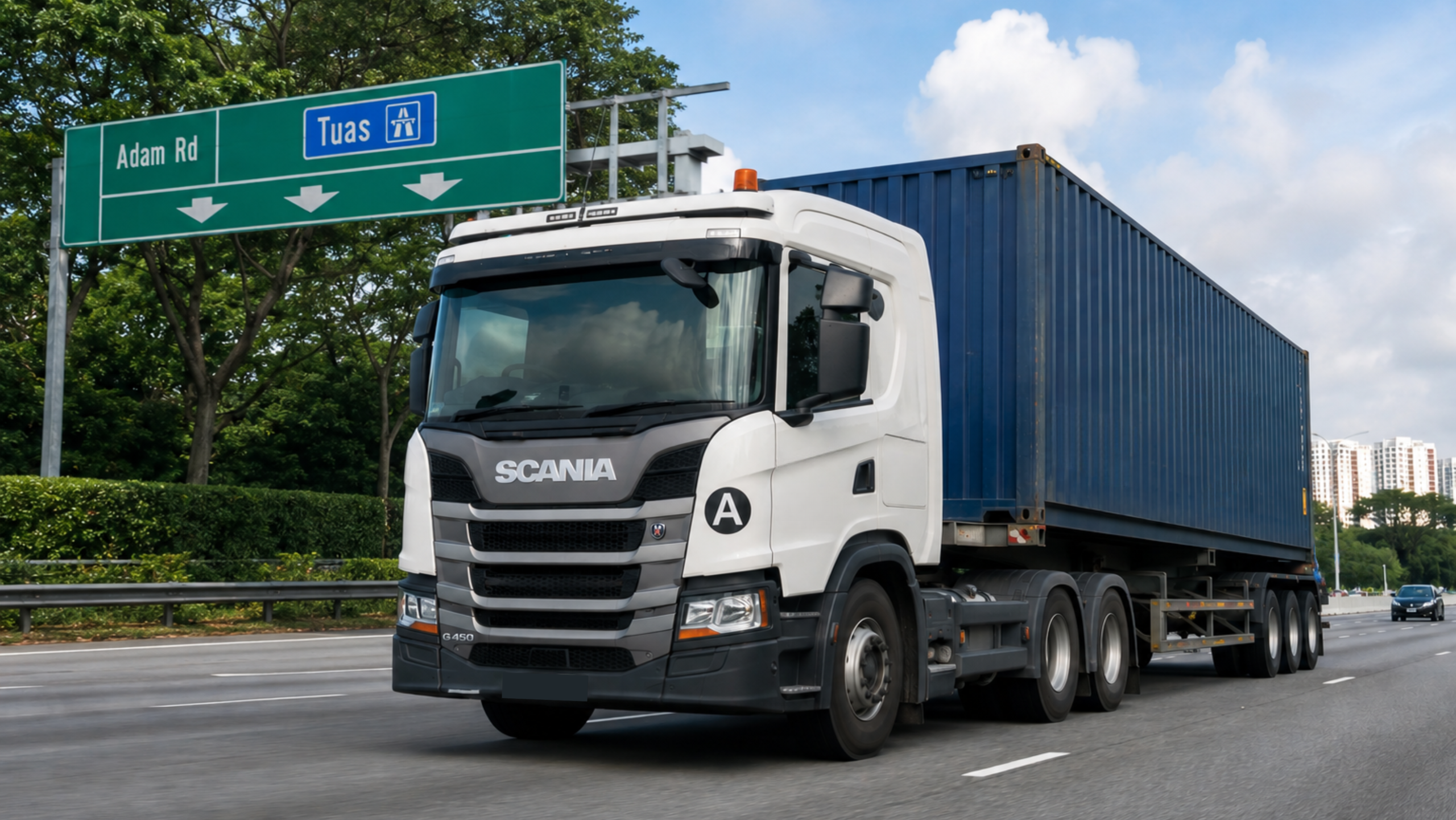
If your deadline has passed, you are in breach of the law right now, not at some future date. The rule requires lorries with a maximum laden weight between 3,500kg and 12,000kg to be fitted with a speed limiter that caps them at 60 km/h. Whether your deadline has passed depends on when the lorry was registered and how heavy it is.
Lorries registered before 1 January 2018 had deadlines during 2026, heavier ones earlier and lighter ones later, while lorries registered from 1 January 2018 onward get one additional year. So depending on your fleet, some of your vehicles may already be over the line while others still have time.
The first thing to do is check each lorry against its deadline, because your position, and your options, differ for a vehicle that is already late versus one that is close but not yet due. Our guide to the Singapore speed limiter rules lays out which deadline applies to which vehicle.
How Traffic Police Catch Non-Compliance
Traffic Police catch non-compliant lorries two ways, and neither is easy to dodge. This is not a rule that relies on luck or self-reporting. There are two hard checkpoints, and every lorry meets at least one of them.
Roadside enforcement operations
The Traffic Police run roadside enforcement operations, stopping and checking commercial vehicles. A lorry pulled in without a required speed limiter is caught on the spot. You cannot predict when or where these happen, so operating a non-compliant lorry means driving with that risk every single day.
The mandatory vehicle inspection
This is the one you truly cannot avoid. Every lorry goes through regular mandatory inspection, and a vehicle that should have a speed limiter but does not will fail that inspection and be prohibited from being driven. There is no getting around it: even if you slip past every roadside check, inspection day forces the issue. A failed inspection is what turns a paperwork problem into a lorry that legally cannot move.
What Happens Next: The Penalties
Once you are caught, the penalties stack from a fine, to your lorry being grounded, to fleet-wide orders. Each one is heavier than the last, and together they make non-compliance far more expensive than the device ever was.
A fine of up to $1,000, rising to $10,000
Missing the statutory deadline to install a speed limiter currently carries a fine of up to $1,000. That ceiling is being raised: the authorities introduced legislative amendments in 2026 to lift the maximum penalty from $1,000 to $10,000, covering both missing the deadline and tampering with a limiter. So the cost of being caught is set to climb sharply.
Your lorry is prohibited from being driven
The fine is not the worst of it. A lorry that fails its inspection over a missing speed limiter is prohibited from being driven until it is fixed. That means the vehicle is off the road, not earning, until you get it compliant and re-inspected. For a working lorry, this is the consequence that actually hurts.
Remedial Orders across your whole fleet
Since 1 January 2026, there is a sharper measure. A company whose driver is caught speeding can be issued a Remedial Order requiring speed limiters to be fitted across all its remaining lorries ahead of their statutory deadlines, and non-compliance with that order carries fines of up to $50,000.
In other words, one speeding driver can trigger a mandatory, fleet-wide fitting deadline backed by a heavy penalty.
The knock-on hits: bizSAFE and insurance
The damage spreads beyond traffic penalties. Your speed limiter status can affect your bizSAFE certification eligibility, which many government and larger private tenders expect, and it may affect your insurance.
A single compliance gap can quietly cost you contracts and cover, not just a fine. Our bizSAFE guide for transport operators touches on how safety compliance feeds into these wider requirements.
Why “Off the Road” Is the Real Cost
For most operators, the grounded lorry costs far more than the fine ever will. A one-time penalty is painful but survivable. A vehicle that cannot legally move is a different kind of loss.
Think about what a prohibited lorry actually means for your business. Deliveries missed, contracts strained, a driver paid to sit idle, and jobs handed to competitors while your vehicle waits for a fix and a re-inspection. Those losses pile up day after day, and they do not stop until the lorry is compliant and back on the road. When you weigh the cost of a speed limiter against even a week of a lorry sitting still, the device is the cheap option by a wide margin. That is the real math behind acting fast.
What to Do If You’ve Missed the Deadline

If you are already late, do not wait for enforcement to find you, get compliant now and cut your exposure. Every day you operate non-compliant is a day of risk, so the goal is to close the gap as quickly as possible.
Book an Authorised Agent straight away and get a compliant speed limiter fitted, then put your lorry through inspection to clear the prohibition and get back on the road. If any of your vehicles have deadlines that have not yet passed, you may still be able to claim the Productivity Solutions Grant, which covers up to 50% of the cost until the funding window closes on 31 March 2027.
Be aware, though, that the grant is aimed at lorries whose deadlines have not already passed, so a vehicle that is already late may not qualify for funding even though it must still be made compliant. Either way, the priority is the same: fit the device and clear the inspection. Our Singapore installation support page can help you get moving quickly.
How to Get Back Compliant Fast
Getting legal again is a short, four-step run once you decide to move. None of it is complicated, and the sooner you start, the sooner your lorry earns again.
Book an Authorised Agent right away
Speed limiters must be fitted by an Authorised Agent. Contact one immediately, because as deadlines bite across the industry, their slots fill up, and a late booking means a longer wait with your lorry at risk the whole time.
Fit a compliant speed limiter
Have a compliant speed limiter or speed governor fitted and set to the required 60 km/h cap. Insist on proper installation and a tamper-evident seal, since tampering carries its own heavy penalty.
Pass your inspection and get back on the road
With the device fitted, put the lorry through inspection to lift the prohibition. Keep your speed limiter certificate and installation records, as these are your proof of compliance going forward.
Claim the PSG grant if you still can
If the vehicle qualifies, apply for the PSG grant through the Business Grants Portal before you pay, so you recover up to half the cost. Remember the funding window closes on 31 March 2027, so this only helps if you act in time and the lorry is eligible.
A Missed-Deadline Action Checklist
Work through this in order to close the gap fast.
| Step | Action |
|---|---|
| 1. Check each lorry | Confirm which vehicles are past their deadline |
| 2. Stop the risk | Avoid operating clearly non-compliant lorries |
| 3. Book an Authorised Agent | Get on the schedule immediately |
| 4. Fit the limiter | Compliant device, 60 km/h cap, sealed |
| 5. Re-inspect | Clear the prohibition and get back on the road |
| 6. Check PSG eligibility | Claim up to 50% if the vehicle still qualifies |
| 7. Keep records | Certificate and install proof on file |
Frequently Asked Questions
What happens if I miss the speed limiter deadline in Singapore?
If you miss the deadline, your lorry is non-compliant and can be caught at roadside enforcement operations or fail its mandatory inspection. You face a fine, currently up to $1,000 and set to rise to a maximum of $10,000, and the vehicle is prohibited from being driven until a compliant speed limiter is fitted and it passes inspection.
How much is the fine for no speed limiter?
The current fine for missing the installation deadline is up to $1,000. Legislative amendments introduced in 2026 raise the maximum penalty to $10,000 for missing the deadline or for tampering with a limiter. Separately, non-compliance with a fleet-wide Remedial Order can bring fines of up to $50,000.
Can I still drive my lorry without a speed limiter?
No. A lorry that requires a speed limiter but does not have one will fail its mandatory inspection and be prohibited from being driven. It cannot legally operate until a compliant limiter is fitted and it passes re-inspection, so continuing to drive it risks further penalties.
Can I still get the PSG grant if I already missed my deadline?
Possibly not. The PSG grant is aimed at lorries whose installation deadlines have not yet passed, so a vehicle that is already late may not qualify for funding, even though it must still be made compliant. Vehicles with upcoming deadlines can still claim up to 50% until 31 March 2027. Confirm your eligibility on the official Business Grants Portal.
What is a Remedial Order?
A Remedial Order is issued when a company’s driver is caught speeding. It requires the company to fit speed limiters across all its remaining lorries ahead of their statutory deadlines, and failing to comply with the order can result in fines of up to $50,000. In effect, one speeding incident can force a fleet-wide fitting deadline.
Final Thoughts
Missing your speed limiter deadline is not the end of the road, but it is the start of a clock ticking against you. Traffic Police will catch a non-compliant lorry through roadside checks or the inspection you cannot avoid, and the cost climbs from a fine to a grounded vehicle to fleet-wide orders. The way out is simple and fast: book an Authorised Agent, fit a compliant limiter, pass your inspection, and claim the grant if your vehicle still qualifies. Do it now, while the fix is cheap and the funding may still be there, rather than after enforcement has turned a small job into a big bill and a parked lorry.

The Resolute Dynamics team designs and manufactures speed limiters (SLD), GPS tracking, and automotive safety systems used on 200,000+ vehicles across 20+ countries. We write about fleet compliance, road-safety regulation, and vehicle-safety technology, including Malaysia’s JPJ SLD mandate, UAE RTA rules, and global standards like UN R89, to help fleet operators and transport businesses stay safe and compliant.