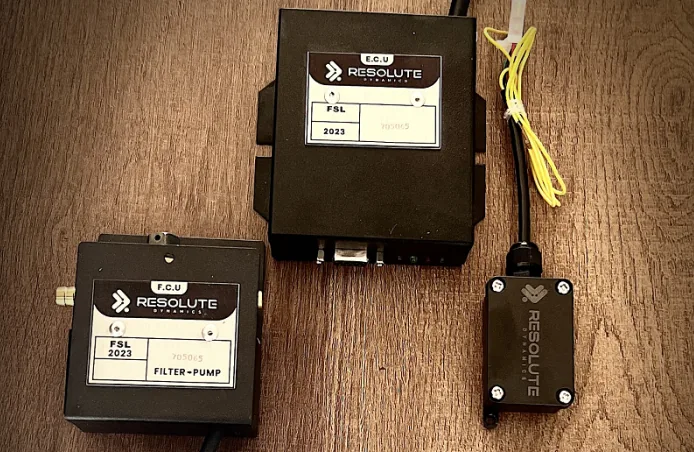
Speed is one of the biggest factors in road fatalities worldwide. I have studied transport policy and vehicle safety regulations for years, and one thing is clear: governments are tightening control over vehicle speed. Speed limiter laws are no longer optional policy experiments. They are becoming a global standard.
In this article, I compare speed limiter laws across 20 countries. I explain how these regulations work, why they exist, how they are enforced, and what they mean for fleet operators, transport companies, and road safety systems.
What Are Speed Limiter Laws?
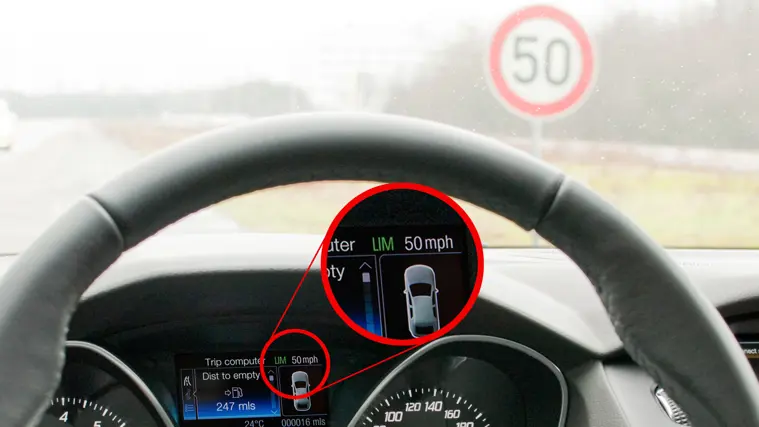
Speed limiter laws require certain vehicles to be fitted with devices that restrict maximum speed. These devices are also called:
-
Speed governors
-
Intelligent Speed Assistance (ISA) systems
-
Adaptive speed limiters
-
Electronic speed management systems
The goal is simple: reduce excessive speeding and lower crash severity.
Most countries apply these laws to:
-
Heavy goods vehicles (HGVs)
-
Commercial trucks
-
Public transport buses
-
School buses
-
Taxis
-
Fleet vehicles
In some regions, passenger cars are now included under advanced driver assistance system (ADAS) regulations.
How Speed Limiter Devices Work
Before we can truly understand global speed limiter laws, we must understand the technology behind them. Laws are built around capability. And capability comes from engineering.
Speed limiter systems have evolved from simple mechanical restrictions to highly intelligent, sensor-driven safety ecosystems. Today, they integrate with engine control units, telematics platforms, digital maps, and even artificial intelligence algorithms.
Let’s break down each type in detail.
1. Mechanical Speed Limiters
Mechanical speed limiters are the earliest form of speed governance technology. These systems were common before modern electronic control systems became standard.
How They Function
Mechanical limiters work by physically restricting:
-
Throttle cable movement
-
Fuel injection flow
-
Air intake mechanisms
In diesel engines, a governor mechanism regulates fuel delivery to prevent the engine from exceeding a preset RPM (revolutions per minute). Since vehicle speed is linked to engine RPM, limiting engine speed indirectly limits vehicle speed.
Engineering Characteristics
-
Operate through springs, weights, and mechanical linkages
-
No digital interface
-
Fixed speed threshold
-
Limited calibration flexibility
These systems rely on centrifugal force principles. As engine speed increases, mechanical weights expand outward and restrict further acceleration.
Limitations
-
Low precision at high speeds
-
Vulnerable to wear and tear
-
Easier to tamper with
-
No dynamic adjustment to road conditions
Mechanical systems do not “understand” road speed limits. They simply cap maximum engine output. That is why they are largely obsolete in modern fleet vehicles.
2. Electronic Speed Limiters
Electronic speed limiters represent a major technological shift. Instead of physical restriction, they rely on digital control via the Engine Control Unit (ECU).
Core Mechanism
Electronic limiters monitor vehicle speed using:
-
Wheel speed sensors
-
Transmission sensors
-
Engine RPM sensors
The ECU continuously processes this data. When the vehicle approaches a programmed speed threshold, the ECU intervenes by:
-
Reducing fuel injection
-
Limiting throttle response
-
Adjusting ignition timing
This intervention is precise and happens within milliseconds.
Integration with CAN Bus Systems
Modern vehicles use a Controller Area Network (CAN bus). This is the internal communication network connecting:
-
Engine systems
-
Braking systems
-
Transmission
-
Telematics modules
Electronic speed limiters operate within this network, allowing seamless coordination with:
-
Anti-lock Braking Systems (ABS)
-
Electronic Stability Control (ESC)
-
Adaptive Cruise Control
This interconnected structure improves reliability and reduces manipulation risk.
Anti-Tampering Features
Unlike mechanical systems, electronic limiters:
-
Store calibration data digitally
-
Log system changes
-
Trigger diagnostic fault codes if altered
In many jurisdictions, tampering can be detected during inspections using onboard diagnostics (OBD) tools.
Real-World Application
Electronic speed limiters are widely used in:
-
Heavy goods vehicles (HGVs)
-
Public buses
-
Long-haul freight fleets
-
School transport vehicles
They offer consistent speed control but still operate on a fixed speed ceiling.
3. GPS-Based Speed Limiters
GPS-based systems introduced location awareness into speed management.
These systems use:
-
Global Positioning System (GPS) satellites
-
Digital road map databases
-
Geofencing software
How They Work
The system continuously determines the vehicle’s geographic position. It compares that position against a digital map containing speed limit data.
If the road segment has a lower speed limit than the vehicle’s preset maximum, the system adjusts accordingly.
For example:
-
Highway limit: 100 km/h
-
Urban zone limit: 50 km/h
As the vehicle enters the urban zone, the limiter automatically reduces allowable speed.
Key Technical Components
-
GNSS receiver (Global Navigation Satellite System)
-
Onboard digital cartography
-
Speed compliance algorithms
-
Telematics interface
Advantages
-
Dynamic speed adaptation
-
Geofencing for restricted areas
-
Fleet-wide speed management policies
-
Centralized monitoring
Limitations
-
Map database accuracy issues
-
Signal loss in tunnels or remote areas
-
Latency in real-time updates
Despite limitations, GPS-based limiters significantly improved contextual speed control.
4. Adaptive Speed Limiters (Intelligent Speed Assistance – ISA)
Adaptive Speed Limiters, also called Intelligent Speed Assistance (ISA), represent the most advanced evolution in speed governance.
These systems combine multiple technologies to create real-time, intelligent speed adaptation.
Core Components
ISA systems integrate:
-
GPS and digital mapping
-
Speed sign recognition cameras
-
Forward-facing optical sensors
-
Telematics systems
-
ECU integration
-
Machine vision algorithms
How ISA Works
-
The onboard camera scans road signs.
-
Image recognition software identifies speed limit signs.
-
GPS cross-checks map-based speed data.
-
The system compares current vehicle speed with detected speed limit.
-
If necessary, the system intervenes.
Intervention methods vary:
-
Audible warnings
-
Pedal resistance feedback
-
Automatic throttle restriction
-
Gradual engine power reduction
Some systems are “advisory,” meaning they warn drivers. Others are “active,” meaning they physically limit speed.
Sensor Fusion Technology
Modern ISA systems use sensor fusion — combining multiple data sources to improve reliability. For example:
-
Camera reads a 60 km/h sign
-
GPS confirms the mapped speed
-
Vehicle speed sensor verifies actual velocity
This redundancy reduces false readings.
Integration with Advanced Driver Assistance Systems (ADAS)
ISA is part of the broader ADAS ecosystem, alongside:
-
Lane Keeping Assist
-
Autonomous Emergency Braking
-
Adaptive Cruise Control
-
Collision Avoidance Systems
Together, these systems create a semi-autonomous safety net.
Compliance and Regulation
The European Union mandates ISA in new passenger vehicles. This marks a transition from static speed caps to contextual speed intelligence.
ISA is no longer optional technology. It is becoming a legal requirement in many regions.
From Mechanical Control to Intelligent Ecosystems
The evolution of speed limiter technology reflects a broader shift in automotive engineering:
-
Mechanical limitation → Fixed electronic caps
-
Fixed caps → GPS contextual control
-
Contextual control → AI-driven intelligent adaptation
Today’s speed limiter systems are not isolated devices. They are embedded within:
-
Connected vehicle architectures
-
Fleet telematics networks
-
Smart city infrastructure
-
Roadside enforcement systems
Speed management is moving toward predictive, data-driven regulation rather than simple maximum speed restriction.
Understanding this technological progression helps explain why governments are updating laws. As technology becomes more precise, regulations become more demanding.
Speed limiter systems are no longer just compliance tools. They are foundational components of modern road safety ecosystems.
Why Speed Limiter Laws Exist
The relationship between speed and crash severity is exponential, not linear. Even a small increase in speed dramatically increases fatal injury risk.
Governments implement speed limiter laws to:
-
Reduce road fatalities
-
Lower insurance claims
-
Improve fleet safety compliance
-
Standardize vehicle safety standards
-
Support Vision Zero strategies
The World Health Organization and road safety agencies worldwide consistently report that speed management is one of the most effective interventions for reducing road trauma.
Comparison Framework: How I Evaluated 20 Countries
To make this comparison meaningful, I focused on:
-
Vehicle categories covered
-
Mandatory vs voluntary systems
-
Technology type required
-
Speed caps imposed
-
Enforcement structure
-
Penalty system
-
Implementation timeline
This helps fleet operators operating across borders understand regulatory disparities.
Speed Limiter Laws in 20 Countries
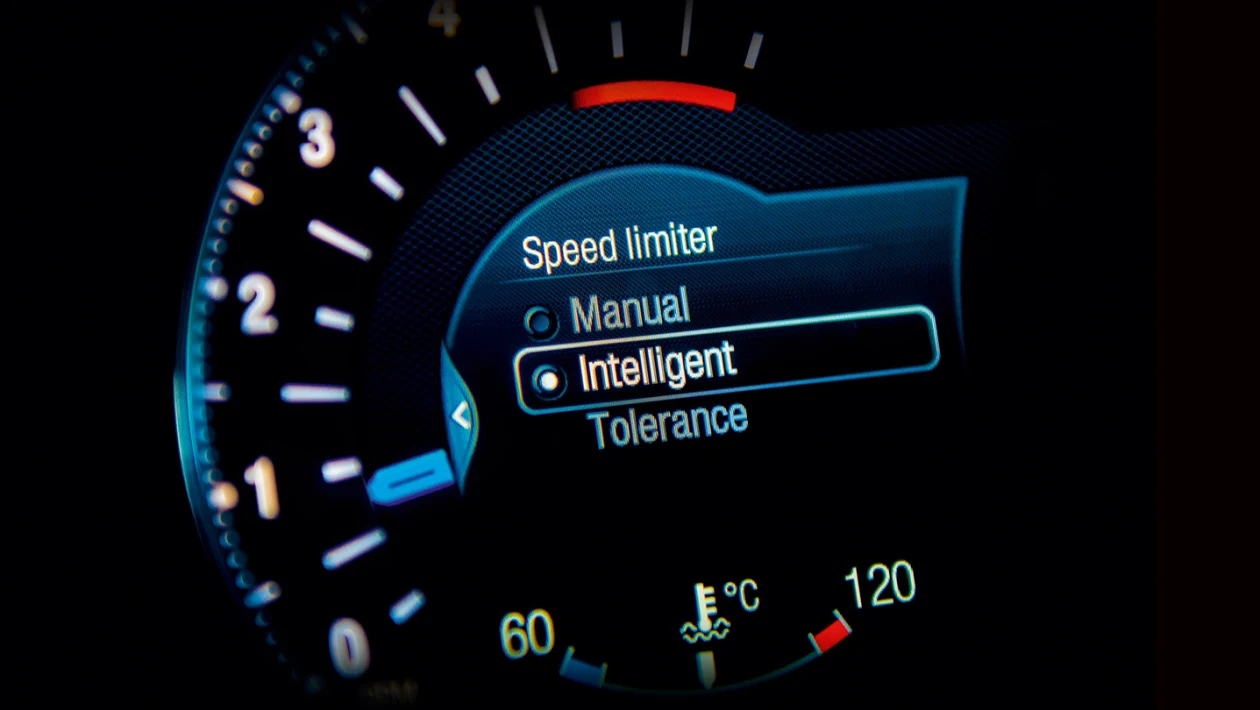
Below is a comparative summary of key regulatory environments.
Speed limiter regulations vary widely across jurisdictions, but one pattern is clear: governments are tightening control over commercial vehicle speed to improve road safety, reduce crash severity, and enforce transport compliance.
Below is a detailed breakdown of how 20 countries regulate speed limiters, including vehicle categories, speed caps, enforcement mechanisms, and implementation frameworks.
1. European Union
The European Union leads the world in Intelligent Speed Assistance (ISA) regulation under the EU General Safety Regulation (GSR2).
Legal Framework
-
Mandatory ISA for all new passenger cars and light commercial vehicles since July 2022.
-
Applies to new vehicle types first, then all new registrations.
-
Governed under UNECE vehicle safety regulations.
Heavy Vehicles
-
Trucks over 3.5 tonnes: speed limiters capped at 90 km/h.
-
Buses over 10 tonnes: capped at 100 km/h.
Technology Requirements
-
Intelligent Speed Assistance using:
-
Speed sign recognition cameras
-
GPS mapping
-
Engine control unit integration
-
Enforcement
-
Vehicle type approval compliance.
-
Periodic technical inspections (PTI).
-
Cross-border enforcement across EU member states.
The EU model is shifting from fixed speed governors to adaptive, data-driven speed management.
2. United Kingdom
After Brexit, the UK largely retained EU-aligned vehicle safety standards.
Coverage
-
Heavy Goods Vehicles (HGVs) over 3.5 tonnes require speed limiters.
-
New vehicles must include Intelligent Speed Assistance systems.
Speed Caps
-
Trucks: 90 km/h (56 mph).
-
Buses: 100 km/h (62 mph).
Enforcement
-
DVSA roadside inspections.
-
Tachograph data checks.
-
Heavy penalties for tampering or non-compliance.
The UK combines physical speed limiters with digital tachograph compliance systems.
3. Germany
Germany follows EU directives but applies strong domestic enforcement.
Applicability
-
Commercial trucks above 3.5 tonnes.
-
Public transport buses.
Key Detail
-
Even though parts of the Autobahn have no speed limit for cars, heavy vehicles must comply with 90 km/h cap.
Compliance Monitoring
-
Federal Motor Transport Authority (KBA).
-
Mandatory vehicle inspections.
-
Digital enforcement infrastructure.
4. France
France maintains strict speed governance policies.
Requirements
-
Trucks over 3.5 tonnes: mandatory 90 km/h limiter.
-
Coaches: 100 km/h limit.
Enforcement
-
Automated speed cameras.
-
On-board compliance checks.
-
Strong roadside inspection presence.
France also integrates speed enforcement with insurance and liability frameworks.
5. Italy
Italy enforces EU-level compliance with additional telematics adoption.
Scope
-
Heavy trucks and buses.
-
Fleet vehicles in logistics and freight sectors.
Operational Reality
-
Fleet operators often integrate telematics for compliance reporting.
-
Digital fleet management platforms are common.
6. Spain
Spain aligns with EU General Safety Regulation.
Enforcement
-
Guardia Civil conducts inspections.
-
Tachograph verification.
-
Regular roadside audits.
Spain focuses heavily on commercial freight compliance.
7. United States
The U.S. does not yet mandate a nationwide speed limiter law for all heavy trucks.
Current Status
-
No federal speed cap requirement for all trucks.
-
FMCSA has proposed heavy truck speed limiter rules.
Reality
-
Many large fleet operators voluntarily cap trucks at 65–70 mph.
-
Insurance companies encourage speed governance.
Enforcement
-
State-level highway patrol oversight.
-
Electronic logging device (ELD) monitoring.
The U.S. remains decentralized in speed limiter policy.
8. Canada
Canada enforces speed limiter laws provincially.
Ontario & Quebec
-
Mandatory 105 km/h cap for heavy trucks.
-
Applies to trucks over 11,794 kg (26,000 lbs).
Enforcement
-
Roadside inspections.
-
Electronic engine module verification.
-
Significant fines for tampering.
9. Australia
Australia mandates speed limiters for heavy vehicles nationally.
Coverage
-
Trucks over 12 tonnes.
-
Buses carrying passengers.
Speed Cap
-
Typically 100 km/h.
Enforcement
-
National Heavy Vehicle Regulator (NHVR).
-
Random compliance checks.
-
Heavy penalties for bypassing limiters.
10. New Zealand
New Zealand enforces electronic speed limitation on heavy commercial vehicles.
Framework
-
Managed by NZ Transport Agency.
-
Integrated with road safety strategy initiatives.
Enforcement is strong due to strict transport safety culture.
11. India
India mandates speed governors under Central Motor Vehicle Rules.
Coverage
-
Transport vehicles.
-
School buses.
-
Commercial passenger vehicles.
Challenges
-
Enforcement varies by state.
-
Tampering issues have been reported.
Speed caps often range between 60–80 km/h depending on vehicle type.
12. Japan
Japan requires speed limiters for large trucks.
Implementation
-
Heavy vehicles limited to 90 km/h.
-
Advanced driver assistance adoption is increasing.
Japan emphasizes automation and road discipline.
13. China
China enforces speed limiters particularly for:
-
Hazardous materials transport
-
Long-distance freight vehicles
Enforcement
-
GPS-based fleet monitoring.
-
Digital surveillance networks.
China integrates speed regulation with smart transport systems.
14. United Arab Emirates
The UAE mandates speed limiters in heavy vehicles and buses.
Features
-
GPS-based monitoring.
-
Government-linked fleet tracking systems.
-
Speed caps vary by emirate.
Smart city infrastructure supports enforcement.
15. Saudi Arabia
Saudi Arabia requires speed limiters in commercial trucks.
Enforcement
-
Integrated with traffic camera systems.
-
Strong penalties for violations.
Government focus is on reducing freight-related fatalities.
16. South Africa
South Africa mandates speed governors in heavy commercial vehicles.
Verification
-
Roadworthiness certification.
-
Compliance inspections.
Implementation quality varies by region.
17. Brazil
Brazil requires speed limiters for commercial transport fleets.
Enforcement
-
Federal and state transport authorities.
-
Digital freight monitoring in major corridors.
Enforcement intensity differs across states.
18. Mexico
Mexico increasingly requires speed limiters for freight vehicles.
Key Factor
-
Cross-border trade with the United States influences regulation.
Compliance is higher among large logistics operators.
19. Philippines
Public utility vehicles (PUVs) must install speed limiters under modernization reforms.
Purpose
-
Improve bus and jeepney safety.
-
Reduce fatal crash rates.
Enforcement is improving but still evolving.
20. Singapore
Singapore maintains strict heavy vehicle speed control laws.
Coverage
-
Heavy trucks.
-
Public buses.
Enforcement
-
Digital road monitoring.
-
Integrated national traffic systems.
-
Severe penalties for non-compliance.
Singapore’s centralized digital enforcement model ensures high compliance.
Global Patterns Observed
After examining these 20 countries, several themes emerge:
-
Europe leads in Intelligent Speed Assistance adoption.
-
North America remains decentralized.
-
Asia is integrating digital enforcement rapidly.
-
Middle Eastern countries leverage centralized surveillance.
-
Emerging economies face enforcement consistency challenges.
Speed limiter regulation is transitioning from mechanical restriction to intelligent, connected vehicle ecosystems.
The trajectory is clear: digital compliance, real-time speed governance, and stricter enforcement will define the future of global transport safety.
Regional Trends
Europe
Leading in Intelligent Speed Assistance. ISA is becoming normalized for passenger vehicles.
North America
Commercial fleet-focused regulation. Less uniformity across jurisdictions.
Asia-Pacific
Rapid modernization. Growing integration of telematics and digital enforcement.
Middle East
Strong centralized enforcement for commercial fleets.
Latin America & Africa
Regulatory frameworks exist but enforcement consistency varies.
Enforcement and Penalties
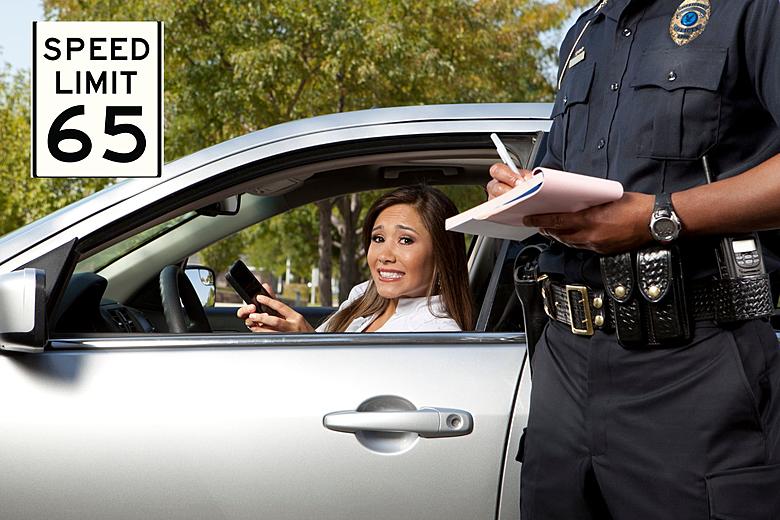
Speed limiter laws are enforced through:
-
Roadside inspections
-
Periodic vehicle testing
-
Digital tachographs
-
Telematics audits
-
Automated speed camera systems
Penalties may include:
-
Heavy fines
-
Fleet suspension
-
Insurance penalties
-
License revocation
-
Criminal liability in fatal accidents
Non-compliance can also damage corporate reputation and increase legal exposure.
Benefits of Compliance
From years of reviewing transport systems, I have seen clear benefits:
1. Reduced Collision Severity
Lower speeds directly reduce fatal outcomes.
2. Fuel Efficiency
Speed optimization lowers fuel consumption and carbon emissions.
3. Lower Maintenance Costs
Engines and braking systems last longer under speed control.
4. Insurance Incentives
Many insurers reward fleets that install electronic speed management systems.
5. Corporate Responsibility
Compliance signals commitment to public safety.
Challenges and Operational Considerations
Not everything is seamless.
-
Map database inaccuracies affect GPS limiters.
-
Cross-border fleets face regulatory inconsistencies.
-
Older vehicles may lack ECU compatibility.
-
Driver resistance sometimes slows adoption.
-
Tampering risks still exist in weak enforcement areas.
Fleet managers must balance safety, operational efficiency, and regulatory compliance.
The Future of Speed Limiter Regulation
The future is moving toward:
-
Full Intelligent Speed Assistance integration
-
AI-driven telematics
-
Real-time regulatory compliance monitoring
-
Connected vehicle infrastructure (V2X communication)
-
Data-driven enforcement
More countries are aligning with global road safety targets, including Vision Zero frameworks.
Passenger vehicles will increasingly adopt adaptive speed systems, not just heavy trucks.
Frequently Asked Questions
Are speed limiters mandatory everywhere?
No. Laws vary by country and vehicle category.
Do speed limiters prevent all speeding?
They prevent exceeding preset thresholds but may not stop unsafe behavior entirely.
Are adaptive systems better than fixed limiters?
Adaptive systems provide contextual speed control, making them more aligned with modern traffic management systems.
Do speed limiter laws improve road safety?
Evidence shows strong correlation between speed management and reduced fatality rates.
Conclusion
Speed limiter laws are no longer limited to commercial trucking policy. They are part of a global movement toward safer roads, intelligent transport systems, and digital compliance frameworks.
Across 20 countries, one pattern is clear: speed governance is tightening. The debate is no longer about whether speed limiters should exist. It is about how advanced and intelligent they will become.
For fleets, regulators, and safety professionals, understanding these laws is essential. Compliance is not just about avoiding fines. It is about protecting lives, improving operational resilience, and building a safer transport ecosystem for everyone.
Related regional deep-dives: GCC speed limiter laws, UAE/Oman/India/Zim comparison, and Canada speed limiter laws.

The Resolute Dynamics team designs and manufactures speed limiters (SLD), GPS tracking, and automotive safety systems used on 200,000+ vehicles across 20+ countries. We write about fleet compliance, road-safety regulation, and vehicle-safety technology, including Malaysia’s JPJ SLD mandate, UAE RTA rules, and global standards like UN R89, to help fleet operators and transport businesses stay safe and compliant.