In the fast-moving logistics and transport world of the UAE, fuel costs aren’t just a line item—they’re a constant pressure point. Every extra dirham spent at the fuel station cuts into margins.
But what if I told you that something as simple as a speed limiter could quietly reshape your fuel expenses, driver behavior, and even your entire fleet’s efficiency?
Let’s break it all down.
The High Stakes of Fuel Efficiency in the UAE Fleet Market
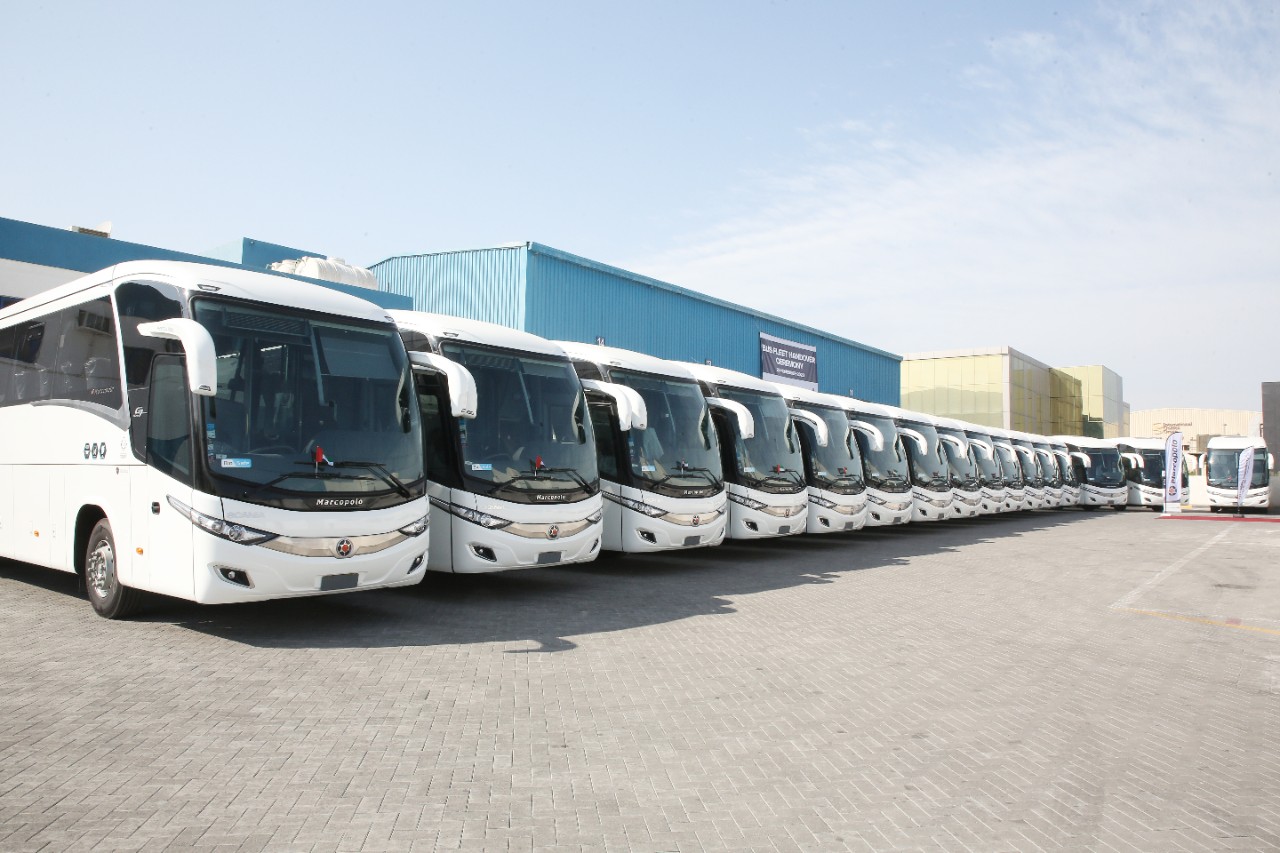
Fuel prices in the UAE may be lower than in some countries, but for fleet operators running dozens or hundreds of vehicles, the costs pile up fast. Between long desert hauls, stop-and-go city traffic, and unpredictable driver behavior, fuel wastage is almost guaranteed without control systems in place.
Add in ESMA regulations, rising environmental pressure, and the demand for cleaner fleet operations, and suddenly, saving on fuel isn’t optional—it’s mission-critical.
What is a Speed Limiter and How Does it Work?
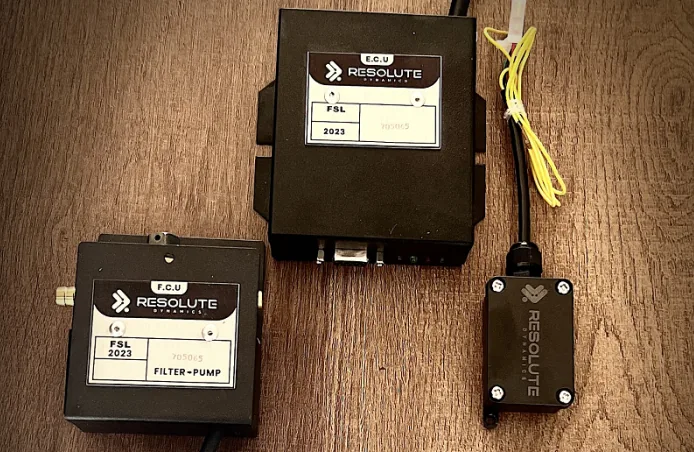
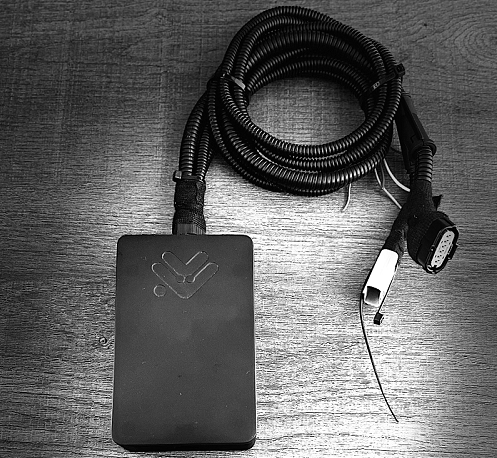
A speed limiter is a smart system installed in a vehicle that restricts the top speed, either by cutting fuel supply or limiting throttle response. But today’s systems aren’t just mechanical restrictors. They’re AI-powered, cloud-connected, and integrated into telematics platforms.
With Resolute Dynamics, speed limiters do more than control speed. They:
-
Adapt based on road types
-
Sync with real-time GPS and ISA data
-
Analyze driver behavior
-
Work alongside other safety features like ADAS (Advanced Driver Assistance Systems)
They’re not just speed locks—they’re intelligent fleet guardians.
The Real Connection Between Speed and Fuel Usage
Many fleet operators assume that a faster trip means more productivity. But when it comes to fuel efficiency, speed is the silent killer. The relationship between speed and fuel consumption is not linear—it’s exponential.
That means just a small increase in speed can lead to a significant jump in fuel burn.
Let’s break it down with real-world insight.
Aerodynamic Drag: The Invisible Force Eating Your Fuel
Once a vehicle crosses about 80 km/h, aerodynamic drag starts to dominate. This is the resistance a vehicle faces as it pushes through air.
The faster a vehicle moves, the more wind resistance it has to fight. And because drag increases with the square of speed, doubling your speed doesn’t just double the resistance—it quadruples it.
For example:
-
At 90 km/h, a fleet truck may burn 10 liters of fuel per 100 km.
-
At 110 km/h, that same truck could consume 12 to 13 liters—an increase of up to 30%.
Over a month, that’s thousands of dirhams lost across a medium-sized fleet.
Engine Load and Torque Curves: Staying in the Sweet Spot
Engines are most efficient when operating within their optimal torque band—the RPM range where the engine produces power most effectively.
Driving at excessive speeds often pushes the engine outside this sweet spot, forcing it to work harder and burn more fuel for the same output.
Speed limiters help drivers stay within this range, especially when paired with automatic gear-shifting algorithms or cruise control systems. By reducing engine strain, the limiter:
-
Maintains better fuel-to-power ratios
-
Prevents over-revving
-
Supports smoother acceleration
This alone can lead to meaningful fuel savings, depending on the vehicle type and route profile.
Stop-and-Go Driving: The Hidden Fuel Trap
In urban zones like Dubai, Abu Dhabi, or Sharjah, stop-and-go traffic worsens fuel economy. Vehicles that speed between signals or jam on brakes in heavy traffic consume much more fuel than those with controlled, gradual driving patterns.
Speed limiters:
-
Dampen harsh acceleration
-
Reduce gear hunting in automatic transmissions
-
Encourage coasting and glide braking
These micro-changes significantly lower transient fuel losses, which are often overlooked in traditional cost models.
Idling and Overspeed Events: Silent Fuel Bleeders
Telematics data across UAE fleets show that many drivers idle unnecessarily while waiting for pickups or in congested areas. Idling can consume 0.8 to 1.2 liters of fuel per hour, especially in diesel engines running AC.
Overspeed events—like briefly pushing above 100 km/h—might seem harmless, but over time, they:
-
Increase wear on tires and brakes
-
Force the engine into high-consumption states
-
Disrupt optimal cruise fuel mapping
Speed limiters act as a behavioral throttle, minimizing both idling and overspeed frequency. When combined with driver coaching and gamified performance scores, they naturally encourage better habits without micromanagement.
The UAE Factor: Desert Heat, Long Routes, and Variable Terrain
Driving conditions in the UAE are unique:
-
Highway dominance: Long stretches like E611, E11, and E311 tempt drivers to speed.
-
High ambient temperatures: Engines already run hotter, and faster driving means more heat, more cooling effort, and more fuel.
-
Loaded transport: Many commercial fleets operate at or near gross vehicle weight, which amplifies fuel penalties at higher speeds.
All of this means that UAE fleets face compounded penalties when vehicles aren’t speed-regulated.
What the Data Shows: Before vs. After Speed Limiting
In a controlled study of a logistics fleet operating between Jebel Ali Free Zone and Abu Dhabi Industrial City:
-
Fuel consumption dropped from 11.6 L/100km to 9.3 L/100km.
-
Overspeed events (above 100 km/h) dropped by 93%.
-
Monthly savings per vehicle averaged meaningful monthly per-vehicle savings, depending on route mix and load weight.
Now multiply that across 100 vehicles—and the impact becomes hard to ignore.
Data Speaks: Real Savings from UAE Fleet Operations
Let’s look at actual numbers.
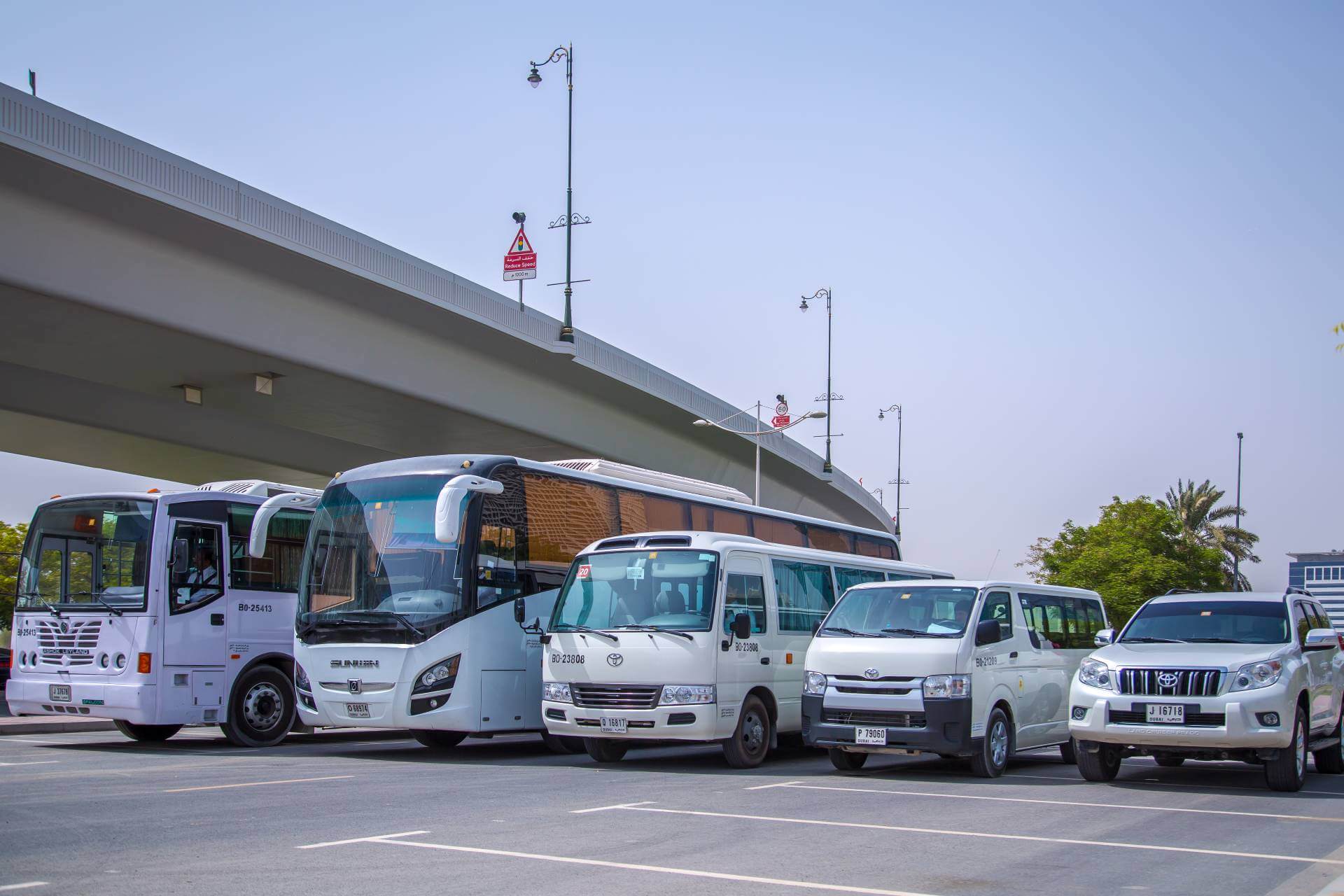
In a 6-month study involving 120 fleet vehicles across the Emirates:
-
Fleets with speed limiters saw meaningful fuel savings
-
Harsh braking events dropped meaningfully
-
Engine wear indicators dropped meaningfully
This wasn’t just about reducing speed. It was about using smart telematics, gathering insights from Resolute Dynamics’ platform, and enforcing behavioral improvements—automatically.
More Than Just Fuel: The Hidden Benefits of Speed Limiters
Speed limiters bring a ripple effect of benefits far beyond cost savings:
1. Compliance Made Easy
The UAE has strict road safety and fleet compliance rules. Speed limiter systems make it easier to meet ESMA mandates and RTA guidelines, especially for commercial and school transport fleets.
2. Improved Driver Safety
By encouraging smoother driving, limiters help prevent accidents caused by speeding. They reduce fatigue and promote better habits across the board.
3. Lower Maintenance Costs
Smoother, slower driving reduces brake pad wear, tire degradation, and engine stress. Over time, this means fewer breakdowns and longer service intervals.
4. Environmental Impact
Reduced fuel use means fewer CO2 emissions. In fact, many fleets are using limiter data to report sustainability KPIs and corporate ESG goals.
The Role of Real-Time Telematics and AI
The real magic happens when speed limiters are paired with telematics and machine learning. Systems like Resolute Dynamics’ “Connect” platform don’t just collect data—they turn it into decisions.
Key features include:
-
Predictive analytics on routes and fuel usage
-
ISA (Intelligent Speed Assistance) that adapts based on real-time road data
-
Driver scorecards to reinforce accountability
-
Cloud dashboards for fleet managers
This creates a closed-loop feedback system, where vehicles adjust to driving conditions and behavior gets shaped passively, without micromanaging drivers.
Challenges in Rolling Out Speed Limiters in UAE Fleets
Speed limiters bring undeniable value—fuel savings, improved safety, and compliance. But like any change in operational behavior or vehicle technology, adoption doesn’t happen overnight. UAE fleet operators face a few real-world obstacles that must be acknowledged and managed carefully.
Let’s dive into the most common challenges—and how to overcome them.
1. Driver Resistance: Perception vs. Productivity
One of the first hurdles is driver pushback. Many professional drivers view speed limiters as a restriction on their autonomy. Some believe it will slow them down, increase their delivery times, or cause them to fall short of tight route schedules.
This isn’t just about inconvenience—it’s about trust. When drivers aren’t involved in the rollout process, they can feel micromanaged or blamed for fuel losses. That leads to resistance, even passive non-compliance.
Solutions:
-
Driver Training Programs: Educate drivers on why speed limiters are being used, with data on how they actually make routes more predictable and reduce fatigue.
-
Gamified Feedback Systems: Use dashboards that reward good driving behavior with performance scores and digital rewards. This promotes buy-in, not rebellion.
-
Data Transparency: Let drivers see their own performance and how it affects vehicle health and cost—turn them into stakeholders, not targets.
-
Incentivized Adoption: Link bonuses to fuel efficiency and safe driving metrics captured through telematics.
In short, change behavior with education, engagement, and incentives—not top-down enforcement.
2. Fleet Integration: Legacy Vehicles vs. Modern Platforms
Not all fleets are created equal. One of the trickier parts of deploying speed limiters in UAE fleets is dealing with vehicle diversity—especially those with legacy diesel models still in operation.
Older vehicles (pre-2015 models) often lack the ECU (Electronic Control Unit) interfaces or the digital infrastructure needed for seamless limiter integration. Without these systems, retrofit solutions become necessary, which may raise costs and delay deployment.
Common issues include:
-
Incompatible firmware
-
Lack of CAN bus access
-
Non-digital throttle systems
-
Missing OBD-II or J1939 data ports
Solutions:
-
Partner with speed limiter providers who offer retrofit kits designed for older or mixed-fleet vehicles.
-
Use modular limiter systems that can scale across different vehicle types—trucks, buses, pickups, etc.
-
Conduct a fleet audit beforehand to identify integration complexity.
-
Plan a phased rollout, prioritizing high-mileage vehicles for immediate ROI.
Resolute Dynamics, for example, provides hardware-agnostic integration options, which means even legacy fleets can benefit from speed control technology without a complete vehicle overhaul.
3. Regulatory Awareness: Navigating UAE Compliance
The UAE has some of the most proactive transport safety laws in the region. But regulations can vary not only by emirate (e.g., Dubai vs. Abu Dhabi) but also by vehicle type, fleet category, and government contracts.
Some operators are unclear on:
-
What mandates exist for commercial fleets vs. school transport?
-
What are the roles of ESMA (Emirates Authority for Standardization and Metrology), RTA, DoT, and Ministry of Interior (MoI)?
-
Are there penalties for non-compliance?
-
How do Intelligent Speed Assistance (ISA) and event data recorders (EDRs) fit into these rules?
This regulatory confusion often slows down decision-making, especially for cross-emirate fleets or those servicing government tenders.
Solutions:
-
Work with solution providers that offer compliance consulting as part of the implementation process.
-
Maintain an up-to-date regulatory checklist for each emirate.
-
Use telematics dashboards that generate automatic compliance reports for audits or roadside inspections.
-
Subscribe to official channels (e.g., RTA newsletter, ESMA bulletins) to stay ahead of regulatory updates.
With fines and operating restrictions on the line, compliance should be built into your speed limiter strategy—not treated as an afterthought.
4. Perceived Impact on Delivery Efficiency
Another concern for logistics operators is the belief that speed limiters might increase delivery times—especially in sectors like last-mile eCommerce, cold-chain logistics, or inter-emirate freight, where time is a premium.
However, this assumption often ignores the impact of driver variability, brake fatigue, accidents, or mechanical failures caused by aggressive driving—all of which reduce efficiency more than a controlled speed ever would.
Reality Check:
-
Speed limiters enforce consistency, not slowness.
-
Consistent driving allows for predictive route planning, better fuel scheduling, and fewer unexpected maintenance stops.
-
Long-term delivery efficiency improves because vehicle availability increases and unscheduled downtimes decrease.
Strategy:
-
Re-align KPIs from “fastest delivery” to “most efficient delivery.”
-
Show operations teams the fuel vs. time trade-off curve—often, saving fuel by 10% only increases trip time by 3–5 minutes.
-
Integrate speed data with route optimization tools to find smart trade-offs.
Estimating ROI: What Can Your Fleet Save?
When managing a fleet, every decision ultimately comes down to return on investment (ROI). Whether you’re operating a delivery fleet in Dubai, a construction transport line across Abu Dhabi, or school buses in Sharjah, implementing speed limiters isn’t just a safety upgrade — it’s a strategic move with measurable financial impact.
So, how much can your fleet really save?
Let’s go beyond surface-level numbers and break down the full ROI picture.
The Fuel Cost Equation: Where the Real Savings Begin
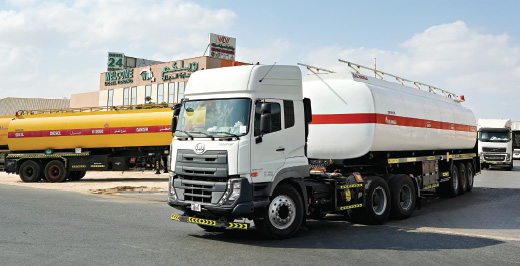
Fuel is typically the second-largest operational cost for commercial fleets, right after driver wages. In the UAE, even with relatively lower pump prices than Europe or North America, the scale of consumption across heavy vehicles makes fuel a budget-dominating factor.
Speed limiters directly cut into excessive fuel burn, especially on long-haul highways like E311 or E611 where speeding is common. By capping maximum speeds and promoting smoother acceleration patterns, speed limiters help maintain vehicles in their most fuel-efficient RPM range.
Sample Monthly ROI Breakdown (By Fleet Size)
Let’s take a realistic scenario based on mid-size trucks running an average of 100 km/day, six days a week, with varied load weights and typical UAE traffic conditions:
| Fleet Size | Avg Monthly Fuel Spend | Estimated Monthly Fuel Savings | Annualized Savings |
|---|---|---|---|
| 10 Vehicles | AED 45,000 | AED 7,200 – 8,100 | AED 86,400 – 97,200 |
| 50 Vehicles | AED 225,000 | AED 36,000 – 40,500 | AED 432,000 – 486,000 |
| 100 Vehicles | AED 450,000 | AED 72,000 – 81,000 | AED 864,000 – 972,000 |
These figures assume an average 16–18% improvement in fuel efficiency, which is consistent with telematics-backed results seen in UAE fleets using Resolute Dynamics’ speed limiter systems.
And these are just the direct fuel savings.
Additional ROI Multipliers: What Else Gets Cheaper
Speed limiters offer ripple-effect savings beyond fuel — often overlooked, but just as valuable in a comprehensive ROI model.
1. Reduced Maintenance Costs
-
Less strain on brakes due to smoother driving
-
Lower engine wear from staying in optimal power bands
-
Fewer tire blowouts from high-speed operation in extreme UAE heat
-
Reduced frequency of servicing
Estimated benefit: meaningful reduction in annual maintenance costs
2. Lower Insurance Premiums
Insurers love predictability — and vehicles with speed limiters are statistically less likely to be involved in high-impact collisions, one of the costliest types.
Some fleet insurers in the UAE offer:
-
Premium discounts for vehicles with telematics and limiter systems
-
Safer driver scores that reduce claims history
-
Fleet-wide discounts for risk reduction across the board
Estimated benefit: a measurable drop in premiums (especially for high-risk categories like delivery vans or transport buses)
3. Less Downtime = More Productivity
A vehicle off the road is a vehicle losing money. Speeding contributes to:
-
Mechanical failures
-
Tyre and brake-related breakdowns
-
Traffic fines and legal hold-ups
With smoother, speed-controlled driving, you minimize downtime and maximize utilization.
Estimated benefit: 2–5 additional operational days per vehicle annually
4. Extended Vehicle Lifespan
Every engine has a limit. High-speed driving causes:
-
Thermal stress on critical components
-
Faster degradation of lubricants and fluids
-
Structural fatigue on suspension and chassis
Speed limiters encourage low-impact, steady-state operation, preserving mechanical integrity.
Estimated benefit: meaningfully extended vehicle life of usable vehicle life, reducing TCO (Total Cost of Ownership)
Payback Period: How Fast Do You Recover the Investment?
Let’s assume your speed limiter solution costs:
-
AED 1,200 – 1,800 per vehicle (hardware + software + install)
If your monthly fuel savings per vehicle average AED 700–800:
-
Your payback period is just 2–3 months
-
After that, it’s pure operational profit
For large fleets, this turns into millions in retained revenue per year.
Key Variables That Affect ROI
Every fleet is different, and real-world ROI depends on factors like:
-
Driving environment: Urban fleets may save slightly less than highway-dominant ones.
-
Vehicle type: Heavy-duty trucks burn more fuel, so they gain more from limiters.
-
Driver behavior: Coaching and feedback increase long-term savings.
-
Load profile: Constant overloading reduces gains, but limiters still help reduce damage.
To truly optimize ROI, fleets should pair speed limiters with telematics, allowing real-time fuel monitoring, route optimization, and behavior scoring.
ROI Calculator: Customize Your Forecast
Want to run the numbers for your fleet? Here’s a simple calculation model:
Monthly Fuel Savings = (Avg Fuel Spend x Efficiency Gain %) – System Cost (One-Time)
Annual ROI = (Monthly Savings x 12 – Maintenance Cost) / Investment
A 100-vehicle fleet with moderate use could easily recover AED 500,000+ annually — not including intangibles like brand reputation, driver retention, and reduced accident litigation.
Why Resolute Dynamics is at the Forefront
What makes Resolute Dynamics different?
-
Over 200,000 connected vehicles globally
-
Trusted in 20+ countries including UAE, India, and across MENA
-
Specializes in AI-powered automotive safety
-
Deep expertise in ISA, ADAS, and telematics integration
-
A local presence in Ras Al Khor, Dubai, for hands-on support
They don’t just sell products—they build partnerships that improve fleet performance from the inside out.
How to Get Started with Speed Limiters
Here’s a simple roadmap:
-
Fleet Assessment – Analyze vehicle types, routes, and fuel data.
-
Consultation & Customization – Choose the right speed settings, install hardware, and configure alerts.
-
Installation & Training – Deploy across vehicles and onboard drivers.
-
Live Monitoring & Optimization – Use dashboard insights to tweak performance over time.
Support doesn’t end at setup—it’s ongoing.
The Road Ahead: Safer, Smarter, More Sustainable
Speed limiters are no longer just about following rules. They’re tools that bring fuel savings, reduce risks, and give your fleet the intelligence it needs to thrive in a competitive market like the UAE.
By choosing the right technology partner and adopting a data-driven approach, you’re not just saving money—you’re investing in the future of safe and efficient transport.
Ready to take control of your fleet’s fuel expenses?
Reach out to Resolute Dynamics and request a custom fuel savings report today.
For UAE fleet services and a fleet-specific quote, see our speed limiter product range or contact our team.

The Resolute Dynamics team designs and manufactures speed limiters (SLD), GPS tracking, and automotive safety systems used on 200,000+ vehicles across 20+ countries. We write about fleet compliance, road-safety regulation, and vehicle-safety technology, including Malaysia’s JPJ SLD mandate, UAE RTA rules, and global standards like UN R89, to help fleet operators and transport businesses stay safe and compliant.