Road safety is no longer just a nice idea — it’s a legal requirement. In Egypt, new speed limiter laws have taken effect, especially targeting commercial and fleet vehicles.
These laws are changing how companies manage their fleets and enforce compliance. Whether you’re running logistics across Cairo or operating a bus fleet in Alexandria, knowing the current regulations is not optional — it’s essential.
Let’s break down what the new Egyptian laws say, who they affect, and how you can prepare your fleet to stay compliant and safe.
What Is a Speed Limiter?
A speed limiter is an electronic or mechanical device installed in a vehicle to restrict its top speed, ensuring compliance with Egypt’s national road safety regulations. It’s not about slowing your drivers down to a crawl — it’s about enforcing legal speed thresholds to reduce crash risks, especially for heavy and commercial vehicles.
There are two main types:
-
Mechanical limiters, commonly used in older vehicles, physically restrict engine output.
-
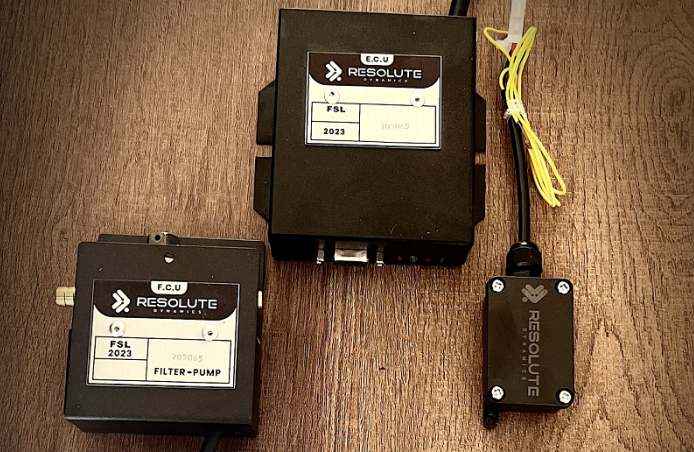
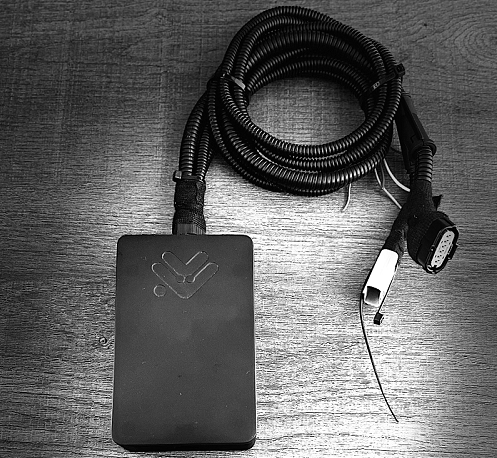
Electronic limiters, now more widely adopted, integrate with the vehicle’s ECU (Engine Control Unit) and adjust acceleration based on predefined limits.
In modern fleets, especially those using telematics and Intelligent Speed Assistance (ISA), speed limiters do more than just cap speed. They can:
-
Adapt to posted speed zones using GPS
-
Alert drivers in real time
-
Record driving behavior and speed compliance for audits
The implementation of the Egypt speed limiter policy aligns closely with UNECE Regulation No. 89, supporting Egypt’s broader 2030 Road Safety Strategy and regional transport modernization goals.
Who Must Comply with Speed Limiter Regulations?
Under the new law, any vehicle that falls under a commercial, fleet, or public service category must be equipped with a certified speed limiting device. Here’s a breakdown:
1. Commercial Trucks Above 3.5 Tons
-
Heavy goods vehicles (HGVs) are a top concern due to their mass and potential for high-speed collisions.
-
Any truck used for logistics, industrial delivery, or cross-border transport is required to comply.
2. Public Transport Buses
-
Intercity and intracity buses that transport passengers must have limiters installed.
-
The rule applies whether the vehicle is government-owned or private.
3. School Buses
-
Vehicles used to transport students (public or private schools) must have automatic speed limit control features.
-
ISA integration is highly encouraged to support school zone safety.
4. Fleet Delivery Vehicles
-
Vans, pickups, and cargo vehicles used in e-commerce, courier services, or last-mile delivery fall under this regulation.
-
Applies regardless of whether the company is registered locally or internationally.
5. Ride-Hailing & App-Based Fleet Vehicles
-
Vehicles operating under platforms like Uber, Careem, or similar must install limiters if owned under fleet licenses or corporate registrations.
-
Individual owners (private use) are currently exempt, unless the car is part of a registered fleet.
6. Government & Municipality Fleets
-
Includes police vehicles (non-emergency), sanitation trucks, and public service vans.
-
Even though operated by the government, these vehicles must meet compliance standards to set a precedent.
Legal Speed Thresholds Set by the Egyptian Traffic Authority
Speed thresholds vary by zone type, and the devices must enforce the following limits:
| Road Type | Maximum Allowed Speed (via Limiter) |
|---|---|
| Urban Areas | 60–70 km/h |
| Highways & Expressways | 90–100 km/h |
| School Zones | 30–40 km/h (ISA-triggered if equipped) |
| Industrial Zones | 40–60 km/h |
These thresholds are encoded directly into the speed limiter or intelligent control unit. If ISA (Intelligent Speed Assistance) is present, it will dynamically adjust the limit based on GPS coordinates and speed sign recognition.
This ensures not only legal compliance, but also automated speed adaptation, especially useful in areas with variable speed rules.
Implementation Timeline & Deadlines
Egypt is phasing in this regulation using a two-stage compliance schedule:
1. New Vehicle Registrations
-
Starting January 1, 2026, any new commercial or fleet vehicle registered in Egypt must come pre-installed with a certified and tested speed limiter device.
-
Imported vehicles must also show proof of compliance through customs documentation and vehicle inspection reports before registration.
2. Existing Vehicles (Retrofit Phase)
-
All currently operating vehicles under the categories listed above must be retrofitted with approved speed limiters by December 31, 2026.
-
The Vehicle Inspection Authority (VIA) will require certification during periodic inspections, and any vehicle found without a limiter after the deadline may be de-registered or fined.
Enforcement & Oversight
The enforcement of speed limiter rules will be managed by:
-
Traffic Police & Road Patrol Units
-
Vehicle Licensing Departments
-
Approved Inspection Stations
-
Customs Authority (for imported fleets)
Vehicles will be subject to random checks at road checkpoints, and authorities will be able to use On-Board Diagnostics (OBD-II) tools and remote fleet monitoring platforms to verify compliance.
If found non-compliant, vehicles may:
-
Be denied license renewal
-
Face fines between financial penalties under Egyptian traffic law
-
Have operating permits suspended or revoked
Certification and Installation Requirements

Getting a speed limiter installed in your fleet vehicle isn’t just a hardware upgrade — it’s a regulated certification process governed by Egyptian authorities. To ensure safety, accountability, and transparency, every speed-limiting system must meet a set of technical, procedural, and legal standards before it’s approved for road use.
This part of the regulation is especially important for fleet operators, importers, and automotive compliance officers. If a speed limiter isn’t installed properly or isn’t certified, the vehicle may fail inspection, incur fines, or even face license suspension.
Let’s break down exactly what’s required in Egypt’s speed limiter certification and installation process.
What’s Required for Device Certification?
Before any device can be installed in a vehicle, it must be certified by Egypt’s national standardization body — the Egyptian Organization for Standardization & Quality (EOSQ). The certification ensures that only high-quality, tamper-resistant, and internationally compliant devices are used.
Here’s what makes a speed limiter “certifiable”:
1. UNECE Regulation No. 89 Compliance
Egypt adheres to UNECE Regulation No. 89, which sets the global benchmark for the performance and reliability of speed limitation devices in commercial vehicles. This regulation mandates that the device must:
-
Accurately limit maximum vehicle speed within a narrow margin of error
-
Function reliably under all environmental conditions (heat, vibration, altitude)
-
Resist manipulation or interference from the driver
2. Tamper-Proof Engineering
To prevent drivers from disabling or bypassing the limiter, devices must be equipped with:
-
Digital tamper logs
-
Secure firmware that prevents unauthorized access
-
Encryption protocols that detect any breach or attempt to modify settings
3. Calibration and Traceability
Every certified device must come with:
-
Calibration data sheets, showing exact speed thresholds programmed
-
A serial number and installation record linked to a specific vehicle VIN
-
Compatibility with OBD-II diagnostics for real-time monitoring
4. Data Output Capabilities
Modern fleet management requires data. Certified devices must be capable of:
-
Real-time data sharing via telematics (e.g., speed reports, alert logs)
-
Integration with Intelligent Speed Assistance (ISA) systems
-
Storage of historical speed data for audit or inspection purposes
This makes the device not just a limiter, but part of an intelligent control ecosystem — improving both safety and compliance.
Installation Rules & Authorized Process
After certification, proper installation becomes the next critical step. Egypt’s regulations clearly define who can install these systems and how the process must be carried out.
1. Licensed Installation Centers Only
-
Speed limiters must be installed by MOI-licensed workshops or Transport Authority–approved agents.
-
These centers are trained to handle the wiring, ECU integration, and calibration required for accuracy.
-
A record of the installation, including technician ID and timestamp, must be submitted to the central transport database.
2. Post-Installation Testing
Once the device is installed:
-
The vehicle undergoes speed simulation testing using certified tools.
-
The test checks for maximum speed cap, device responsiveness, and telemetry accuracy.
-
Any failure in this test requires re-installation or recalibration.
3. Issuance of the Speed Limiter Certificate
If the vehicle passes all checks, the center issues a Speed Limiter Compliance Certificate, which includes:
-
Vehicle Identification Number (VIN)
-
Device brand and serial number
-
Date of installation and next service due
-
QR code or digital tag linked to the Egyptian traffic compliance system
This certificate must be:
-
Stored in the vehicle at all times
-
Presented during road inspections
-
Renewed if the device is tampered with or replaced
Failure to present the certificate can result in:
-
On-the-spot fines
-
Refusal to renew vehicle license
-
De-registration from commercial fleet status
Additional Notes for Imported Vehicles
If a fleet operator imports vehicles from outside Egypt:
-
Speed limiters must be pre-installed and meet UNECE Reg. No. 89.
-
Devices must be re-certified by EOSQ or an approved third-party verification body upon arrival.
-
Customs clearance may be denied if documentation is incomplete.
Penalties for Non-Compliance
Failing to install or certify a speed limiter is now a serious offense. Here’s what violators can expect:
-
Fines ranging from EGP 5,000 to 20,000 per vehicle
-
Suspension of operating license for fleet operators
-
Confiscation of the vehicle in repeated offenses
-
Increased insurance premiums or coverage denial
Authorities use roadside inspection checkpoints, onboard diagnostics (OBD) scans, and connected telematics audits to enforce compliance.
How Telematics and ISA Help With Compliance
Staying compliant with Egypt’s 2026 speed limiter laws goes far beyond simply installing a device. To truly meet the legal, operational, and safety standards, fleet operators must adopt smart, data-driven vehicle management systems.
This is where Telematics and Intelligent Speed Assistance (ISA) come in — they are not just tools for compliance, but key enablers of a safer, more efficient, and proactive fleet culture.
What is Intelligent Speed Assistance (ISA)?
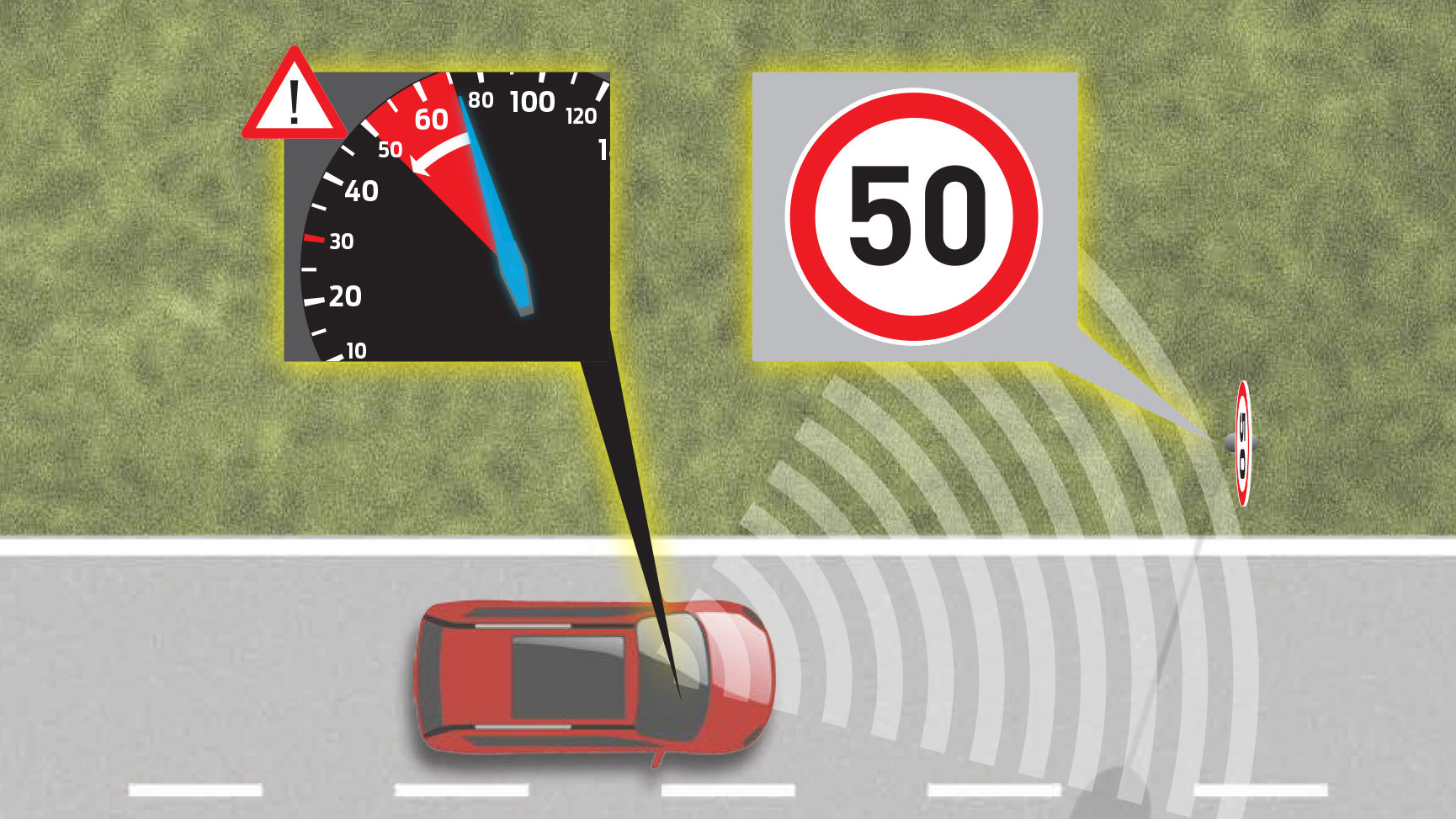
Intelligent Speed Assistance (ISA) is a vehicle system designed to help drivers maintain legal speed limits. It uses a combination of GPS data, speed sign recognition cameras, and engine control systems to:
-
Detect the current speed limit based on location and road conditions.
-
Warn drivers when they’re about to exceed it.
-
Automatically limit or reduce engine power if the driver does not comply (in Active ISA).
There are two types of ISA systems:
Passive ISA
-
Alerts the driver via audible or visual warnings.
-
The driver retains full control but is made aware of speed violations.
Active ISA
-
Actively restricts engine output to prevent overspeeding.
-
Overrides acceleration in real-time, especially in critical zones like school areas or urban centers.
ISA systems are recommended under UNECE Regulation No. 157 and are becoming mandatory in several global markets. Egypt’s new road safety rules strongly encourage ISA as part of its advanced driver assistance system (ADAS) initiatives.
What is Telematics and How Does It Work?
Vehicle telematics refers to the integrated system of GPS tracking, onboard diagnostics, wireless communication, and data analytics that monitor and report on every movement and behavior of a fleet vehicle.
Telematics platforms like those used by Resolute Dynamics collect real-time data from:
-
Speed limiters
-
Brake and throttle sensors
-
Cameras and radar
-
GPS location
-
Driving patterns (acceleration, cornering, idling, etc.)
The data is stored, processed, and transmitted to a central platform where fleet managers can:
-
Monitor driver behavior
-
Generate compliance reports
-
Receive safety alerts
-
Perform predictive maintenance
When ISA and telematics are combined, they form a powerful ecosystem that does more than just enforce rules — it proactively prevents violations.
How ISA + Telematics Ensure Legal Compliance

1. Live Speed Violation Alerts
Drivers receive real-time alerts when approaching or exceeding speed thresholds, allowing them to adjust behavior instantly. These alerts are:
-
Audible inside the vehicle
-
Logged in the system for future analysis
-
Escalated to managers if repeated violations occur
This ensures every vehicle complies with Egypt’s zone-specific speed limits, especially in:
-
School zones (30–40 km/h)
-
Urban centers (60–70 km/h)
-
Highways (90–100 km/h)
2. Geo-Fencing for Dynamic Speed Control
Using GPS, ISA systems create geo-fenced areas where different speed limits automatically apply. For example:
-
A delivery van entering a residential zone will have its max speed automatically reduced.
-
Buses entering school areas will trigger ISA to drop the speed without needing driver input.
Geo-fencing is essential in Egyptian cities where speed limits can change street-by-street. ISA ensures compliance with zero reliance on driver memory.
3. Data Logs for Audits and Inspections
All events — speed violations, overrides, warnings, and interventions — are stored in a centralized data log. This becomes a crucial asset during:
-
Roadside inspections by traffic police
-
Annual fleet audits
-
Insurance claims investigations
With proper data logs, fleet operators can prove compliance and protect against legal liabilities.
4. Driver Behavior Scoring
By analyzing speed trends, acceleration habits, and ISA interventions, telematics software generates a driver safety score. This helps fleet managers:
-
Identify high-risk drivers
-
Provide targeted training
-
Reward compliant, safe drivers
-
Reduce overall fleet risk
Behavior scoring systems are especially valuable in high-risk logistics environments and public transport, where accountability is key.
5. Tamper Alerts and Remote Diagnostics
Telematics-enabled ISA systems can detect any attempt to:
-
Disconnect the device
-
Bypass system alerts
-
Reset the limiter
Fleet managers are notified immediately through the dashboard. This prevents:
-
Fraud
-
Unauthorized vehicle modifications
-
Compliance failures during surprise inspections
Business Benefits Beyond Compliance
Adopting ISA and telematics isn’t just about obeying the law. It also delivers strong operational advantages:
| Benefit | Description |
|---|---|
| Fuel Efficiency | Speed control reduces fuel waste from harsh acceleration and idling. |
| Fewer Accidents | Proactive speed control lowers crash risks, especially in city traffic. |
| Insurance Discounts | Some insurers offer lower premiums for fleets with verified ISA use. |
| Maintenance Predictability | Data insights help reduce unplanned downtime and catch faults early. |
| Improved Public Image | Demonstrating a commitment to road safety can improve brand reputation. |
How Resolute Dynamics Supports ISA and Telematics Integration
Resolute Dynamics specializes in advanced vehicle safety solutions that combine Intelligent Speed Assistance, telematics, and real-time control systems — all built for the operating realities of the MENA region.
Key features include:
-
AI-powered ISA systems with dynamic speed limit recognition
-
Fully integrated telematics dashboards for fleet oversight
-
Scalable installation support for fleets of all sizes
-
Remote diagnostics and compliance monitoring tools
-
Cloud-secure data handling and encryption standards
These technologies not only support Egypt’s 2026 speed limiter compliance requirements but also future-proof your operations as vehicle regulations evolve.
Egypt in the Regional Context
Egypt is now aligning its road safety framework with other MENA countries like the UAE, Saudi Arabia, and Jordan. These countries have already implemented mandatory ISA systems, speed limiters, and real-time fleet tracking — especially for logistics and passenger vehicles.
Egypt’s steps reflect growing pressure from:
-
UN road safety recommendations
-
World Bank-backed infrastructure projects
-
Smart mobility initiatives in Africa and the Arab League
Fleet operators who invest early in compliance tech will likely benefit from regional contracts and fewer cross-border transport delays.
Preparing Your Fleet for 2026 Compliance
If you’re running a fleet, here’s a quick checklist to get started:
-
Audit your current vehicles for limiter compatibility
-
Choose certified speed limiter systems that match Egypt’s new standards
-
Work with a licensed installer recognized by the Transport Authority
-
Integrate telematics or ISA for smarter compliance and tracking
-
Train your drivers on how the new system works
-
Keep a digital record of installations and certificates
If your fleet operates across the region, investing in cross-border compliant technology is the smartest move.
Frequently Asked Questions
Do imported vehicles need pre-installed limiters?
Yes. Imported vehicles must have speed limiters certified either in Egypt or by recognized authorities abroad.
Can I use speed limiting through my fleet telematics?
Yes, but only if the system has been approved and certified. Many solutions now combine limiter functionality with telematics and ISA.
What if my vehicle doesn’t comply by December 2026?
You risk fines, suspension of license, and operational disruption.
Final Thoughts
Speed limiters are no longer just a suggestion — they’re part of the legal framework that governs how we move people and goods. Egypt’s 2026 speed limiter laws are a bold step toward safer, smarter roads.
For fleet managers, this isn’t just about ticking a legal box. It’s about protecting your drivers, your business, and everyone who shares the road.
Choosing the right partner for compliance matters. With cutting-edge safety tech like real-time telematics, ISA, and intelligent control systems, companies like Resolute Dynamics are helping fleets across the MENA region move toward a safer future.
For Egypt-specific fleet services, see our Egypt speed limiter solutions.

The Resolute Dynamics team designs and manufactures speed limiters (SLD), GPS tracking, and automotive safety systems used on 200,000+ vehicles across 20+ countries. We write about fleet compliance, road-safety regulation, and vehicle-safety technology, including Malaysia’s JPJ SLD mandate, UAE RTA rules, and global standards like UN R89, to help fleet operators and transport businesses stay safe and compliant.