Imagine driving down a highway, confident that your vehicle is safe and running smoothly. Then, suddenly, it starts picking up speed beyond the limit you thought was locked in. That’s the kind of surprise no one wants — and often, it’s a sign that your speed limiter is failing. Catching these signs early can prevent dangerous situations, expensive repairs, or even legal trouble.
Let’s dive into how you can identify a faulty speed limiter before it becomes a problem.
What Is a Speed Limiter and Why It Matters

A speed limiter (also known as a speed governor) is a device installed in a vehicle to cap its top speed. It’s especially useful in commercial fleets, school buses, and public transport vehicles where safety, fuel economy, and compliance with road laws are critical.
Think of it like cruise control’s responsible older sibling—it doesn’t just maintain speed, it ensures you don’t go over the maximum allowed.
When a speed limiter stops working properly, it can:
-
Let the vehicle exceed legal speed limits,
-
Trigger warnings from compliance authorities,
-
Or worse, lead to accidents.
How Speed Limiters Actually Work
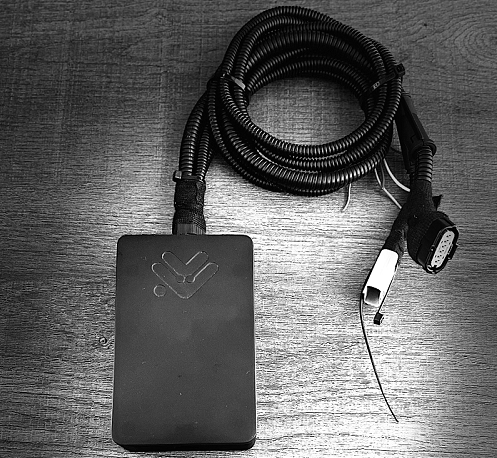
Most modern speed limiters are electronically controlled. They interact with the engine control unit (ECU), monitor speed through sensors, and limit fuel delivery or throttle input once a set speed is reached.
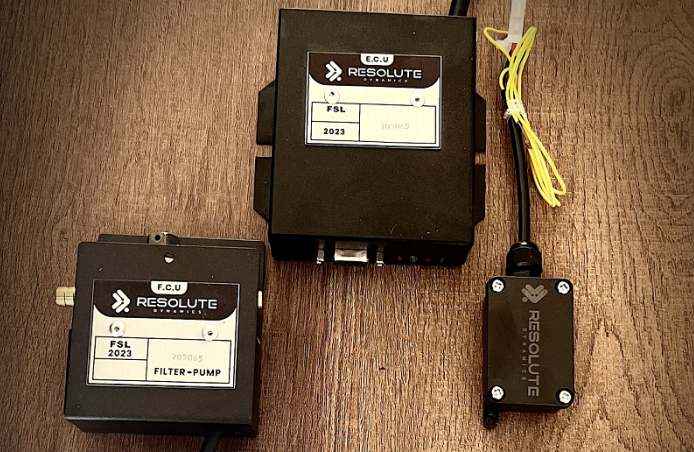
Some advanced types — like those from Resolute Dynamics — use GPS-based systems or even terrain-adaptive technology, which adjusts the speed cap depending on road conditions.
There are generally three types:
-
Standard Speed Limiters – Fixed max speed.
-
Dual Speed or Multi-Speed Limiters – Adjusts speed depending on road type (urban vs. highway).
-
Adaptive Limiters – Uses real-time data to adapt to terrain, weather, or regulations.
Understanding the type of limiter in your vehicle helps when diagnosing problems.
What Causes Speed Limiters to Fail?
Even though speed limiters are designed for long-term reliability, like any piece of automotive tech, they’re still vulnerable to wear, damage, or interference over time. And when they fail, it doesn’t always happen dramatically — sometimes it’s a slow breakdown that goes unnoticed until a serious issue happens on the road.
Let’s break down the most common causes of speed limiter failure, along with how they impact your vehicle’s performance, safety, and compliance.
1. Wiring Faults or Electrical Shorts
Speed limiters rely heavily on a stable electrical connection with the vehicle’s systems — especially the Engine Control Unit (ECU), speed sensors, and throttle actuators. If any part of this electrical chain is broken, corroded, or improperly grounded, the limiter may receive incorrect data or no data at all.
Common scenarios include:
-
Frayed wires due to engine vibration or poor cable routing.
-
Corroded connectors from water ingress or humidity (especially in coastal regions or during rainy seasons).
-
Faulty grounding causing erratic limiter behavior or intermittent function.
What happens: You might notice the speed limiter working sometimes and failing at others, leading to unpredictable acceleration or overspeed events. In some cases, the ECU may go into limp mode to protect the engine.
2. Sensor Failure or Calibration Drift
The most critical component that feeds data into the speed limiter is the Vehicle Speed Sensor (VSS). This sensor monitors wheel rotation and relays vehicle speed to the ECU and limiter.
What can go wrong:
-
The sensor gets coated with dirt, brake dust, or metal shavings, affecting its accuracy.
-
The sensor becomes misaligned after hitting a pothole or curb.
-
Internal sensor wear or magnet degradation in older vehicles.
-
Calibration drift due to ECU or limiter not being recalibrated after tire changes or transmission updates.
What happens: If the limiter receives wrong speed data, it may either cut speed too early or fail to engage at all. This puts the vehicle at risk of exceeding limits unknowingly.
3. Firmware Bugs or Outdated Software
Modern speed limiters run on embedded software (firmware), which can develop bugs, compatibility issues, or performance lags over time — especially if they aren’t updated.
Why this happens:
-
Software becomes incompatible with newer ECU versions after vehicle updates.
-
Bugs in older firmware prevent the limiter from communicating properly with GPS or throttle systems.
-
Memory errors or corrupt code due to power surges or voltage drops.
What happens: The limiter may freeze, reset unexpectedly, or stop enforcing the speed cap. This issue is harder to spot without diagnostics but is one of the most overlooked causes of failure.
4. Physical Damage from Environmental Exposure
Speed limiters are often installed in areas exposed to vibration, heat, moisture, and dust — especially in fleet vehicles, off-road trucks, and school buses.
Damage sources include:
-
Water damage due to poor enclosure sealing or flooding.
-
Overheating from engine bay proximity or direct sunlight.
-
Dust or sand entering through vents or wiring holes.
-
Vibration from rough roads or engine mounts.
What happens: These stressors can fry circuits, damage internal chips, or shake components loose, eventually causing complete limiter failure. The device may shut down or show error lights if it has built-in diagnostics.
5. Improper Installation or Tuning
One of the most preventable causes of limiter failure is poor installation. If the device is not wired correctly, poorly grounded, or installed in the wrong location, it may never work as intended.
Common mistakes include:
-
Splicing into the wrong wires in the harness.
-
Using non-OEM connectors that don’t hold under vibration.
-
Skipping calibration after installation.
-
Failing to align the limiter software with the vehicle’s ECU protocol.
What happens: The limiter may appear functional but never engage. Or worse, it may cause other vehicle systems — like cruise control or the automatic gearbox — to behave unpredictably. This is especially risky in multi-speed limiter systems that depend on precision tuning.
Warning Signs: How to Know Something’s Off
You don’t need to be a mechanic to spot trouble brewing. Here are red flags that your speed limiter may be malfunctioning:
-
Sudden Speed Surges: The vehicle goes faster than the set limit.
-
Warning Lights: Check engine or ECU alert comes on.
-
Throttle Lag: Acceleration feels jerky or delayed.
-
Fuel Efficiency Drops: Faulty limiters can affect how the engine consumes fuel.
-
Speed Records Show Irregularities: If using GPS tracking, look for odd overspeed events.
These might seem minor, but together, they paint a clear picture.
How to Test Your Speed Limiter
Keeping your speed limiter in good working condition isn’t just about safety—it’s also about staying compliant with transport regulations, avoiding fines, and protecting your vehicle from potential damage. Whether you’re a fleet manager, workshop technician, or a hands-on vehicle owner, testing your speed limiter regularly can save you from unexpected failures down the road.
Here’s how to thoroughly test your speed limiter, using both basic and professional tools.
1. Run an OBD-II Diagnostic Scan
Every modern vehicle is equipped with an OBD-II (On-Board Diagnostics) port. It’s a direct line to your vehicle’s brain—the Engine Control Unit (ECU)—which is where most speed limiters are integrated or connected.
What to do:
-
Plug in an OBD-II scanner or diagnostic tool (even affordable models can work).
-
Scan for fault codes, especially those related to:
-
Speed sensor malfunction (e.g., P0500)
-
Throttle actuator control errors
-
Communication errors between modules (CAN bus faults)
-
Why it matters:
Even if your speed limiter seems to be working, hidden error codes can signal deeper issues. These faults might prevent the limiter from activating when it should or cause it to behave unpredictably.
Pro tip: Use a scanner that supports live data streaming so you can view speed sensor output, throttle position, and limiter activation in real-time during a test drive.
2. Perform a Controlled Test Drive at Maximum Speed Limit
This is a simple but critical step: you simulate a real-world scenario to see if the speed limiter does its job when the vehicle approaches the programmed limit.
How to test:
-
Take the vehicle to a private track or safe road where you’re legally allowed to reach higher speeds.
-
Gradually accelerate until you approach the limiter’s threshold (e.g., 80 km/h, 100 km/h, depending on the setting).
-
Observe:
-
Does the vehicle stop accelerating at the set limit?
-
Is the limiter smooth or jerky?
-
Does the limiter cut off power or just reduce throttle response?
-
What you’re looking for:
A functional limiter will either restrict the throttle electronically or gently reduce engine power once the cap is reached. If you blow past the speed limit, the limiter is not working—or not set correctly.
Important: Never test on public roads or highways. Use closed environments or professional workshops with test rollers or dynos.
3. Analyze GPS Speed Logs (for Fleet Vehicles)
If your vehicle or fleet is connected to a GPS tracking system, you’re sitting on a goldmine of diagnostic data. GPS logs can tell you more than just location—they reveal how well your speed limiter is performing in the real world.
What to check:
-
Identify trips where the vehicle exceeded the expected top speed.
-
Look for repeated overspeed events—these are signs the limiter isn’t engaging.
-
Check for time-stamped anomalies, such as late limiter response or inconsistent activation.
Why it helps:
GPS data is especially valuable for fleet managers who can’t personally test every vehicle. With geofencing and terrain-aware limiters (like those from Resolute Dynamics), you can even correlate terrain type with limiter response.
Tip: Set automatic alerts in your GPS system to notify you of overspeed events in real time.
4. Inspect the Wiring and Sensor Network
Physical inspection is often overlooked, but it’s where many speed limiter issues begin—especially in older vehicles or those operating in dusty, wet, or high-vibration environments.
Check for:
-
Frayed, cut, or melted wires in the engine bay or near the limiter module.
-
Loose harness connections to the ECU, throttle body, or speed sensors.
-
Signs of oxidation or corrosion on sensor terminals or ground points.
-
Sensor misalignment (e.g., speed sensor too far from its magnetic ring).
Why it matters:
Wiring problems often cause intermittent failures, which are the hardest to diagnose with digital tools. A clean, tight, and well-insulated connection ensures consistent performance and accurate data to the ECU.
5. Use Advanced Workshop Tools Like Smart Lift Monitoring
For workshops or fleet maintenance depots, advanced tools like Smart Lift Monitoring Systems (offered by companies like Resolute Dynamics) take limiter testing to another level.
What these systems do:
-
Track limiter performance over time, not just in one test.
-
Provide automated logs of limiter activity during service operations.
-
Integrate with diagnostic software for full system health reports.
Benefits:
-
You get a data-driven history of how the speed limiter has performed, including any times it failed to activate.
-
These tools also help identify subtle performance drops, like delayed throttle cut or inconsistent speed recognition.
How to Prevent a Speed Limiter Failure

The best fix is the one you never need. Here’s how to keep your speed limiter in top shape:
-
Schedule Regular Diagnostics – At least twice a year.
-
Update Firmware – Especially for adaptive systems.
-
Clean Electrical Components – Prevent rust or grime buildup.
-
Use Authorized Service Centers – Especially for brands like Resolute Dynamics.
-
Pair with GPS Tracking – So you can catch performance issues remotely.
A small maintenance habit can save lives — and a lot of money.
When It’s Time to Replace or Upgrade
Like any vehicle safety system, speed limiters don’t last forever. Over time, technology evolves, regulations change, and older devices simply can’t keep up with today’s performance, accuracy, or compliance demands.
Whether you manage a fleet, operate commercial vehicles, or oversee school transport safety, knowing when to replace or upgrade your speed limiter is key to keeping your vehicles safe, legal, and efficient.
Let’s take a closer look at the telltale signs it’s time for a change—and the new options available.
1. The Device Is Over 5–7 Years Old
Technology doesn’t stand still. A speed limiter installed more than five years ago may still “work,” but it’s likely outdated in terms of:
-
Response time
-
Integration capabilities
-
Compatibility with modern ECUs
-
Support for new regulations or fleet tracking systems
Older units may lack smart features like terrain awareness, GPS integration, or real-time diagnostics. In fact, most modern commercial vehicle compliance standards now recommend or even require devices with event logging and tamper resistance, which older limiters simply don’t have.
If your speed limiter has been in place since before your current phone model, it’s probably time for an upgrade.
2. Recurring Problems, Even After Repairs
A speed limiter that keeps failing—even after you’ve repaired it—is costing you more than it’s worth. Frequent issues like:
-
Intermittent overspeed incidents
-
ECU errors linked to the limiter
-
Random power cut-offs
-
Throttle irregularities
…are signs the system is no longer reliable.
These issues don’t just impact the driver—they disrupt schedules, create maintenance downtime, and risk violating local traffic laws or fleet safety requirements.
Rather than chasing fixes for outdated tech, it’s often more cost-effective and safer to replace the entire unit with a modern, fully supported model.
3. Your Fleet Needs to Meet New Legal Regulations
Across many regions—including the Middle East, Africa, EU, and parts of Asia—new transport regulations are tightening safety requirements for commercial and public vehicles.
Some of the latest mandates include:
-
GPS-linked speed limiters for location-based enforcement
-
Automatic speed adjustment in school zones or city centers
-
Tamper-proof designs to prevent unauthorized changes
-
Speed limiter certification or audit logs
If your current limiter isn’t compliant, you may fail inspections or face penalties.
Resolute Dynamics, for instance, offers devices that already meet or exceed these regional standards, reducing your legal risk and making audits easier.
4. You Want to Upgrade to Smarter, Terrain-Based or Adaptive Limiters
Basic speed limiters apply a single speed cap, no matter the road, load, or conditions. That’s fine for basic vehicles. But for more complex environments, it’s not enough.
Why upgrade?
-
In urban areas, you may want a lower speed limit than highways.
-
On hilly terrain, smarter limiters can adjust based on incline or descent.
-
For school buses, adaptive controls enhance child safety during stops.
-
Heavy-duty fleets benefit from load-sensitive limiter adjustment to reduce engine stress.
Resolute Dynamics’ Dual Speed and Adaptive Limiters use advanced sensors, terrain mapping, and GPS integration to automatically shift between pre-set limits depending on where and how the vehicle is operating.
This not only improves safety but also helps:
-
Reduce fuel consumption,
-
Minimize brake wear,
-
Improve driver behavior,
-
And keep your fleet aligned with smart transport systems.
What Are Your Upgrade Options?
Resolute Dynamics has built its reputation on next-generation limiter systems. Here are some of the smart upgrade paths available today:
Dual Speed Limiters
Set one speed limit for highways and another for city or off-road conditions. The system automatically switches based on location, gear selection, or speed pattern. Ideal for mixed-use vehicles like delivery vans or cross-country trucks.
School Bus Safety Limiters
These are customized to prioritize student safety. Features may include:
-
Lower limits near school zones
-
Speed logging during pickup/drop-off
-
Integration with stop-arm sensors and brake monitoring
-
Anti-tamper alerts for unauthorized speed overrides
GPS-Integrated Speed Limiters
The top tier of smart limiter tech. These systems:
-
Use satellite signals to adjust speed in real-time,
-
Log every speed change and limiter event,
-
Support remote diagnostics,
-
Can be controlled or monitored via cloud fleet platforms.
Perfect for fleet operators, municipalities, and compliance-driven transport companies.
Final Thoughts: Don’t Let It Fail on the Road
Speed limiters are more than just safety tools—they’re lifesavers. Catching a faulty one before it gives up on the road is all about paying attention to small signs and doing regular checks.
Whether you manage a fleet, drive a school bus, or just want to protect your vehicle, staying ahead of limiter failures can save you time, money, and stress.
Need Help?
If your speed limiter seems off or you’re unsure if your current system meets regulations, it’s always smart to talk to an expert. Brands like Resolute Dynamics not only provide cutting-edge devices but also ongoing support and diagnostics for peace of mind.
Related deeper reading: DIY Speed Limiter Troubleshooting, Maintenance Checklist, and Installation Troubleshooting.

The Resolute Dynamics team designs and manufactures speed limiters (SLD), GPS tracking, and automotive safety systems used on 200,000+ vehicles across 20+ countries. We write about fleet compliance, road-safety regulation, and vehicle-safety technology, including Malaysia’s JPJ SLD mandate, UAE RTA rules, and global standards like UN R89, to help fleet operators and transport businesses stay safe and compliant.