When managing a fleet, every decision affects your bottom line. Whether you’re running delivery vans, school buses, or long-haul trucks, keeping your drivers safe—and your vehicles compliant—is critical.
One of the smartest technologies in fleet safety today is the speed limiter device. But when it comes to adding them to your fleet, the big question is: Should you lease or buy them?
Let’s explore the pros and cons of both options, and help you make a decision that fits your budget, compliance needs, and growth plans.
Understanding Speed Limiter Devices

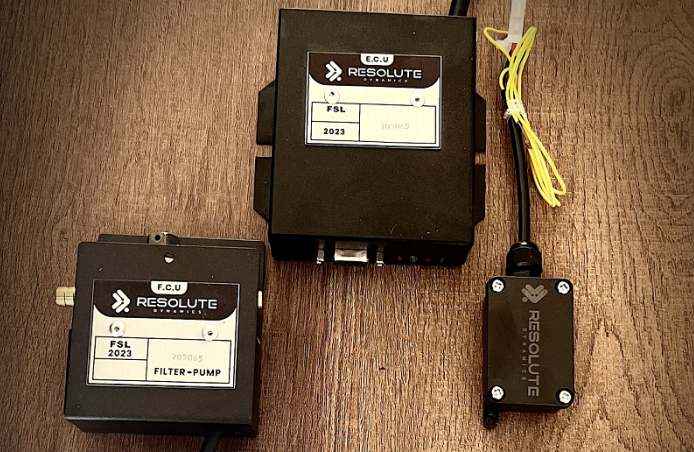
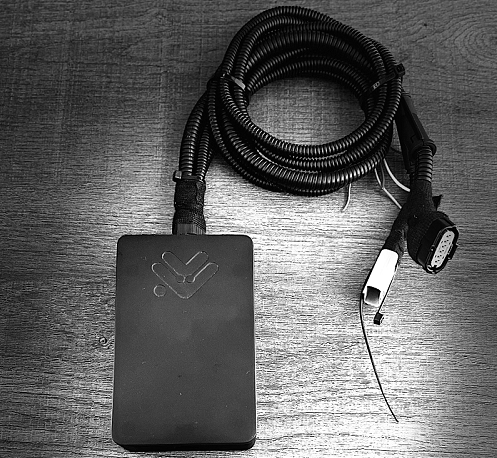
Speed limiter devices—sometimes called speed governors—are small but powerful systems installed in vehicles to cap the maximum speed a driver can reach. They act like invisible speed control agents, making sure vehicles don’t go faster than a set limit, no matter how hard the driver hits the gas pedal.
In the world of fleet management, these devices are no longer optional—they’re becoming a standard requirement across many industries, especially in logistics, public transport, and school transportation.
Speed limiters help companies meet road safety laws, reduce accident risks, and improve fuel efficiency. But there’s more going on under the hood.
How Do Speed Limiters Work?
Most modern speed limiters are electronically controlled and work by communicating directly with the vehicle’s Electronic Control Unit (ECU)—the brain of the car or truck. Here’s how it functions:
-
The system receives input from the speed sensors on the wheels.
-
It constantly compares the actual speed with the pre-programmed speed threshold.
-
When the vehicle reaches the limit, the limiter interferes with engine functions, such as reducing fuel injection or restricting throttle input.
-
In advanced models, it also connects with GPS to adjust speed based on location or road conditions.
This creates a smoother, safer, and more controlled driving experience—especially useful for heavy vehicles where stopping distances are longer.
Types of Speed Limiter Devices
Fleet operators can choose from a range of devices based on vehicle use, road types, and compliance needs. Here are the most common types offered by leading manufacturers like Resolute Dynamics:
1. Standard Electronic Speed Limiters
These are basic digital systems that cap the vehicle’s top speed at a fixed value—like 80 km/h or 100 km/h. They’re ideal for single-route commercial vehicles or school buses that don’t require dynamic speed changes.
2. Dual or Multi-Speed Limiters
These are more flexible. They allow multiple preset speed limits depending on the road or environment. For example, a vehicle might be limited to 60 km/h inside city limits and 90 km/h on highways. These systems often use terrain-based logic, adjusting speed when the vehicle goes off-road or enters a residential zone.
3. Adaptive Speed Limiters (ISA – Intelligent Speed Assistance)
These are the most advanced. Using GPS data, map intelligence, and road sign recognition, they automatically adjust the vehicle’s speed based on real-time conditions. For instance, if a truck enters a school zone or hits a steep downhill, the limiter recalibrates instantly. Some adaptive speed limiter systems also work in sync with fleet telematics to monitor driving behavior and issue alerts.
Why Are Speed Limiters Important for Fleets?
Speed limiters bring more than just legal compliance. They touch on nearly every pain point that a fleet manager deals with:
-
Road Safety: Reduces the risk of fatal crashes by preventing overspeeding.
-
Fuel Savings: Vehicles consume less fuel at controlled speeds, improving fuel economy.
-
Wear & Tear: Prevents harsh acceleration, reducing strain on brakes, tires, and engines.
-
Insurance Benefits: Some providers offer lower premiums to fleets with limiter-equipped vehicles.
-
Driver Accountability: Integrated with fleet management systems, speed limiters support driver scorecards and behavior tracking.
Plus, in many countries like the UAE, India, and across the European Union, installing speed limiters is legally required for certain vehicle types—especially school buses, passenger vans, and goods carriers.
Related Technologies and Integrations
Speed limiters are often part of a broader Intelligent Transport System (ITS). In modern fleets, they are integrated with:
-
GPS Tracking Systems
-
Vehicle Telematics Platforms
-
Electronic Logging Devices (ELDs)
-
Route Optimization Tools
These integrations allow fleet managers to see real-time speed data, receive alerts for violations, and track driver performance—all from a centralized dashboard.
Fleet Management Needs: What Matters Most
Before diving into leasing or buying, think about what really matters to your fleet:
-
Compliance with government or regional transport laws
-
Minimizing upfront costs while staying competitive
-
Access to the latest technology without getting locked into outdated tools
-
Scalability for when your fleet grows or contracts
Understanding these needs makes it easier to choose between leasing and buying.
Leasing Speed Limiter Devices: Pros & Cons
Pros of Leasing:
-
Lower upfront costs: You don’t need to invest a large amount at the beginning.
-
No long-term commitment: Ideal if your fleet changes often.
-
Easy access to upgrades: Stay current with the latest safety tech from companies like Resolute Dynamics.
-
Maintenance included: Many leasing plans cover repairs and firmware updates.
-
Predictable expenses: Fixed monthly costs help with budgeting.
Cons of Leasing:
-
No ownership: You return the equipment at the end of the lease.
-
Long-term cost may be higher: You might pay more over several years.
-
Limited customization: Most leases offer standard units.
-
Contract terms: There may be penalties for early termination or misuse.
If your fleet operates in a fast-changing market or you’re still scaling up, leasing might be a smart move.
Buying Speed Limiter Devices: Pros & Cons
Pros of Buying:
-
Full ownership: You control the equipment and can use it as long as you want.
-
Long-term savings: After the initial cost, you avoid monthly payments.
-
Customization options: Especially with brands like Resolute Dynamics, which offer tailored solutions.
-
Higher resale value: You can resell or repurpose the equipment later.
-
Better integration: Full access to the hardware/software means better data analytics and fleet management control.
Cons of Buying:
-
High upfront investment: Can be tough on cash flow, especially for small fleets.
-
Maintenance is your responsibility: Unless you buy a support package.
-
Technology becomes outdated: You’ll need to upgrade eventually.
-
Limited flexibility: If your fleet shrinks or shifts focus, you’re stuck with extra units.
Buying is best for fleets that are stable, large, or have long-term contracts in place.
Cost Comparison: Leasing vs Buying

When deciding whether to lease or buy speed limiter devices for your fleet, the first thing most fleet managers look at is cost. But cost isn’t just about the sticker price. It’s about understanding the full financial impact over time—also known as Total Cost of Ownership (TCO).
Let’s dive deeper into the real cost dynamics behind leasing and buying, so you can make a smart, long-term decision for your fleet.
Side-by-Side Cost Breakdown
Here’s a more detailed look at how leasing and buying compare across key cost elements:
| Cost Factor | Leasing | Buying |
|---|---|---|
| Upfront Cost | Low or zero. Typically only a small setup or activation fee. | High initial investment for hardware, installation, and setup. |
| Monthly Expense | Fixed monthly rental or service fee. Predictable and easy to budget. | No ongoing fees (after initial purchase), unless you add support plans. |
| Maintenance | Usually included. Vendor handles service, repairs, and firmware updates. | You pay separately for maintenance, software updates, or technician visits. |
| Upgrades | Often bundled. Easy to switch to newer models or tech during contract. | Manual and optional. Requires additional investment later. |
| Ownership Value | No ownership. You return the device at the end of the lease. | Full ownership. It’s your asset with resale or repurpose value. |
| Ideal Use Case | Fleets that are scaling, changing routes, or working on short-term contracts. | Fleets with stable operations and long-term usage plans. |
| Tax Implications | Monthly lease payments may be deductible as operating expenses. | Capital expense. Can be depreciated over time, depending on local laws. |
Total Cost of Ownership (TCO) Explained
TCO is where many fleet operators miss the big picture.
Let’s break this down using a realistic example:
Scenario: Mid-Sized Delivery Fleet (10 vehicles)
-
Leasing Cost: $30/month per device = $3,600/year
-
Over 3 years = $10,800 (but includes maintenance and upgrades)
-
Buying Cost: $300 per device = $3,000 upfront
-
Add maintenance over 3 years: ~$100/device = $1,000
-
Total = $4,000 over 3 years
On paper, buying is cheaper. But the trade-off is cash flow and technology flexibility.
When Leasing Makes More Financial Sense
Leasing may be the better financial option if:
-
You’re adding new vehicles and want flexibility.
-
You prefer predictable monthly costs over a big one-time spend.
-
You want access to the latest tech (like GPS-integrated or terrain-based limiters).
-
You don’t have in-house technicians for maintenance.
-
Your operation is short-term or seasonal (e.g., school bus contracts).
Think of leasing as “pay-as-you-go access to evolving tech.” It helps smaller or fast-growing fleets stay agile without being locked into aging hardware.
When Buying is the Smarter Investment
Buying works best if:
-
Your fleet size and routes are stable year-round.
-
You have the budget to invest upfront.
-
You want full control and ownership of the equipment.
-
You’re building a custom safety ecosystem, integrated with telematics, tracking, and vehicle diagnostics.
-
You plan to use the same equipment for 3–5 years or more.
In these cases, buying saves money in the long run—and you gain full ownership of a valuable asset.
Other Financial Considerations
Maintenance Contracts
If you buy speed limiters, you may want to purchase a service plan from the vendor. Otherwise, your team is responsible for all repairs, firmware updates, or inspections—especially during regulatory audits.
Device Lifecycle
A typical speed limiter device lasts 4–6 years, but tech evolves fast. If your bought units become obsolete after 3 years, leasing might have been smarter.
Tax Planning
Talk to your accountant. In some countries, leasing is treated as an operating expense, offering tax deductions. Buying is often a capital expense, which you can depreciate.
Quick Decision Guide: Leasing vs Buying
| Situation | Better Option |
|---|---|
| Small startup fleet | Lease |
| Stable, 100+ vehicle fleet | Buy |
| School transport under contract | Lease |
| Delivery fleet with fixed routes | Buy |
| Vehicles on seasonal usage | Lease |
| Fleet with in-house service team | Buy |
| High-tech GPS tracking requirements | Lease or Hybrid |
Maintenance, Support & Upgrades
Choosing between leasing or buying a speed limiter device doesn’t end with the purchase agreement. What happens after the install is just as important. This is where maintenance, technical support, and upgrades come into play—and these ongoing needs can quietly impact both your operational efficiency and compliance status.
A poorly maintained or outdated speed limiter can lead to:
-
Unexpected vehicle downtime
-
Non-compliance penalties from regulators
-
Safety risks due to malfunction or calibration errors
-
Increased repair costs over time
So let’s break down what ongoing support really looks like in both leasing and buying models.
What Does Speed Limiter Maintenance Involve?
Speed limiter systems are electronic devices that interface with your vehicle’s Electronic Control Unit (ECU), throttle system, and sometimes GPS sensors. As with any smart system, they require regular checks and updates.
Here are the typical maintenance tasks involved:
-
Calibration: Ensuring the speed threshold is accurate and aligns with regional laws.
-
Firmware updates: Keeping the software current for improved functionality and compliance.
-
Hardware inspection: Checking wiring, sensors, and connectors for wear or malfunction.
-
System diagnostics: Verifying performance through telematics or onboard diagnostic tools.
-
Compliance audits: Some regulatory agencies require documented proof of limiter health.
Without routine support, even the best limiter can become unreliable—and unreliable equals unsafe.
Leasing: Full-Service Support, Minimal Hassle
One of the biggest advantages of leasing speed limiter devices is that support is often bundled into the lease contract. That means:
-
Vendor-managed maintenance: No need to hire in-house experts. The supplier handles scheduled checkups, firmware patches, and repairs.
-
Automatic upgrades: As newer models or features become available—like terrain-adaptive controls or geofencing—you can often upgrade without extra cost.
-
On-call technicians: Many lease providers offer on-site service or remote diagnostics through telematics platforms.
-
Replacement plans: Faulty or outdated devices are swapped out as part of your lease agreement.
This setup is ideal for fleets that don’t have a dedicated service department or want predictable operational costs.
Buying: More Control, But More Responsibility
When you purchase speed limiter devices, you get full ownership—but also full responsibility. This includes:
-
Self-managed service: You’ll need to schedule and handle all maintenance tasks yourself—or contract a third-party provider.
-
Manual firmware updates: Some providers offer downloadable updates, but applying them may require technical know-how or specific diagnostic tools.
-
Hardware upgrades are optional: You decide if and when to upgrade. That’s great for long-term planning, but it can also lead to using outdated tech longer than you should.
-
Custom system integrations: Owning your hardware makes it easier to connect the speed limiter with your in-house fleet management software, ELDs, or vehicle tracking platforms.
If you have a dedicated tech team or operate from a centralized fleet hub, buying offers more flexibility and control. But the tradeoff is that support becomes your job.
The Role of Updates in Compliance and Safety
Regulations around speed limiter technology are evolving fast—especially in regions like the UAE, EU, and India, where speed limiter mandates are tied to vehicle safety certifications and road transport permits.
Outdated software or incorrect calibration can lead to:
-
Failing annual inspections
-
Loss of operating licenses
-
Insurance claim denials in case of accidents
Whether you lease or buy, firmware and software updates are critical to stay compliant. These updates may:
-
Adjust speed thresholds in new speed zones
-
Improve communication with onboard GPS
-
Fix bugs that could affect throttle control
-
Introduce new features like real-time driver alerts
Resolute Dynamics: Support That Doesn’t Cut Corners
Whether you lease or buy from Resolute Dynamics, you don’t get left in the dark after installation.
They offer:
-
Certified technician support across multiple countries
-
Firmware updates for all product tiers, including Dual Speed Limiters and Adaptive Systems
-
On-site calibration and diagnostics on request
-
Optional maintenance plans for purchased units
-
Seamless upgrade paths for existing customers
This level of post-sale support ensures your fleet stays:
-
Legally compliant
-
Operationally efficient
-
Technologically up-to-date
Which Option is Best for Your Fleet?

Here’s a quick cheat sheet:
-
Choose leasing if:
-
You’re just starting out
-
You expect fleet size to change
-
You want the latest tech with low risk
-
-
Choose buying if:
-
Your fleet is stable or expanding
-
You’re focused on long-term savings
-
You need full control and custom integration
-
Think of leasing as renting innovation and buying as investing in infrastructure.
Why Resolute Dynamics is a Trusted Choice
With products like the Dual Speed Limiter and Smart Bus Solutions, Resolute Dynamics leads the market in fleet safety tech. They’re not just manufacturers—they’re vehicle safety architects, building precise, certified systems tailored for real-world roads.
Their commitment to:
-
Quality engineering
-
R&D-driven solutions
-
Global support (UAE, USA, India, and beyond)
…makes them a solid partner, whether you lease or buy.
Final Thoughts
Leasing or buying a speed limiter isn’t just a budget decision—it’s a strategy call. Both options have clear benefits. The right choice depends on your fleet’s size, structure, and goals.
If you’re not sure which way to go, talk to a fleet safety expert or reach out to Resolute Dynamics. They’ll help you navigate the options and choose the right setup for your vehicles.
FAQs
Q: Are leased speed limiter devices locked into contracts?
Yes, most leasing agreements are for 1–3 years. Check for early exit terms.
Q: Can I upgrade a purchased device?
Yes. Resolute Dynamics supports firmware and hardware upgrades.
Q: Is leasing only for small fleets?
No. Large fleets lease too, especially to manage budget and stay flexible.
Q: What if my vehicles operate in harsh environments?
Consider terrain-based speed limiters or ask for ruggedized hardware.
Related reading: Speed Governor Buyer’s Guide and Common Buying Mistakes to Avoid.
The Resolute Dynamics team designs and manufactures speed limiters (SLD), GPS tracking, and automotive safety systems used on 200,000+ vehicles across 20+ countries. We write about fleet compliance, road-safety regulation, and vehicle-safety technology, including Malaysia’s JPJ SLD mandate, UAE RTA rules, and global standards like UN R89, to help fleet operators and transport businesses stay safe and compliant.